The best road cycling routes around Quincerot
4.4
(20)
525
riders
126
rides
Road cycling around Quincerot, situated in France's Côte-d'Or department, provides access to varied terrain across the Burgundy-Franche-Comté region. The landscape features a mix of gently undulating hills, open valleys, and flat plains, with many routes utilizing tarmac country lanes and secondary roads. Cyclists can explore areas characterized by vineyards, canals, and forests, offering diverse riding experiences. The region's well-developed cycling infrastructure supports a range of road cycling routes.
Best road cycling routes around Quincerot
- The most popular road cycling route…
Last updated: July 13, 2026
9
riders
Moderate road ride. Good fitness required. Mostly well-paved surfaces and easy to ride.
44
riders
35.2km
01:30
140m
140m
Moderate road ride. Great for any fitness level. Some segments of this route may be unpaved and difficult to ride.

Sign up for free
5.0
(1)
19
riders
69.0km
03:13
350m
350m
Moderate road ride. Good fitness required. Some segments of this route may be unpaved and difficult to ride.
16
riders
58.3km
02:36
400m
400m
Moderate road ride. Good fitness required. Some segments of this route may be unpaved and difficult to ride.
16
riders
47.0km
02:10
470m
470m
Moderate road ride. Good fitness required. Mostly well-paved surfaces and easy to ride.
Get access to more routes and recommendations from other explorers.
Sign up for free
Already have an account?
Our route recommendations are based on thousands of hikes, rides, and runs completed by other people on komoot.
Start today with a free account
Your next adventure awaits.
Login or Signup

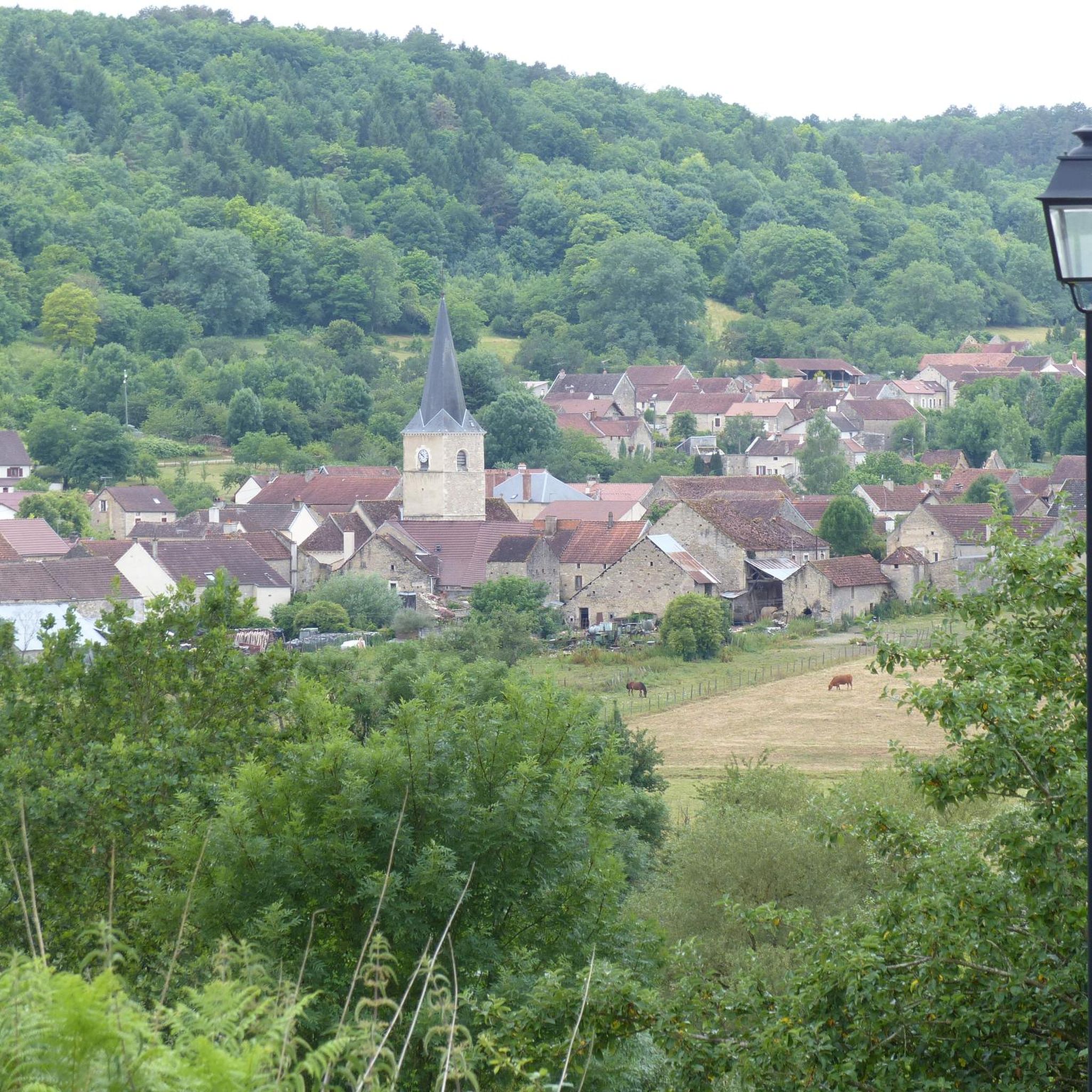
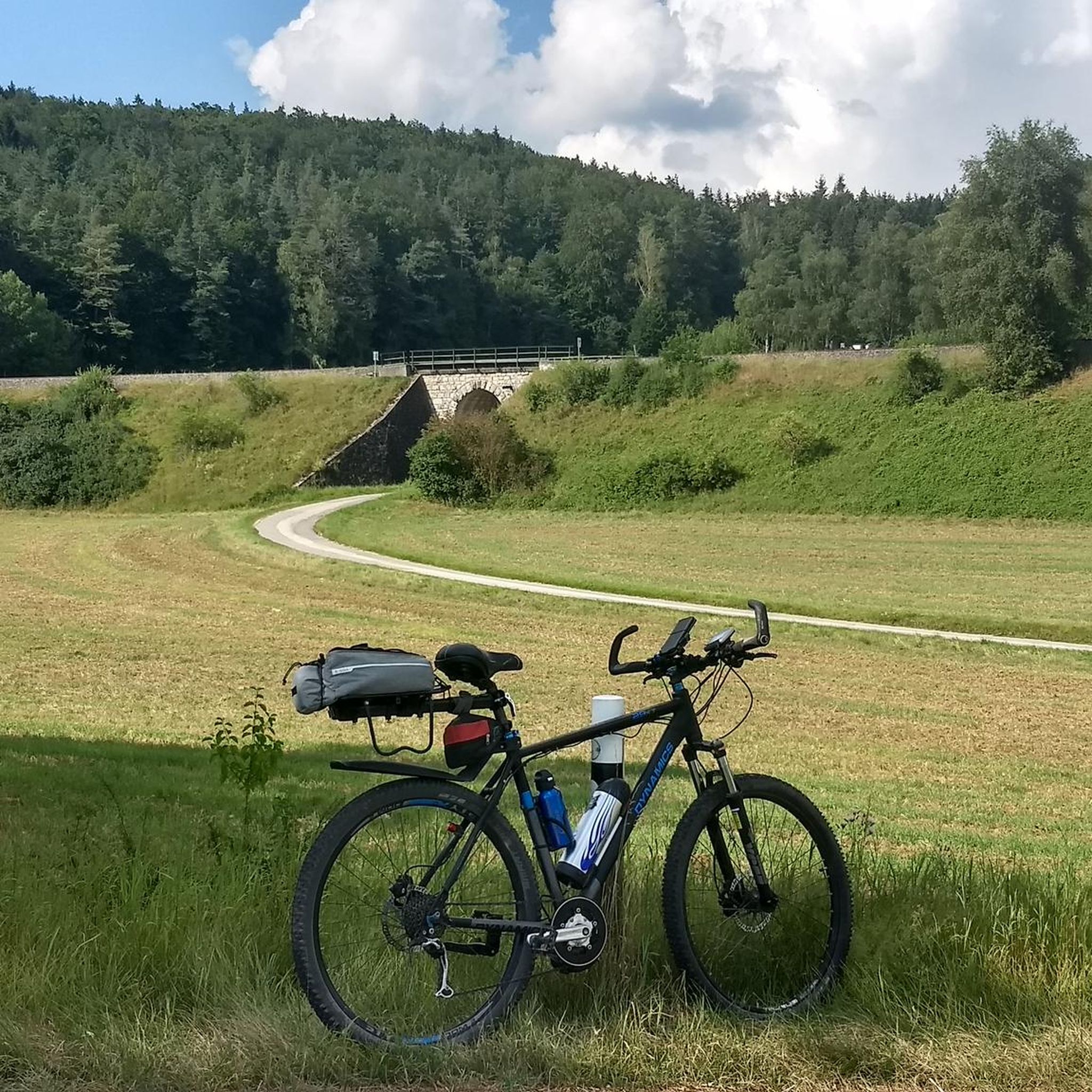
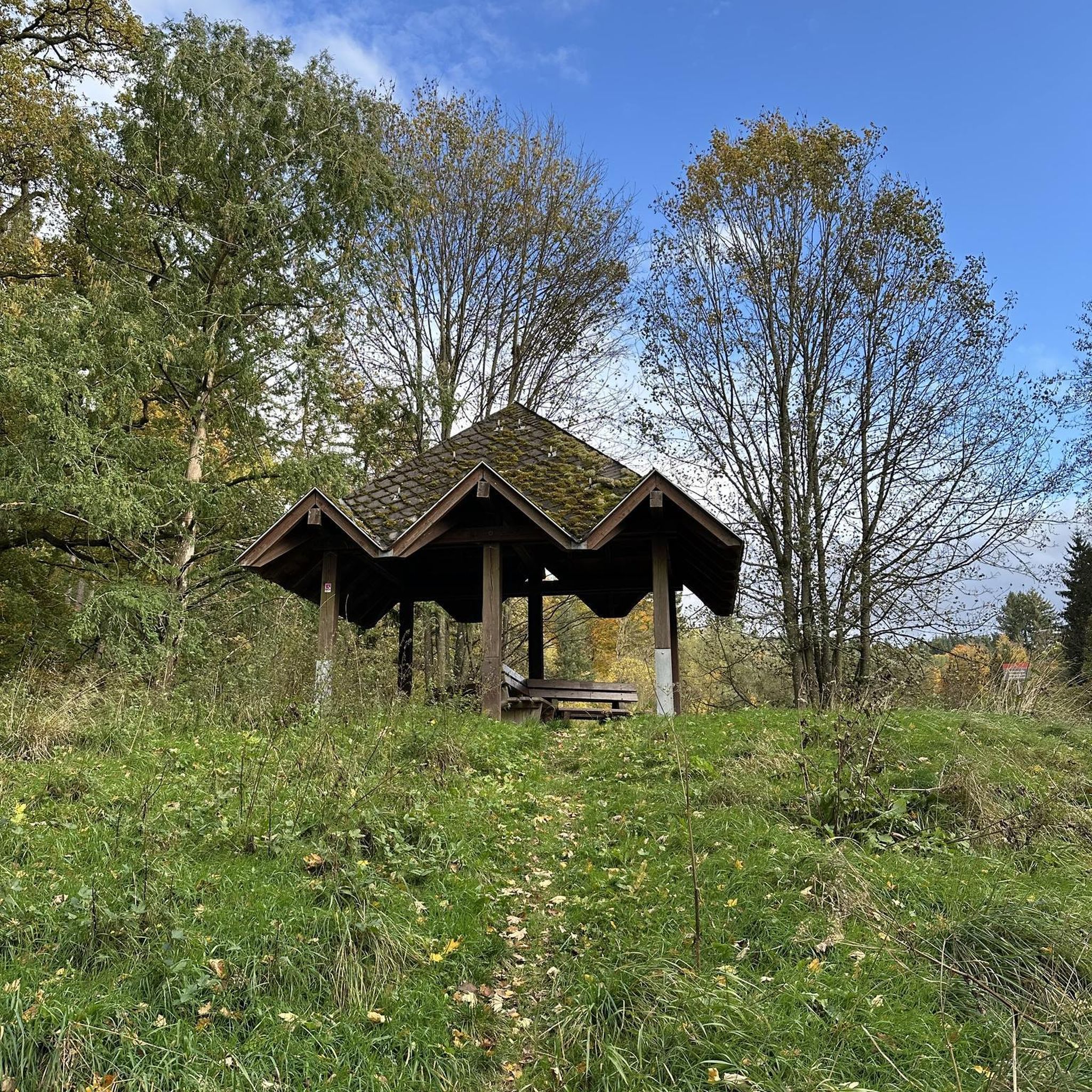

Tips from the Community

I highly recommend visiting the abbey church of St Thibault in St Thibault! A pure marvel!
0
0

An interestingly designed public space near the bridge over the Brenne River, a prime spot with a view, a bridgehead, and a city terrace. Designed by local architects Atelier B2A, 2019.
2
0

The Abbey of Fontenay, like all monasteries and places of worship, was, of course, founded or built first and foremost as a place of prayer. Due to its outstanding significance, it has also been honored with the title of "World Heritage Site" by UNESCO. The German-language television series "Treasures of the World – Heritage of Humanity" documents these special sites around the world in quarter-hour segments. One episode also deals with this abbey, and the website reads: * "France at the end of the 11th century. Christianity has prevailed. The noble abbots of the Benedictine monasteries live in prosperity. The monastic ideal of poverty and modesty seems to have been forgotten. A new order is founded in Burgundy. It calls its followers to return to early Christian ideals: to work and poverty, to humility and seclusion from the world. The monks establish their first monastery, "Citeaux," after which they later call themselves Cistercians. The order grows rapidly. The monks clear the forests and regulate the rivers. Their religious houses soon spread throughout France, even to Germany. The Fontenay Abbey is also founded under them." The film is available in the ARD media library at the following link =>> https://www.ardmediathek.de/video/schaetze-der-welt/fontenay-frankreich-folge-11/swr/Y3JpZDovL3N3ci5kZS83MjQ3MjIw
3
1
The Abbey of Fontenay was, like all monasteries and places of worship, of course founded or built first and foremost as a place of prayer. Due to its outstanding importance, it has also been "ennobled" by UNESCO with the title of "World Cultural Heritage". The German-language television series "Treasures of the World - Heritage of Humanity" documents these special sites all over the world in quarter-hour contributions. One episode also deals with this abbey, on the website you can read: * "France at the end of the 11th century. Christianity has prevailed. The noble abbots of the Benedictine monasteries live in prosperity. The monks' ideal of poverty and modesty seems to have been forgotten. A new order is founded in Burgundy. It calls on its followers to return to original Christian ideals: to work and poverty, to humility and seclusion from the world. The monks found their first monastery "Citeaux", after which they later call themselves Cistercians. The religious order grows quickly. The monks clear the forests and regulate the rivers. Their religious houses soon spread across France and into Germany. The Fontenay monastery was founded under them." The film is available in the ARD media library at the following link: => https://www.ardmediathek.de/video/schaetze-der-welt/fontenay-frankreich-folge-11/swr/Y3JpZDovL3N3ci5kZS83MjQ3MjIw
5
0

The world heritage monastery is worth a visit. However, there is an entrance fee.
3
0

Magnificent stone bridge which spans the Brenne in the center of Montbard. The bridge is paved, and offers you splendid views of both banks and the river below.
0
0

The city lies on Brenne and the Canal de Bourgogne. The area was already populated in ancient times. During the time of the Gauls there was a Druid community here. In the Middle Ages a town developed around the castle. Aleth, the mother of Bernard of Clairvaux, was born at the castle in 1070. The settlement received city rights in 1231. While the castle was a secondary residence of the Dukes of Valois from Burgundy, it was besieged in 1590 by the Count of Tavannes, who fought the Duke of Nemours on behalf of the French King Henri IV. The Canal de Bourgogne opened in 1833. In 1926, Montbard became a sub-prefecture by the decree of Raymond Poincarés.
1
0

Beautiful old town on the Canal du Bourgogne; Castle hill with Gothic town church; campsite with outdoor swimming pool; Starting point for tours in the area, especially to Fontenay Abbey
1
0
Frequently Asked Questions
How many road cycling routes are available around Quincerot?
There are over 115 road cycling routes available around Quincerot, offering a wide range of options for different skill levels and preferences. The komoot community has explored these routes over 500 times, highlighting the area's popularity among cyclists.
What kind of terrain can I expect when road cycling near Quincerot?
Road cycling near Quincerot offers a diverse landscape. You'll find a mix of gently undulating hills, open valleys, and flat plains. Many routes utilize quiet tarmac country lanes and secondary roads, winding through vineyards, along canals, and past forests. The region is known for its picturesque Burgundian countryside.
Are there routes suitable for beginners or families?
Yes, Quincerot offers several easy road cycling routes perfect for beginners or families. For example, the Buffon's Big Forge – Montbard lock loop from Montbard is an easy 34 km path that takes you through pleasant scenery with minimal elevation gain. The flat sections along the Burgundy Canal are also ideal for leisurely rides.
Are there challenging road cycling routes for experienced cyclists?
For experienced cyclists seeking a challenge, the region around Quincerot provides routes with more significant elevation changes. While the immediate area has moderate climbs, the nearby Morvan Regional Natural Park, about 37 km south, offers a more rugged cycling experience with manageable climbs and beautiful natural landscapes, though specific routes would need to be explored within that park.
What historical sites or landmarks can I see while road cycling near Quincerot?
The region is rich in historical sites. You can cycle past the beautifully preserved Fontenay Abbey, a UNESCO World Heritage site, as featured on the Montbard — Abbaye de Fontenay — circuit through vineyards, fields and villages route. Other notable attractions include Buffon's Big Forge and the charming medieval villages like Semur-en-Auxois and Montreal, which make for picturesque stopping points.
Are there any scenic routes that pass through vineyards or along canals?
Absolutely. The region is famous for its vineyards and canals. You can explore routes that wind through the prestigious vineyards of the Côte d'Or, offering an immersive cultural experience. Additionally, the Canal de Bourgogne – Montbard bridge loop from Montbard allows you to cycle alongside the Burgundy Canal, enjoying quiet paths largely free from motorized traffic and passing barges and lock houses.
What is the best time for road cycling in Burgundy?
The best time for road cycling in Burgundy, including around Quincerot, is generally during the spring (April to June) and autumn (September to October). During these seasons, the weather is typically mild and pleasant, with fewer crowds than in peak summer. The vineyards are particularly beautiful in spring with new growth or in autumn during the harvest season.
Are there circular road cycling routes around Quincerot?
Yes, many road cycling routes around Quincerot are designed as loops, allowing you to start and finish in the same location. An example is the Église Saint-Gengoulf – Château de Courcelles loop from Montbard, which explores the local countryside and historical landmarks. These circular routes are convenient for day trips.
Is parking available for cyclists in Quincerot or nearby?
While specific parking information for Quincerot itself isn't detailed, larger nearby towns like Montbard, which serves as a common starting point for many routes, typically offer public parking facilities suitable for cyclists. It's advisable to check local parking options upon arrival in these towns.
Can I use public transport with my bike in the Burgundy region?
Public transport options for bikes in the Burgundy-Franche-Comté region can vary. Regional trains (TER) often allow bikes, sometimes with specific time restrictions or a small fee. It's recommended to check the specific train operator's policy and timetables in advance, especially for longer journeys or during peak hours, to ensure your bike can be accommodated.
What do other road cyclists enjoy most about road cycling in Quincerot?
The road cycling experience in Quincerot is highly rated by the komoot community, with an average score of 4.4 stars from over 10 reviews. Cyclists often praise the varied terrain, from gentle hills to flat canal paths, and the opportunity to explore picturesque villages, historic sites like Fontenay Abbey, and the beautiful vineyard landscapes on quiet country roads.
What are some longer road cycling routes in the area?
For those looking for longer rides, the Canal de Bourgogne – Montbard bridge loop from Montbard covers approximately 69 km. Another substantial route is the Montbard — Abbaye de Fontenay — circuit through vineyards, fields and villages, which is about 58 km. These routes offer extended exploration of the region's diverse scenery.
Most popular attractions around Quincerot

Get inspired with the komoot mobile app


Explore more
Browse the best Road cycling routes in other regions.
