The best road cycling routes around Saint-Jean-Sur-Vilaine
4.4
(94)
2,582
riders
471
rides
Road cycling routes around Saint-Jean-Sur-Vilaine traverse a landscape characterized by rolling terrain, agricultural areas, and waterways. The region features a mix of rural roads connecting small villages, historical mills, and local landmarks. Elevation gains on routes typically indicate a gently undulating profile, suitable for varied road cycling experiences. The area offers a network of paths that explore the local countryside and natural features like lakes and ponds.
Best road cycling routes around Saint-Jean-Sur-Vilaine
- The most popular road cycling route is…
Last updated: July 15, 2026
25
riders
64.3km
02:43
420m
420m
Moderate road ride. Good fitness required. Some segments of this route may be unpaved and difficult to ride.
12
riders
65.3km
02:52
470m
470m
Moderate road ride. Good fitness required. Some segments of this route may be unpaved and difficult to ride.

Sign up for free
10
riders
66.4km
02:54
440m
440m
Moderate road ride. Good fitness required. Some segments of this route may be unpaved and difficult to ride.
8
riders
49.5km
02:02
320m
320m
Moderate road ride. Good fitness required. Mostly well-paved surfaces and easy to ride.
5.0
(1)
4
riders
70.3km
03:10
600m
600m
Moderate road ride. Good fitness required. Some segments of this route may be unpaved and difficult to ride.
Get access to more routes and recommendations from other explorers.
Sign up for free
Already have an account?
Our route recommendations are based on thousands of hikes, rides, and runs completed by other people on komoot.
Start today with a free account
Your next adventure awaits.
Login or Signup

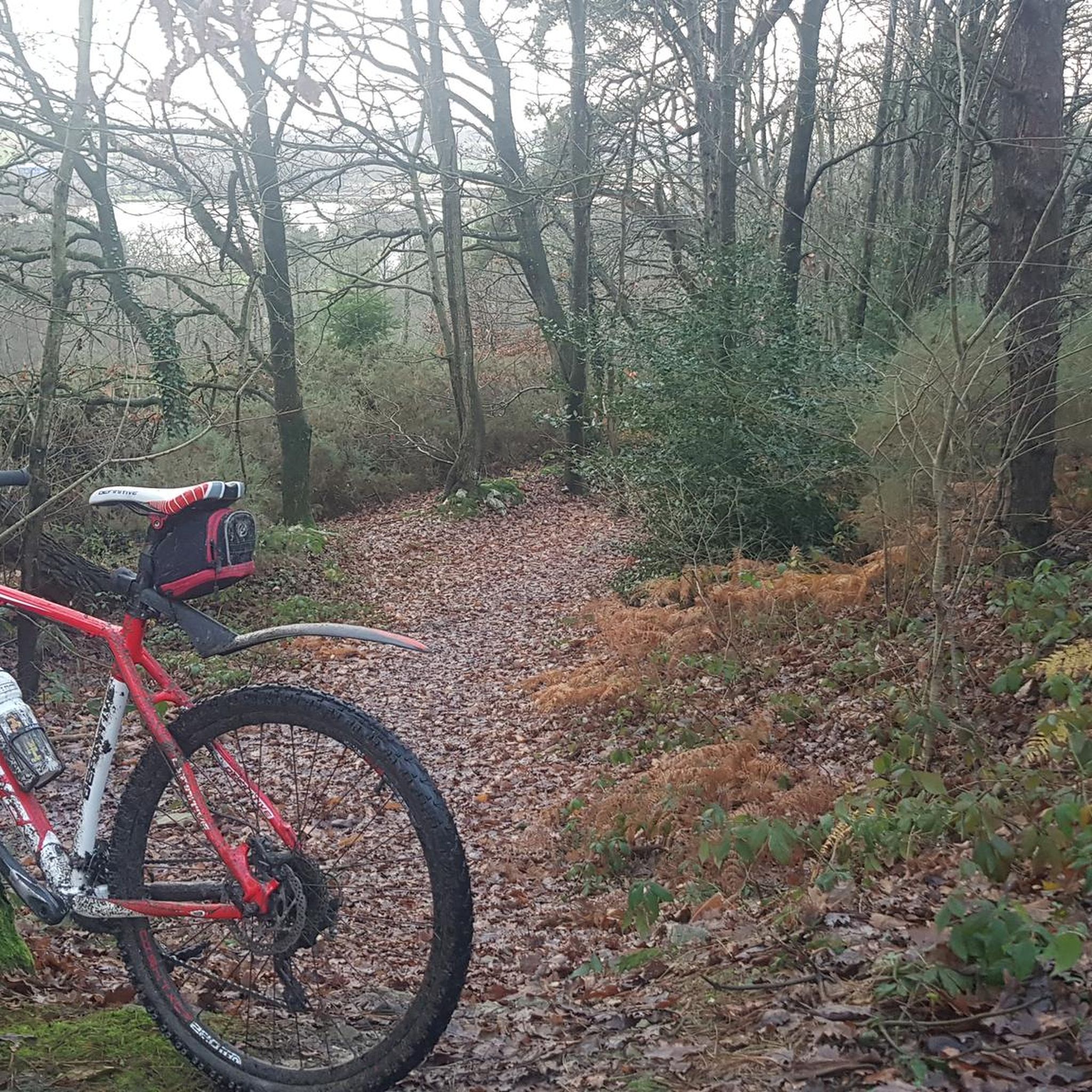
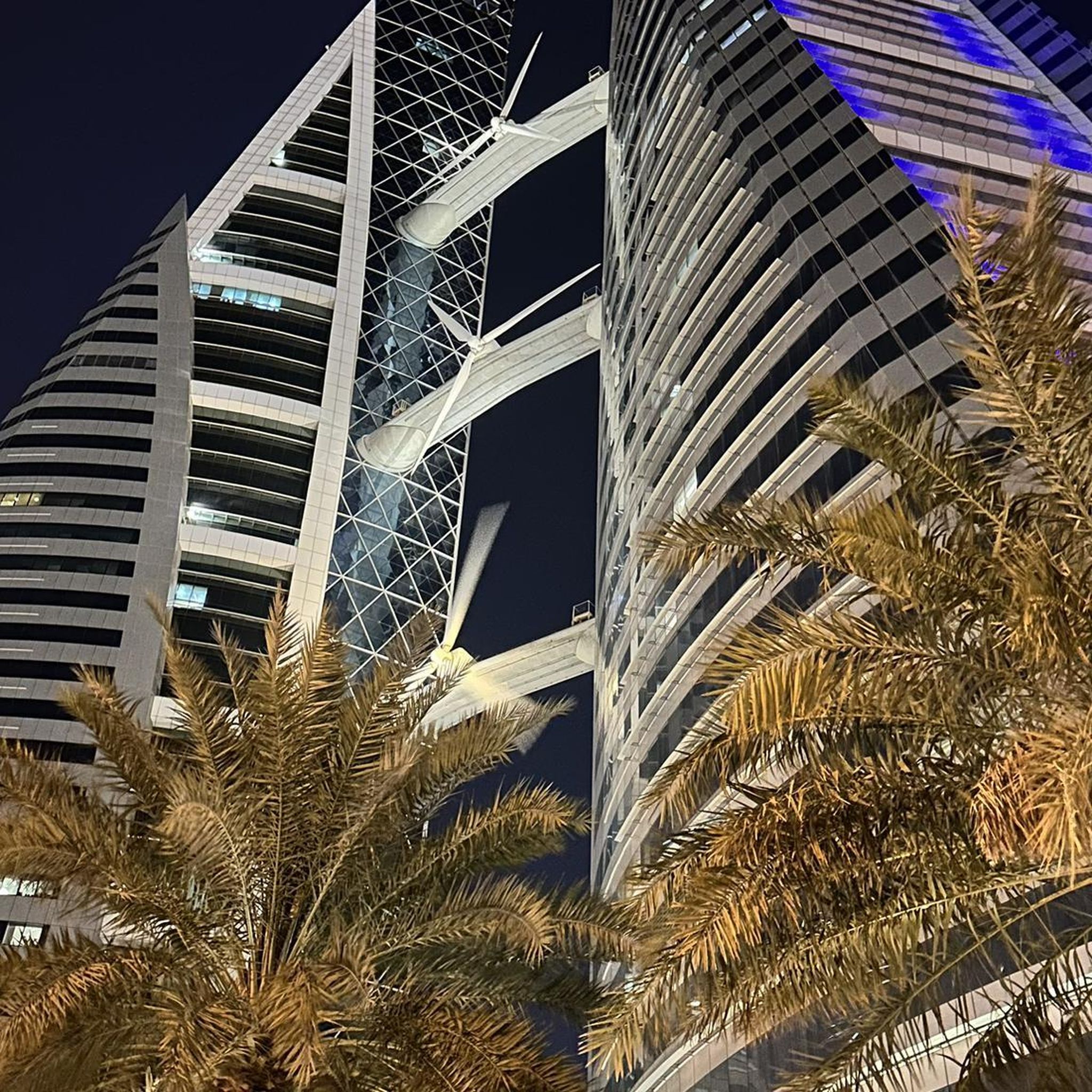
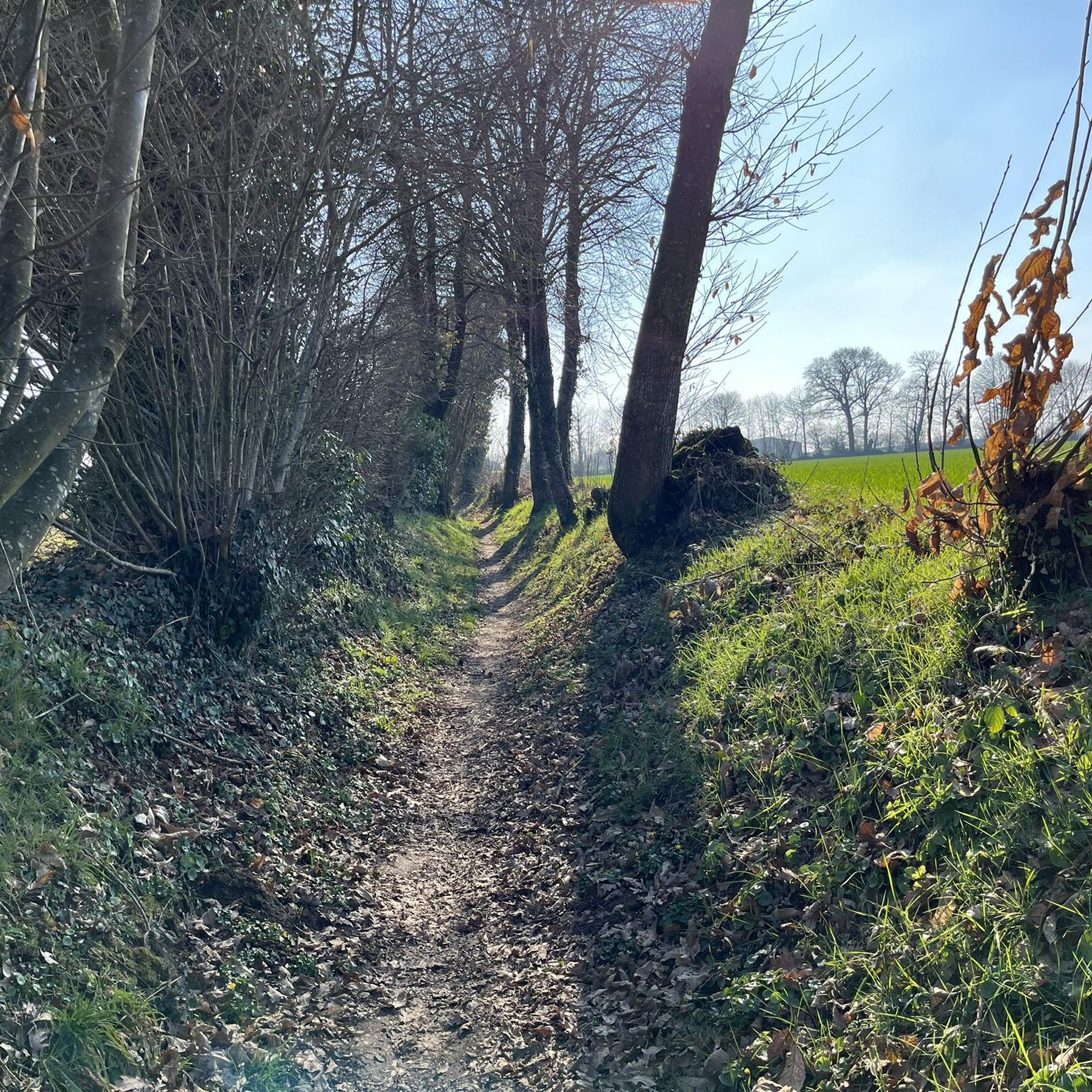

Tips from the Community

The old church of Broons was destroyed in 1843. A new building, consecrated in 1846, was built on its site. Plans from 1839 of the church tower signed by Auguste Marchand are kept in the departmental archives.
0
0
Old church mentioned as early as 1160 and rebuilt in the 16th and 17th centuries (old tower dated 1582). The current church was entirely built to the plans of Arthur Regnault in 1904 (date and attribution by source). He uses the model of the so-called Plantagenet vaulted ceiling for the covering of the nave and aisles, but for the bell tower, he draws inspiration from Cornish bell walls. Two windows from the late 15th and 16th centuries of the old church were reused on the south side of the nave. This church, rebuilt in the Breton flamboyant style, is representative of the architect's style during this period.
0
0
The bell tower is visible from afar and has long dominated the town and its surroundings. The Saint-Pierre church has retained its impact on the local landscape for over a century. It was indeed in 1888 that the Fabrique Council decided to entrust Arthur Régnault, the diocese's architect, with the project for a new construction. His plan was accepted and work began in October 1889, before the blessing of the first stone on March 13, 1890. As an anecdote, the stones are extracted from the quarry of La Bouëxière. Quickly, the inhabitants discovered its citadel-like appearance, Arthur Régnault having wanted to honor the city of Châteaubourg which had not had a castle for a long time! The structural work was completed on March 28, 1893, but due to lack of funds, the bells would wait until 1894. The work on the woodwork and the construction of the high altar took place in 1911, the church being due to host the important Eucharistic congress of 1913. Maintenance work continued over the years, the church having become the property of the municipality since 1905. During the bombings of the summer of 1944, the church was spared. The inhabitants would not forget it: on May 9, 1945, the day after the armistice, the men carried Notre Dame de Boulogne in procession and paraded barefoot through the streets. The centenary was celebrated in 1992 with the decision to install the current organ. The church of Châteaubourg has thus traversed local history from the 15th century – the date of construction of the previous, much smaller church – to that designed by Arthur Régnault.
0
0
15th-century church. Choir remodeled in the 17th century during the construction of the altarpiece. North transept arm built in 1662. Nave remodeled in the 19th century: vaulting, side walls, enlargement of a bay with reuse of the portal, repair of the buttresses. In 1903, restoration of the roof and masonry by Arthur Regnault, choir mosaics by Odorico recently covered. 16th-century enclosure cross.
0
0
This parish belonged to the Collegiate Church Notre Dame de VITRE until the year 1116. It was then handed over to the Abbey of Saint Melaine (in RENNES). SAINT-DIDIER, the patron saint of the Parish, is undoubtedly the holy bishop of RENNES who lived at the end of the 7th century. His statue is part of the altarpiece of the high altar (1721), as well as that of Saint GOLVEN.
0
0

A prosperous trading town since the Middle Ages, Vitré has preserved its well-preserved heritage. With its fortified castle, cobbled streets, and half-timbered houses, the town offers plenty to see and do, making it perfect for a stroll. It's the perfect place to soak up the Breton atmosphere.
0
0

The route is not up to date: almost only the road, not paths but sidewalks. Very beautiful castle
0
0

Four of the six original towers of Château de Châteaugiron have been preserved. This medieval fortress houses the Gourdel museum.
2
0
Frequently Asked Questions
How many road cycling routes are available around Saint-Jean-Sur-Vilaine?
There are over 470 road cycling routes in the Saint-Jean-Sur-Vilaine region, catering to various skill levels. This includes approximately 80 easy routes, over 370 moderate routes, and 18 challenging options for experienced cyclists.
What kind of terrain can I expect on road cycling routes in Saint-Jean-Sur-Vilaine?
The region features a landscape characterized by rolling terrain, agricultural areas, and waterways. You'll primarily ride on rural roads connecting small villages, historical mills, and local landmarks. The elevation gains indicate a gently undulating profile, offering a varied but generally accessible road cycling experience.
Are there any easy road cycling routes suitable for beginners in Saint-Jean-Sur-Vilaine?
Yes, Saint-Jean-Sur-Vilaine offers around 80 easy road cycling routes. These routes typically feature gentler gradients and are perfect for those new to road cycling or looking for a relaxed ride through the countryside.
What are some scenic viewpoints or landmarks I can see along the road cycling routes?
Many routes pass by notable landmarks and scenic spots. You might encounter historical mills, such as those on the View of Acigné Mill – Acigné Bridge loop from Les Lacs. Other routes connect local churches like the Notre-Dame Church – Saint-Marse Church of Bais loop from Les Lacs, offering a glimpse into the region's heritage. You can also find beautiful natural features like Étang de la Corbière or Cantache Pond.
Are there any road cycling routes that include lakes or ponds?
Absolutely. The region is known for its natural features, including several lakes and ponds. For example, the Miniatures Henri Chesnais – Lac de Vern-sur-Seiche loop from Les Lacs leads through varied scenery including Lac de Vern-sur-Seiche. You can also find the Chevré Mill and Pond along routes like the Chevré Mill and Pond – Acigné Bridge loop from Les Lacs.
What do other road cyclists say about the routes in Saint-Jean-Sur-Vilaine?
The road cycling routes in Saint-Jean-Sur-Vilaine are highly rated by the komoot community, with an average score of 4.5 stars from over 80 reviews. Cyclists often praise the varied terrain, the peaceful rural roads, and the opportunity to explore historical sites and natural beauty like lakes and mills.
Are there any challenging road cycling routes for experienced riders?
While the majority of routes are moderate, Saint-Jean-Sur-Vilaine does offer 18 challenging road cycling routes. These routes typically feature more significant elevation gains and longer distances, providing a good test for experienced cyclists looking for a demanding ride.
Can I find loop routes for road cycling in Saint-Jean-Sur-Vilaine?
Yes, many of the road cycling routes in the area are designed as loops, allowing you to start and end at the same point. Examples include the Miniatures Henri Chesnais loop from Saint-Jean-sur-Vilaine and the View of Acigné Mill – Acigné Bridge loop from Les Lacs.
What historical sites can I visit while road cycling in the region?
The routes often pass by historical points of interest. You can visit the impressive Vitré Castle, explore the architecture of Notre-Dame Church, or discover various historical mills scattered throughout the countryside.
What is the typical duration for road cycling routes in Saint-Jean-Sur-Vilaine?
Route durations vary depending on distance and your pace. For example, a moderate route like the View of Acigné Mill – Acigné Bridge loop from Les Lacs (63.7 km) typically takes around 2 hours 41 minutes, while the Miniatures Henri Chesnais – Lac de Vern-sur-Seiche loop from Les Lacs (66.3 km) is often completed in about 2 hours 54 minutes.
Are there any routes that explore the local villages and rural areas?
Yes, the road cycling network in Saint-Jean-Sur-Vilaine is characterized by rural roads connecting small villages. Many routes are designed to take you through the heart of the local countryside, offering a tranquil experience away from busier roads and a chance to see local life.
Most popular routes around Saint-Jean-Sur-Vilaine
Most popular attractions around Saint-Jean-Sur-Vilaine

Get inspired with the komoot mobile app


Explore more
Browse the best Road cycling routes in other regions.
