The best road cycling routes around Saint-Estèphe
4.1
(16)
730
riders
273
rides
Road cycling around Saint-Estèphe is characterized by its distinctive landscapes, featuring gravelly hills that overlook the Gironde estuary. The terrain is undulating, transitioning from expansive vineyards to the banks of Europe's largest estuary, offering diverse scenery. Cyclists can explore well-drained gravel rises, clay-limestone soils, and the "river road" along the Gironde, which provides serene views. Further inland, the landscape includes marshes, forests, and small Médocan villages, creating varied backdrops for road cycling routes.
Best road cycling routes around Saint-Estèphe
- The…
Last updated: July 2, 2026
16
riders
56.8km
02:30
490m
490m
Moderate road ride. Good fitness required. Mostly well-paved surfaces and easy to ride.
12
riders
39.5km
01:42
360m
360m
Moderate road ride. Good fitness required. Mostly well-paved surfaces and easy to ride.

Sign up for free
5.0
(1)
8
riders
74.1km
03:41
920m
920m
Hard road ride. Very good fitness required. Mostly well-paved surfaces and easy to ride.
6
riders
75.4km
03:12
560m
560m
Moderate road ride. Good fitness required. Mostly well-paved surfaces and easy to ride.
6
riders
Moderate road ride. Good fitness required. Mostly well-paved surfaces and easy to ride.
Get access to more routes and recommendations from other explorers.
Sign up for free
Already have an account?
Our route recommendations are based on thousands of hikes, rides, and runs completed by other people on komoot.
Start today with a free account
Your next adventure awaits.
Login or Signup



Tips from the Community

Javerlhac Castle was rebuilt around 1498 by Dauphin Pastoureau, a master blacksmith in Nontron. It is typical of Périgord manor houses, with a rectangular dwelling, a large round tower with machicolations decorated with trefoils, and a polygonal tower housing a spiral staircase. The castle retains defensive features such as gun ports, despite modernization in the early 19th century. It burned down in 1369 during the Hundred Years' War and has undergone several reconstructions. Privately owned, its facades and roofs have been listed as historic monuments since 1974.
2
0

beautiful old mill at Flow Velo
0
0


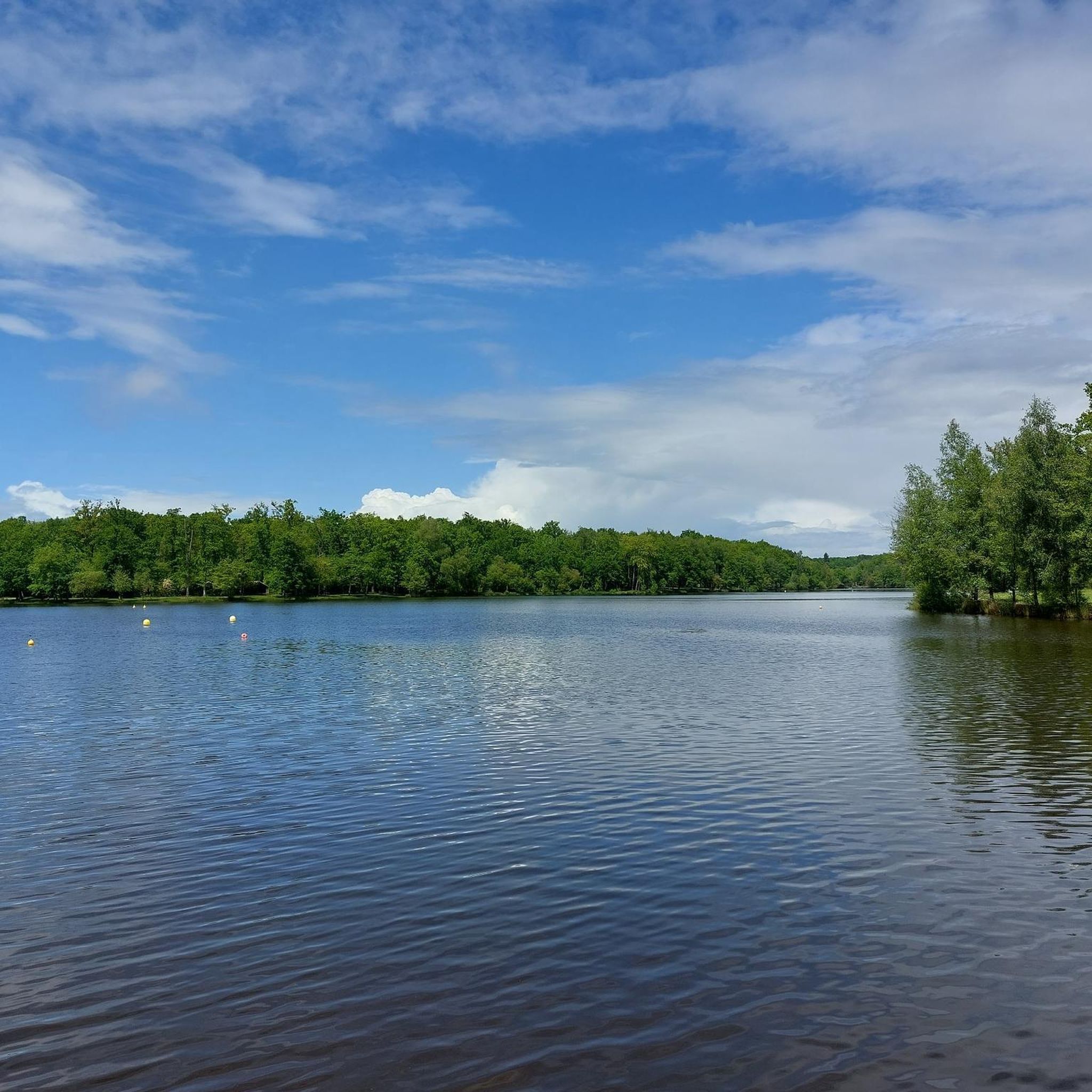
domaine du bandiat, idyll, pleasure and pure romance
0
0

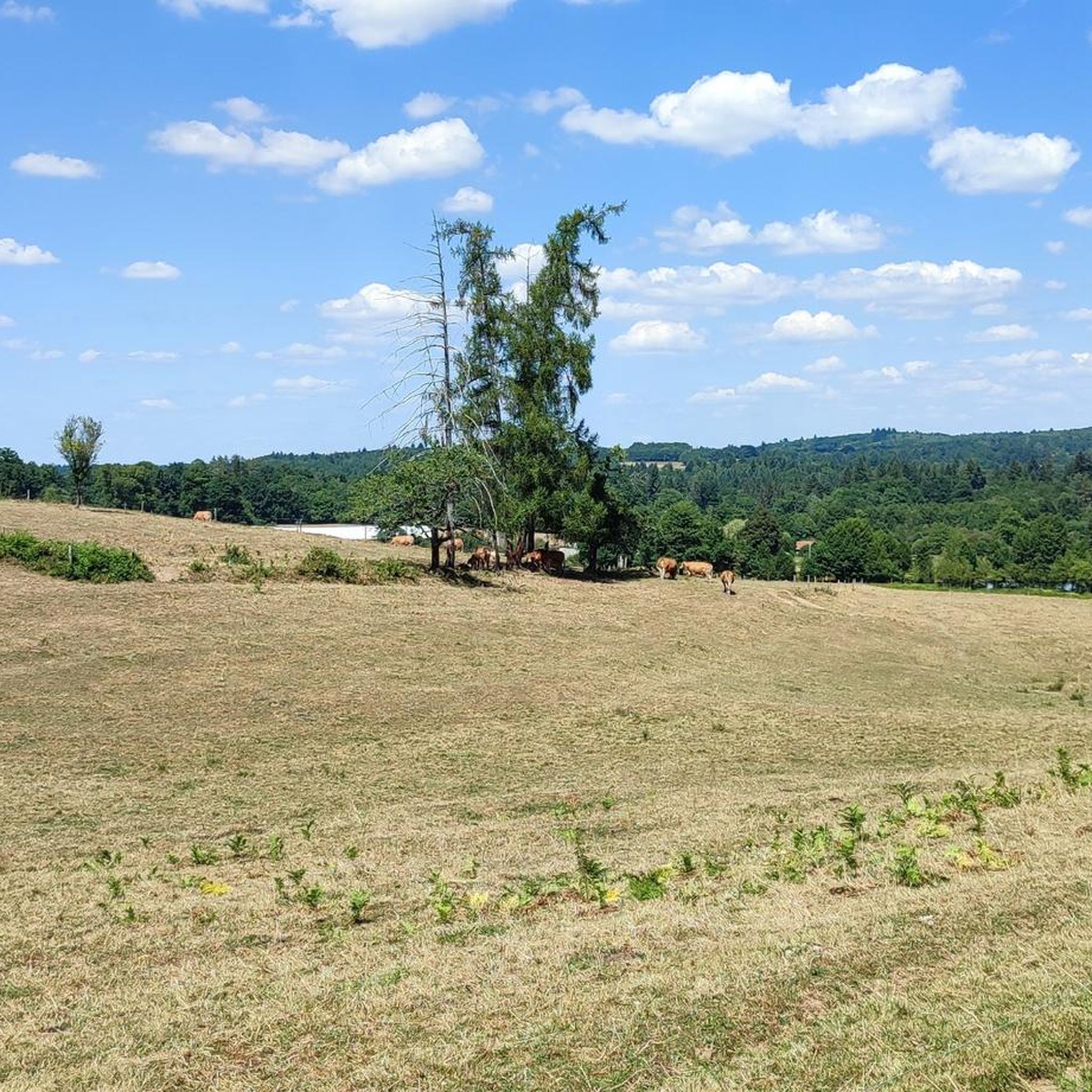
Very beautiful castle. Unfortunately you can only visit it from the outside
1
0
Very beautiful mill from the 18th century. Beautifully embedded in the landscape.
2
0

Using the power of moving water to drive a mill wheel is an ancient invention that dates back to pre-Christian times. Thanks to such a construction, human or animal muscle power could be easily replaced by a watercourse - natural or artificial - in order to grind grain into corn or press oil from fruit, for example. There are essentially two different ways of driving watermills: either the water simply hits the blades of the water wheel from below to set it in motion; or the water is guided above the wheel and falls onto the blades; this type of construction is more efficient due to natural gravity.
5
0
Frequently Asked Questions
How many road cycling routes are available in Saint-Estèphe?
There are over 260 road cycling routes around Saint-Estèphe, catering to various fitness levels. You'll find a good mix, with 12 easy routes, over 200 moderate options, and 57 more challenging rides to explore the region's diverse landscapes.
What makes road cycling in Saint-Estèphe unique?
Road cycling in Saint-Estèphe offers a distinctive experience due to its unique terroir. You'll ride through undulating gravelly hills overlooking the Gironde estuary, past prestigious vineyards, and historic châteaux. The 'river road' provides serene views of Europe's largest estuary, complete with traditional wooden fishing huts known as carrelets. The landscape transitions from expansive vineyards to marshes, forests, and charming Médocan villages, offering varied backdrops for your rides.
Are there road cycling routes suitable for beginners in Saint-Estèphe?
Yes, Saint-Estèphe offers several routes suitable for beginners. There are 12 easy routes available, characterized by generally well-paved surfaces and gentle gradients through the vineyards, making them accessible for those new to road cycling or looking for a relaxed ride.
What kind of terrain can I expect on road cycling routes in Saint-Estèphe?
You can expect varied terrain in Saint-Estèphe. The region is known for its undulating gravelly hills and clay-limestone soils, providing engaging, rolling landscapes. Routes often feature well-paved surfaces through vineyards, alongside the Gironde estuary on the 'river road', and through small Médocan villages. While there are gentle gradients, some routes will include more significant elevation changes, particularly in the vineyard areas.
What are some notable landmarks or attractions I can see while cycling in Saint-Estèphe?
As you cycle through Saint-Estèphe, you'll encounter numerous points of interest. The region is famous for its prestigious châteaux, including Grands Crus Classés like Château Cos d'Estournel and Château Montrose. Along the estuary, you can spot traditional carrelets. Other nearby attractions include Le Moulin Martin, Javerlhac Castle, and the unique The Rocking Stone. Many routes also pass through charming villages and offer views of the Saint-Estèphe Pond.
Are there any circular road cycling routes in Saint-Estèphe?
Yes, many of the road cycling routes in Saint-Estèphe are designed as loops, allowing you to start and finish in the same location. For example, you could try the After the effort 🥵 – Church and castle loop from Piégut-Pluviers or the Le Moulin – Pensol Church loop from Piégut-Pluviers, both offering a great way to explore the region without retracing your steps.
What do other road cyclists enjoy most about cycling in Saint-Estèphe?
The komoot community highly rates road cycling in Saint-Estèphe, with an average score of 4.1 stars from over 13 reviews. Cyclists frequently praise the beautiful scenery, the combination of vineyard and estuary views, and the opportunity to pass by historic châteaux. The varied terrain, from gentle vineyard roads to more undulating sections, also contributes to a rewarding experience.
Can I find family-friendly road cycling routes in Saint-Estèphe?
While many routes in Saint-Estèphe involve some elevation, there are 12 easy routes that could be suitable for families, especially those with some cycling experience. These routes often feature well-paved surfaces through quieter vineyard areas or along the flatter sections of the estuary, providing a pleasant and safe environment for family rides.
Are there specific routes that highlight the region's famous vineyards and châteaux?
Absolutely. Many routes are specifically designed to traverse the 1250 hectares of vineyards and pass by the rich architecture of the châteaux. The 'Château Road' (Route des Châteaux) is a famous path that allows cyclists to experience the heart of the Médoc's wine country, offering views of internationally recognized estates and opportunities for cultural discovery.
What is the best time of year to go road cycling in Saint-Estèphe?
The region's landscape offers a natural spectacle that evolves throughout the year, making spring and autumn particularly refreshing times for a ride. During these seasons, the weather is typically mild, and the chromatic contrast between the blue sky, the brown of the estuary, and the intense green or autumnal hues of the vineyards is at its most striking. Summer can also be pleasant, especially in the mornings or late afternoons, but be mindful of warmer temperatures.
Are there any quiet or less-trafficked road cycling routes in Saint-Estèphe?
Yes, many routes wind through the extensive vineyards and smaller Médocan villages, often on quieter roads with less traffic. The 'river road' along the Gironde estuary also offers a serene cycling experience away from main thoroughfares. Exploring the numerous moderate routes, such as the Saint-Pardoux-la-Rivière – Mialet Village Center loop from Piégut-Pluviers, can lead you to peaceful stretches of road.
Most popular routes around Saint-Estèphe
Most popular attractions around Saint-Estèphe

Get inspired with the komoot mobile app


Explore more
Browse the best Road cycling routes in other regions.
