Attractions and Places To See around Fontaines-En-Duesmois - Top 10
Best attractions and places to see around Fontaines-En-Duesmois include historical landmarks, natural springs, and forested areas in the Côte-d'Or department of France. The village is situated in a karstic landscape, characterized by underground water flows that feed numerous springs. Visitors can explore a blend of historical structures and natural beauty, including ancient fortifications and significant religious buildings. The area offers a tranquil setting with agricultural lands and extensive forests.
Best attractions and places to see around Fontaines-En-Duesmois
- The most popular…
Last updated: July 6, 2026
Fontenay Abbey
Highlight • Religious Site
Translated by Google •
Tip by

Pont Brémur
Highlight • Bridge
Tip by

Sign up now to discover places like this
Get recommendations on the best single tracks, peaks, & plenty of other exciting outdoor places.
Sign up for free
Villaines-en-Duesmois Castle
Highlight • Castle
Translated by Google •
Tip by
Rocheprise Castle
Highlight • Castle
Tip by
Enchanting picnic area
Highlight • Rest Area
A few meters from a …
Translated by Google •
Tip by

Sign up for free to discover even more attractions around Fontaines-En-Duesmois.
Sign up for free
Already have an account?
Start today with a free account
Your next adventure awaits.
Login or Signup


Tips from the Community

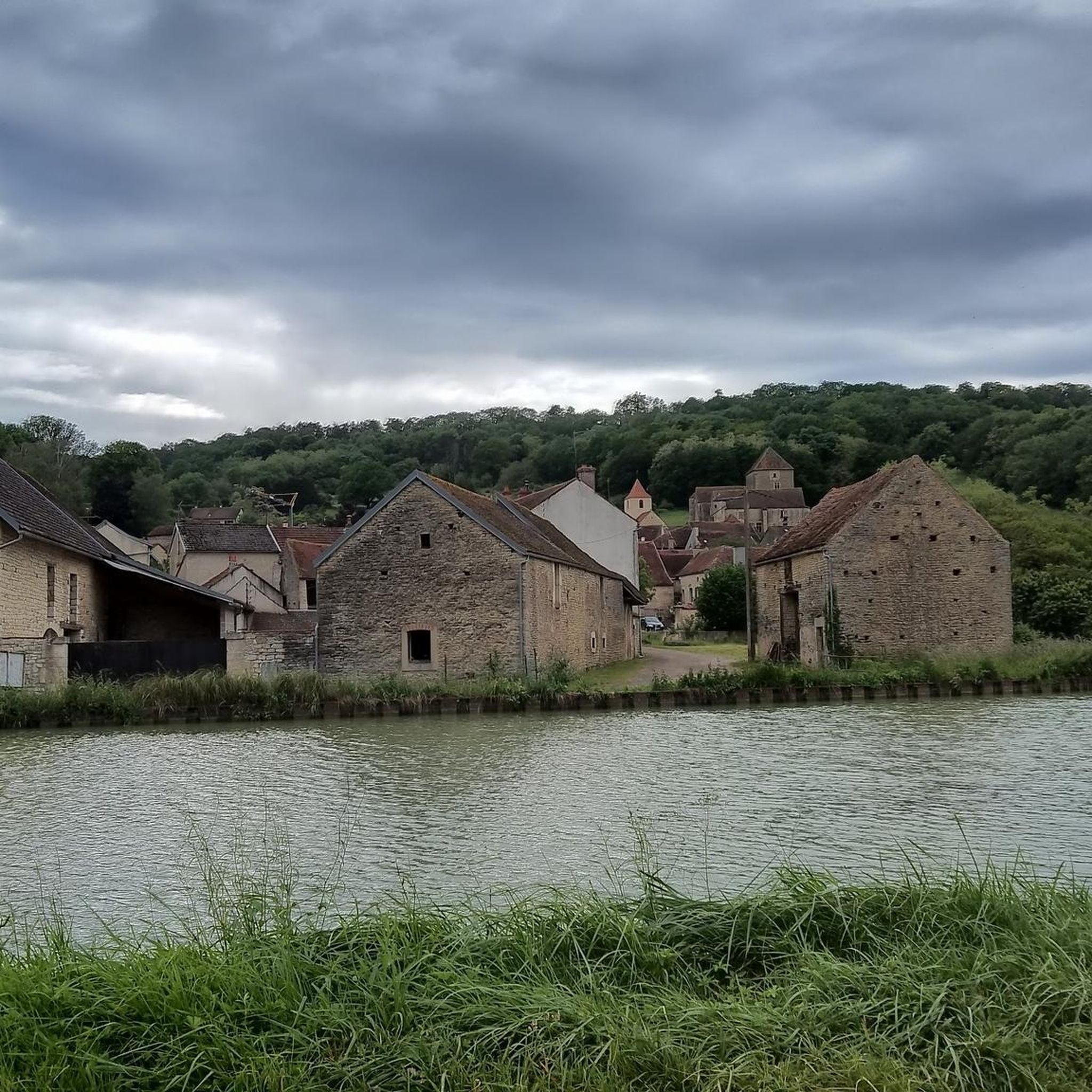
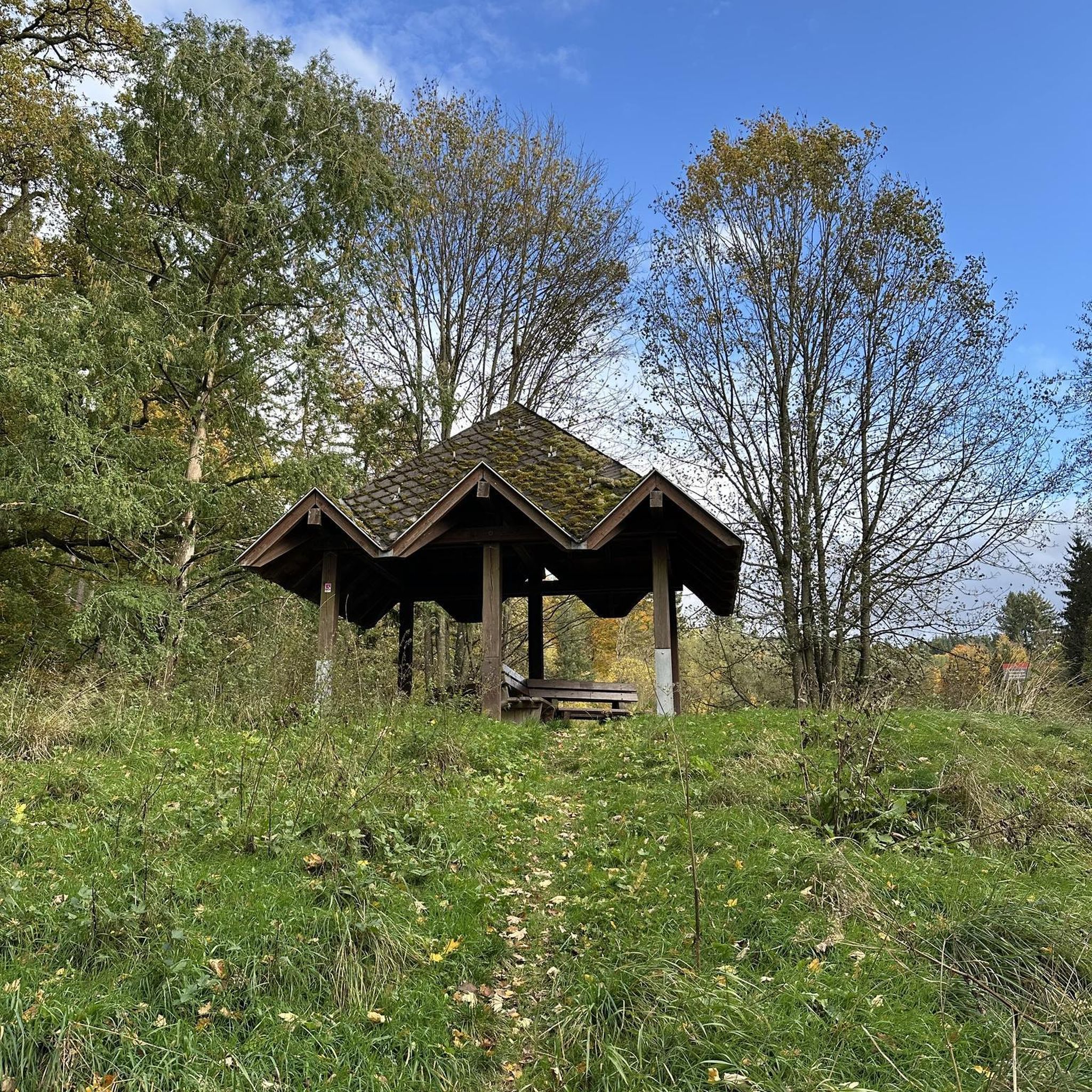
Superb place set up for picnicking, or even bivouacking, at the foot of the village of Touillon, which is reached by a steep descent path. A few meters from a perfectly restored and magnificent old wash house. On the banks of the Fontenay which then widens into a reservoir and river. Charming wooden and stone bridges leading to a tower spanning the stream.
0
0

The Abbey of Fontenay, like all monasteries and places of worship, was, of course, founded or built first and foremost as a place of prayer. Due to its outstanding significance, it has also been honored with the title of "World Heritage Site" by UNESCO. The German-language television series "Treasures of the World – Heritage of Humanity" documents these special sites around the world in quarter-hour segments. One episode also deals with this abbey, and the website reads: * "France at the end of the 11th century. Christianity has prevailed. The noble abbots of the Benedictine monasteries live in prosperity. The monastic ideal of poverty and modesty seems to have been forgotten. A new order is founded in Burgundy. It calls its followers to return to early Christian ideals: to work and poverty, to humility and seclusion from the world. The monks establish their first monastery, "Citeaux," after which they later call themselves Cistercians. The order grows rapidly. The monks clear the forests and regulate the rivers. Their religious houses soon spread throughout France, even to Germany. The Fontenay Abbey is also founded under them." The film is available in the ARD media library at the following link =>> https://www.ardmediathek.de/video/schaetze-der-welt/fontenay-frankreich-folge-11/swr/Y3JpZDovL3N3ci5kZS83MjQ3MjIw
3
1
The Abbey of Fontenay was, like all monasteries and places of worship, of course founded or built first and foremost as a place of prayer. Due to its outstanding importance, it has also been "ennobled" by UNESCO with the title of "World Cultural Heritage". The German-language television series "Treasures of the World - Heritage of Humanity" documents these special sites all over the world in quarter-hour contributions. One episode also deals with this abbey, on the website you can read: * "France at the end of the 11th century. Christianity has prevailed. The noble abbots of the Benedictine monasteries live in prosperity. The monks' ideal of poverty and modesty seems to have been forgotten. A new order is founded in Burgundy. It calls on its followers to return to original Christian ideals: to work and poverty, to humility and seclusion from the world. The monks found their first monastery "Citeaux", after which they later call themselves Cistercians. The religious order grows quickly. The monks clear the forests and regulate the rivers. Their religious houses soon spread across France and into Germany. The Fontenay monastery was founded under them." The film is available in the ARD media library at the following link: => https://www.ardmediathek.de/video/schaetze-der-welt/fontenay-frankreich-folge-11/swr/Y3JpZDovL3N3ci5kZS83MjQ3MjIw
5
0

Beautiful sight. But there is only a small sign. A visit is not possible.
3
0
The world heritage monastery is worth a visit. However, there is an entrance fee.
3
0

A world heritage abbey from the 12th century. Its territory extends over 1200 ha. The Abbey is decorated with a landscaped park classified in 2004 as a “Remarkable Garden” by the National Council of Parks and Gardens. You can book tickets in advance to visit this place on this site: https://www.abbayedefontenay.com the price starts from 9 euros.
2
0

Founded by Saint Bernard in 1118, Fontenay Abbey is one of the oldest Cistercian monasteries in Europe. The Romanesque architecture gives a remarkable homogeneity to the 12th-century buildings that have remained intact after more than eight centuries of history. The visitor discovers successively the church, the cloister, the monks' dormitory, the chapter house, the scriptorium and the great forge. After visiting the monastery, garden lovers can freely stroll through the two-hectare park and admire the new landscaped garden with numerous species of plants and shrubs. Fontenay Abbey is now privately owned and was one of the first French sites to be inscribed on the UNESCO World Heritage List in 1981. The former monastery is located in a listed and fully preserved valley. The hiking trails invite you to numerous walks through the beech and ash forest. Admission is currently 11 euros, but it's worth it ;-)
2
0

Very beautiful and impressive. It's very quiet here. Everything is lovingly cared for. It still breathes something of the history of the monastery. A special place.
3
0
Frequently Asked Questions
What historical sites can I explore in and around Fontaines-en-Duesmois?
The area is rich in history. You can visit the 16th-century Chapelle Saint-Nicolas and Lavoir, built over a natural spring, and the Église Saint-Germain d'Auxerre, also from the 16th century, which houses a remarkable stained glass window. Further historical structures include the 12th-century Cistercian Grange and Chapel in Émorots, remains of 15th and 16th-century fortifications, and a small 16th-century manor. Don't miss the Fontenay Abbey, a UNESCO World Heritage Site and a prime example of Cistercian Romanesque architecture.
Are there any family-friendly attractions near Fontaines-en-Duesmois?
Yes, several attractions are suitable for families. The Fontenay Abbey offers an engaging historical experience for all ages, including its ancient forge where iron was processed. The picturesque rural landscape with its forests and natural springs also provides opportunities for gentle walks and exploring nature.
What natural features are prominent in the Fontaines-en-Duesmois region?
The region is characterized by its karstic landscape, featuring numerous natural springs, most notably the source beneath the Saint-Nicolas chapel, which gives the village its name. You'll also find the local pond, Étang de Noitant, extensive forest areas like Bois de l'Évoy, and various valleys known as 'combes.' The Laigne stream also flows through the area.
What outdoor activities can I do near these attractions?
The area around Fontaines-en-Duesmois is ideal for various outdoor activities. You can find numerous routes for running, mountain biking, and road cycling. For detailed routes, explore the Running Trails around Fontaines-En-Duesmois, MTB Trails around Fontaines-En-Duesmois, and Road Cycling Routes around Fontaines-En-Duesmois.
Are there any castles or fortifications to visit?
Yes, you can discover the ruins of Villaines-en-Duesmois Castle, where only four of the original seven towers remain. Additionally, traces of 15th and 16th-century fortifications, including a restored tower, can be found within the village. The private Rocheprise Castle is also visible from the D971, adding to the historical landscape.
What is the best time to visit Fontaines-en-Duesmois for outdoor activities?
Given the region's agricultural landscape, forests, and natural springs, spring, summer, and early autumn are generally the best times to visit. The weather is typically pleasant for exploring historical sites, enjoying walks, and engaging in cycling or running activities amidst the natural beauty.
What are some lesser-known historical points of interest in the village?
Beyond the main landmarks, you can find the remains of an old mill, hinting at the village's industrial past. Near the Chapelle Saint-Nicolas, there is also a 'motte castrale,' a feudal mound that was once the residence of local lords, indicating a much older history of habitation and defense.
What do visitors enjoy most about the attractions around Fontaines-en-Duesmois?
Visitors particularly appreciate the historical significance and serene atmosphere of sites like Fontenay Abbey, often noting its well-preserved architecture and peaceful surroundings. The rural charm, natural beauty, and opportunities for quiet exploration are also highly valued by those seeking a connection with nature and history.
Can I find any ancient burial sites or prehistoric traces in the area?
Yes, the Tumulus de la Come, an ancient burial mound located near the Combe-là-Haut farm, suggests prehistoric human presence in the area, offering a glimpse into its very distant past.
Are there any notable bridges or viewpoints in the vicinity?
You can visit Pont Brémur, a quiet spot by the river away from the main road, which offers picnic benches and a nice corner in the heart of the Parc des Forêts. It's a pleasant place to rest and enjoy the view.
What cultural heritage does Fontaines-en-Duesmois offer?
The village's cultural heritage is deeply rooted in its historical architecture and religious art, evident in its churches and chapels. Beyond specific sites, the overall historical context, including its past connections to figures like Georges-Louis Leclerc de Buffon and attempts at silkworm cultivation in the 19th century, contributes to its unique cultural fabric.
Most popular routes around Fontaines-En-Duesmois

Get inspired with the komoot mobile app


Explore more
Still not found the Highlight you’re looking for? See guides of the top attractions in other regions:
