Attractions and Places To See around Coulmier-Le-Sec - Top 12
Best attractions and places to see around Coulmier-Le-Sec, a village in the Côte-d'Or department of Burgundy, France, offer a blend of historical sites and natural features. The area is characterized by its unique heritage, including ancient religious buildings, historical monuments, and distinctive natural formations. Visitors can explore sites that reflect the region's past and its geological characteristics.
Best attractions and places to see around Coulmier-Le-Sec
- The most popular attractions is Douix Spring, a natural monument that is one of…
Last updated: July 7, 2026
Douix Spring
Highlight • Natural
Translated by Google •
Tip by

Castle of the Dukes of Burgundy (ruins)
Highlight • Castle
Translated by Google •
Tip by

Sign up now to discover places like this
Get recommendations on the best single tracks, peaks, & plenty of other exciting outdoor places.
Sign up for free
Saint Vorles Church
Highlight • Historical Site
Translated by Google •
Tip by

Pont Brémur
Highlight • Bridge
Tip by

Villaines-en-Duesmois Castle
Highlight • Castle
Translated by Google •
Tip by

Sign up for free to discover even more attractions around Coulmier-Le-Sec.
Sign up for free
Already have an account?
Start today with a free account
Your next adventure awaits.
Login or Signup

Tips from the Community

A very beautiful spring and a lovely place to unwind and let your soul wander.
1
0

The Douix or Douix de Châtillon is an abundant outflow at the origin of a short river of the same name which feeds the upper course of the Seine. The place is calm and idyllic as desired 👍🏽
1
0
The cemetery is now located in the castle courtyard
1
0

Very beautiful church with a view of the Chatillonais
2
0

Beautiful sight. But there is only a small sign. A visit is not possible.
3
0

St. Vorles is one of the oldest Romanesque churches in Burgundy. It towers over the town of Chatillon sur Seine and features an important group of stone sculptures - the Lamentation of Jesus Christ
2
0

Stairs lead up from the old town to the beautiful 991 Catholic Église Saint-Vorles, it has been beautifully restored, the cemetery behind is special and the old remains of the castle are still there.
0
0
It is one of the oldest aquatic sanctuaries in Europe. One of the most beautiful karstic springs in France which never dries up and enchants with a wonderfully green environment.
1
0
Frequently Asked Questions
What historical sites can I explore in Coulmier-Le-Sec?
Coulmier-Le-Sec is rich in history. You can visit the Église Saint-Germain d'Auxerre, a historical monument dating back to the 13th century, known for its classic-style portico and Romanesque basilica shape. The village also features several 19th-century Calvaries and the Maison des Templiers, a 13th-century former Templar commandery. Nearby, you can explore the ruins of the Castle of the Dukes of Burgundy and the ancient Saint Vorles Church, one of Burgundy's oldest Romanesque churches.
Are there any unique natural features to visit in Coulmier-Le-Sec?
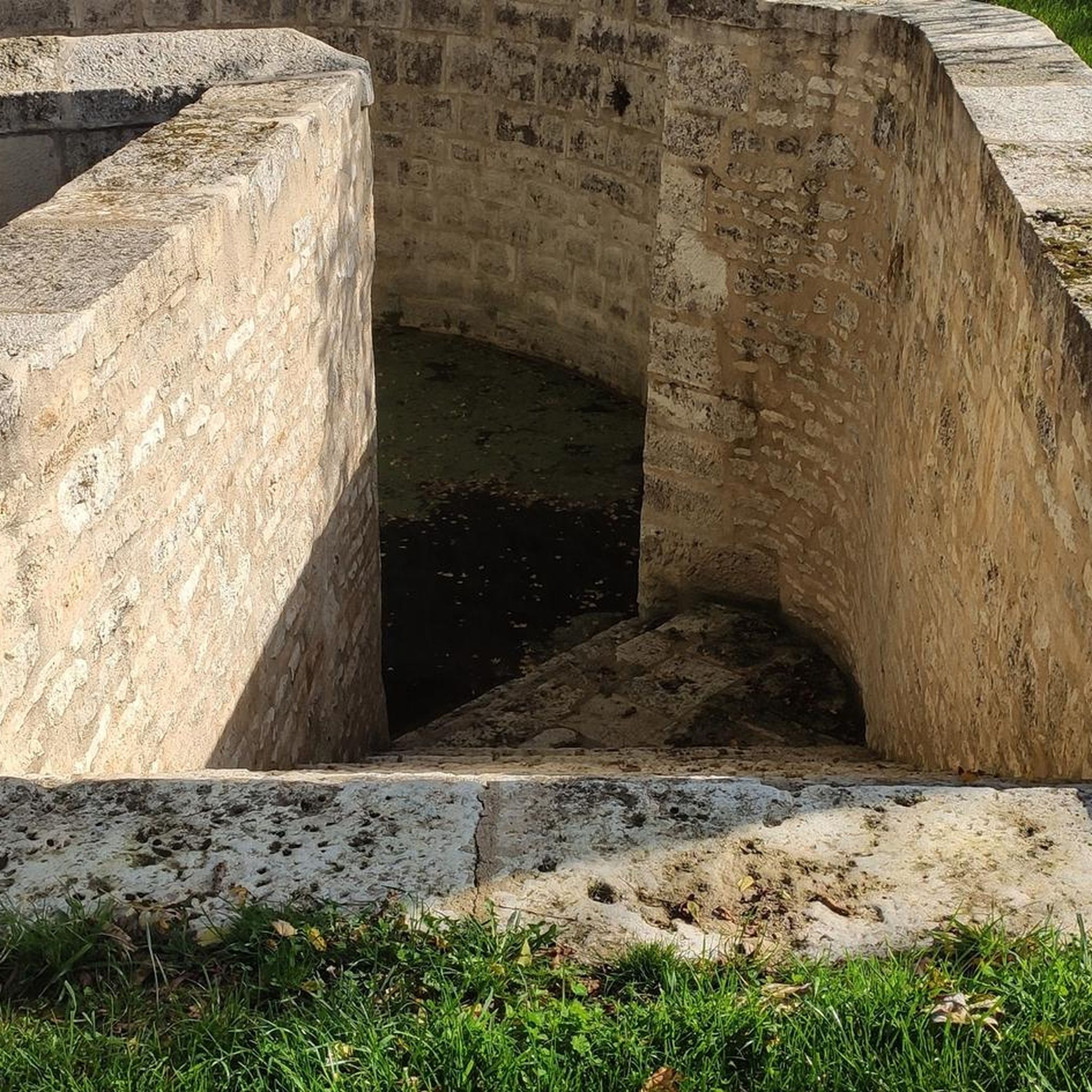
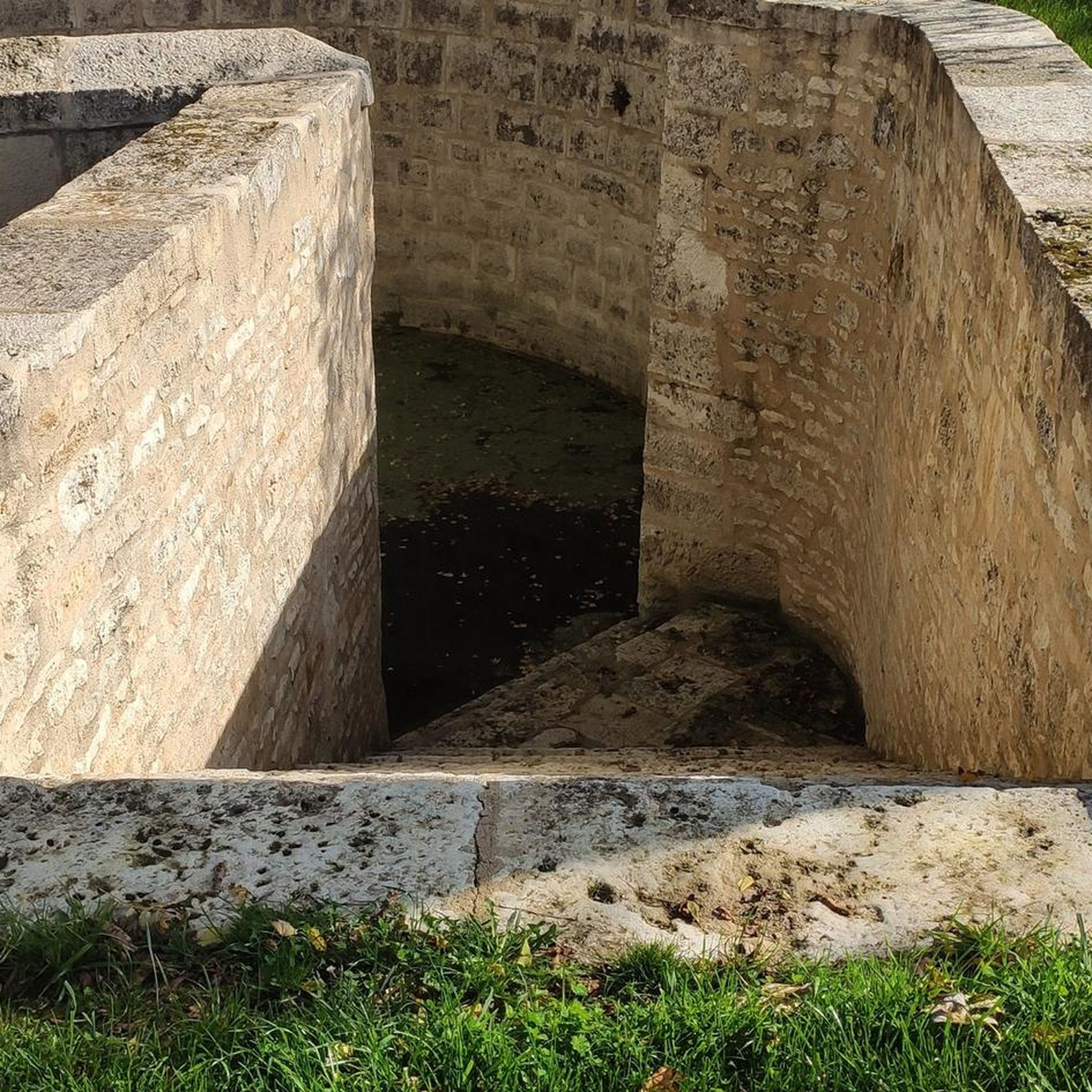
Yes, Coulmier-Le-Sec offers several distinctive natural features. The most notable is La Fosse, a monumental 18th-century reservoir unique in France, built to collect rainwater. It has never run dry and features a winding staircase. You can also find two original rocks resembling Menhirs on the edge of the village walls, which may have served as ancient boundary markers. The Douix Spring, one of Europe's oldest aquatic sanctuaries, is also a must-see natural monument nearby.
What kind of outdoor activities are available near Coulmier-Le-Sec?
The area around Coulmier-Le-Sec is excellent for outdoor activities. You can find numerous hiking and cycling routes. For hiking, options range from easy to moderate, such as the "Pertuis au Loup bridge – Douix Spring loop" or the "Fontenay Abbey – Forge at Fontenay Abbey loop." Cyclists can enjoy road cycling routes like the "Rochefort-sur-Brévon – Lake on Le Brévon loop" or more general cycling tours. You can find detailed routes and guides for these activities on the hiking, road cycling, and cycling guide pages.
Are there family-friendly attractions around Coulmier-Le-Sec?
Absolutely. The Douix Spring is a beautiful and enchanting natural spot that is family-friendly, offering a wonderfully green environment. Another pleasant stop is Pont Brémur, a quiet spot by the river with picnic benches, perfect for a family break.
Where can I find easy walking trails near Coulmier-Le-Sec?
For easy walking trails, consider the "Pertuis au Loup bridge – Douix Spring loop from Châtillon-sur-Seine," which is rated as easy and covers about 5.4 km. This allows you to experience the beautiful Douix Spring. You can explore more options on the Hiking around Coulmier-Le-Sec guide page.
What are some lesser-known historical gems in the village itself?
Beyond the main highlights, Coulmier-Le-Sec holds several charming historical gems. The Église Saint-Germain d'Auxerre, with its 17th-century eagle lectern and 1691 "Christ aux liens" statue, offers a deep dive into local religious art and history. The village's numerous 19th-century Calvaries, crafted from local stone, tell stories of local families and traditions. The Maison des Templiers, though private, is a fascinating 13th-century structure that hints at the village's medieval past.
Can I see any ancient or prehistoric sites in the area?
Yes, the area has traces of ancient history. Archaeological findings at La Fosse, including flints and blast furnace remains from 500 BC, indicate active life since prehistoric times. Additionally, the two large rocks resembling Menhirs on the village outskirts, while likely not prehistoric, may have served as boundary markers along an ancient Roman road, offering a glimpse into early human activity in the region.
What is the significance of La Fosse in Coulmier-Le-Sec?
La Fosse is a truly unique 18th-century monumental reservoir, built to collect rainwater in a village historically challenged by water scarcity. Despite the village's name implying 'dryness,' La Fosse has paradoxically never run dry. This large circular well, recently restored, is not only an engineering marvel but also a site of archaeological significance, with findings suggesting human activity since 500 BC. Historically, it was used for raising sheep and washing laundry.
What is the best time of year to visit Coulmier-Le-Sec for outdoor activities?
The best time to visit Coulmier-Le-Sec for outdoor activities like hiking and cycling is generally during the spring (April to June) and autumn (September to October). During these seasons, the weather is typically mild and pleasant, making it ideal for exploring the natural landscapes and historical sites without the extreme heat of summer or the cold of winter. The lush greenery in spring and the vibrant foliage in autumn add to the scenic beauty.
Are there opportunities for wildlife observation near Coulmier-Le-Sec?
Yes, for nature enthusiasts, a walking trail in the communal forest of Coulmier-le-Sec leads to Le Saut de l'Épine. This perpetually watered basin is a significant biodiversity hotspot. It serves as a watering hole for large game, and visitors can often observe red and turquoise dragonflies, among other wildlife, in this serene green setting.
What are some notable religious sites in and around Coulmier-Le-Sec?
In Coulmier-Le-Sec, the Église Saint-Germain d'Auxerre is a prominent religious site, classified as a historical monument since 1941. It features a classic-style portico and a Romanesque basilica shape, with notable interior elements like a 17th-century eagle lectern. Just outside the village, the Saint Vorles Church is one of the oldest Romanesque churches in Burgundy, known for its significant stone sculptures, including the Lamentation of Jesus Christ.
What do visitors particularly enjoy about the attractions around Coulmier-Le-Sec?
Visitors frequently praise the natural beauty and historical depth of the region. The Douix Spring is beloved for its clear water and wonderfully green environment, often described as enchanting. The Castle of the Dukes of Burgundy (ruins) offers mystical views over Châtillon-sur-Seine. The tranquility of spots like Pont Brémur, perfect for a rest by the river, is also highly appreciated.
Are there any castles or ruins to visit near Coulmier-Le-Sec?
Yes, the area features several historical castles and ruins. You can visit the Castle of the Dukes of Burgundy (ruins), a 10th-century castle built on a high cliff overlooking the Seine, offering great views. Another interesting site is the Villaines-en-Duesmois Castle, though only four of its original seven towers remain, its stones having been reused for an 18th-century manor house.
Can I find cycling routes suitable for different skill levels?
Yes, the cycling routes around Coulmier-Le-Sec cater to various skill levels, primarily moderate. For example, the "Bike loop from Coulmier-le-Sec" is rated as easy and covers about 15.7 km, perfect for a leisurely ride. Other routes, such as the "Rochefort-sur-Brévon – Lake on Le Brévon loop," are moderate and offer longer distances for more experienced cyclists. You can find more details on the Cycling around Coulmier-Le-Sec guide page.
What is the Monument to the Senegalese Tirailleurs about?
The Monument to the Senegalese Tirailleurs is a unique and poignant memorial located at the village exit towards Montbard. It commemorates the 250 soldiers from former French colonies, including North Africans, Asians, and particularly Senegalese Tirailleurs, who fought and suffered heavy losses in 1940 during the Nazi invasion. An annual ceremony is held at the end of summer to honor their memory, highlighting a significant piece of local and national history.
Most popular routes around Coulmier-Le-Sec

Get inspired with the komoot mobile app


Explore more
Still not found the Highlight you’re looking for? See guides of the top attractions in other regions:
