The best walks and hikes around Foulayronnes
4.5
(278)
1,857
hikers
141
hikes
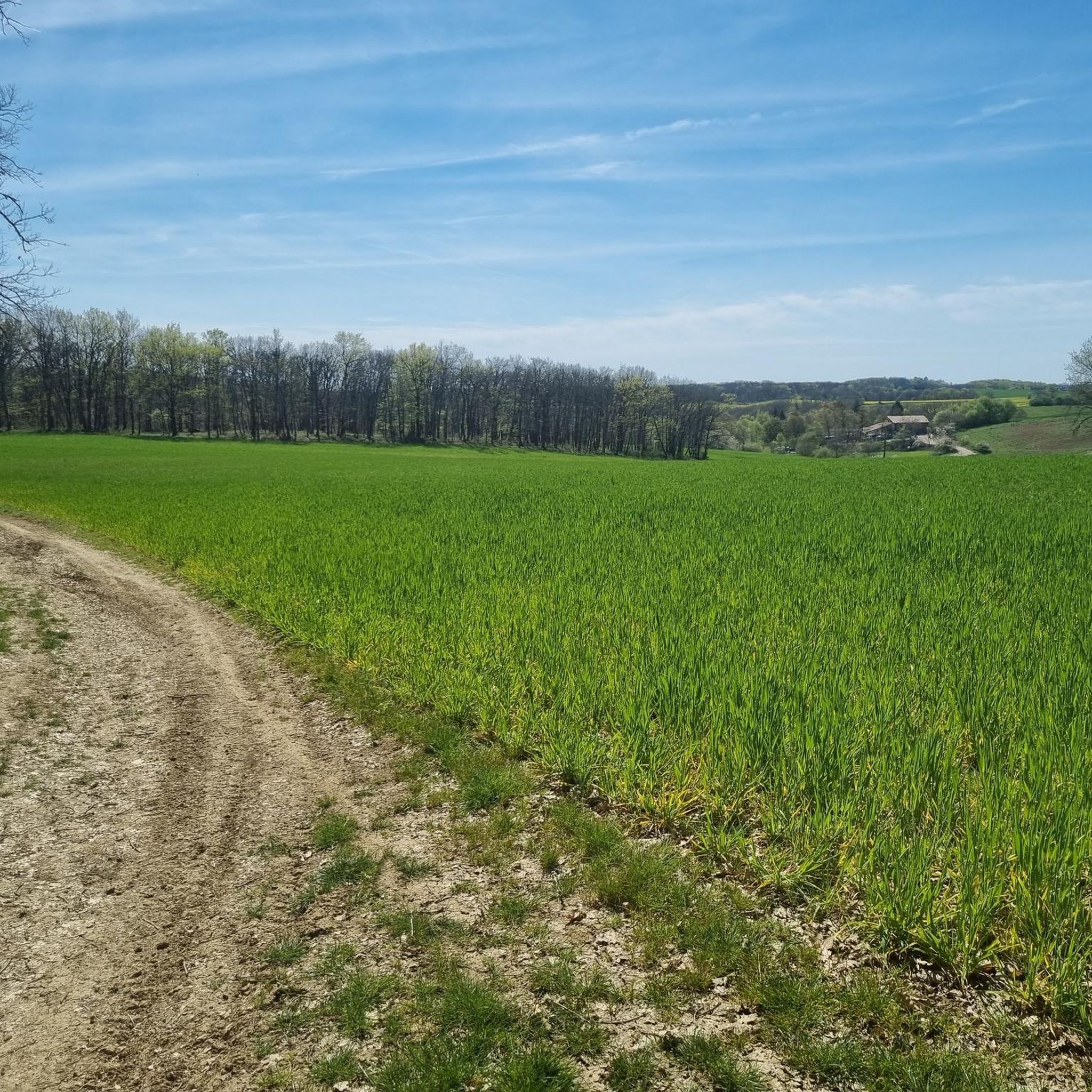
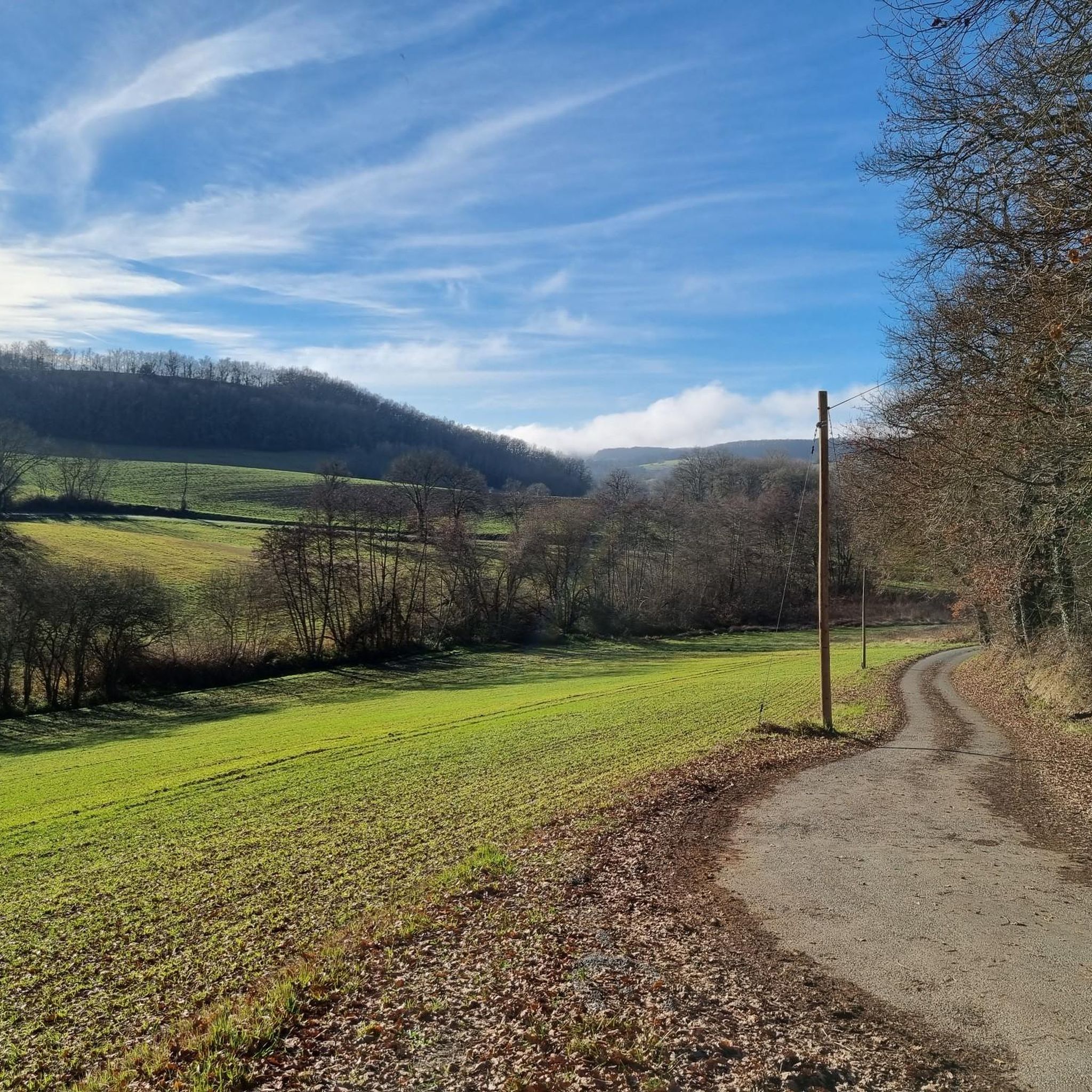
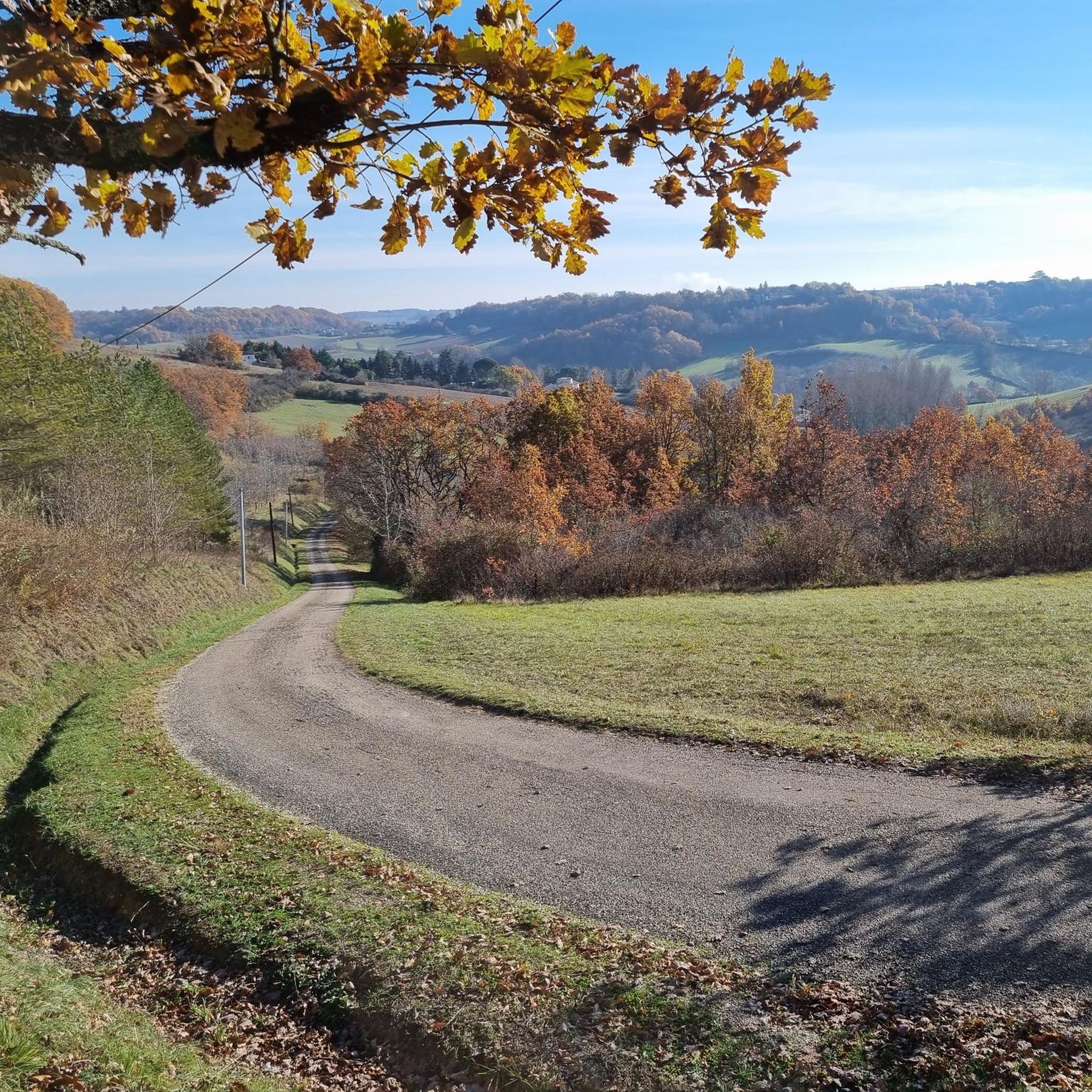
Hiking around Foulayronnes offers diverse landscapes characterized by rolling countryside, forests, and orchards. The region features natural attractions like the Lake of Talives and historical elements such as the Agen Aqueduct. Trails often incorporate bucolic paths and provide views of the Lot-et-Garonne department's varied terrain. This area provides a range of hiking experiences suitable for different fitness levels.
Best hiking trails around Foulayronnes
- The most popular hiking route is Agen Aqueduct – Lateral canal bridge loop from Agen, a…
Last updated: October 18, 2026
4.5
(2)
28
hikers
10.5km
02:53
170m
170m
Moderate hike. Good fitness required. Easily-accessible paths. Suitable for all skill levels.
4.0
(1)
26
hikers
8.22km
02:06
30m
30m
Moderate hike. Good fitness required. Easily-accessible paths. Suitable for all skill levels.

5.0
(3)
29
hikers
10.8km
02:44
30m
30m
Moderate hike. Good fitness required. Easily-accessible paths. Suitable for all skill levels.
4.5
(2)
16
hikers
7.02km
01:58
140m
140m
Easy hike. Great for any fitness level. Easily-accessible paths. Suitable for all skill levels.
5.0
(2)
4
hikers
4.89km
01:24
120m
120m
Easy hike. Great for any fitness level. Easily-accessible paths. Suitable for all skill levels.
Get access to more routes and recommendations from other explorers.
Already have an account?
Our route recommendations are based on thousands of hikes, rides, and runs completed by other people on komoot.
Start today with a free account
Your next adventure awaits.
Tips from the Community

At the time of Saint Francis of Assisi's death in 1226, the Order of Friars Minor had 240 convents, 60 of which were located throughout Aquitaine. Since some of the documents of the Cordeliers convent in Agen were destroyed during the Protestant occupation of the city, the exact date of the first convent's founding is unknown. Father B. Villate wrote in 1715 to the Bishop of Agen, François Hébert, that it was founded in 1291. But elsewhere, we know that the Cordeliers convent was founded after that of the Jacobins and before that of the Carmelites, that is, between 1240 and 1272. Bishop Pierre Jerlandi was buried in the Cordeliers church in 1271. In his will dated July 25, 1262, Amanieu d'Albret bequeathed "als frais Menors d'Agen, dus cens sols." We can therefore assume that the Cordeliers had settled in Agen before 1262. [1] Their first convent was established outside the city walls, near the Saint-Michel gate, probably in front of the Saint-Louis gate, in the enclosure of the Discalced Carmelites where tombs were found by the Discalced Carmelite Fathers, that is to say, between the streets Palissy, Mascaron, Lamouroux and the Garonne. The donations received led to the Cordeliers' convent being called the Golden Convent. For Abbot Barrère, the nickname Doré would not come from the wealth of the convent but from an alteration of the name Dovère which was given by the archbishops of Bourges to several of their houses and monasteries. This would be due to a chapel founded in the 9th century nearby by a Randulphe de Bourges. The church must have been as large as the Jacobin Church because it was here that homage was paid by the nobility and communities of the Agenais to King Edward I of England in 1286. In 1336, Philip VI of Valois, considering that the Cordeliers convent, leaning against the city walls, could be a danger in the event of a conflict with the King of England, decided to seize it and build a fortress there. He obtained permission from Pope Benedict XII on the condition that a new convent be established within the walls. Demolition of the convent began in 1338. The Friars Minor initially settled near the Church of Notre-Dame-du-Bourg but encountered hostility from the canons of Saint-Étienne Cathedral. No longer having premises in Agen, the Friars Minor appealed to the King of France. His son, Prince Jean, while in Guyenne at the time, had the destroyed convent appraised and ordered them to be paid the estimated value of 5,000 livres tournois. This sum, supplemented by other gifts, allowed them to initially settle in the Saint-Georges Hospital. However, a conflict with the Augustinians, who found them too close to their convent, forced them to move away and settle in 1345 in the Saint-Hilaire district, near the Saint-Georges Gate. To appease the criticism of the canons of Saint-Étienne, the Friars Minor gave them the marble from their first cloister. The construction of their church was completed in 1348, as on that date the Cordeliers obtained permission from the Bishop of Agen, Amanieu de Fargis, to have their cemetery blessed by Brother Philippe (Filippo de Ursone), Bishop of Ajaccio. The church follows the traditional plan of southern Gothic churches. It has a wide, single nave without a transept and is lined with shallow side chapels. It is built in half stone and half brick. It comprises three bays with ribbed vaults. The apse has seven sides. Its most interesting and remarkable feature is the inverted hull-shaped roof structure of a boat.[5] The old Cordeliers church had only a small square bell tower. The church's large windows were fitted with stained-glass windows. They are dated 1869. One of the windows bears the signature of Bordeaux master glassmaker Joseph Villiet.
0
0
Construction of the Agen canal bridge was almost halted permanently due to competition from waterways and the railway. Its history is, of course, closely linked to that of the entire Canal Lateral. On August 25, 1839, the foundation stone was laid by the Duke of Orléans, eldest son of Louis-Philippe, and Princess Helene of Mecklenburg, his wife. In 1841, work was halted. The bridge would be used for a time by farmers' carts to avoid a detour via the old stone bridge. On May 5, 1846, a law mandated the resumption of work, and the bridge was completed in 1847. But that wasn't the end of the worries. This bridge could perhaps have become a railway bridge: In 1850, those who exclusively supported the railway raised the question of filling in the canal cut (in its entirety) to lay the tracks. It wasn't until March 1856 that the entire Garonne lateral canal was completed. This bridge itself is 539 meters long, 12.48 meters wide, 2.70 meters deep, and has 23 arches. The waterway is 8.80 meters wide, which prevents crossings. Holding basins were built on either side of the aqueduct. The civil engineers Jean-Baptiste de Baudre and Jean Gratien de Job were responsible for its construction. It is made entirely of freestone from Quercy.
0
0

A must-stop to have a drink, eat, sleep, get your bike repaired or buy local products. Everything is designed around cycling in a magnificent place. See their website for details. https://cafe-velo.net/
0
0


Cafe, restaurant and hostel especially for cyclist.
0
0

I'm sorry but the river port of Agen no longer has any influence on the transport of goods and the rental of small boats has been moved to the much more active port of Buzet sur Baïse.
1
0

Spectacular canal bridge over the Garonne
3
0

I slept one night at Café Vélo. Great experience! A youth hostel style located right on the edge of the Canal des Deux-Mers. I recommend ;)
0
0
Frequently Asked Questions
How many hiking trails are available around Foulayronnes?
Foulayronnes offers a wide selection of hiking opportunities, with over 160 trails recorded on komoot. These routes cater to various fitness levels, ranging from easy strolls to more challenging treks through the diverse landscapes of the Lot-et-Garonne department.
Are there easy hiking trails suitable for beginners or casual walkers?
Yes, Foulayronnes has plenty of easy trails. Approximately 77 routes are classified as easy, perfect for beginners or those looking for a relaxed walk. An example is the Quai Georges Leygues – Agen river port loop from Foulayronnes, which is an accessible 6.9 km path starting directly from Foulayronnes.
What kind of landscapes can I expect to see while hiking in Foulayronnes?
Hikers in Foulayronnes will experience a rich tapestry of landscapes. The region is characterized by rolling countryside, lush forests, and productive orchards. You'll find trails that wind through bucolic paths, often offering scenic views of the varied terrain of the Lot-et-Garonne department.
Are there any historical landmarks or notable features along the hiking routes?
Many trails in the area incorporate historical and natural features. The prominent Agen Aqueduct is a key landmark, with several loops passing by or along it, such as the Agen Aqueduct – Lateral canal bridge loop from Agen. You might also encounter the Agen river port or the impressive Notre-Dame Church of Moirax on some routes.
Are there any circular hiking routes available?
Yes, many of the trails around Foulayronnes are designed as loops, offering convenient circular routes. For instance, the Agen Aqueduct – Ecluse loop from Agen is a moderate 7.8 km circular trail that explores areas near the aqueduct.
What do other hikers say about the trails in Foulayronnes?
The hiking trails in Foulayronnes are highly regarded by the komoot community, boasting an average rating of 4.5 out of 5 stars from over 200 reviews. Hikers often praise the well-maintained paths, the scenic variety of the countryside, and the blend of natural beauty with historical elements like the Agen Aqueduct.
Can I find family-friendly hiking options in Foulayronnes?
Absolutely. With a significant number of easy and moderate trails, Foulayronnes offers many options suitable for families. Routes that are shorter in distance and have less elevation gain, often passing by points of interest, are ideal for hiking with children. Consider trails that explore the rolling countryside for a pleasant family outing.
Is Foulayronnes a good destination for dog-friendly hikes?
The natural and rural character of Foulayronnes makes it generally welcoming for dog walkers. Many trails traverse open countryside and forests, providing ample space for dogs. It's always advisable to keep dogs on a leash, especially near livestock or in populated areas, and to check local regulations for specific trails.
What is the best time of year to go hiking in Foulayronnes?
The Lot-et-Garonne region, including Foulayronnes, is pleasant for hiking during spring and autumn when temperatures are mild and the landscape is vibrant with blossoms or autumn colors. Summer can also be enjoyable, especially for shaded routes, but it's best to start early to avoid the midday heat. Winter offers crisp air and quieter trails, though some paths might be muddy after rain.
Are there any longer or more challenging hikes for experienced trekkers?
While many trails are easy to moderate, Foulayronnes and the surrounding Lot-et-Garonne region do offer options for more experienced hikers. Some routes can involve up to 5 hours of walking or significant elevation gain. For a moderate challenge, the Quai Georges Leygues – Agen Aqueduct loop from Agen covers over 10 km and offers varied terrain.
Where can I find parking for hiking trails in Foulayronnes?
Many hiking routes in and around Foulayronnes, especially those starting from towns like Agen or Foulayronnes itself, typically have accessible parking options nearby. For specific trailheads, it's recommended to check the route details on komoot, as parking information is often provided by other hikers in the tour descriptions or comments.
Most popular attractions around Foulayronnes

Get inspired with the komoot mobile app


Explore more
Browse the best Hikes in other regions.
