Attractions and Places To See around Grateloup-Saint-Gayrand - Top 20
Attractions and places to see around Grateloup-Saint-Gayrand include a blend of historical sites, natural features, and outdoor activities within the Lot-et-Garonne department of France. The commune offers views of the Garonne valley and is characterized by its rural landscape. Visitors can explore historical landmarks, enjoy fishing in local lakes, and utilize greenways for cycling and walking. The area's agricultural heritage is also reflected in local points of interest.
Best attractions and places to see around Grateloup-Saint-Gayrand
- The most popular attractions…
Last updated: July 6, 2026
Canal Latéral à la Garonne
Highlight (Segment) • River
Translated by Google •
Tip by

Gibra Mill
Highlight • Other
Translated by Google •
Tip by

Sign up now to discover places like this
Get recommendations on the best single tracks, peaks, & plenty of other exciting outdoor places.
Sign up for free
Historic Center of Clairac
Highlight • Historical Site
Translated by Google •
Tip by

Notre-Dame Church
Highlight • Other
Translated by Google •
Tip by

Voie Verte from Temple-sur-Lot to Sainte-Livrade-sur-Lot
Highlight • Other
Translated by Google •
Tip by
Sign up for free to discover even more attractions around Grateloup-Saint-Gayrand.
Sign up for free
Already have an account?
Start today with a free account
Your next adventure awaits.
Login or Signup

Tips from the Community

Very pleasant and shady and not too crowded.
0
0

Very pleasant route, mostly asphalted in the shade and at the water's edge of course. However, the Lot-et-Garonne part of this route is more bumpy, the roots lift the tar and make bumps that are sometimes quite significant, so don't be surprised. Another negative point, it is sometimes difficult to find free access water taps, even in the nautical stops you will most of the time have to go and ask for water in the bars or restaurants along the track, or leave the track to go directly to the village cemeteries.
1
0

Nowadays, they are rarely used for their original purpose, but are often just technical and historical monuments to a long tradition of craftsmanship. But here is fortunately proof of the opposite: the heavy millstones inside are moved solely by the power of the wind as the driving force, and grain is ground into flour (so-called grain mills). These old windmills are therefore the best proof that people were clever enough a number of centuries ago - long before the discovery of electricity and the inventions that followed it - to harness the natural power of the elements.
2
0

Peaceful route by the water, in the shade under the trees 🌳
0
0

The history of Clairac is inseparable from that of its Benedictine abbey, which was internationally renowned in the Middle Ages. The abbey, as well as the town which was formed around its walls, reached their peak in the 12th and 13th centuries. There were then 120 monks who worked both in the fields and as copyists of manuscripts. The abbot of Clairac was also the lord of the village and commanded two bastides, five priories and around fifty parishes. The monks also owned two mills on the Lot. The income generated by the abbey was then considerable. But the most important heritage is unexpected: the plum tree of Damascus, brought back from the crusades, was in fact "enté", that is to say grafted, by them for the 1st time. They also discovered the sun-drying process, inventing the Ente plum and the Agen prune in one fell swoop!
1
0
The Bourdeille mill, known as the Gibra mill, benefits from the prevailing winds coming from the west on its mound at the top of a hill. From Pech-de-Bère in the south – where the Lot flows into the Garonne – to the town of Marmande in the northwest, it offers you from its privileged location a profound panorama of the Garonne valley. Listed in the inventory of Historic Monuments in 1979, the Gibra windmill benefited from a restoration in the early 1980s, a perfect example of safeguarding local heritage. It has all the equipment for turning in the wind and grinding grain, and on windy days (and open to the public), you can watch milling demonstrations.
1
0

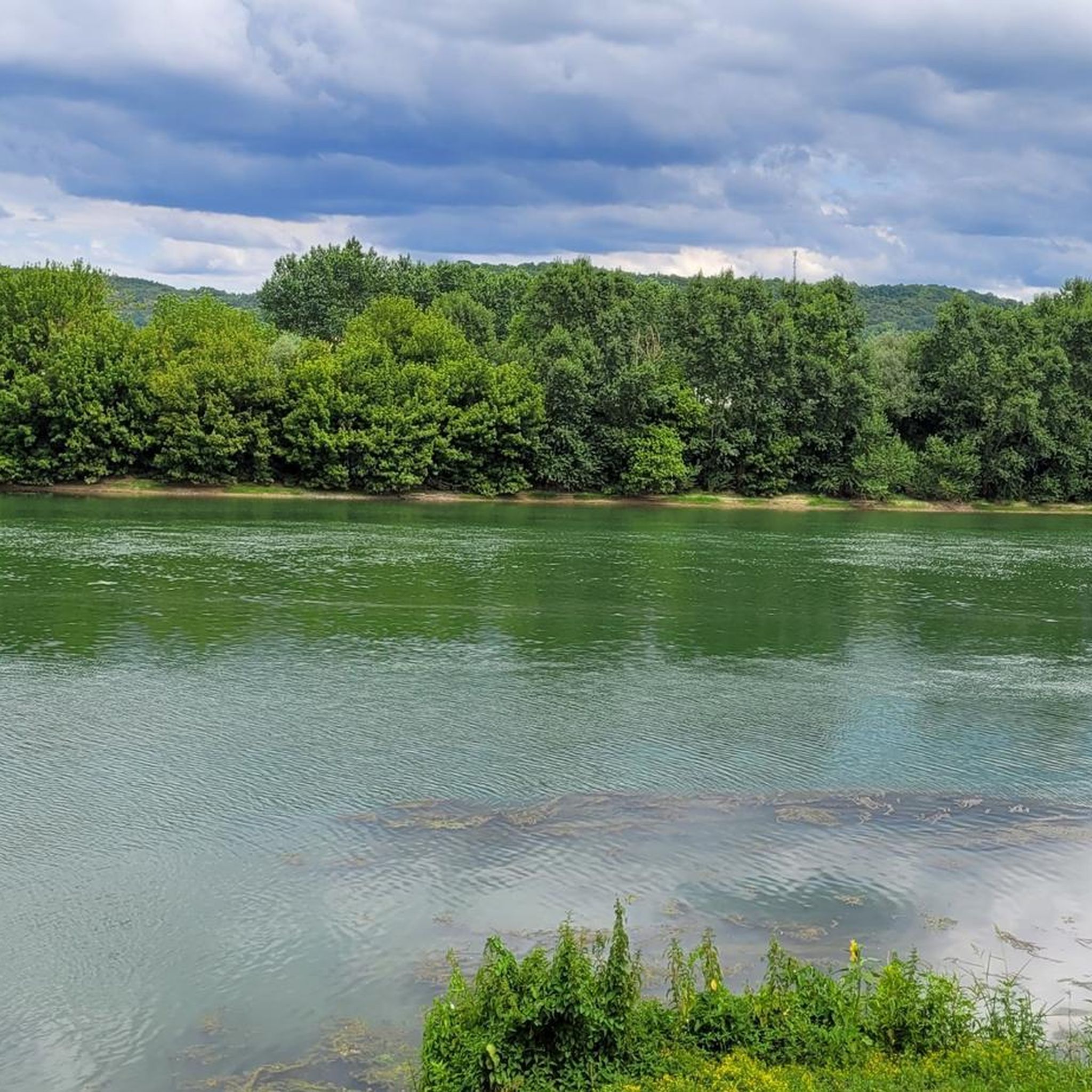
Beautiful landscape, beautiful canal, the surface of the bike path could be better. Shady sections, several bridges and locks. More information: https://de.wikipedia.org/wiki/Canal_lat%C3%A9ral_%C3%A0_la_Garonne?wprov=sfla1
5
1

The Canal Lateral à la Garonne, or Canal de Garonne, is a small French side canal dating from the 19th century, which connects Toulouse to Castets and Castillon (Gironde) near Bordeaux, where it joins the Garonne. It is the essential extension of the Canal du Midi, offering safer and more comfortable navigation conditions than the old navigation on the Garonne River, which was often subject to periods of low water levels or floods. The canal was fully opened to navigation on March 12, 1856. Together with the Canal du Midi which connects Toulouse to Sète, it forms the Canal des Deux-Mers between the Mediterranean and the Atlantic Ocean.
3
0
Frequently Asked Questions
What historical sites can I explore in Grateloup-Saint-Gayrand?
Grateloup-Saint-Gayrand is rich in history. You can visit the 17th-century Château de Lagarde, a noble house with a square courtyard. The ruins of the Église de Saint-Gayrand offer a glimpse into the area's past, situated on a dominant site overlooking the Garonne. Additionally, the Église Saint-Caprais in Grateloup is another significant religious site, and the commune developed around the ancient Motte de Vidouze, with archaeological findings dating back to the Gallo-Roman era.
Are there any notable natural features or viewpoints in the region?
Yes, the area offers beautiful natural scenery. The Gibra Mill, also known as Moulin de Gorry, stands on a mound 162 meters high and provides panoramic views of the Garonne valley. You can also explore the banks of the Garonne river, known as the Quais de Garonne, for scenic riverside views. The region is characterized by its rural landscapes, offering abundant natural beauty.
What outdoor activities, like cycling or hiking, are available near Grateloup-Saint-Gayrand?
The region is excellent for outdoor activities. For cycling, the Canal Latéral à la Garonne offers pleasant shaded passages and scenic landscapes, while the Voie Verte from Temple-sur-Lot to Sainte-Livrade-sur-Lot provides a flat, traffic-free path along the Lot River. For hiking, trails like the 'Grateloup, randonnée vers Saint-Gayrand' offer picturesque walks through fields and woodlands. You can find more routes for hiking, cycling, and mountain biking around Grateloup-Saint-Gayrand.
Are there family-friendly attractions or activities in the area?
Yes, several attractions are suitable for families. The Canal Latéral à la Garonne is categorized as family-friendly, offering easy cycling or walking. The Historic Center of Clairac, with its charming half-timbered houses and rich history, can also be an engaging visit for families. Additionally, the Ferme Pedagogique Le Chaudron Magique is a pedagogical farm that could be a fun and educational experience for children.
What is the best time to visit Grateloup-Saint-Gayrand for outdoor activities?
The region is known for its rural and river tourism, with abundant landscapes. Spring and autumn generally offer pleasant temperatures for hiking and cycling, avoiding the peak heat of summer. However, summer provides opportunities to enjoy the local lakes and riverside scenery. The illuminated wings of Moulin de Gorry are a sight to behold in the evening, suggesting year-round appeal for certain attractions.
Can I go fishing in Grateloup-Saint-Gayrand?
Yes, the commune is home to several lakes ideal for fishing enthusiasts. Lac de Platan (3.2 hectares) and Lac de Charlotté (15.6 hectares) are both second-category fishing spots where you can catch species like roach, carp, pike, and zander. A fishing license is required for both lakes, and carp fishing is permitted day and night throughout the year at Lac de Charlotté.
Where can I learn about the local agricultural heritage or find local products?
Grateloup-Saint-Gayrand's local economy is primarily focused on livestock farming and agriculture. You can discover and support local producers in the commune. A notable point of interest is La Maison de la Noisette (House of Hazelnuts), which highlights the region's agricultural heritage and offers insights into local products.
Are there any easy walking trails suitable for beginners or casual strolls?
Yes, there are options for easy walks. While the 'Grateloup, randonnée vers Saint-Gayrand' is a moderate 14.2 km loop, the Voie Verte from Temple-sur-Lot to Sainte-Livrade-sur-Lot offers an ideal flat route without traffic, perfect for casual strolls or beginner cyclists. For specific easy hiking routes, you can explore options like the 'Château de Verteuil loop from Tourtrès' or 'Château de Verteuil loop from Verteuil-d'Agenais' listed in the hiking guide.
What do visitors particularly enjoy about the attractions in Grateloup-Saint-Gayrand?
Visitors appreciate the blend of natural beauty and historical significance. The Canal Latéral à la Garonne is praised for its pleasant shaded passages and beautiful landscapes. The Gibra Mill offers profound panoramas of the Garonne valley and demonstrations of grain grinding, showcasing local heritage. The Voie Verte is loved for being an ideal flat, traffic-free route connecting towns and natural sites.
Can I find information about the history of Protestantism in the area?
Grateloup was a significant center of Protestantism in the 16th and 17th centuries. A Protestant temple was built in the late 16th century, and a Huguenot school was active in the 17th century. While specific sites might require local inquiry, the historical context of Protestantism is an important part of the commune's past.
Are there any gardens to visit in or near Grateloup-Saint-Gayrand?
Yes, there are various gardens to explore. Notably, Latour-Marliac Le Jardin Des Nenuphars (water lily garden) is located in Le Temple-sur-Lot, a short distance away. In Marmande, you can find Jardin Du Cloître De L'Église Notre-Dame and Les Jardins De Beauchamp, offering diverse horticultural experiences.
What is the <a href="https://www.komoot.com/highlight/4944373" target="_blank" rel="noopener">Historic Center of Clairac</a> known for?
The Historic Center of Clairac is known for its beautiful half-timbered houses and the Saint-Pierre-ès-Liens church. Its history is deeply tied to its Benedictine abbey, which was internationally renowned in the Middle Ages. The monks of Clairac are credited with introducing the Damascus plum tree and developing the sun-drying process, leading to the creation of the Ente plum and Agen prune.
Most popular routes around Grateloup-Saint-Gayrand

Get inspired with the komoot mobile app


Explore more
Still not found the Highlight you’re looking for? See guides of the top attractions in other regions:
