Attractions and Places To See around Assais-Les-Jumeaux - Top 17
Attractions and places to see around Assais-Les-Jumeaux, a commune in the Deux-Sèvres department of Nouvelle-Aquitaine, France, offer a blend of historical landmarks and natural beauty. The region is characterized by its valleys and the Dive River, providing a setting for outdoor activities. Visitors can explore a variety of sites, from ancient monuments to charming towns and natural trails. The area provides opportunities for discovering local history and enjoying the landscape.
Best attractions and places to see around Assais-Les-Jumeaux
- The most…
Last updated: July 6, 2026
Small Church of Saint-Généroux (10th century)
Highlight • Religious Site
Translated by Google •
Tip by

La Roche-Faton Castle
Highlight • Castle
Translated by Google •
Tip by

Sign up now to discover places like this
Get recommendations on the best single tracks, peaks, & plenty of other exciting outdoor places.
Sign up for free
Montguimier Mill
Highlight • Monument
Translated by Google •
Tip by
Airvault
Highlight • Other
Translated by Google •
Tip by

The Stone Ford of Rolland
Highlight • Bridge
Translated by Google •
Tip by

Sign up for free to discover even more attractions around Assais-Les-Jumeaux.
Sign up for free
Already have an account?
Start today with a free account
Your next adventure awaits.
Login or Signup



Tips from the Community

Whether it's summer or winter, this passage is always great!
0
0

The Church of Saint-Généroux is a site well worth a visit during a hike. It dates back to the 10th century and is considered one of the oldest churches in France, as it features pre-Romanesque architecture found nowhere else. The church is located on the banks of the Thouet River. You can also admire the Romanesque bridge (13th century).
0
0
The mill ceased all operations in early 1930. Large blocks of sandstone allowed the mill to cross the river without getting wet.
1
0
The Château de la Roche-Faton, located in Lhoumois (Deux-Sèvres) in Nouvelle-Aquitaine, is an elegant castle listed as a Historic Monument, dating from the medieval period and enriched during the Renaissance. 🏰 History & Architecture Mentioned as early as 1179, burned down in 1417, it was rebuilt starting in 1544 by Mathurin Pidoux. It comprises three buildings around a courtyard, round towers, a gatehouse with drawbridges (now lost), and outbuildings built in the 17th century. The fortified entrance is flanked by machicolations, while the central building includes a 15th-16th-century main building, crowned by an authentic spiral staircase. 🖼️ Interiors & Decor Several intact fireplaces from the 15th and 18th centuries, as well as a large living room decorated with 18th-century stucco. The Saint-Nicolas Chapel contains the tombstones of Charles-Marie-Auguste de Beaumont, Marquis d'Autichamp, and his wife. 🌳 Gardens & Park An English-style landscaped park and French gardens – designed in the 17th century by the Lords of Vassé – surround the château. A pond from the former moat also remains. 🛡️ Protection & Visits Listed as a Historic Monument: facades and roofs of the main building registered in 1973, wings of the outbuildings in 1993. A private property belonging to the du Dresnay family, the château is open for guided tours of the exterior and for events such as European Heritage Days.
2
0

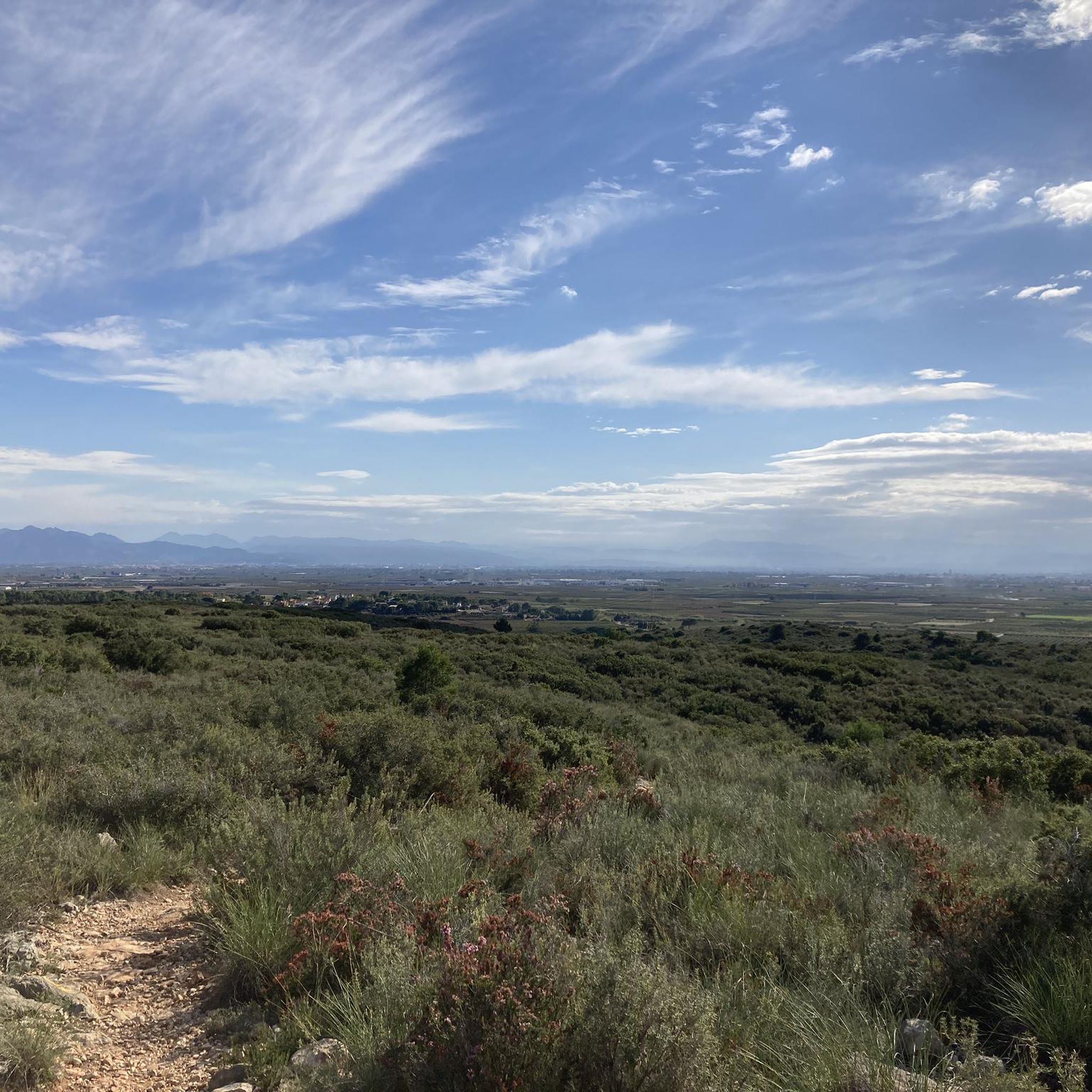
Without the characteristic wings - which used to capture the power of the wind to set the heavy millstones in motion - the once proud windmill, which was certainly impressive at the time, is missing an essential architectural element. From a distance, the observer can see its modern successors: within sight of the former windmill, the slender towers and turbine blades of a modern wind farm, which is used to generate electricity, rise into the sky.
2
0
In the proverbial "good old days" of centuries past, this (former) windmill, standing in a very prominent position in the vast landscape, must have made a deep impression on the viewer. However, this changed a long time ago: the no longer intact tower stump is missing the wings, precisely those elements that were once so fundamental to the appearance of those four-armed giants (at least that is what the character "Don Quixote" invented by Miguel Cervantes thinks in one of the famous Spanish author's bizarre stories).
3
0

The church of Saint-Généroux is a historical and cultural site which is worth a visit during a walk in Deux-Sèvres. Dating from the 10th century, it is considered one of the oldest churches in France and features remarkable pre-Romanesque architecture. You can admire its sculpted capitals, its three-bay triumphal arch and its cul-de-four apse. The church is located on the banks of the Thouet, a peaceful river which offers a pleasant natural setting for a walk. You can also enjoy the 13th century Romanesque bridge which spans the river and offers a beautiful view of the church and the surrounding landscape.
3
0
The Moulin de Montguimier is a 12th century mill that belonged to the monks of Saint-Jouin-de-Marnes. You can start your hike from the parking lot of the Saint-Généroux church, a remarkable example of Romanesque art. Cross the bridge over the Thouet and follow the yellow markings. You will pass an old lime kiln and enjoy the view of the valley and hills. You can also picnic by the river and relax in the shade of the walnut trees.
4
0
Frequently Asked Questions
What historical sites can I explore around Assais-Les-Jumeaux?
The region is rich in history. You can visit the Small Church of Saint-Généroux (10th century), considered one of France's oldest churches with remarkable pre-Romanesque architecture. Another significant site is the Tumulus de la Motte de Puytaillé, an ancient tumulus classified as a historical monument, shrouded in local legends. Don't miss the Saint-Martin d'Assais Church, known for its original bell tower.
Are there any charming towns or villages to visit nearby?
Yes, several 'Petites Cités de Caractère' are close by. Airvault, just 4.8km away, is a popular choice with its medieval castle and abbatial church. Saint Loup Lamairé, 7.9km away, is another classified 'Petite Cité de Caractère' ideal for walks. Oiron, 13.4km away, is home to the UNESCO World Heritage-listed Château d'Oiron.
What natural features are prominent in the Assais-Les-Jumeaux area?
The area is characterized by picturesque valleys and the Dive River, known for its enchanting, clear waters. You can follow the Dive river for approximately 50 km, enjoying the serene natural landscape. The region offers plenty of opportunities to 'take a breath of fresh air' amidst its natural beauty.
What outdoor activities are available near Assais-Les-Jumeaux?
The region is excellent for outdoor enthusiasts. You can enjoy hiking, cycling, and running. There are various routes, such as 'La Sente Divine' along the Dive river and cycling loops in the Thouet valley. For more detailed routes, explore the Running Trails, Cycling, and MTB Trails around Assais-Les-Jumeaux.
Are there any specific hiking trails I should consider?
Absolutely. The 'La Vallée du Gâteau' Trail is a notable 9 km circuit starting from Veluché. This trail winds through plains, small woods, and a picturesque valley, allowing you to discover historical elements like the hosannière cross of Veluché cemetery, old mill towers, and diverse flora and fauna. Another option is to follow the yellow markings from the Saint-Généroux church to the Montguimier Mill.
What kind of castles can I find in the vicinity?
You can discover the elegant La Roche-Faton Castle, a well-preserved 15th-century castle listed as a Historic Monument, featuring medieval and Renaissance architecture surrounded by English-style gardens. Additionally, the nearby town of Oiron is home to the UNESCO World Heritage-listed Château d'Oiron.
Are there any family-friendly attractions or activities?
Many of the historical sites and natural areas are suitable for families. The Small Church of Saint-Généroux and the Stone Ford of Rolland are listed as family-friendly. Exploring the charming 'Petites Cités de Caractère' like Airvault and Saint Loup Lamairé also offers pleasant outings for all ages.
Where can I experience local culture and products?
You can discover local producers in Assais-les-Jumeaux, such as Adrien Millet, a fish farmer raising trout in basins fed by the Dive river. Nearby towns like Airvault and Parthenay (21 km away) host markets where you can experience local life and find regional products.
Are there any notable gardens to visit?
Yes, several remarkable gardens are located nearby. These include Les Jardins Du Gué and Jardin des Deux Sages, both situated in Lhoumois, approximately 14 km from Assais-les-Jumeaux.
What do visitors enjoy most about the attractions around Assais-Les-Jumeaux?
Visitors appreciate the blend of historical landmarks and natural beauty. The Small Church of Saint-Généroux is praised for its unique pre-Romanesque architecture and peaceful riverside setting. The Stone Ford of Rolland is loved by hikers for its picturesque crossing. The charming towns and scenic valleys also receive high regard for their tranquil atmosphere and opportunities for exploration.
Are there any dog-friendly walking spots?
Yes, the Stone Ford of Rolland is listed as a dog-friendly historical site and river crossing, making it a great option for walks with your canine companion.
Most popular routes around Assais-Les-Jumeaux

Get inspired with the komoot mobile app


Explore more
Still not found the Highlight you’re looking for? See guides of the top attractions in other regions:
