Top 5 Castles around Beaumont-Du-Ventoux
Best castles around Beaumont-Du-Ventoux offers a selection of 5 historical sites to explore in the Vaucluse region. This area, situated near Mont Ventoux, is characterized by its varied landscape, including ancient towns and perched villages. The region's cultural significance is rooted in its Roman heritage and medieval history, providing a backdrop for these historical structures. Visitors can discover a range of castles and related historical landmarks.
Best castles around Beaumont-Du-Ventoux
- The most popular castles is Vaison-la-Romaine Roman Bridge, a…
Last updated: June 29, 2026
Vaison-la-Romaine Roman Bridge
Highlight • Bridge
The town is …
Translated by Google •
Tip by

Crestet Village
Highlight • Settlement
There's not much going on gastronomically. A restaurant with a great terrace - but …
Translated by Google •
Tip by

Sign up now to discover places like this
Get recommendations on the best single tracks, peaks, & plenty of other exciting outdoor places.
Sign up for free
Château du Barroux
Highlight • Castle
Translated by Google •
Tip by

The Count's Castle of Vaison
Highlight • Castle
Translated by Google •
Tip by

View of the Château du Barroux
Highlight • Castle
Translated by Google •
Tip by

Sign up for free to discover even more castles around Beaumont-Du-Ventoux.
Sign up for free
Already have an account?
Start today with a free account
Your next adventure awaits.
Login or Signup
Popular around Beaumont-Du-Ventoux
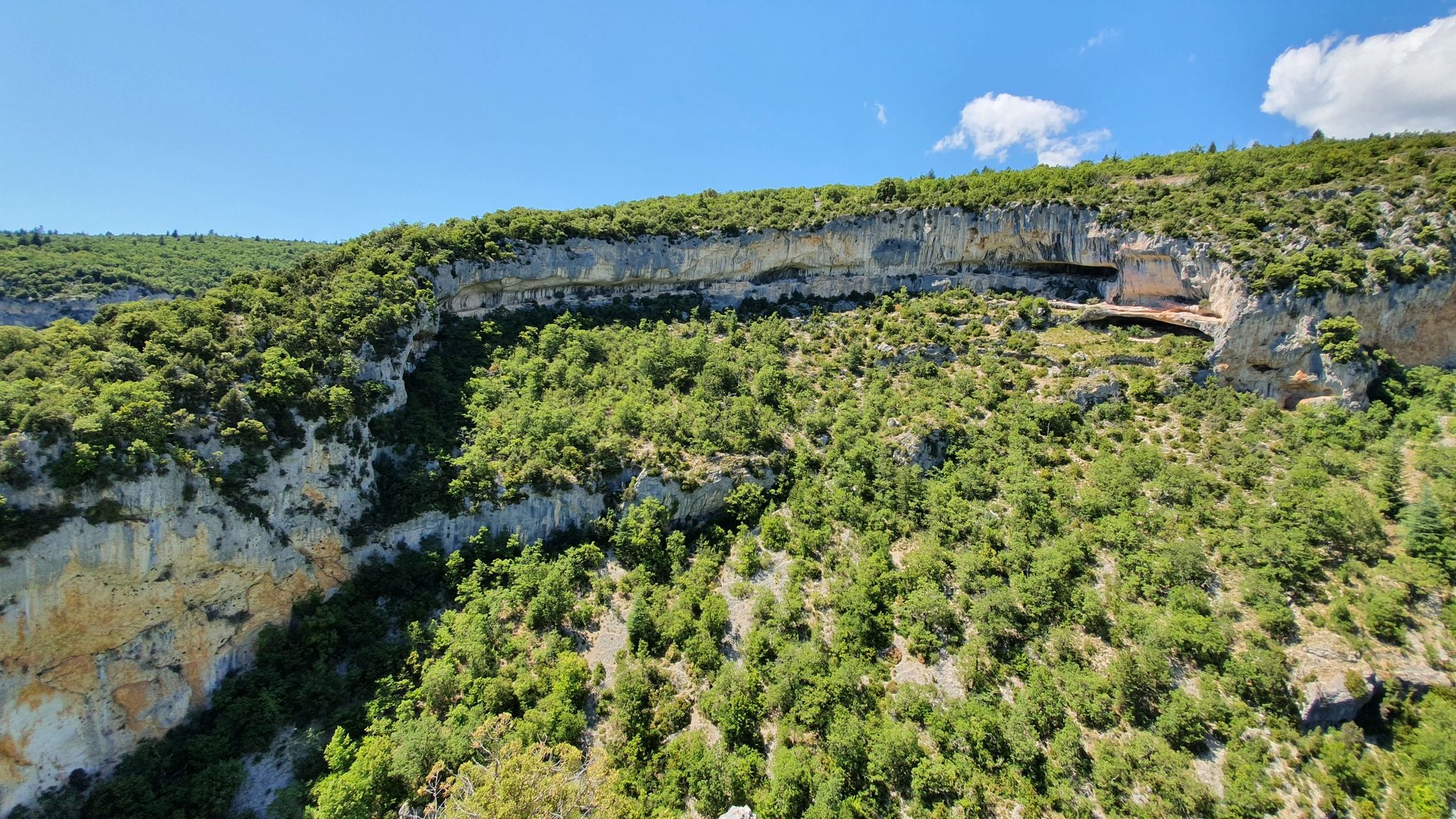
From the Dentelles de Montmirail to the Ventoux - seven hikes in Vaucluse
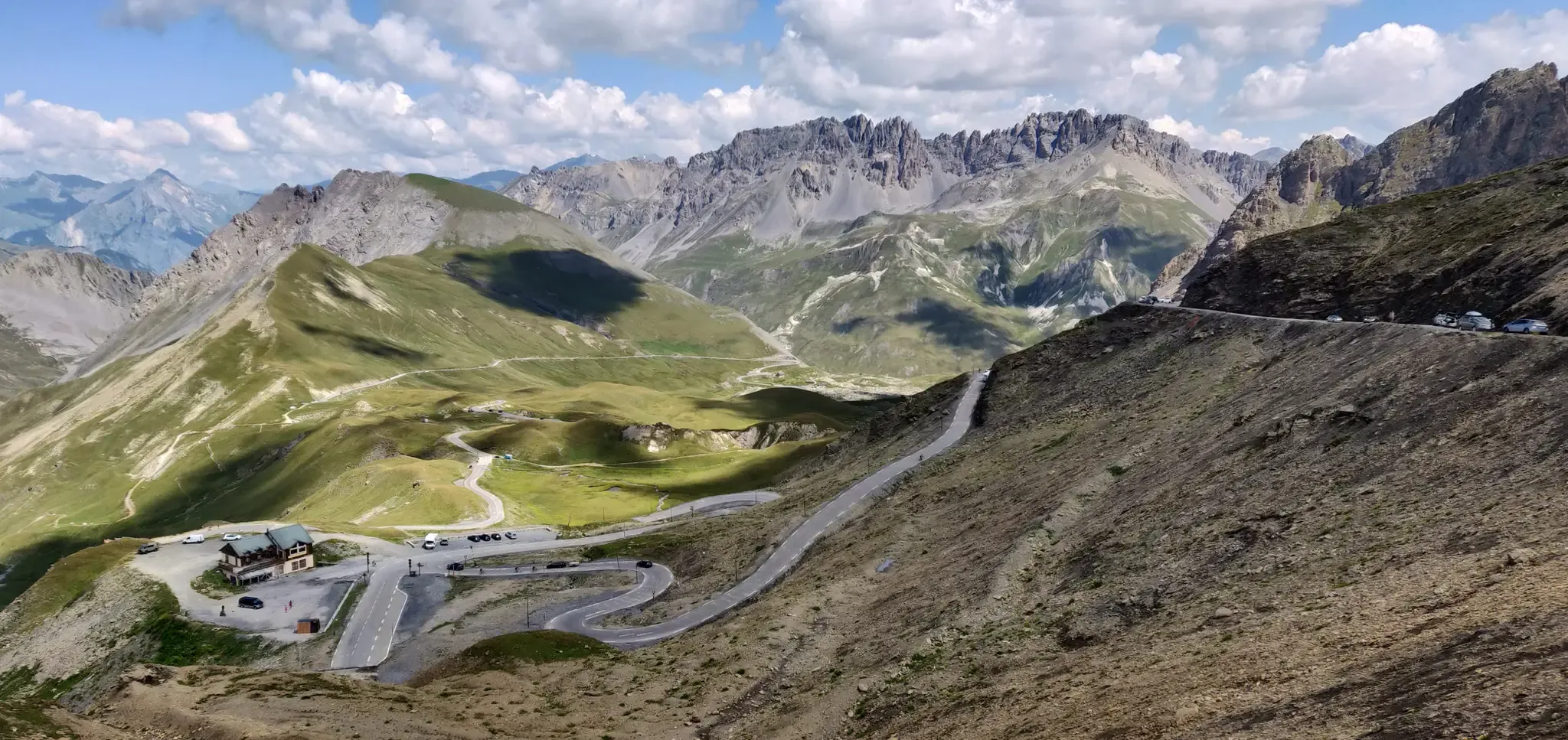
Legendary passes of the Tour de France
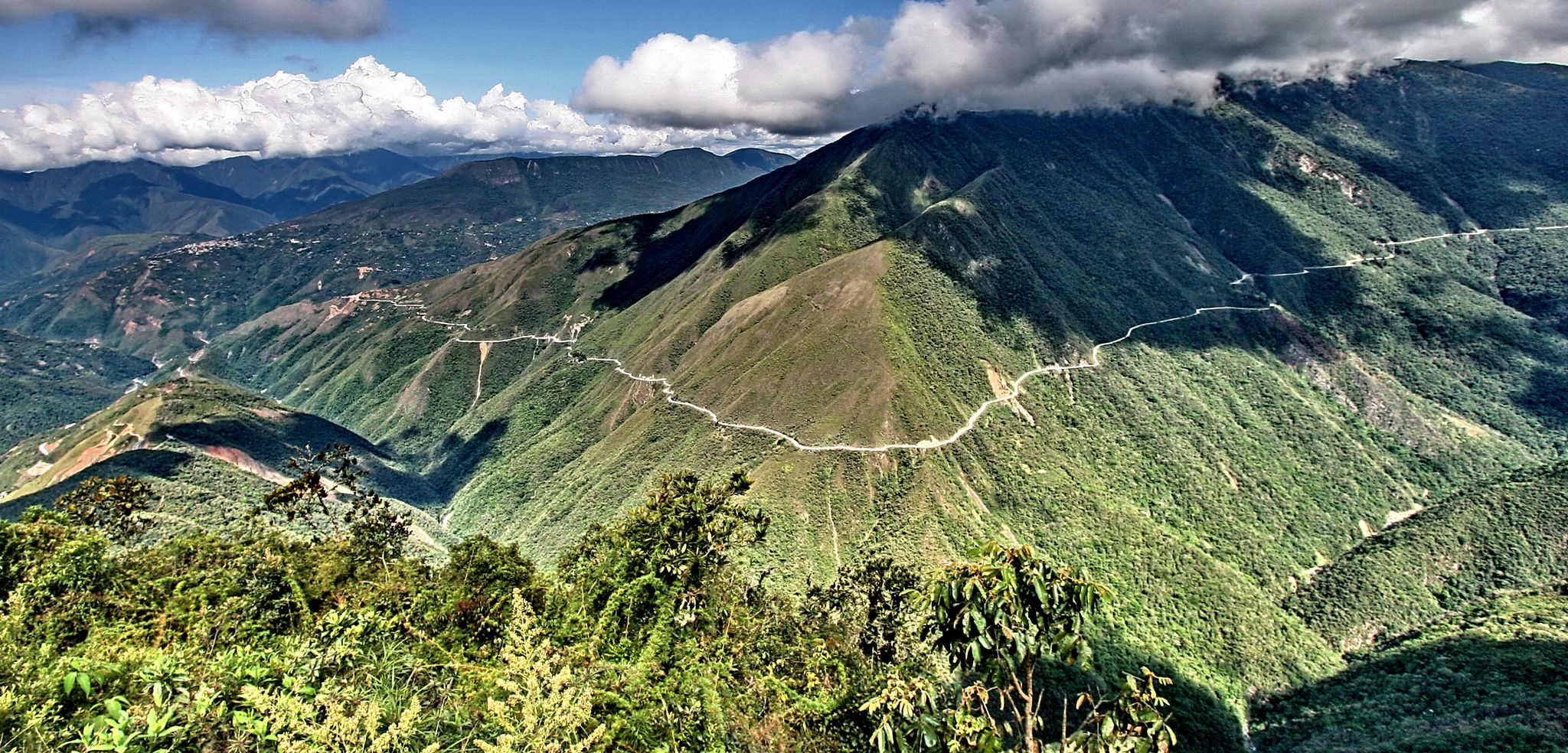
The world's most adventurous cycling passes
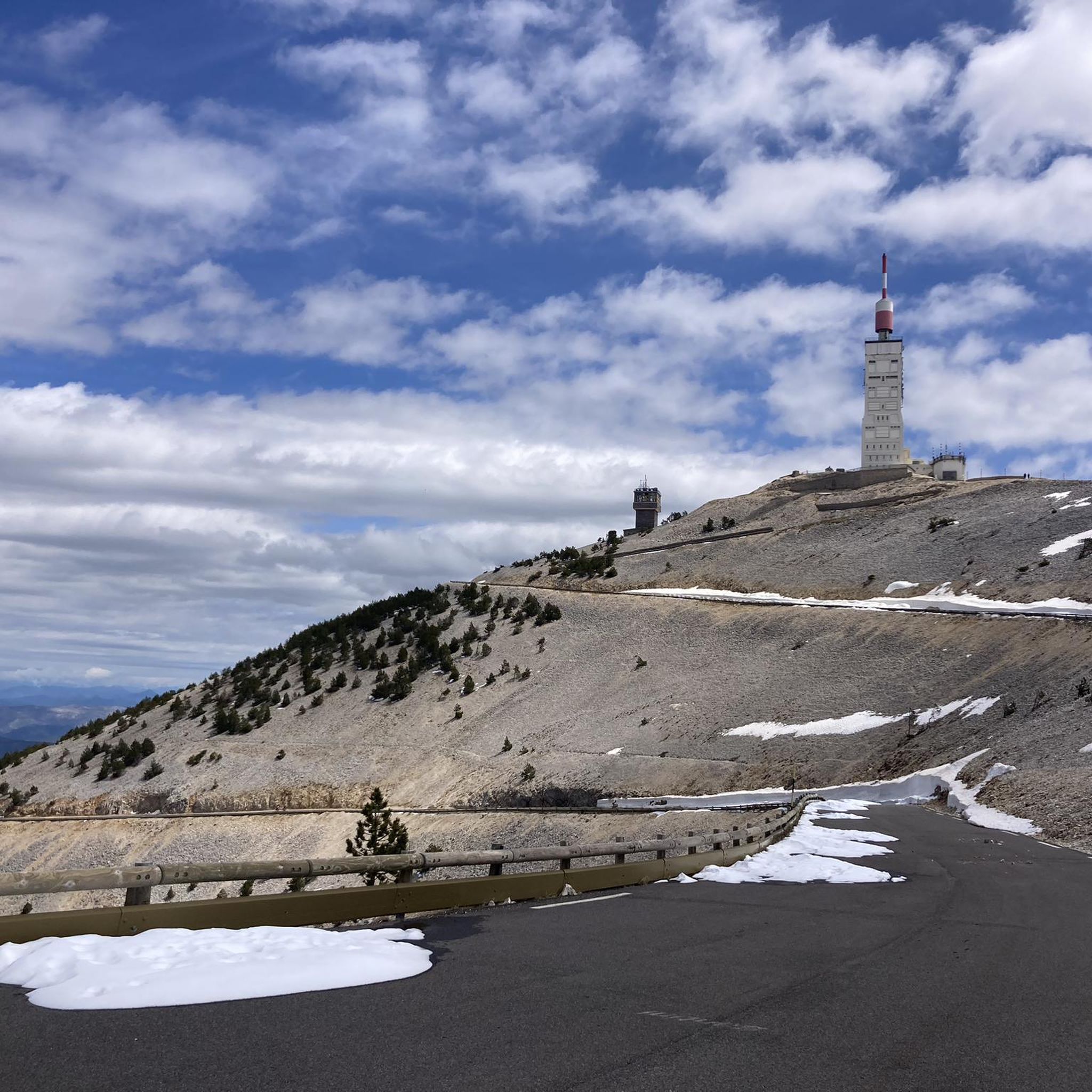
Road Cycling Routes around Beaumont-Du-Ventoux
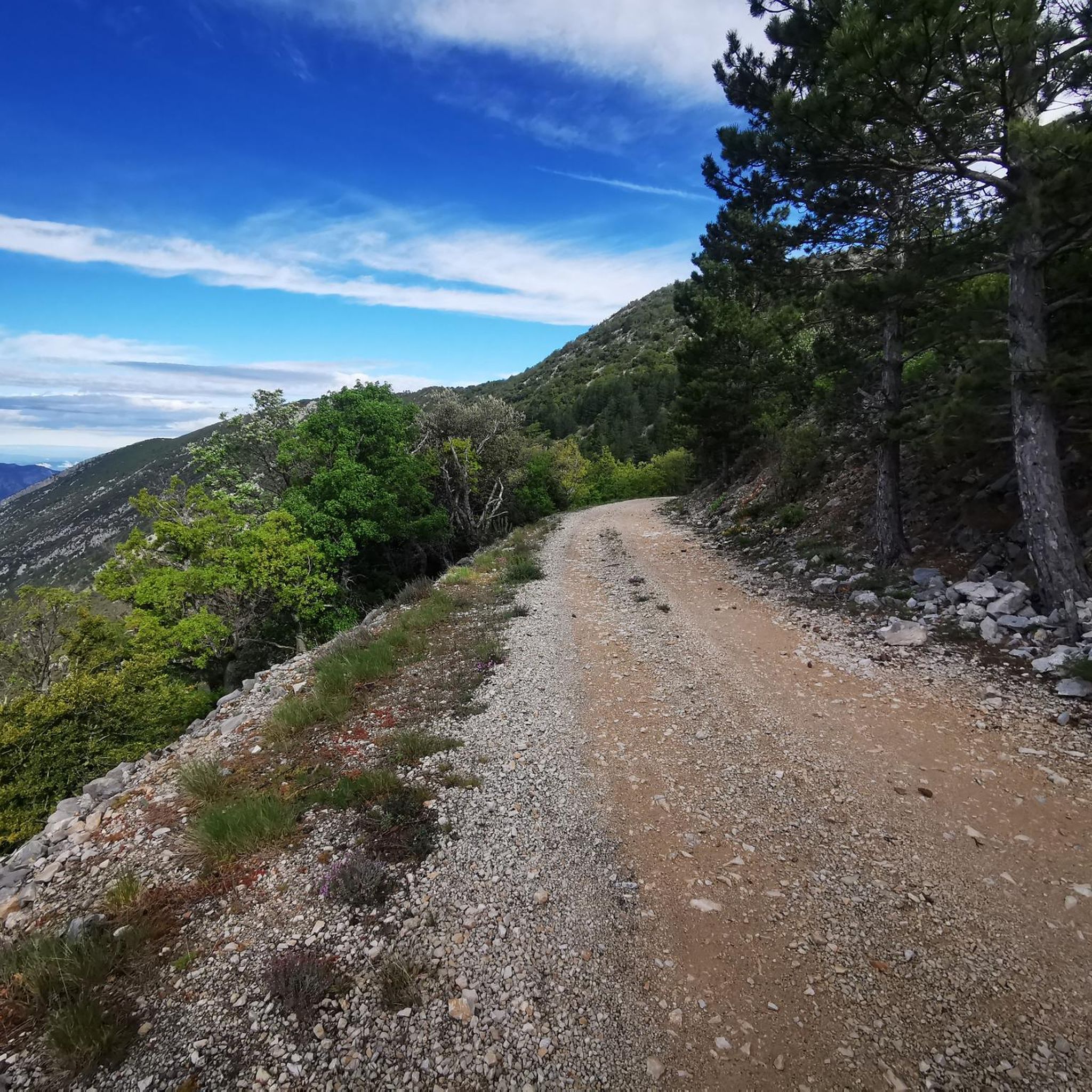
Hiking around Beaumont-Du-Ventoux
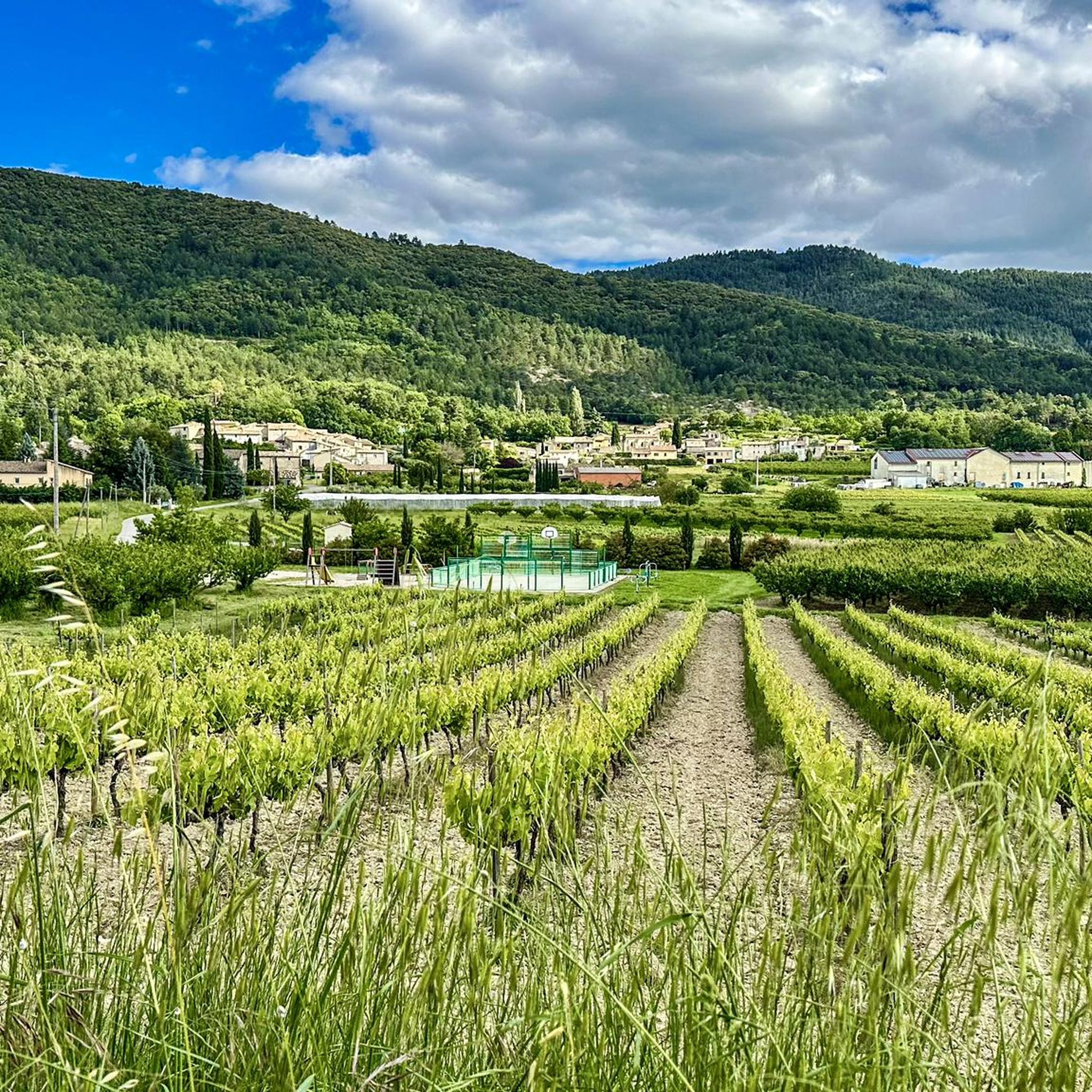
MTB Trails around Beaumont-Du-Ventoux
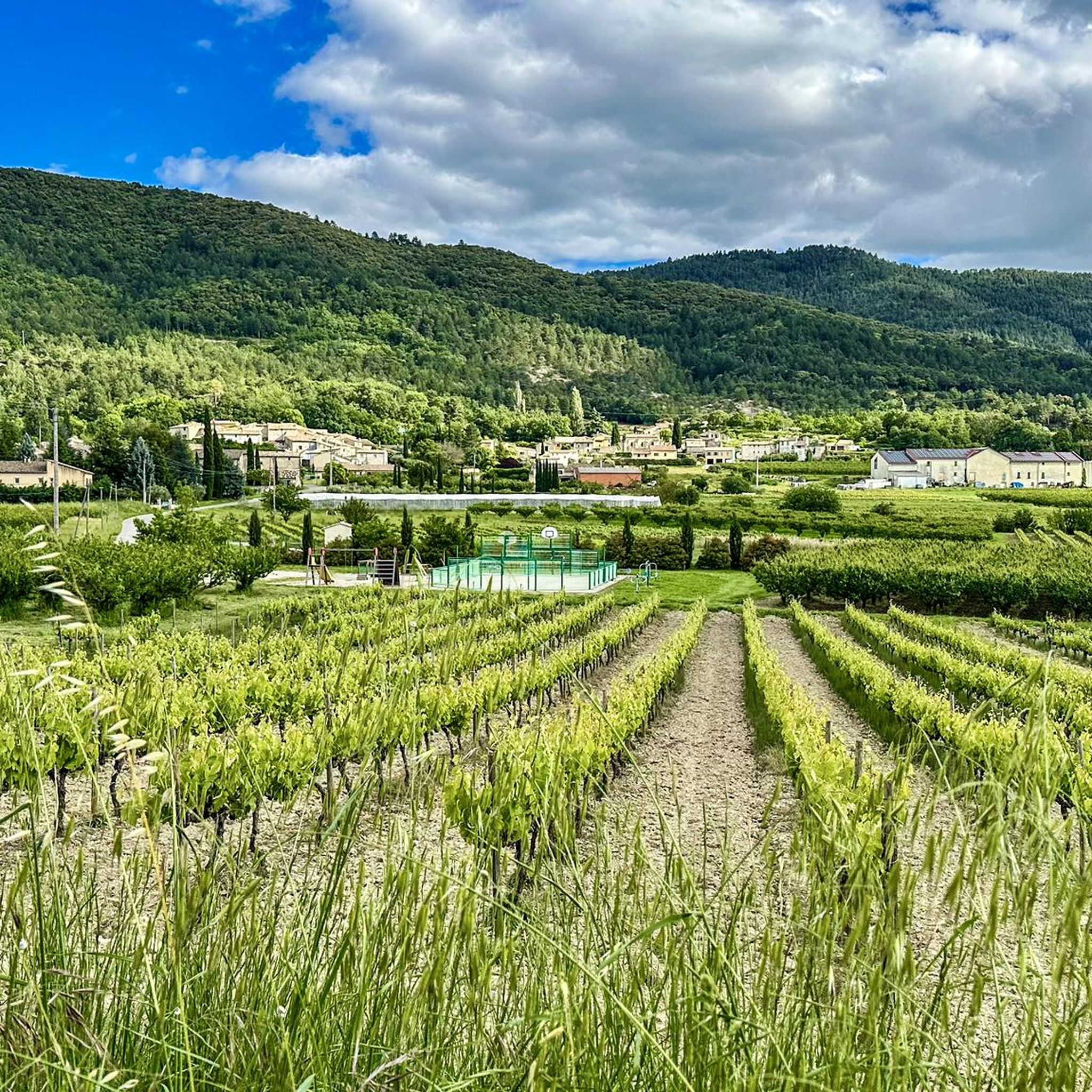
Running Trails around Beaumont-Du-Ventoux
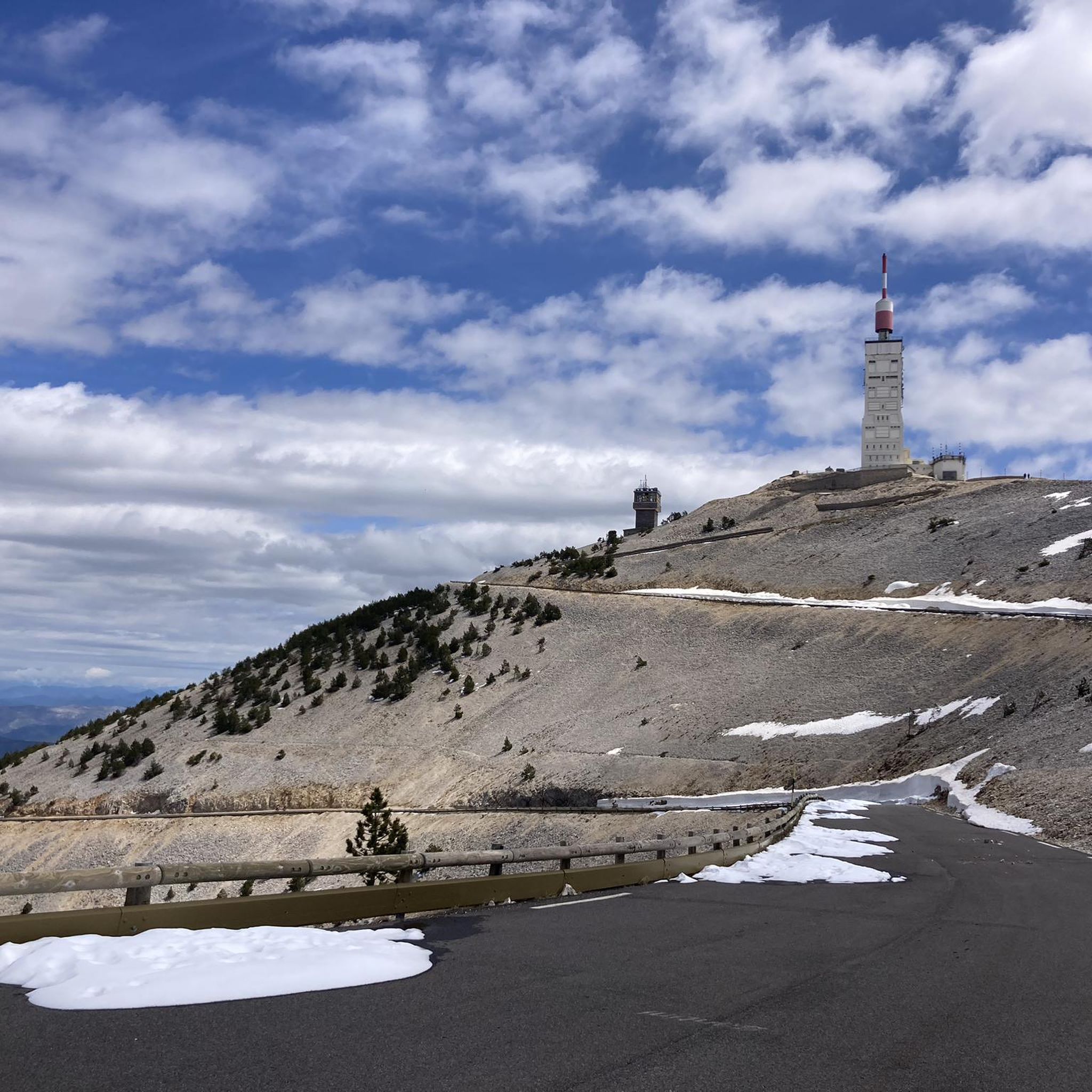
Cycling around Beaumont-Du-Ventoux
Gravel biking around Beaumont-Du-Ventoux

Mountain Hikes around Beaumont-Du-Ventoux


Tips from the Community

Currently you can't really get to or into it, but the view from up here is great.
0
0

Born from the conflicts between the counts of Toulouse and the episcopal power, the castle of Vaison-la-Romaine, built between the 12th and 14th centuries, still dominates the entire town.
0
0

Bad Google translation of Brigitte Roth's comment. It should read 800 m of elevation gain.
0
0

The question that now arises is why the inhabitants of Vaison came to settle near the castle instead of staying below. We have seen that the Vaisonnais were burdened with royalties by the Bishop, yet the Count didn't ask for much: only a few pennies for their house located near the castle... The population clearly didn't hesitate in 1253; more than 100 houses were located there... A study as part of a master's thesis in medieval archaeology by Isabelle Cartron in 1989 reported the presence of 37 "notched huts" distributed across three sectors with notches up to 1.30 meters deep, as well as the outline of an old pipe or drain. Four huts retained the marks of postholes. Exterior staircases are also visible in two places. This reproduction shows the location of two areas to the west of the castle that correspond to the aerial photo. Whether these were dwellings, storage areas, or temporary animal shelters, no scientific research has been conducted to date to elucidate these developments. To the right of the castle, you can see "stairs" or "steppes" corresponding to the foundations of the houses around the castle. It is therefore reasonable to imagine that there were several houses around the castle. "In 1209, with the Council of Saint Gilles, the Count was dispossessed of everything. The Bishop of Vaison then probably occupied the castle until 1251, when he returned it to the Count. These two facts explain the development of the "upper town." The Count showed ingenuity by establishing a castle next to the town of Vaison, encouraging the migration of inhabitants near him. Thus, at the end of the 12th century, the city on the plain, after having existed for more than 12 centuries, disappeared... The conflict was not definitively settled until 1253, when rights were divided between the Count and the Bishop. Everything took a different turn in 1274, when the Popes took possession of the Comtat Venaissin. An agreement was then reached between the bishops and the latter, and a garrison was placed in the castle. Thus, the episode of the Counts of Toulouse changed the landscape of Vaison. Without them, our "upper town" would never have existed.
0
0
“In Vaison, the bishop has owned the town of Vaison, its market, its oven, its mill, and the surrounding lands since 1108. He exercises domination over the population, which is overwhelmed by taxes, corvées of oats and wine, house taxes, tithes, champart, etc. The bishop in his “Palatium” is both master and judge. Thus, around 1160, the Count of Toulouse, Raymond V, intervened against this domination. It is said that he attacked the town, then on the plain (the 12th-century city is around the cathedral; these are indeed medieval buildings and not a reoccupation of Gallo-Roman houses). Between 1160 and 1170, there was a lull. Raymond VI returned around 1175, employing a different strategy. Instead of seizing the lower town, he attempted to create another on the hill that was his face. This is why he decided to build a castle there.” “Originally, therefore, this castle had nothing to do with military matters; it was a symbol of power. In 1175, the Count began by building a wooden castle, perhaps a motte (a conical mound on which a wooden tower was built). Observing the current construction, we believe we have discovered the remains of this motte, carved into the rock, on top of which the stone keep was later built. The Count used this type of “archaic” fortification for its speed of execution but also because it is symbolic.” “With this motte, the Count settled in Vaison. Very quickly, around 1180-85, the wooden tower was replaced by the stone keep, in the construction of which the men of Vaison participated: “every man is obliged, at one time or another, to work on the tower.” “The keep is the castle's most beautiful architectural feature: it is a 9-meter by 8-meter tower with two levels of pointed barrel vaulting. It was accessed from the south through a system of high doors and hidden staircases, characteristic of Roman keeps. It was surrounded by a rectangular wall, within which two buildings were later added to the north and west before 1200.” These buildings housed residential rooms on the ground floor, outbuildings and a cistern on the first floor, a large room, the “aula,” and a large bedroom. This was where the Count's bailiff lived. The Count owned little in Vaison. Besides some land, he owned the castle, the bridge toll, a furnace, and a mill.
0
0

beautiful castle that can be visited. The view from the castle to the surrounding area is very beautiful. Worth a stop.
0
0

When it was built, the Château du Barroux was a powerful keep, surrounded by thick walls, which protected the plain of Comtat Venaissin against Saracen and Italian invasions. In 1274, when the Comtat Venaissin was taken possession of by the Papacy, Barroux became a fiefdom under the control of the Apostolic Chamber of Carpentras, until 1791, when the Comtat was attached to France. Abandoned, damaged in 1793 by the revolutionary hordes, sold in the 19th century, it fell into complete ruin, and it served as a stone quarry for almost 150 years. until its purchase at the beginning of the 20th century by an industrialist, Mr. Vayson de Pradenne, who undertook restoration work. His family still owns the place today. During the war, it was partly used as an observation post by the German occupation troops. In 1944, during an ambush, the Resistance killed a German soldier in the surrounding area. In retaliation against this army of shadows, the occupying troops, gathering the inhabitants of Le Barroux, wanted to execute civilian hostages. Fortunately, the leader of the German detachment was relented and did not commit this revenge, but when they left, the Germans discovered straw mattresses and other traces of occupation in the castle. Thinking they had found a resistance hideout when it was in fact the former cantonment of their own troops, they set fire to the castle, which burned for 10 days. Under almost permanent restoration, the castle now houses a whisky distillery and a fossil exhibition.
0
0

clearly visible from afar!
0
1
Frequently Asked Questions
Which castles around Beaumont-Du-Ventoux offer a glimpse into Roman history?
The Vaison-la-Romaine Roman Bridge is a significant historical site. It connects the modern town with its medieval counterpart, which is crowned by a castle, and is renowned for its ancient Roman roots and resilience.
Are there any castles near Beaumont-Du-Ventoux that can be visited inside?
Yes, the Château du Barroux offers self-guided tours, allowing visitors to explore its long history. It also has limited catering facilities.
What are some family-friendly activities to do when visiting castles in the region?
Exploring perched villages like Crestet Village offers a family-friendly experience. You can stroll through narrow cobbled streets, enjoy views, and take a short climb to its castle. The village also has a church worth visiting.
What kind of views can I expect from the castles around Beaumont-Du-Ventoux?
Many castles and villages are perched on hillsides, offering panoramic views. For instance, Crestet Village provides wonderful views over the surrounding landscape, and the Château de Crestet is known for its great views over the valley.
Are there any castles near Beaumont-Du-Ventoux that are privately owned and not accessible to the public?
Yes, the Vieux Mérindol Castle and its old village are privately owned and can no longer be visited, though you can still enjoy views of the castle from a distance.
What outdoor activities can I combine with a visit to the castles?
The region around Beaumont-Du-Ventoux offers various outdoor activities. You can find numerous cycling routes, including challenging climbs up Mont Ventoux, as well as running trails. Explore options in the Cycling around Beaumont-Du-Ventoux, Running Trails around Beaumont-Du-Ventoux, and Road Cycling Routes around Beaumont-Du-Ventoux guides.
Are there cafes or restaurants near the castles?
While some villages like Crestet have limited gastronomic options, with a restaurant that may only be open seasonally, the Château du Barroux offers a limited catering facility suitable for a typical French lunch or a drink. For broader options, the town of Vaison-la-Romaine, near its Roman Bridge, is known for its cafes.
What do visitors appreciate most about the castles and historical sites in Beaumont-Du-Ventoux?
Visitors frequently highlight the rich historical and cultural heritage, especially the ancient Roman roots and medieval history. The resilience of structures like the Vaison-la-Romaine Roman Bridge and the charm of perched villages like Crestet Village are often praised. The komoot community has shown strong appreciation with over 800 upvotes and 200 photos shared.
Can I find historical facts about the castles in the Beaumont-Du-Ventoux area?
Yes, the castles and historical sites in the region offer insights into its past, from Roman-era foundations to medieval fortifications. For example, the Château du Barroux provides brochures for self-guided tours that delve into its long history.
Are there any hidden gem castles or lesser-known historical sites worth exploring?
While the guide focuses on popular sites, exploring the narrow streets of perched villages like Crestet Village can feel like discovering a hidden gem, offering unique views and a sense of stepping back in time away from larger crowds.
What is the best time to visit the castles around Beaumont-Du-Ventoux?
The region is characterized by its varied landscape, making it pleasant to visit during spring and autumn when the weather is milder for exploring. Summer can be warm, but also offers vibrant village life. Winter visits are possible, though some seasonal businesses might be closed.
Most popular routes around Beaumont-Du-Ventoux
Most popular attractions around Beaumont-Du-Ventoux

Get inspired with the komoot mobile app


Explore more
Looking for the best castles somewhere else? Discover other guides around Beaumont-Du-Ventoux:
