The best walks and hikes around Camaret-Sur-Aigues
4.6
(1679)
9,309
hikers
235
hikes
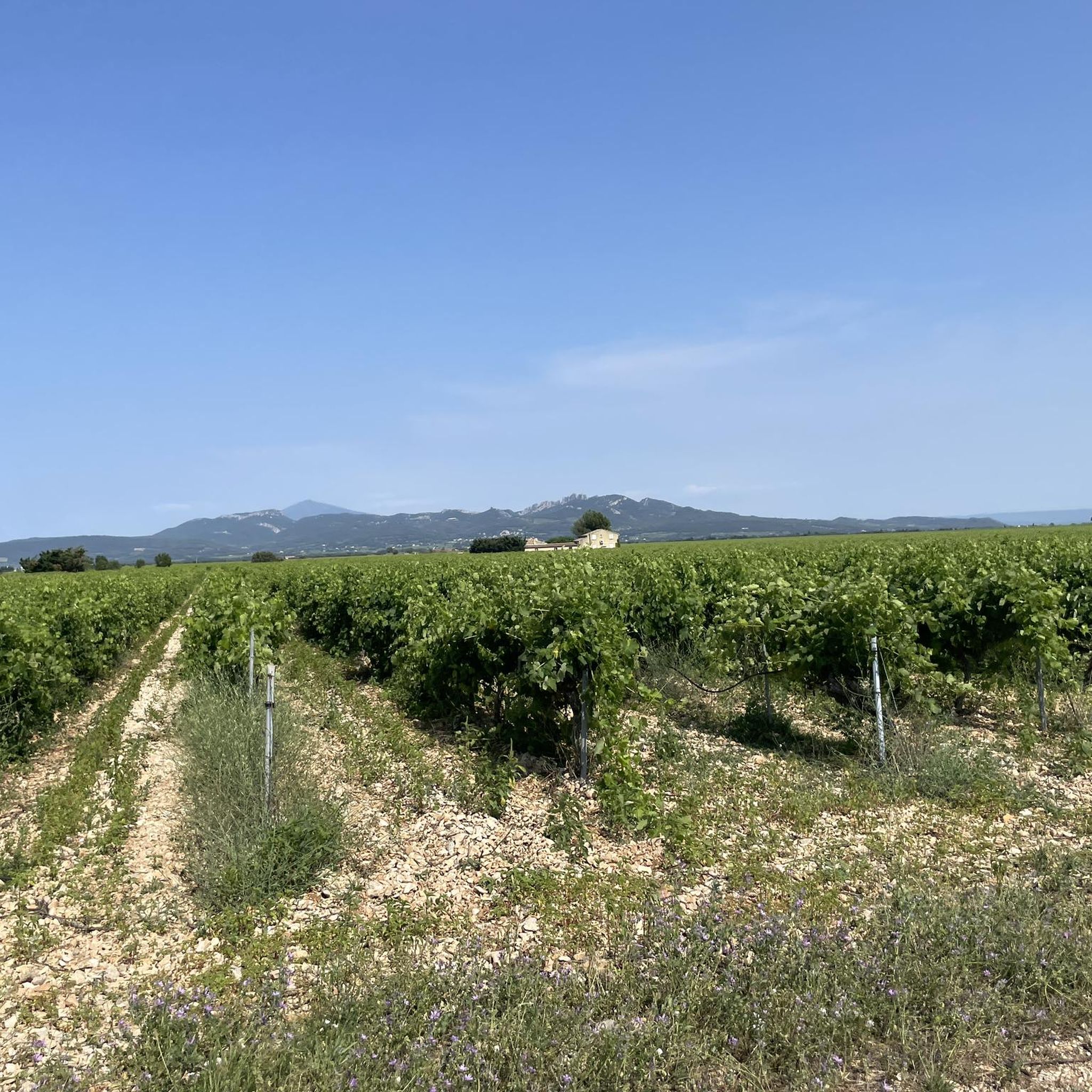
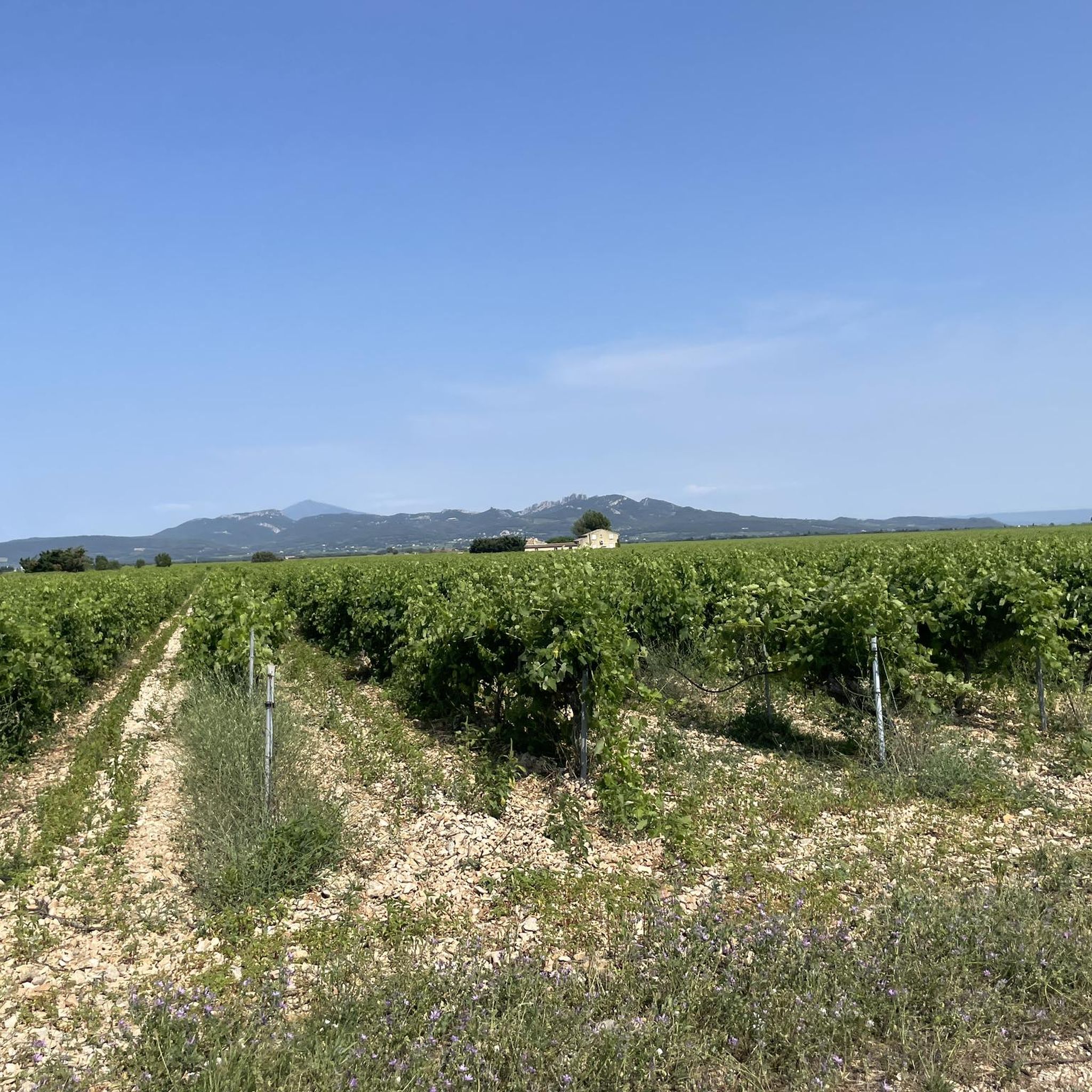
Hiking trails around Camaret-Sur-Aigues traverse a varied landscape within the Comtat Venaissin, characterized by extensive vineyards and areas of garrigue. The region features the jagged peaks of the Dentelles de Montmirail to the east and the forested Hills of Uchaux to the north, offering diverse terrain. The Aygues River valley also contributes to the area's natural composition, providing paths through woodlands and rural settings. This combination of natural features makes the area suitable for various outdoor activities.
Best hiking trails…
Last updated: July 8, 2026
4.8
(6)
17
hikers
14.8km
04:08
270m
270m
Moderate hike. Good fitness required. Easily-accessible paths. Suitable for all skill levels.
3.0
(1)
3
hikers
8.60km
02:12
40m
40m
Moderate hike. Good fitness required. Easily-accessible paths. Suitable for all skill levels.

Sign up for free
5.0
(1)
4
hikers
5.01km
01:16
10m
10m
Easy hike. Great for any fitness level. Easily-accessible paths. Suitable for all skill levels.
3.0
(1)
2
hikers
6.20km
01:40
70m
70m
Easy hike. Great for any fitness level. Easily-accessible paths. Suitable for all skill levels.
9
hikers
7.45km
02:02
110m
110m
Moderate hike. Good fitness required. Easily-accessible paths. Suitable for all skill levels.
Get access to more routes and recommendations from other explorers.
Sign up for free
Already have an account?
Our route recommendations are based on thousands of hikes, rides, and runs completed by other people on komoot.
Start today with a free account
Your next adventure awaits.
Login or Signup
Tips from the Community

The Église Saint-Florent in Orange dates back to the 12th century and impresses with its Romanesque architecture. The intricately carved wooden gate and the capitals inside are particularly worth seeing. The church houses historic frescoes from the Middle Ages. Located right in the old town, it's a great place to combine with a walk to the Roman theater.
0
0
The Monument des Morts pour la Patrie in Orange commemorates the fallen of the World Wars. It is centrally located on the Place de la République and impresses with its neoclassical architecture. The inscriptions on the marble plaques provide insight into local war history. Visitors appreciate the tranquil atmosphere and the connection to the historic old town.
0
0
Orange's Hôtel de Ville is located on Place Georges Clémenceau and was originally built in the 17th century as the Hôtel de Lubières. A bell tower was added in the 18th century and is now a listed historic monument. The building was extensively renovated in 1880 and has since been classified as a historic monument. In addition to serving as the town hall, it also houses the Museum of Art and History of Orange, located opposite the ancient theater. The museum includes several departments, including a Gallo-Roman collection and a section on the city's history from prehistory to the present day.
0
0

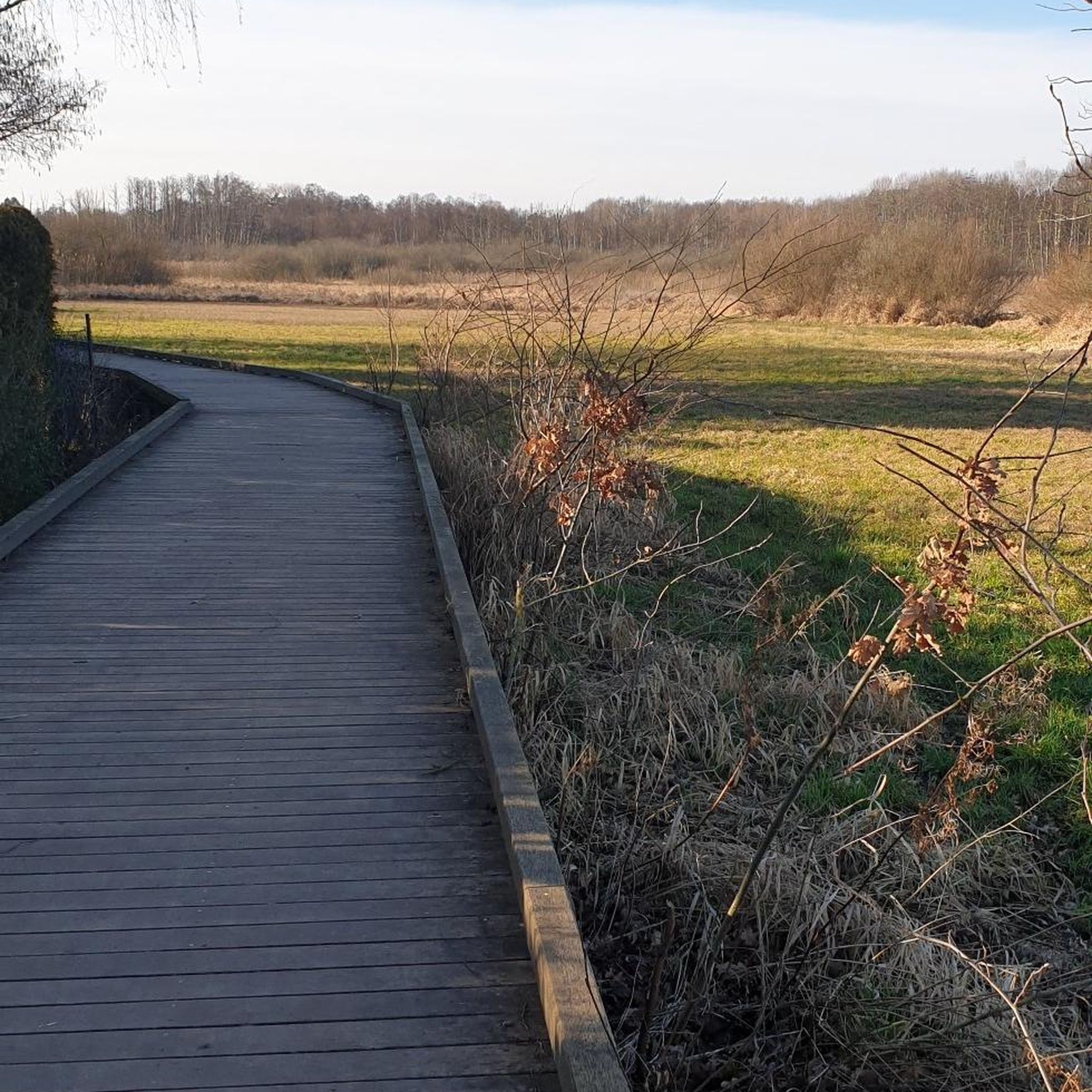
varied paths, beautiful views
0
0

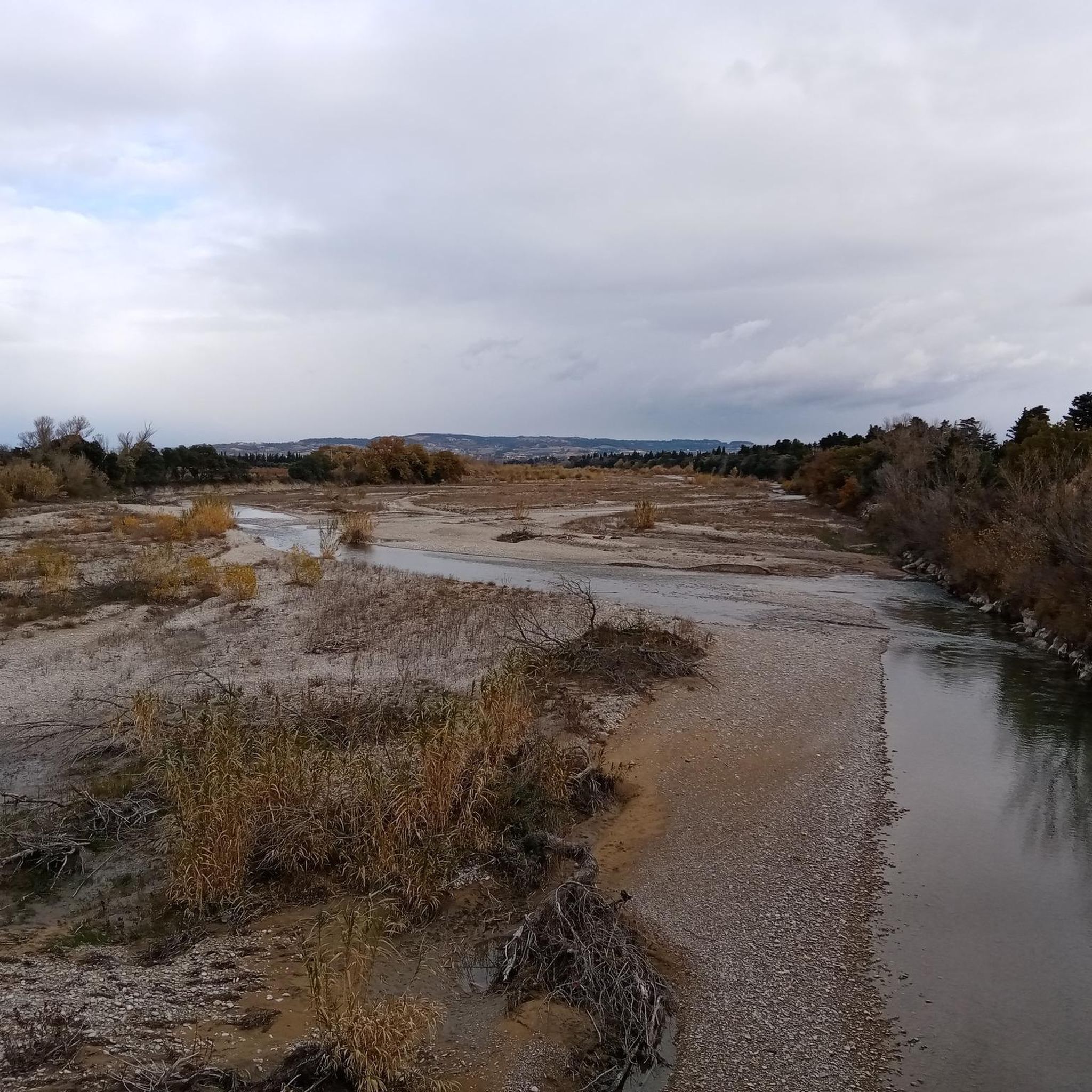
Small, refreshing and soothing river with the sound of water in the heart of the city
2
0

Dominating the Orange plain, this castle was once used to monitor the Roman road which led to Orange. It is part of a group which brings together the ruins of the castle and the Saint-Michel chapel.
2
0
Located north of the town of Orange, this charming little village has shopping streets with everything you need to get in shape. It is also the village of origin of Jean-Henri Fabre, a renowned entomologist and botanist.
1
0

Acquired by the city in 1713, the Hôtel de Lubières became Orange's town hall. The façade and the architectural ensemble have been extended and remodeled and are different from the original buildings.
1
0
Frequently Asked Questions
How many hiking trails are available around Camaret-Sur-Aigues?
There are over 200 hiking trails around Camaret-Sur-Aigues, offering a wide variety of options for all skill levels. This includes 81 easy, 106 moderate, and 33 difficult routes.
What types of landscapes can I expect to see while hiking in this region?
The region around Camaret-Sur-Aigues features diverse landscapes. You'll find extensive vineyards, particularly those producing Côtes du Rhône wines, alongside plateaus of garrigue (scrubby vegetation). To the east, the dramatic, jagged peaks of the Dentelles de Montmirail offer more challenging terrain and expansive views, while the forested Hills of Uchaux to the north provide shaded paths and historical sites. The Aygues River valley also contributes to the area's natural beauty.
Are there any easy, family-friendly hiking options?
Yes, there are many easy trails suitable for families. For instance, the Tour of Orange loop from Violès is an easy 5.0 km route through the rural landscape, taking about 1 hour 16 minutes. Another gentle option is the Saint-Florent Church – View of Mont Ventoux loop from Orange, a 6.2 km trail with minimal elevation gain.
Where can I find more challenging hikes in the area?
For more challenging hikes, focus on the eastern part of the region, particularly around the Dentelles de Montmirail. These jagged peaks offer varied terrain and more significant elevation changes, providing a rewarding experience for experienced hikers.
Are there any circular hiking routes available?
Yes, many routes in the area are circular. For example, the Castellas Castle – Le Castellas d'Uchaux loop from Sérignan-du-Comtat is a moderate 14.9 km circular trail exploring historical sites and forested hills. Another option is the Sérignan-du-Comtat loop from Sérignan-du-Comtat, a moderate 7.5 km circular route.
What historical sites or landmarks can I explore while hiking?
The region is rich in history. You can explore medieval fortifications like the Ravelin in Camaret-sur-Aigues itself. The Castellas Castle – Le Castellas d'Uchaux loop takes you past the Castellas Castle and other historical sites in the Hills of Uchaux. Nearby Orange, just 6 km away, boasts well-preserved Roman sites such as the Roman Amphitheatre of Orange. You can also discover other castles like Castellas de Durban Ruins or the Old village of Cairanne.
What do other hikers enjoy most about the trails around Camaret-Sur-Aigues?
The hiking trails around Camaret-Sur-Aigues are highly rated by the komoot community, with an average score of 4.6 stars from over 1,400 reviews. Hikers often praise the diverse terrain, from peaceful vineyard paths and fragrant garrigue to the dramatic views from the Dentelles de Montmirail, as well as the opportunity to discover historical sites along the way.
Is there public transport access to hiking trailheads?
While Camaret-sur-Aigues is well-connected by road, public transport options directly to all trailheads might be limited. It's advisable to check local bus schedules if you plan to rely on public transport, especially for routes starting outside the main villages. Many routes are accessible by car, with parking often available near starting points.
Are there any specific trails that offer views of Mont Ventoux?
Yes, some trails offer glimpses of Mont Ventoux, particularly those with higher elevation or open viewpoints. The Saint-Florent Church – View of Mont Ventoux loop from Orange is an easy route specifically highlighting a view of the iconic mountain.
What is the best time of year to go hiking in Camaret-Sur-Aigues?
The region is pleasant for hiking for much of the year. Spring (April-May) offers blooming wildflowers and comfortable temperatures, while autumn (September-October) provides mild weather and beautiful vineyard colors. Summer can be hot, so early morning or late afternoon hikes are recommended, especially for shaded woodland paths. Winter hiking is also possible, with fewer crowds and crisp air, though some higher areas might be cooler.
Can I combine hiking with other outdoor activities in the area?
Absolutely! The region offers more than just hiking. The ViaRhôna Cycle Route, extending over 800 kilometers, is nearby for cycling enthusiasts. You can also find tree-climbing adventures (accrobranche) and nature-themed escape games in the vicinity, providing a variety of outdoor experiences.
Most popular routes around Camaret-Sur-Aigues
Most popular attractions around Camaret-Sur-Aigues

Get inspired with the komoot mobile app


Explore more
Browse the best Hikes in other regions.
