Attractions and Places To See around Mutigney - Top 19
Best attractions and places to see around Mutigney include a mix of historical landmarks and natural features. This small commune in the Jura department of France offers insights into its past through notable sites, while the surrounding region provides diverse landscapes. Mutigney overlooks the Ognon plain, connecting visitors to both cultural heritage and the natural beauty of the Jura.
Best attractions and places to see around Mutigney
- The most popular attractions is Pontailler-sur-Saône, a settlement that offers everything needed…
Last updated: October 5, 2026
Saint-Hilaire Gate
Highlight • Historical Site
Translated by Google •
Tip by

The Forges of Pesmes
Highlight (Segment) • Historical Site
For the "Musée des Forges" there are only …
Translated by Google •
Tip by
Sign up now to discover places like this
Get recommendations on the best single tracks, peaks, & plenty of other exciting outdoor places.
Croix Boyon
Highlight • Monument
Translated by Google •
Tip by

Pontailler-sur-Saône
Highlight • Settlement
Translated by Google •
Tip by

Saint Maurice of Pontailler-sur-Saône
Highlight • Other
Translated by Google •
Tip by

Sign up for free to discover even more attractions around Mutigney.
Already have an account?
Start today with a free account
Your next adventure awaits.


Tips from the Community

It was through the Saint-Hilaire gate that, in 1477, the French soldiers of Louis XI invaded the town. Using the Trojan Horse ruse, Marshal de Craon brought carts filled with barrels and wheat from the villages of Mutigney and Chassey. The inhabitants of Pesmes allowed the carts to enter, and as soon as they passed through the gate, the soldiers appeared.
0
0
For over 300 years, the blast furnaces, renowned throughout France, produced cannonballs initially for the King's army and later for the armies of the Republic. From the 19th century onward, this industry shifted to manufacturing small agricultural and winemaking tools. Guided tours are available by reservation through Culture et Animations Pesmoises.
0
0
With its imperial bell tower typical of the Franche-Comté region, the Church invites you to travel back in time through its construction where the 13th, 14th and 16th centuries intertwine and offers you a journey through varied artistic influences: Burgundian, Comtois and Champenoise.
0
0

In Hans-Peter Kerkeling's book "Ich bin dann mal weg" (I'm Off Then), in which he describes his thoughts and experiences on the Way of St. James through northern Spain, which he walked in June/July 2001, the popular entertainer draws his own personal conclusion before returning from Santiago de Compostela. I would like to offer this final thought, likely matured over weeks on the Camino Frances, to the viewer of this small sacred monument in the form of a wayside cross: "God is the one individual who opens himself infinitely to liberate all. (...) The Creator throws us into the air, only to surprisingly catch us again at the end. It's like the exuberant game that parents play with their children. And the message is: Have faith in the one who throws you, because he loves you and, quite unexpectedly, will also be the catcher. And when I look back, God constantly threw me into the air and caught me again along the way. We met every day." (Hape Kerkeling in “I’m off then. My journey on the Way of St. James”)
0
0
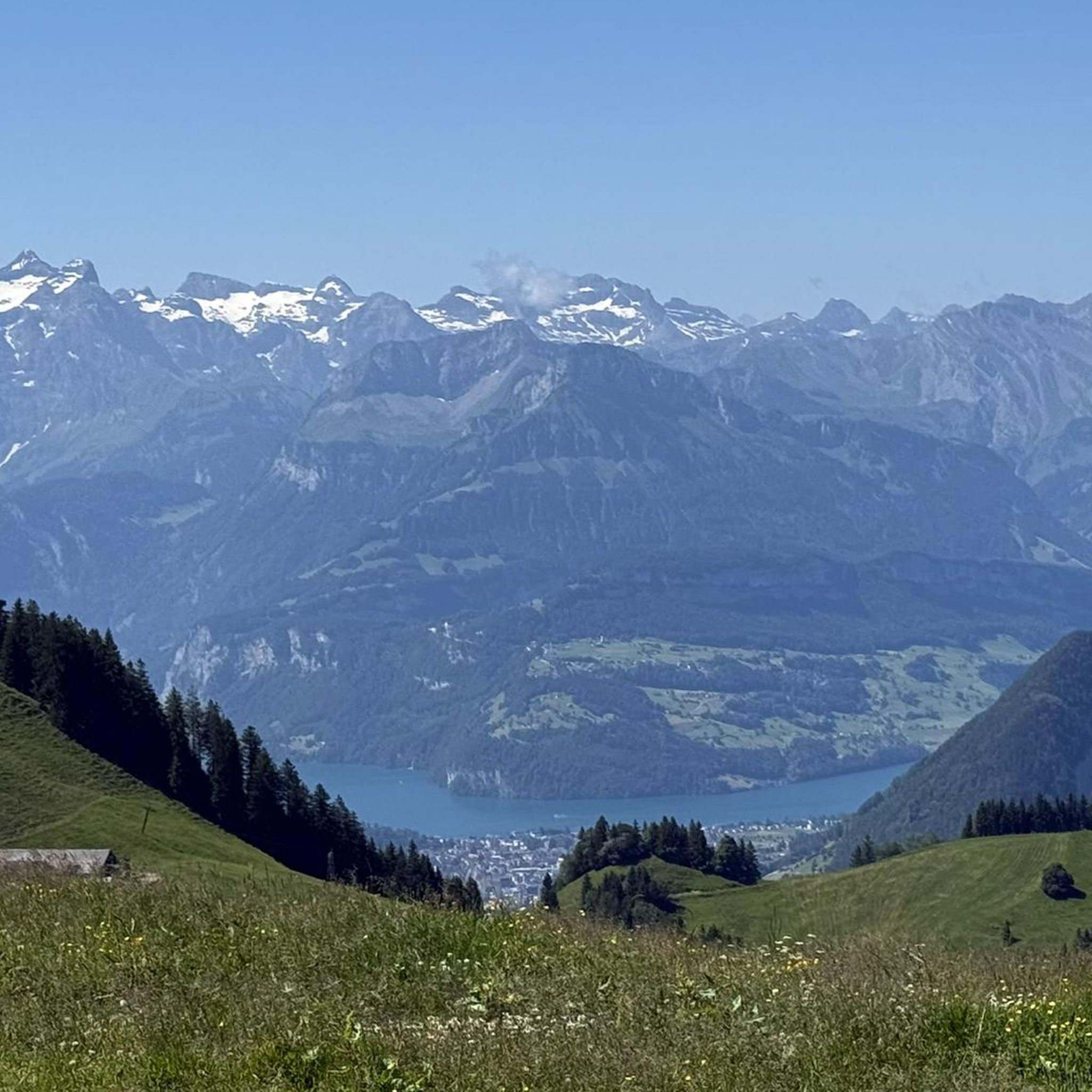
Even though this small sacred monument is not located on the famous Way of St. James through northern Spain, in view of the wayside cross standing here, some thoughts by Hape (Hans-Peter) Kerkeling might be helpful as inspiration. The entertainer, who is particularly famous in Germany, walked the Camino Frances in 2001 and kept a diary, which was published under the title "Ich bin dann mal weg" (I'm off then). In it, he describes his personal encounter with God along the way as follows: "Yesterday, something inside me struck a huge gong. And the sound will reverberate. Sooner or later, this path shakes everyone to their very foundations. I know the sound will slowly fade, but if I listen carefully, I'll be able to hear this reverberation for a very long time to come."
1
0

The Church of Saint Maurice was built between 1834 and 1839 according to plans by the Dijon architect Fénéon-Damotte. It follows the traditions of neoclassical churches built in the first half of the 19th century. A façade bell tower is preceded by a peristyle with a pediment supported by four Doric columns. The church has the unique feature of being built on submerged oak trees, as it is actually located in the old branch of the Saône, which was diverted.
0
0

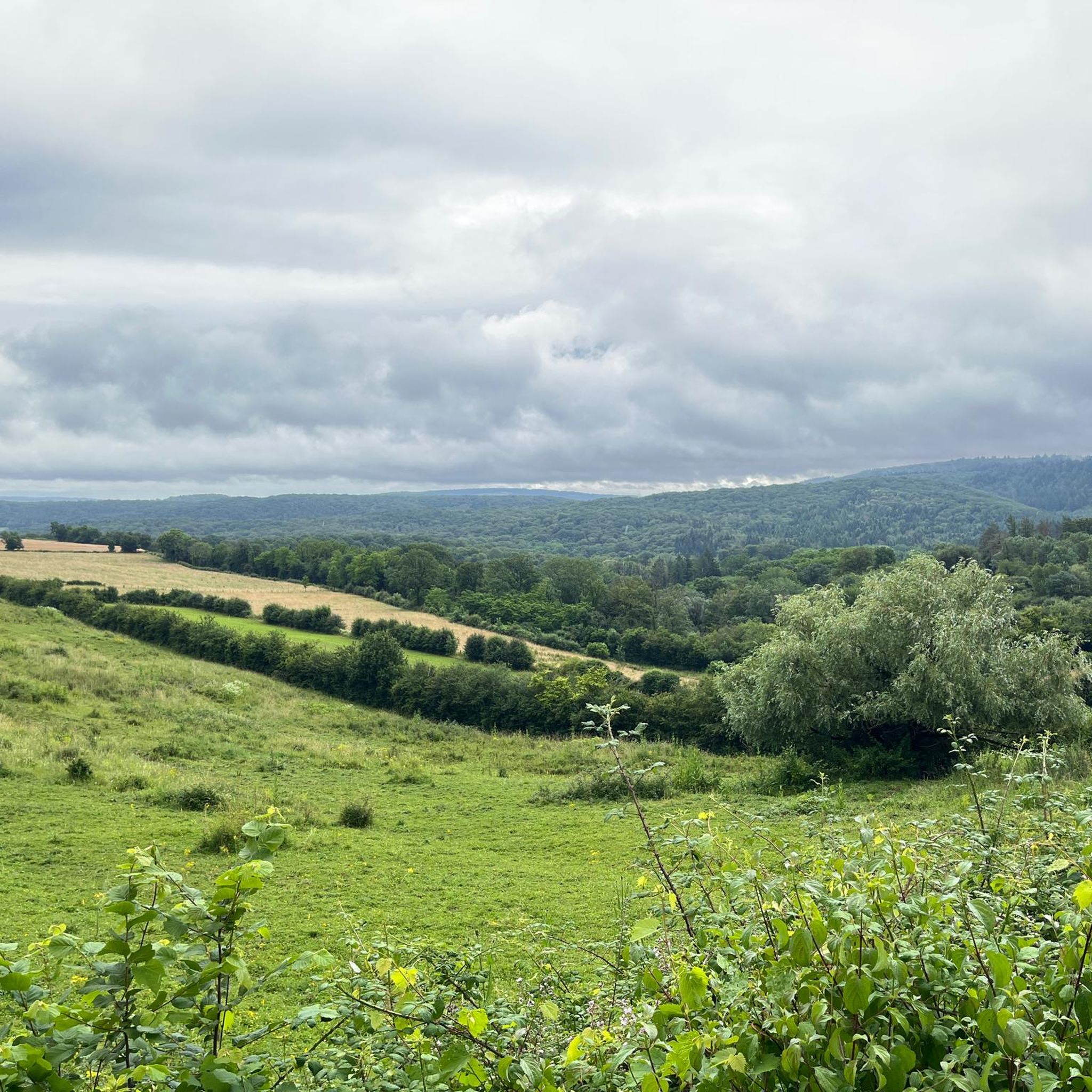
Very nice walk in the forest of the greenhouse. Sometimes the path runs along the stream, very pleasant when it is hot Recommended
0
0

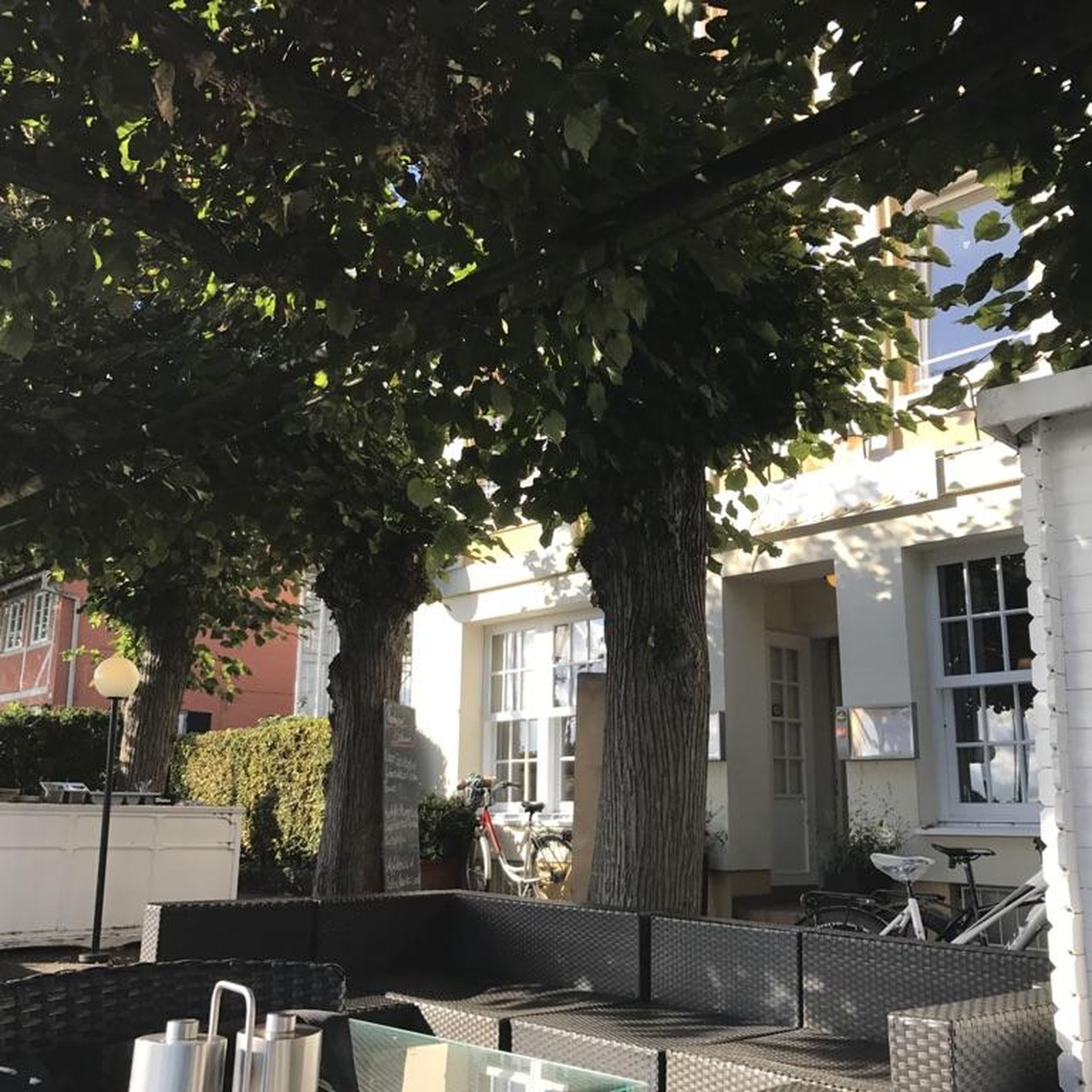
A good place to stay overnight if you can find a free room.
5
3
Frequently Asked Questions
What historical sites can I visit in and around Mutigney?
Mutigney itself is home to the historic Château de Mutigney, built in 1450, and 18th-century Lavoirs-Fontaines with petrified fountains. Nearby, you can explore the 16th-century Saint-Hilaire Gate in Pesmes, one of the last remaining gates of the village. Pesmes also features The Forges of Pesmes, an industrial monument with a museum. Further afield, the UNESCO World Heritage site of the Royal Saltworks of Arc-et-Senans is about 32 km away.
Are there any natural attractions or features to explore near Mutigney?
Yes, the region offers several natural points of interest. You can visit Hermitage Cave in the Serre massif, a unique natural curiosity shaped by erosion and human intervention. Mutigney also overlooks the Ognon plain, and the broader Jura Mountains region provides diverse natural landscapes including mountain passes, valleys, cliffs, forests, lakes, rivers, and waterfalls.
What outdoor activities are available around Mutigney?
The area around Mutigney is excellent for outdoor activities. You can find numerous options for hiking, road cycling, and gravel biking. For hiking, consider routes like "The Forges of Pesmes – Saint-Hilaire Gate loop from Pesmes" (8.2 km, moderate) or "Hiking loop from Pesmes" (10 km, moderate). Cyclists can enjoy the "Loop of the Forges" (30.9 km, easy) for road cycling or the "Croix Boyon – Hermitage Cave loop from Offlanges" (33.6 km, difficult) for gravel biking. You can find more routes and details in the Hiking around Mutigney, Road Cycling Routes around Mutigney, and Gravel biking around Mutigney guides.
Are there family-friendly attractions or activities in the area?
Absolutely. Pontailler-sur-Saône is a great family-friendly destination, offering shops, refreshments, a safe swimming area, a charming marina, and playgrounds for children. The Saint-Hilaire Gate in Pesmes is also suitable for families interested in historical sites. Many of the easier hiking and cycling routes mentioned in the outdoor activities section are also suitable for families.
What is the best time to visit Mutigney for outdoor activities?
The broader Jura Mountains region, including Mutigney, is excellent for nature lovers and outdoor activities. Spring and autumn generally offer pleasant temperatures for hiking and cycling. Summer is ideal for activities involving water, such as swimming at Pontailler-sur-Saône. Winters can be cold, but the region is known for its diverse landscapes, which can be beautiful year-round.
Where can I find amenities like shops or refreshments near Mutigney?
For a range of amenities, Pontailler-sur-Saône is a recommended spot. It provides shops, bars for refreshments, and other facilities. The nearby village of Pesmes, considered one of the most beautiful in Franche-Comté, also offers local cafes and pubs.
What is <a href="https://www.komoot.com/highlight/6733568" target="_blank" rel="noopener">Croix Boyon</a> and why is it significant?
Croix Boyon is a man-made monument located in the middle of a forest near Mutigney. It is the largest sacred monument of its kind in the area and serves as a significant landmark. Visitors often find it a contemplative spot during walks, appreciating its historical and spiritual presence.
Are there any viewpoints in the Mutigney area?
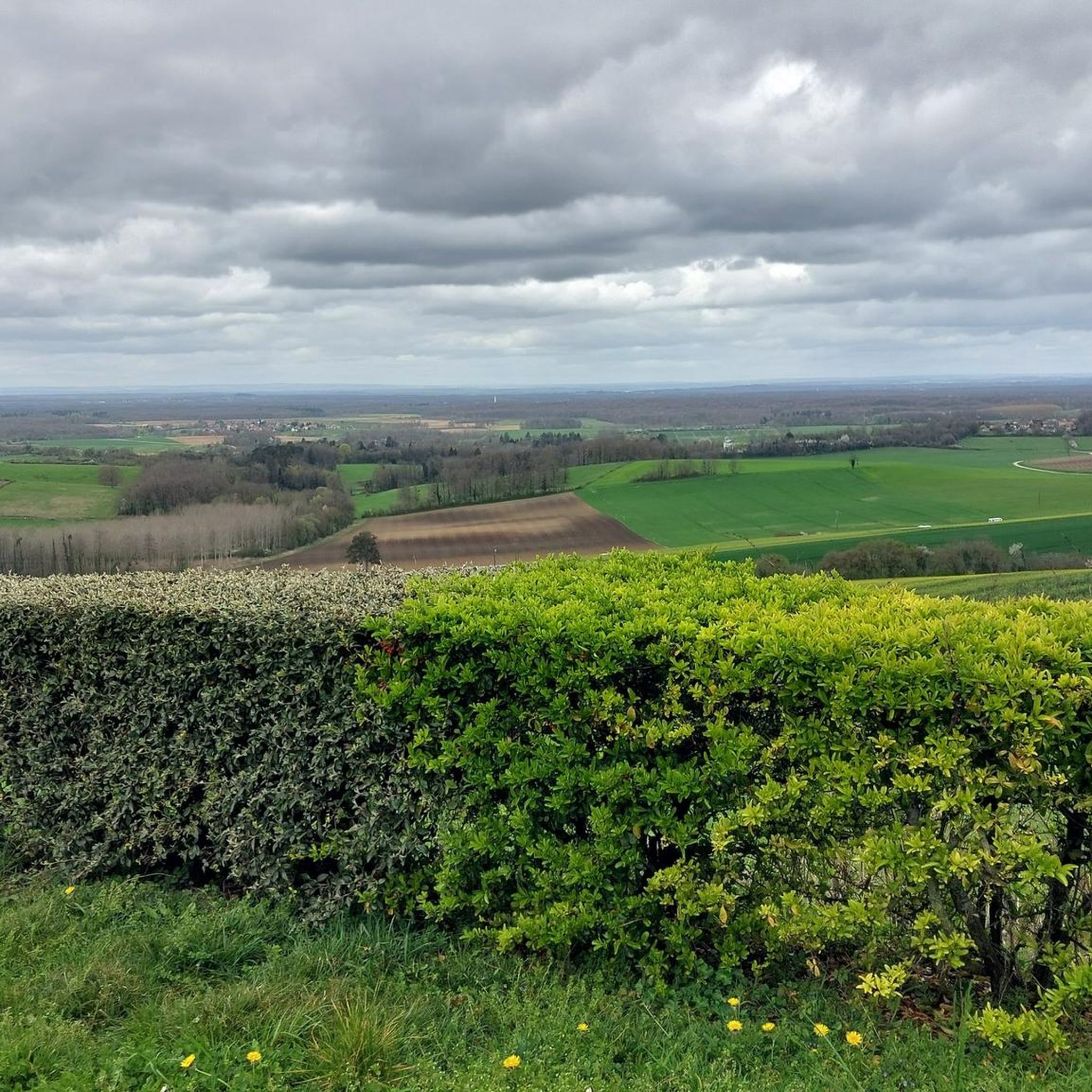
Mutigney itself is situated overlooking the Ognon plain, offering scenic views. The Croix Boyon highlight is also noted as a viewpoint within the forest. Additionally, Pontailler-sur-Saône provides lovely views of the Saône river.
What is the significance of Pesmes in relation to Mutigney?
Pesmes is a historically rich village located just 2 km from Mutigney and is considered one of the most beautiful villages in Franche-Comté. It features the 16th-century Saint-Hilaire Gate and The Forges of Pesmes, an industrial monument. Mutigney's history is also intertwined with Pesmes, as iron ore extracted in Mutigney was historically used by the forges there.
Can I find information about the Château de Mutigney?
The Château de Mutigney is a significant historic landmark in the commune, constructed in 1450. It features a main building flanked by two round towers and an octagonal tower, with six Gothic fireplaces inside. It has been inscribed as a historical monument since 1971. While the guide does not provide specific visitor information, you can find more historical details on Wikipedia.
What are the Lavoirs-Fontaines in Mutigney?
The Lavoirs-Fontaines are historic washhouses with fountains in Mutigney, dating back to the 18th century. They are notable for their stone bossages and petrified fountains, which share similarities with the works of Claude-Nicolas Ledoux. One is located on Rue Saint-Souplet and another on Rue du Château, both listed as historical monuments since 1979.
Most popular routes around Mutigney

Get inspired with the komoot mobile app


Explore more
Still not found the Highlight you’re looking for? See guides of the top attractions in other regions:
