Attractions and Places To See around Boynes - Top 19
Best attractions and places to see around Boynes, a commune in the Loiret department of France, offers access to historical sites and natural beauty. The area was historically known for saffron production, with a museum dedicated to this heritage. Boynes serves as a base for exploring landmarks, cultural sites, and natural features within a short distance.
Best attractions and places to see around Boynes
- The most popular attractions is Saint Lubin Chapel, a historical site that was never completed…
Last updated: June 17, 2026
Manoir de La Taille (Château de Bondaroy)
Highlight • Castle
Translated by Google •
Tip by

St. Lubin Church
Highlight • Other
From the town website:
In the 13th century, the inhabitants of Yèvre-le-Châtel obtained permission from …
Tip by

Sign up now to discover places like this
Get recommendations on the best single tracks, peaks, & plenty of other exciting outdoor places.
Sign up for free
Saint Lubin Chapel
Highlight • Historical Site
Translated by Google •
Tip by

Yèvre-le-Châtel
Highlight • Castle
Translated by Google •
Tip by
Moulin de la Porte Marsh
Highlight • Natural
Popular with walkers, the …
Translated by Google •
Tip by

Sign up for free to discover even more attractions around Boynes.
Sign up for free
Already have an account?
Start today with a free account
Your next adventure awaits.
Login or Signup



Tips from the Community

The unfinished church built after the other church near the Châtel in the 13th century. From the town website: In the 13th century, the inhabitants of Yèvre-le-Châtel obtained permission from the Bishop of Orléans to build a parish church in the cemetery. However, following the intervention of the monks of Saint-Benoit-sur-Loire, the bishop reversed his decision and work was interrupted. Work resumed after the Hundred Years' War, but the church was never completed. Furthermore, in 1708, the bishop authorized the sale of stones and materials that had fallen onto the ground, resulting in Saint-Lubin being both unfinished and in ruins. The building, with a single nave and two bays, is perfectly homogeneous. The structure, in the shape of a Latin cross, ends with a flat chevet, characteristic of the 13th century. The romantic remains of this church were admired by Victor Hugo in the 19th century.
0
0

Very beautiful village which is definitely worth the detour. You can notably discover its castle, built in the 13th century under Philippe Auguste. Don't hesitate to dismount and take a walk in the pedestrian part of the village.
0
0

The Manoir de la Taille, also known as the Château de Bondaroy, is a fortified manor house which dates from the 14th century and was the birthplace of two Renaissance poets, Jean and Jacques de La Taille. You can admire the impressive facade, towers and gatehouse, as well as the surrounding countryside. You can also explore the neighboring town of Pithiviers, which has a rich heritage and a famous pastry, the pithivier.
2
0

The Manor of La Taille, also called Château de Bondaroy, is a fortified manor whose construction dates back to the 14th century. Opulent construction, it does not leave indifferent the walkers who follow its thick walls. Listed in the register of historical monuments in 1974, the manor is now a private property. Banquets and seminars are sometimes organized there and it is possible to visit the place during the summer.
0
0
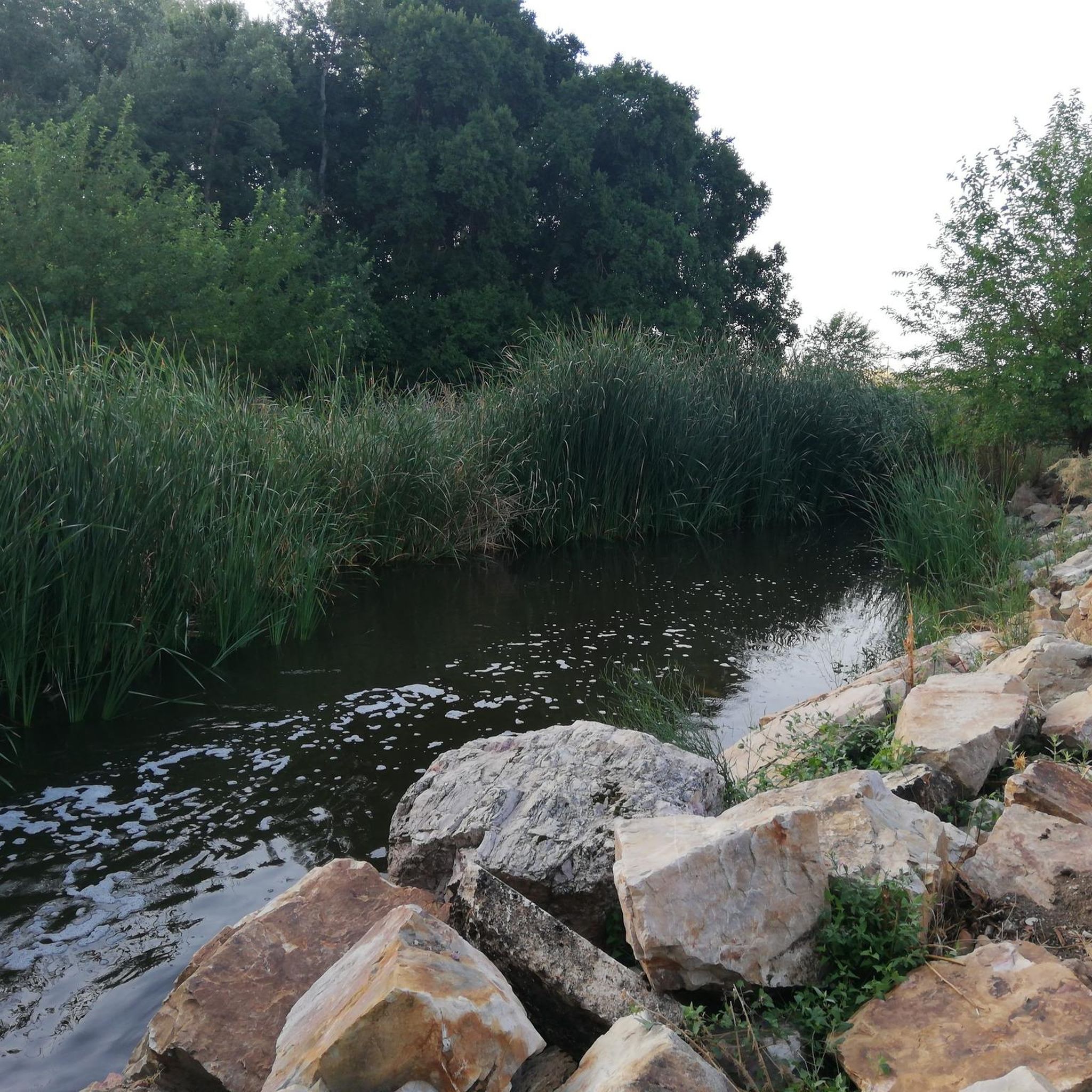
The Moulin de la Porte marsh is an ecological setting located to the east of Pithiviers. A variety of flora and fauna inhabit this 20-hectare wetland. Popular with walkers, the marsh is also a leisure activity for hikers who travel through the Egg Valley. In the heart of the marsh, a discovery trail decorated with educational panels tells you more about the richness of its nature.
0
0

Yevres-le-Chatel. A romantic and unusual stopover
0
0

Very pretty village, worth a visit.
1
0

At its height of popularity, the town of Yèvre-le-Châtel obtained permission to build a second church outside its fortifications. However, this church was never completed, as the village declined following the Hundred Years' War. The ruins moved Victor Hugo, who described them in a romantic style, and the resulting renewed renown led to their classification as historical monuments.
1
0
Frequently Asked Questions
What historical sites can I visit around Boynes?
The region around Boynes is rich in history. You can explore the 14th-century fortified manor, Manoir de La Taille (Château de Bondaroy), which was the birthplace of two Renaissance poets. Don't miss the ruins of Saint Lubin Chapel, an unfinished 13th-century church that inspired Victor Hugo. The Yèvre-le-Châtel medieval fortress and its churches are also significant historical landmarks.
Are there natural attractions or parks to explore near Boynes?
Yes, nature lovers will enjoy the Moulin de la Porte Marsh, a 20-hectare wetland east of Pithiviers, home to diverse flora and fauna with a discovery trail. Further afield, you can visit the Arboretum des Grandes Bruyères or the Parc Floral de la Source near Orléans. The region is also situated between the extensive Forests of Fontainebleau and Orléans, offering many opportunities to enjoy nature.
What activities are suitable for families in the Boynes area?
Families can enjoy exploring the Moulin de la Porte Marsh, which features a discovery trail with educational panels about its natural richness. The charming village of Yèvre-le-Châtel, with its medieval castle and picturesque streets, is also a delightful place for a family stroll. The Saint Lubin Chapel ruins offer a unique historical experience.
Where can I go hiking near Boynes?
There are several hiking opportunities around Boynes. You can find routes like the 'Yèvre-le-Châtel and the three valleys' or the 'Château de Yèvre-le-Châtel – Moulin de la Porte Marsh loop'. For more options, including various difficulty levels, check out the full guide on Hiking around Boynes.
Are there options for cycling around Boynes?
Yes, the area offers several road cycling routes. Popular options include loops connecting Saint Lubin Chapel and Yèvre-le-Châtel, with distances ranging from easy to moderate. For a comprehensive list of routes, visit the Road Cycling Routes around Boynes guide.
What is Boynes historically known for?
Boynes was historically renowned as the world capital of saffron from the 16th to the 19th century. This rich heritage is celebrated at the Musée du Safran, where you can learn about saffron production and its local history.
What makes Yèvre-le-Châtel a special place to visit?
Yèvre-le-Châtel is classified as one of France's 'Most Beautiful Villages'. It features a well-preserved medieval fortress with four prominent towers, the churches of Saint-Gault and Saint-Lubin, and charming flowered streets lined with old limestone houses. It's a picturesque village perfect for exploring on foot.
When is the best time of year to visit Boynes and its surroundings?
The spring and summer months are ideal for visiting Boynes, especially if you plan to explore the beautiful gardens like the Arboretum des Grandes Bruyères or those along the 'Route de la Rose'. The weather is also pleasant for hiking and cycling during these seasons. Autumn offers beautiful foliage in the nearby forests.
Are there any lesser-known spots or 'hidden gems' worth discovering?
Beyond the main attractions, consider visiting the Moulin de Bouffault, one of the many historic mills that once operated on the Oeuf river, showcasing ancient water-powered technology. The nearby town of Bellegarde also features an attractive moated castle, offering a glimpse into traditional French architecture.
Can I find running trails near Boynes?
Yes, there are several running trails available. You can find routes such as the 'Moulin de la Porte Marsh – Bouville Castle loop' or the 'Saint Lubin Chapel – Château de Yèvre-le-Châtel loop'. For more detailed information on distances and difficulty, refer to the Running Trails around Boynes guide.
What kind of flora and fauna can I expect to see in the natural areas?
At the Moulin de la Porte Marsh, you can observe a variety of wetland flora and fauna. The educational panels along its discovery trail provide insights into the specific species inhabiting this ecological setting. The surrounding forests and arboretums also host diverse plant life and local wildlife.
What is the significance of the Manoir de La Taille?
The Manoir de La Taille, also known as the Château de Bondaroy, is a fortified manor dating back to the 14th century. It is historically significant as the birthplace of two notable Renaissance poets, Jean and Jacques de La Taille. Its impressive facade, towers, and gatehouse make it a remarkable architectural site.
Most popular attractions around Boynes

Get inspired with the komoot mobile app


Explore more
Still not found the Highlight you’re looking for? See guides of the top attractions in other regions:
