Attractions and Places To See around Aulnois-Sous-Laon - Top 20
Attractions and places to see around Aulnois-Sous-Laon provide access to the historical and cultural sites of the nearby city of Laon. The region is characterized by Laon's prominent location on a table mountain, featuring significant medieval architecture and fortifications. The surrounding area offers opportunities for outdoor activities such as hiking and cycling.
Best attractions and places to see around Aulnois-Sous-Laon
- The most popular attraction is Notre-Dame Cathedral, a religious site that is a pivotal example of early Gothic architecture…
Last updated: July 7, 2026
Notre-Dame Cathedral
Highlight • Other
Translated by Google •
Tip by

Porte d'Ardon
Highlight • Monument
Translated by Google •
Tip by
Sign up now to discover places like this
Get recommendations on the best single tracks, peaks, & plenty of other exciting outdoor places.
Sign up for free
Laon Old Town — Murals and Fortifications
Highlight • Historical Site
Translated by Google •
Tip by

Porte de Soissons
Highlight • Other
Translated by Google •
Tip by
Saint-Martin abbey
Highlight • Monument
Translated by Google •
Tip by
Sign up for free to discover even more attractions around Aulnois-Sous-Laon.
Sign up for free
Already have an account?
Start today with a free account
Your next adventure awaits.
Login or Signup


Tips from the Community

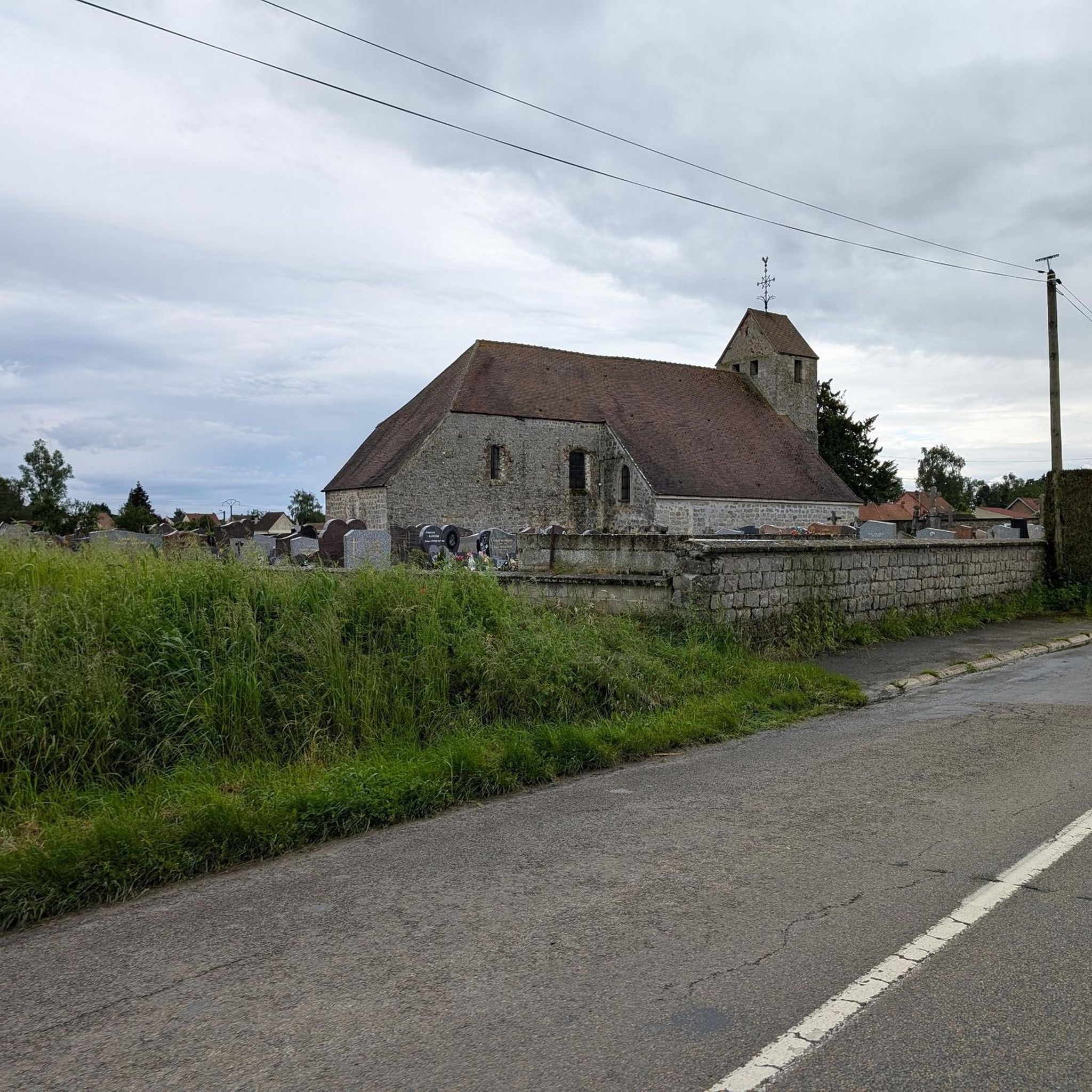
This austere church, contemporary with the cathedral, is a fine example of 12th-century monastic architecture. With its two historiated side tympana, the façade is later, dating from around 1270. Inside, the 17th- and 18th-century woodwork and some elements of medieval funerary sculpture are noteworthy.
0
0


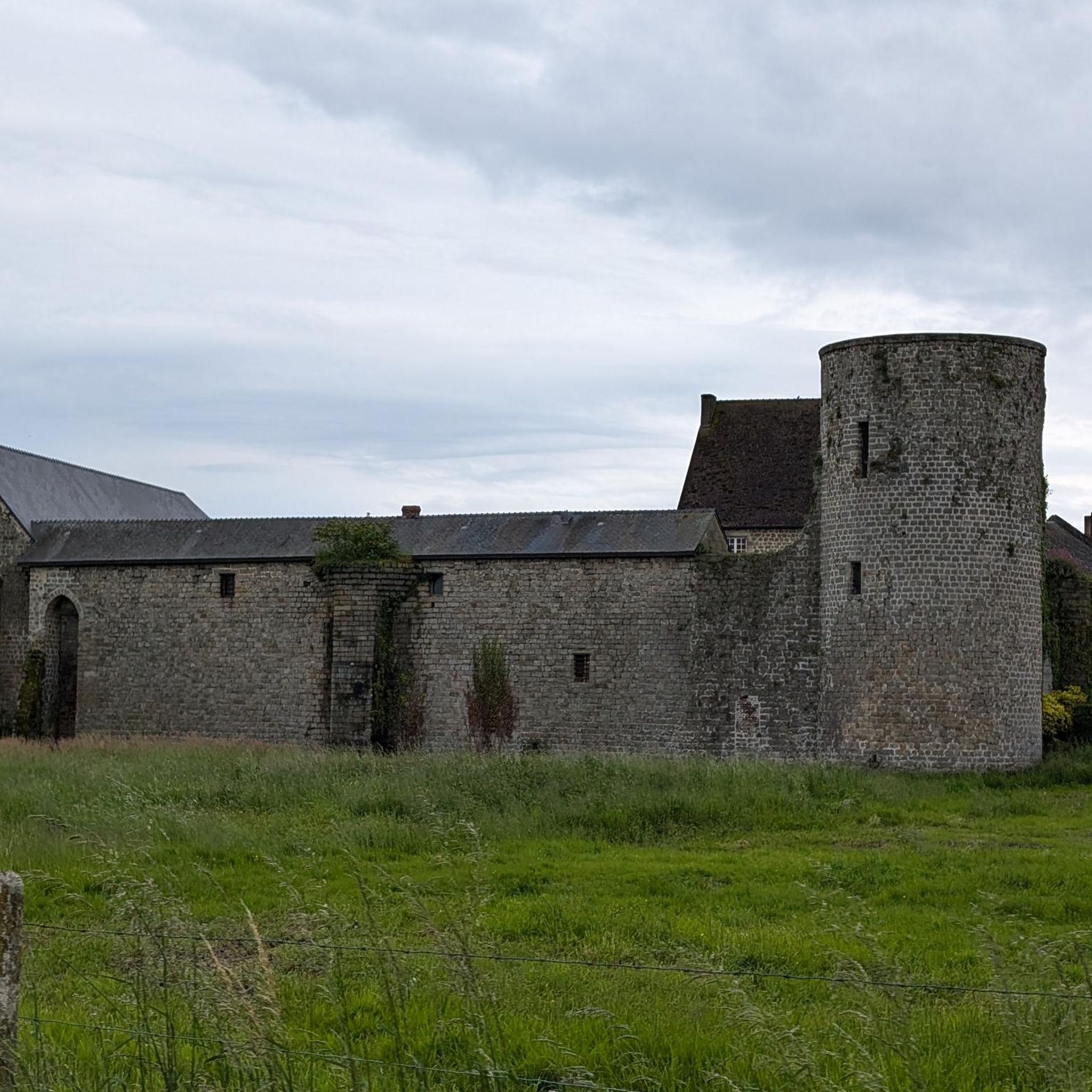
The Porte d’Ardon is one of the medieval city gates of Laon. The current structure dates from the 13th and 14th centuries. Originally, this gate was called “Porte Royée” because of its proximity to the royal palace of Laon. The gate consists of a châtelet with a portcullis and used to have doors. There was also a barbican, but this has now disappeared. Under the gate there was a fountain and wash houses, some of which still exist. The Porte d’Ardon was classified as a historical monument in 1909.
9
0
The Porte de Soissons is a medieval city gate in Laon. It is one of the three remaining city gates of Laon and was built at the beginning of the 13th century when the fortifications were resumed. The gate is located in the south-west of the medieval city and is built of sandstone and limestone. The gate was originally known as the Porte Saint-Martin or Soibert, but was later renamed after the nearby town of Soissons. The rear of the gate (which was demolished in 1895) offers a cross-section of this type of defensive system: a vaulted room on the first floor, giving access to the harrow and the machicolation.
12
1
The Église Saint-Martin in Laon, located in the Aisne department, France, is an impressive example of medieval architecture. Let's look at the history and features of this church: Historical background: Construction of the Église Saint-Martin began in the second half of the 12th century. It was originally intended for a congregation of Premonstratensians. The construction followed a chronological order: first the choir (around 1160), then covered with a wooden roof between 1226 and 1240, followed by the transept and the nave. Around 1190 the original wooden roof was replaced by a vault supported by buttresses. The southern facade of the transept was also built. Construction of the towers continued until the end of the 13th century, with the original spiers removed in 1605. The western facade was only started around 1270. In addition, an abbey palace and a pavilion were built in the garden, known as the “vide-bouteilles” (bottle rack), between 1616 and 1621. After the French Revolution: After the French Revolution, the church became a parish church, while the other buildings were transformed into a hospital in 1810. In 1944 a bombardment was carried out which destroyed all the surrounding buildings, exposing the medieval facades of the cellar and refectory. The building was classified as a historic monument in 1862 and registered in 1951.
8
0

Here, the city walker will find an early masterpiece of Gothic architecture, a style often found in this part of France – Chartres and Reims, for example, attract enthusiastic international visitors and are far more famous than Laon. In the following 13th century, many Gothic churches were built, not only in their country of origin, France, but also beyond the country's borders, where this sky-high, light-filled architectural style was now in great demand for new churches (for example, the laying of the foundation stone for Cologne Cathedral in 1248).
3
0

Loan is a medieval town on a mesa. A trip is very worthwhile! I would always prefer visiting Reims.
1
1
Frequently Asked Questions
What historical and cultural sites can I explore around Aulnois-Sous-Laon?
The region is rich in history, primarily centered around the nearby city of Laon. You can visit the magnificent Notre-Dame Cathedral, a pivotal example of early Gothic architecture. Explore the medieval fortifications and buildings of Laon Old Town — Murals and Fortifications, which is the largest contiguous protected area in France. Don't miss the historic city gates like Porte d'Ardon and Porte de Soissons, or the former Saint-Martin abbey.
Are there opportunities for outdoor activities like hiking and cycling near Aulnois-Sous-Laon?
Yes, the area around Aulnois-Sous-Laon and Laon is well-suited for outdoor adventures. You can find various routes for hiking, cycling, and running. For hiking, consider the easy 'Circuit of the Ramparts of Laon' or the moderate 'Porte de Soissons – Ramparts of Laon loop'. Cyclists can explore routes like the 'Lake Monampteuil – Lac de l'Ailette loop'. Discover more options on the dedicated guides for hiking, cycling, and running trails around Aulnois-Sous-Laon.
What natural features or scenic spots can I find in the region?
While Aulnois-Sous-Laon itself is a small commune, the broader Pays de Laon region offers natural beauty. The city of Laon is famously situated on a prominent cuesta (witness mountain), providing unique elevated views. You can also explore sites like the Hottée de Gargantua, located west of Laon, or enjoy the natural setting of Domaine des Vieux Chênes in Aulnois-sous-Laon, known for its hundred-year-old oak trees.
What is the Laon Old Town known for?
Laon Old Town — Murals and Fortifications is renowned for being a historic fortified area situated on a table mountain. It boasts the largest contiguous protected area in France and features numerous well-preserved medieval buildings and impressive ramparts. Visitors often enjoy exploring its historical structures and the murals found in its side alleys.
Is the Notre-Dame Cathedral in Laon accessible to visitors?
Yes, the Notre-Dame Cathedral in Laon is open to visitors. It is a significant example of early Gothic architecture from the 12th century and can be seen from afar due to its prominent location on a witness mountain. It's considered one of the most important cathedrals of its period in France.
Are there any museums in the area?
Yes, the Municipal Archaeological Museum, located in Laon, offers extensive collections. It houses regional archaeology, fine arts, decorative arts, and ethnological pieces, tracing daily life in Aisne from prehistory to the Renaissance. Notably, it has one of France's richest Mediterranean antiquity collections outside the Louvre, and offers free entry to its exhibitions.
What do visitors enjoy most about the attractions around Aulnois-Sous-Laon?
Visitors frequently appreciate the rich historical significance and well-preserved medieval architecture, particularly in Laon. The unique setting of the old town on a table mountain, the grandeur of the Notre-Dame Cathedral, and the impressive city gates like Porte d'Ardon are often highlighted. The opportunities for outdoor activities such as hiking and cycling along the ramparts and in the surrounding natural landscapes also receive positive feedback.
Can I find local products or producers around Aulnois-Sous-Laon?
Yes, the region offers opportunities to discover local producers. While specific details are not provided, exploring the local markets or specialty shops in Aulnois-Sous-Laon and nearby Laon can lead you to regional delicacies and crafts. For more information on local offerings, you might check the local tourism office website: tourisme-paysdelaon.com.
What is the significance of Porte d'Ardon?
The Porte d'Ardon is one of Laon's medieval city gates, with its current structure dating from the 13th and 14th centuries. Originally known as 'Porte Royée' due to its proximity to the royal palace, it features a châtelet with a portcullis. Beneath the gate, some of the original fountain and wash houses still exist, adding to its historical charm.
Are there any easy hiking trails suitable for beginners or families?
Yes, for those looking for easier walks, the 'Circuit of the Ramparts of Laon' is an easy hiking route that allows you to explore the historic fortifications. You can find more details and other easy options on the hiking guide for Aulnois-Sous-Laon.
What is the best way to get around Laon's Old Town?
Laon's Old Town, situated on a table mountain, is best explored on foot. Its narrow streets, ramparts, and historical sites are ideal for walking, allowing you to fully appreciate the medieval architecture and panoramic views. There are also local bus services that connect the lower town with the upper old town.
Can I find accommodation options in Aulnois-Sous-Laon?
Yes, Aulnois-Sous-Laon offers some accommodation options. For instance, Domaine des Vieux Chênes provides group accommodation and event facilities set amidst nature. You can also find hotels and campsites in the broader region, particularly in and around the city of Laon, to suit various preferences.
Most popular routes around Aulnois-Sous-Laon

Get inspired with the komoot mobile app


Explore more
Still not found the Highlight you’re looking for? See guides of the top attractions in other regions:
