The best road cycling routes around Bellenglise
4.3
(56)
3,308
riders
402
rides
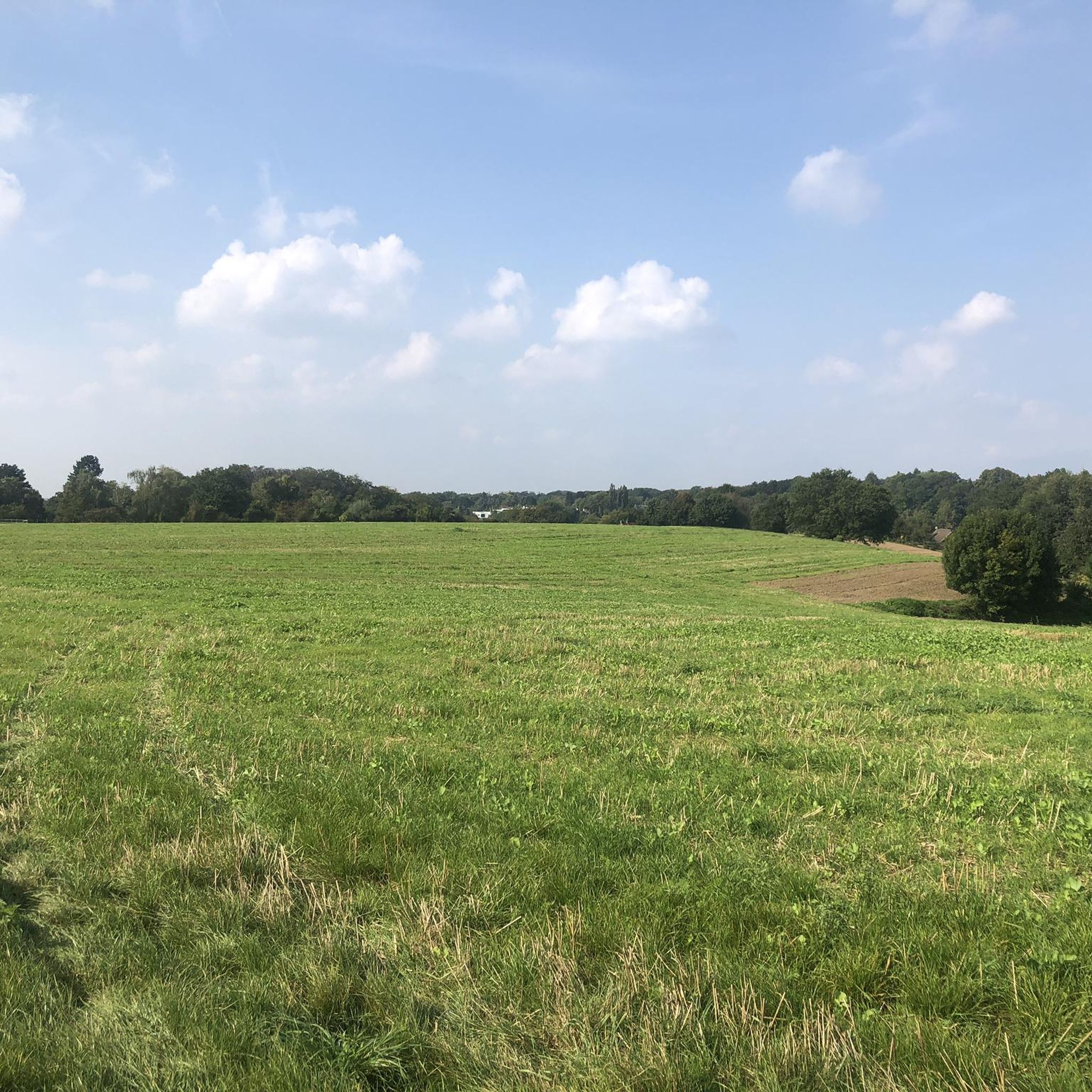
Road cycling routes around Bellenglise, located in the Aisne department of France, feature a mix of undulating terrain and flat canal-side paths. The region offers varied landscapes, including the Omignon River valley and open countryside, providing diverse cycling experiences. While significant climbs are not extensively documented, the area's gentle hills and scenic routes cater to various road cycling preferences.
Best road cycling routes around Bellenglise
- The most popular road cycling route is Canal cycling route – Sambre-Oise Canal loop from…
Last updated: October 16, 2026
26
riders
39.0km
01:41
220m
220m
Moderate road ride. Great for any fitness level. Some segments of this route may be unpaved and difficult to ride.
5.0
(1)
18
riders
72km
03:28
680m
680m
Moderate road ride. Good fitness required. Some segments of this route may be unpaved and difficult to ride.

15
riders
Easy road ride. Great for any fitness level. Mostly well-paved surfaces and easy to ride.
10
riders
43.2km
01:55
330m
330m
Moderate road ride. Good fitness required. Mostly well-paved surfaces and easy to ride.
9
riders
53.0km
02:19
420m
420m
Moderate road ride. Good fitness required. Some segments of this route may be unpaved and difficult to ride.
Get access to more routes and recommendations from other explorers.
Already have an account?
Our route recommendations are based on thousands of hikes, rides, and runs completed by other people on komoot.
Start today with a free account
Your next adventure awaits.



Tips from the Community

Some benches present for the necessary break.
0
0
A beautifully crafted monument.
0
0

This is where the Somme River rises. Its name is traced back to Celtic origins and also gives its name to the department of the same name. At the time when Gaul was part of the Roman Empire, the river was called the Samara. It ends its approximately 245-kilometer-long river life in the Baie de Somme, where it flows into the English Channel.
0
0

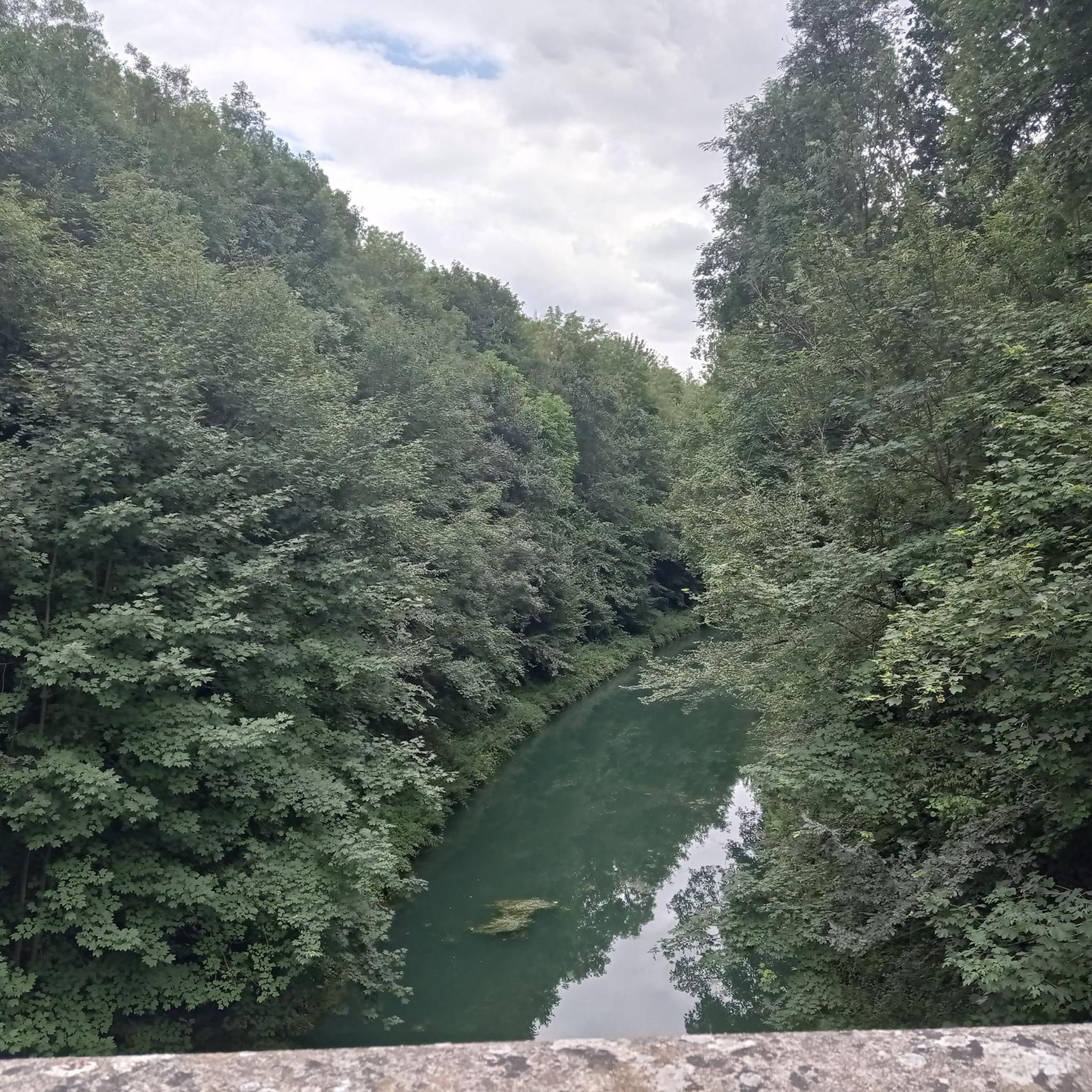
Magnificent walk along the water, then visit the underground canal along the canal in a path between the trees with holes, bumps and bends (a real treat) to finish with a nice route in the Holnon woods. I recommend it. To do either as a walk or at speed, the choice is yours!
0
0

The listed building is striking for its original architecture with a porch tower over 34 meters high, a double transept or a radio-concentric choir. Inside, the visitor is seduced by the ancient 260 m long labyrinth engraved in the paving of the nave. Stained glass windows installed at different times complete the artistic offer of the Saint-Quentin Basilica, with in particular medieval stained glass windows in the apse chapels dating from the 12th century. These depict episodes from the life of the Virgin Mary and Saint Stephen.
2
0
The listed building is striking for its original architecture with a porch tower over 34 meters high, a double transept or a radio-concentric choir. Inside, the visitor is seduced by the ancient 260 m long labyrinth engraved in the paving of the nave. Stained glass windows installed at different times complete the artistic offer of the Saint-Quentin Basilica, with in particular medieval stained glass windows in the apse chapels dating from the 12th century. These depict episodes from the life of the Virgin Mary and Saint Stephen.
0
0

The Basilique Saint-Quentin is a beautiful Gothic church in the heart of Saint-Quentin, France. Built between the 12th and 15th centuries, this basilica is dedicated to the martyr Saint Quentin. With an impressive 133 meters long and 40 meters high, it is a real eye-catcher. What makes this basilica really special are the unique architectural elements such as the tower-portico at the front, the double transept, and the choir with radiating chapels. Inside, you will also find an ancient labyrinth of 260 meters in the floor of the nave, which is a fascinating detail. The basilica has a rich history and contains the relics of Saint Quentin, who were an important object of veneration in the Middle Ages. Although the building was badly damaged during the First World War, it was reopened in 1956 after extensive restoration.
1
0
Joncourt British Cemetery is a serene military cemetery located in Joncourt, France, and contains the graves of British soldiers who died during the First World War. Designed by William Cowlishaw, the cemetery is situated on the road from Joncourt to Levergies, approximately half a mile south of the village centre1. With a rectangular plan and surrounded by a stone wall, the cemetery provides a peaceful place for reflection. The Cross of Sacrifice, a hallmark of British military cemeteries, stands in the western corner1. The graves of 61 soldiers, three of whom are unidentified, belong to the 10th Argyll and Sutherland Highlanders1. The cemetery is lovingly maintained by the Commonwealth War Graves Commission, who ensure that the memory of these soldiers is kept alive.
1
0
Frequently Asked Questions
What kind of terrain can I expect on road cycling routes around Bellenglise?
The Bellenglise region offers a diverse road cycling experience. You'll find a mix of undulating terrain with panoramic views, particularly around areas like 'La Boucle des Coteaux', and flatter paths, especially along the Canal de Saint-Quentin. The Omignon River Valley also provides tranquil, scenic routes.
Are there many road cycling routes available in the Bellenglise area?
Yes, Bellenglise and its surroundings offer a wide selection of routes. There are nearly 400 road cycling routes available, catering to various skill levels from easy to challenging.
Are there any family-friendly road cycling options near Bellenglise?
For families or those seeking a relaxed pace, the paths along the Canal de Saint-Quentin are generally flat and easy. These routes offer pleasant views of the water, bridges, and surrounding countryside, making them ideal for a leisurely ride.
What are some notable landmarks or historical sites I can see while cycling?
You can incorporate historical and scenic points into your rides. The Basilique Saint-Quentin is a significant landmark, and the Saint-Quentin war memorial offers historical context. The Riqueval Tunnel, an engineering marvel along the Canal de Saint-Quentin, is also a point of interest.
Are there any circular road cycling routes in the region?
Yes, many routes in the area are designed as loops, allowing you to start and finish in the same location. For example, the Canal cycling route – Sambre-Oise Canal loop from Saint-Quentin is a popular moderate circular route.
What do other cyclists say about road cycling in Bellenglise?
The road cycling routes around Bellenglise are highly regarded by the komoot community, with an average rating of 4.2 stars from over 40 reviews. Nearly 3,000 road cyclists have used komoot to explore the varied terrain, often praising the scenic countryside and canal paths.
Can I find routes that combine natural beauty with historical sites?
Absolutely. Routes like the Saint-Gobain Glassworks – Basilique Saint-Quentin loop from Saint-Quentin traverse varied terrain, connecting historical sites with open landscapes, offering a rich cycling experience.
Are there options for longer road cycling tours?
Yes, the region offers several longer routes. For instance, the Tour de l'Échauguette – Vaucelles Abbey loop from Gouy is a moderate route spanning over 87 kilometers, providing a substantial ride through the countryside.
What is the best time of year to go road cycling in Bellenglise?
The region is generally pleasant for cycling during spring and autumn when temperatures are mild and the natural scenery is vibrant. While specific weather patterns vary, these seasons typically offer comfortable conditions for exploring the undulating terrain and canal paths.
Are there any easy road cycling routes for beginners?
Yes, among the nearly 400 routes, there are 36 classified as easy, making them suitable for beginners or those looking for a less strenuous ride. The canal-side paths are particularly good for this.
Where can I find scenic viewpoints along the road cycling routes?
The undulating terrain around Bellenglise, particularly areas like 'La Boucle des Coteaux', offers panoramic views of the surrounding countryside. The 4th Division Memorial, north of Bellenglise, also provides elevated views overlooking the St Quentin Canal.
Are there any routes that follow river valleys?
Yes, the Omignon River Valley, which originates in Bellenglise, offers potential for scenic routes. These paths provide a tranquil cycling experience amidst natural beauty.
Most popular routes around Bellenglise
Most popular attractions around Bellenglise

Get inspired with the komoot mobile app


Explore more
Browse the best Road cycling routes in other regions.
