Attractions and Places To See around Jouy-Le-Potier - Top 20
Best attractions and places to see around Jouy-Le-Potier, a village in the Loiret department of France, offers a blend of historical landmarks and natural beauty. Situated at the gateway to the Sologne region, it features a landscape characterized by woods and ponds. The area's ancient origins are reflected in its architecture and heritage. Visitors can explore various sites that showcase both its cultural significance and natural environment.
Best attractions and places to see around Jouy-Le-Potier
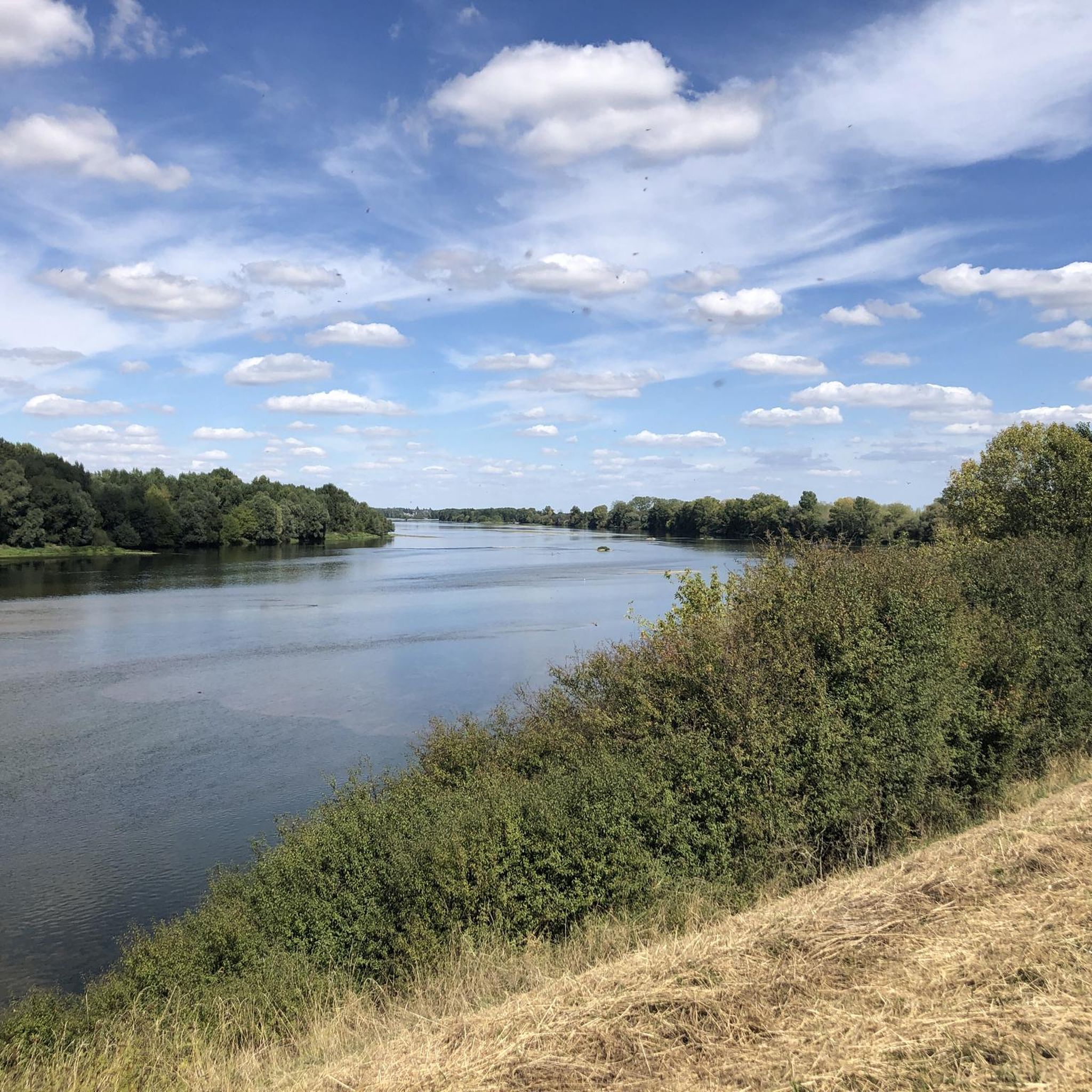
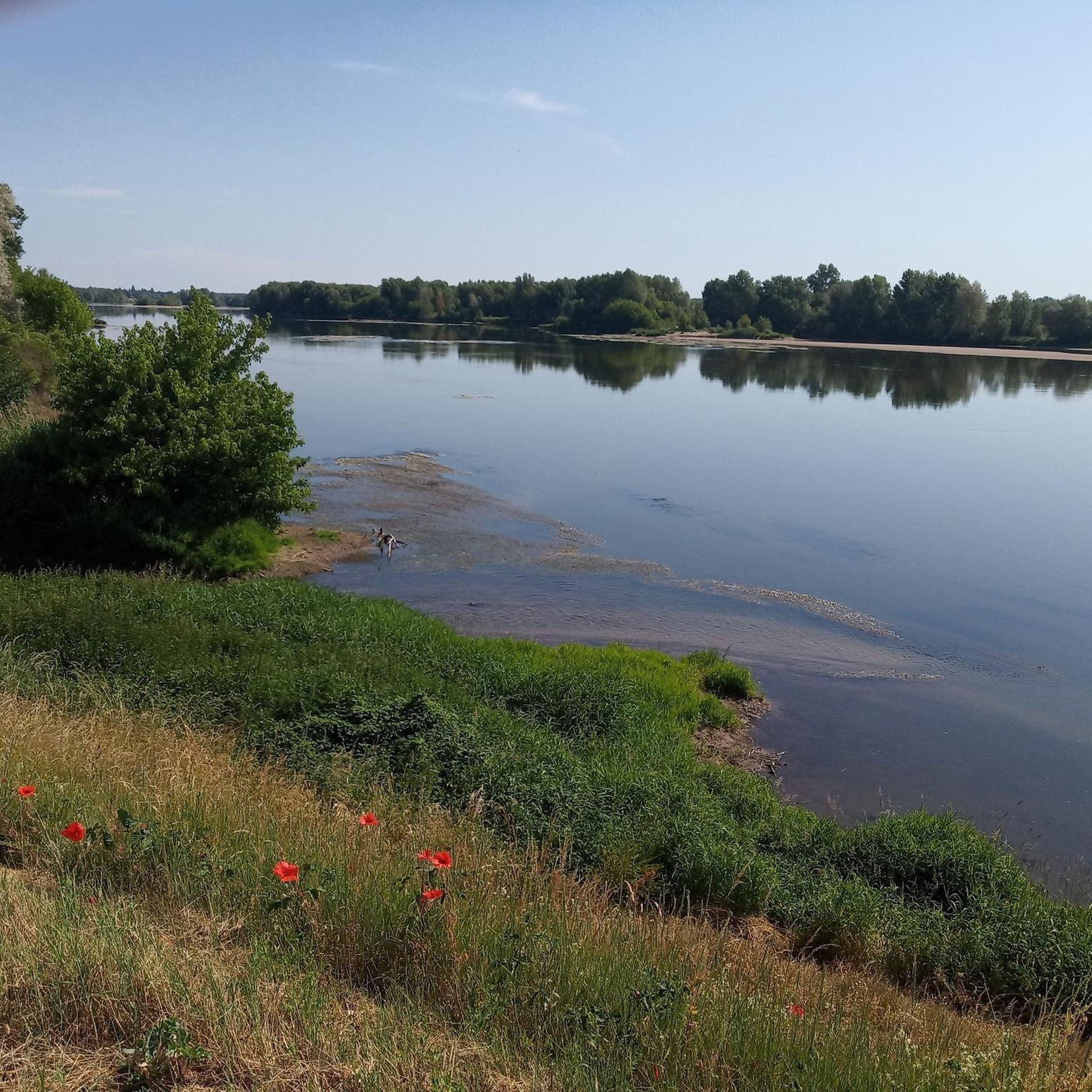
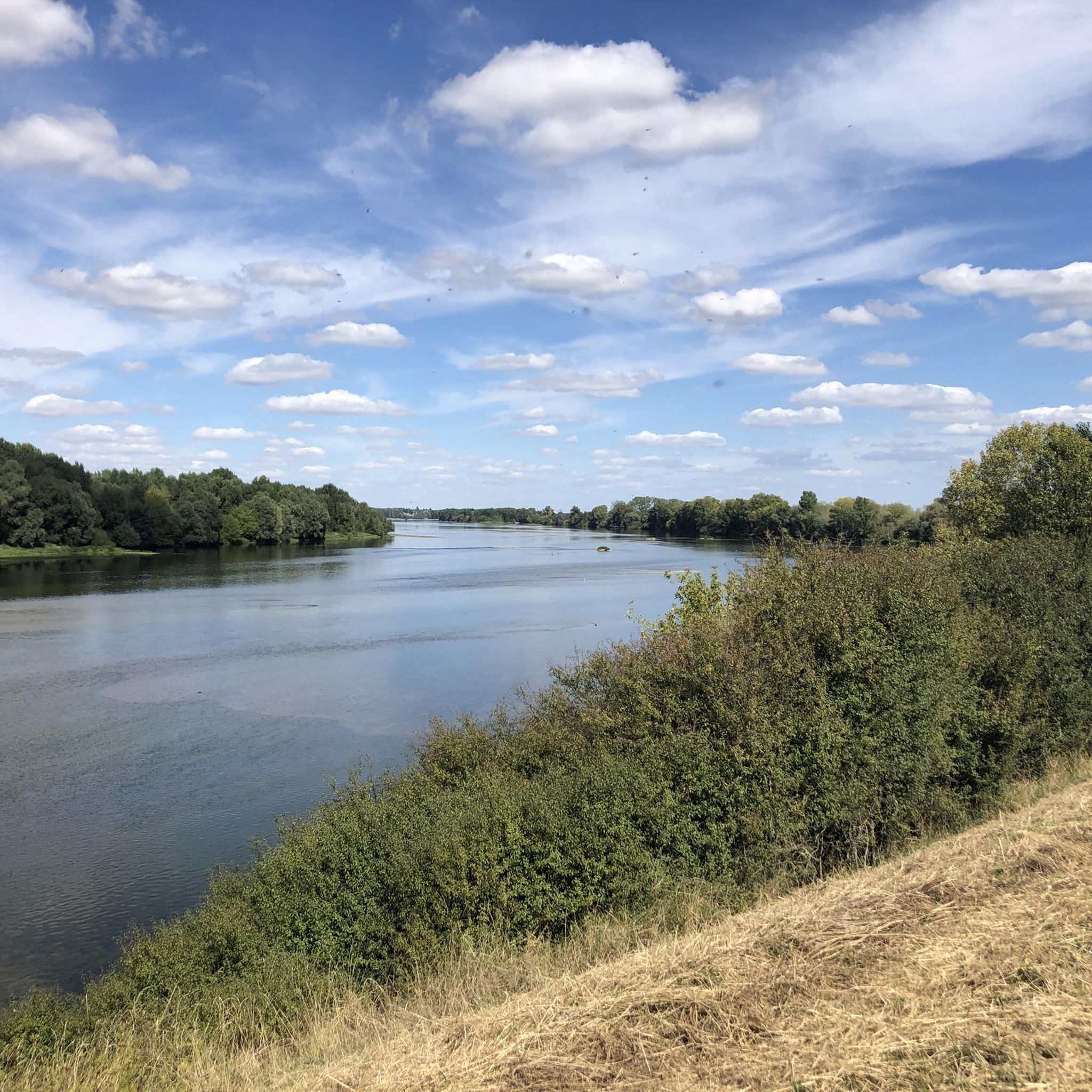
- The most popular attraction is Confluence of the Loire and the Loiret, a river where the Loiret flows into the Loire at Courpain. This nature reserve encompasses the confluence of the two rivers and is home to a variety of flora and fauna.
- Another must-see spot is Royal Basilica of Our Lady of Cléry, a historical site. Visitors can explore its 15th-century flamboyant Gothic architecture and its historical significance as the final resting place of Louis XI.
- Visitors also love La Ferté-Saint-Aubin Castle, a historical castle. This 17th-century castle is surrounded by moats and features a 40-hectare natural park.
- Jouy-Le-Potier is known for its historical landmarks, natural features, and cultural sites. The area offers a variety of experiences, from ancient churches and castles to natural reserves and walking trails.
- The attractions around Jouy-Le-Potier are appreciated by the komoot community, with over 480 upvotes and 20 photos shared.
Last updated: July 6, 2026
Confluence of the Loire and the Loiret
Highlight • River
Translated by Google •
Tip by

Royal Basilica of Our Lady of Cléry
Highlight • Historical Site
Translated by Google •
Tip by

Sign up now to discover places like this
Get recommendations on the best single tracks, peaks, & plenty of other exciting outdoor places.
Sign up for free
Meung-sur-Loire
Highlight • Settlement
Translated by Google •
Tip by

La Ferté-Saint-Aubin Castle
Highlight • Historical Site
You can explore the castle, the gardens, the 40-hectare natural park, or even taste their famous honey madeleines which are prepared in the kitchens.
Translated by Google •
Tip by

Château de Beaugency
Highlight • Castle
Today, it houses a Digital Art Center and is one of France's leading cultural centers dedicated to digital art.
Translated by Google •
Tip by
Sign up for free to discover even more attractions around Jouy-Le-Potier.
Sign up for free
Already have an account?
Start today with a free account
Your next adventure awaits.
Login or Signup

Tips from the Community

On 12/05/2026, the trail along the Cosson, starting from Boucles 02 and 16, near the castle, is impassable. Works?
0
0


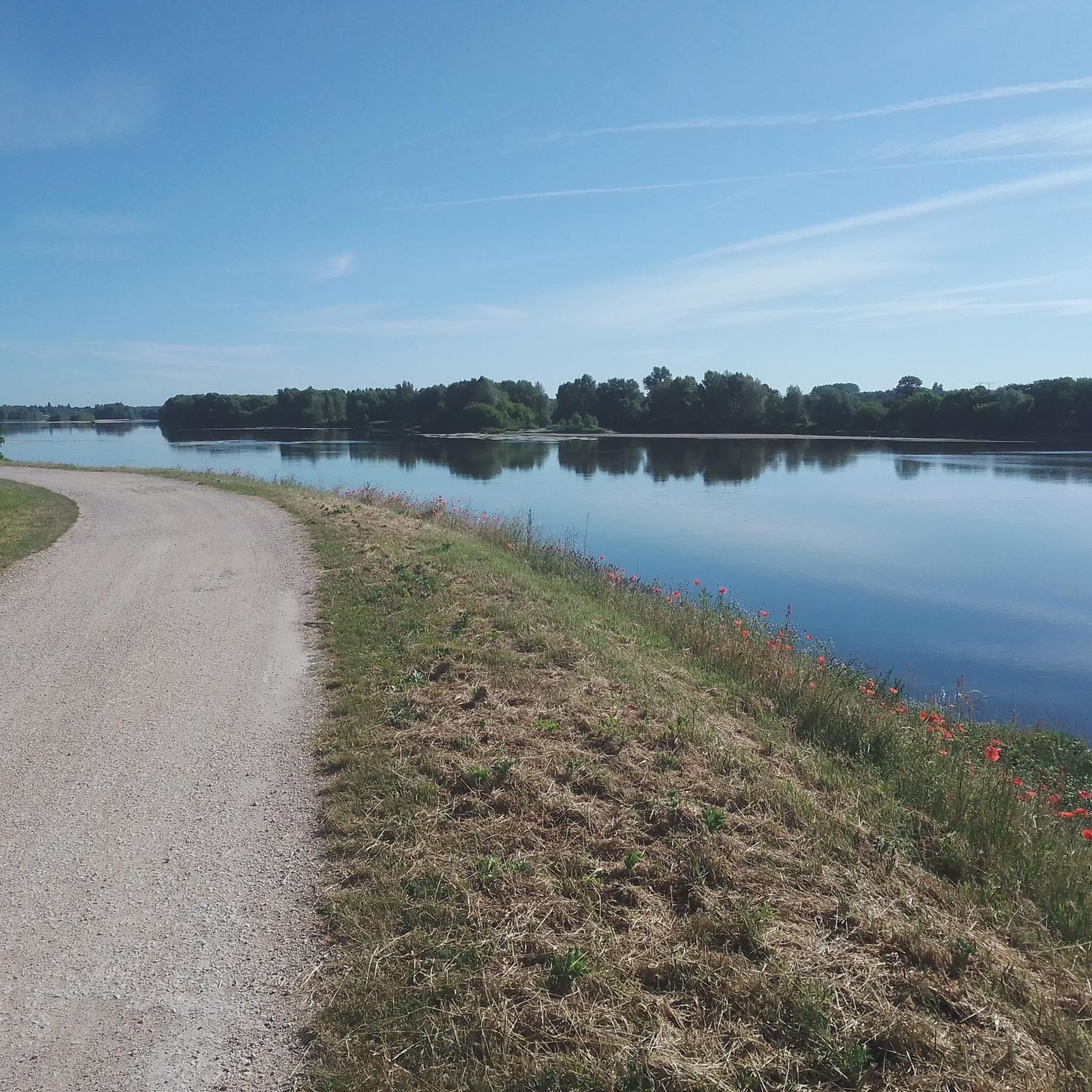
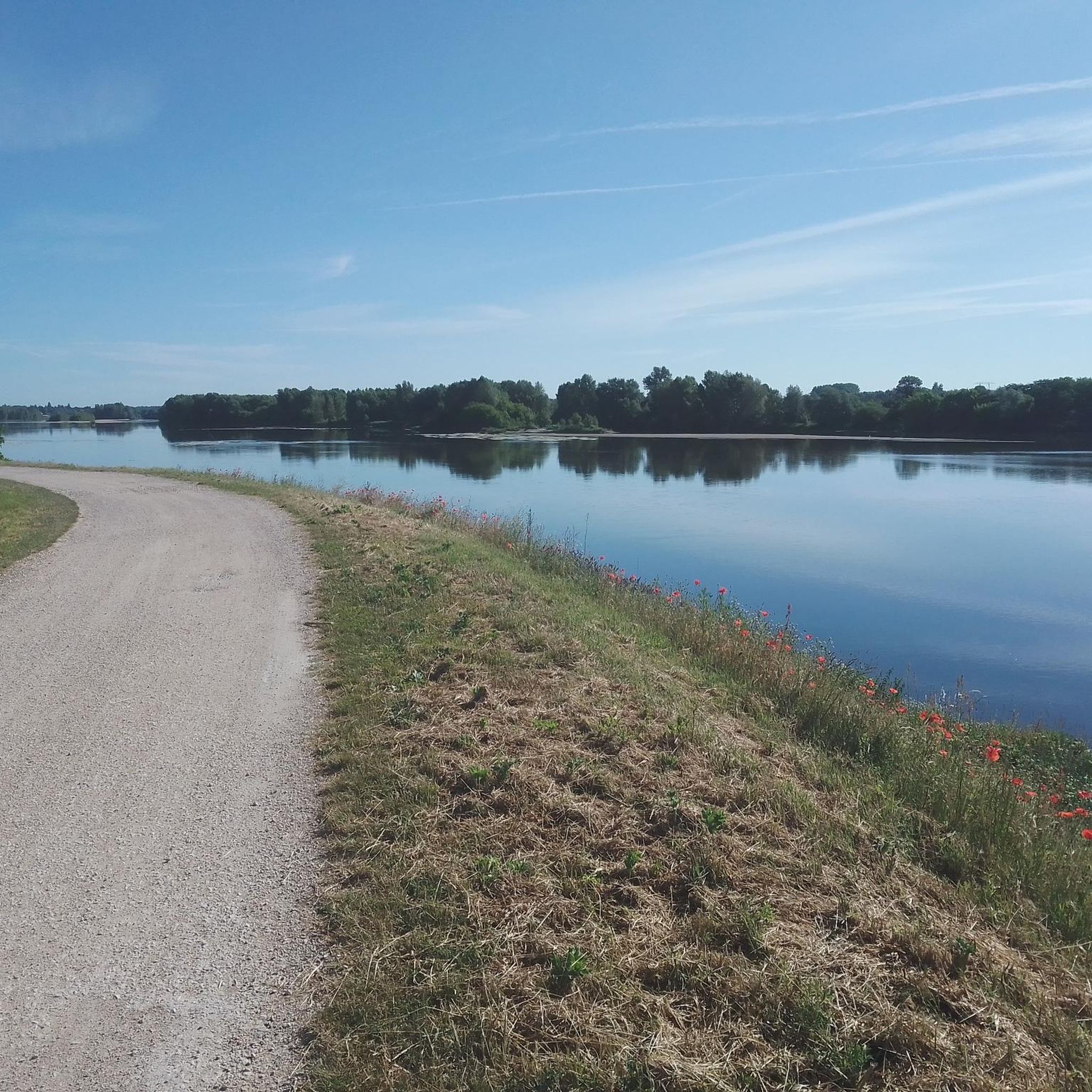
Greenway along the Loire. Rolling track with tarmac, dirt, or white gravel covering depending on the section. Allows you to be away from traffic with little shared road.
2
0

According to legend, the Devil took refuge in the castle after having built the magnificent Pont de Beaugency in one night.
1
0

A beautiful little town with wine, market and tradition
1
0

A beautiful castle to visit with its many activities.
1
0
Located between Orléans and Chambord, in the Valley of the Kings, the Notre-Dame de Cléry Basilica has stood in the heart of the town of Cléry-Saint-André since the 15th century. After several constructions and demolitions, the current Basilica in flamboyant Gothic style was built during the 15th century, under Charles VII and Louis XI. The latter chose it as the place of his final rest. In 1280, the discovery of a statue of the Virgin was the beginning of what would become the Basilica of Cléry Saint-André. In a small chapel where the statue is installed, pilgrims flock to pray before the Virgin of Cléry, invested with miraculous powers. In 1302, Simon de Melun, Lord of the Hall in Cléry, founded a chapter of canons and at the same time, the collegiate church of Cléry. A few years later, Philippe Le Bel undertook the construction of a larger church. It was Philippe VI of Valois who laid the first stone of the building in 1339 while the pilgrimage grew. In the midst of the Hundred Years' War, the English ravaged the collegiate church, leaving only the bell tower as the only vestige. Dunois, Lord of Beaugency, initiated the reconstruction of the collegiate church in 1444. This reconstruction is the fruit of the desire of the kings of France to honor the statue of the Virgin Mary. From 1459, Louis Since 1894, it has had the title of Basilica. Raised on a Latin cross plan, the exterior is punctuated by a series of buttresses, flying buttresses and high windows whose regularity is only disturbed by the original bell tower and a few chapels. Even today, the Basilica welcomes many pilgrims who come to pay their respects to the famous statue. During your visit, discover the film “Basilica” broadcast continuously in the old sacristy. It reveals the inaccessible places of the building but above all, the great beauty of its architecture and the emotion it provides. All year round: guided tour for groups by reservation only.
0
0
Frequently Asked Questions
What historical landmarks can I explore in and around Jouy-Le-Potier?
Jouy-Le-Potier and its surroundings offer a rich historical tapestry. You can visit the ancient Église Saint-Pierre, dating back to the 12th century, which stands on the site of a former Roman temple. Another significant site is the Château du Lude, known for its elegant Renaissance facades. Further afield, explore the 15th-century flamboyant Gothic architecture of the Royal Basilica of Our Lady of Cléry, the final resting place of Louis XI. Don't miss La Ferté-Saint-Aubin Castle, a 17th-century castle surrounded by moats and a 40-hectare natural park.
Where can I experience the natural beauty of the Sologne region near Jouy-Le-Potier?
The Sologne region around Jouy-Le-Potier is characterized by its woods and ponds. A prime example is Champs Breton and its Pond, a natural space with wooded areas, picnic spots, and children's games. You can also explore the Confluence of the Loire and the Loiret, a nature reserve where the Loiret flows into the Loire, home to diverse flora and fauna. The area also boasts two Natura 2000 sites and natural areas of ecological interest, particularly oak forests in the 'Nord-ouest Sologne'.
Are there good hiking or walking trails around Jouy-Le-Potier?
Yes, Jouy-Le-Potier offers numerous trails for leisurely strolls and more immersive hikes. The Duveau Loop, part of the Portes de Sologne hiking trail, provides an experience through typical Sologne landscapes of forests, fields, and villages. Other walking paths can be found around the 'étangs du paradis' and Champs Breton. For more detailed routes, you can explore the various cycling and MTB guides, which often include paths suitable for walking, such as those found in the Cycling around Jouy-Le-Potier guide.
What cycling opportunities are available near Jouy-Le-Potier?
The region around Jouy-Le-Potier is excellent for cycling. You can find routes like the 'Floral and monumental — loop from Cléry-Saint-André' or the 'On the lands of Louis XI — loop from Cléry-Saint-André' for touring bicycles. For road cycling, options include the 'Saint-Mesmin Nature Reserve – Basilica of Cléry-Saint-André loop'. Mountain biking enthusiasts can enjoy trails like the 'Meung-sur-Loire West – The Loire loop'. Discover more routes in the Cycling around Jouy-Le-Potier, Road Cycling Routes around Jouy-Le-Potier, and MTB Trails around Jouy-Le-Potier guides.
What activities are suitable for families with children in Jouy-Le-Potier?
Families will find several engaging options. The Champs Breton and its Pond area offers picnic tables, benches, and children's games, along with an insect hotel. The village itself has a skate park, a gymnasium, football fields, outdoor tennis courts, boulodromes, and various children's play areas, including a city park and a zip line. Many historical sites like the Royal Basilica of Our Lady of Cléry and La Ferté-Saint-Aubin Castle are also listed as family-friendly.
When is the best time to visit Jouy-Le-Potier for outdoor activities?
The region is enjoyable throughout much of the year. Spring and autumn offer pleasant temperatures for hiking and cycling, with beautiful natural colors. Summer is ideal for enjoying the outdoor recreational facilities and longer daylight hours, though it can be warmer. The natural areas, like the Champs Breton, are accessible year-round for relaxation and strolls.
Are there dog-friendly options for walks or attractions?
Many of the natural walking paths and trails around Jouy-Le-Potier, such as those around the 'étangs du paradis' and Champs Breton, are suitable for walks with dogs, typically on a leash. When visiting specific attractions, it's always best to check their individual policies regarding pets.
How can I get a unique perspective of the Sologne landscape?
For a truly unique and breathtaking perspective of the Sologne landscapes and the famous Loire castles, consider experiencing a hot air balloon flight. This offers an unparalleled view of the region's natural beauty from above.
Are there other charming towns or villages worth visiting nearby?
Absolutely. Just a short distance away is Meung-sur-Loire, a small city on the Loire known for its medieval town, winding streets, and historical monuments, including its own castle-park. It offers a delightful stroll back in time along the Quai Jeanne d'Arcune.
What unique architectural features can be found in Jouy-Le-Potier?
Jouy-Le-Potier retains a distinctive architectural heritage. In the village center, you can find numerous ancient half-timbered houses, such as the 'Squirrel house,' and brick houses, like the 'Fountain house.' The Église Saint-Pierre itself boasts a beautiful Romanesque portal that survived historical conflicts. Additionally, the historical Cendray Tile Factory Brick Kiln, built in 1849, offers a glimpse into the region's industrial past.
Are there any notable gardens to visit in the area?
Yes, the Gardens of Chantal (Jardin de Chantal) are highly regarded for their beauty and ability to delight the senses, making them a splendid place to visit for those who appreciate horticulture and serene landscapes.
What is the significance of the Château de Beaugency?
The Château de Beaugency, located in the heart of the medieval town of Beaugency, is a remarkable 11th-century Loire Valley château. It has a rich history, having been owned by various lords and the French crown. Today, it houses a Digital Art Center, making it a leading cultural center dedicated to digital art in France.
Most popular routes around Jouy-Le-Potier
Most popular attractions around Jouy-Le-Potier

Get inspired with the komoot mobile app


Explore more
Still not found the Highlight you’re looking for? See guides of the top attractions in other regions:
