Top 8 Waterfalls around Le Mémont
Waterfalls around Le Mémont are a prominent feature of the Doubs department in France. Le Mémont is a small, rural commune characterized by forests and traditional Comtois farms. While the commune itself does not host major waterfalls, it serves as a base for exploring several notable cascades in the surrounding region. The area is known for its natural landscapes and geological formations that give rise to impressive waterfalls.
Best waterfalls around Le Mémont
- The most popular waterfalls is Saut du…
Last updated: July 1, 2026
Saut du Doubs Waterfall
Highlight • Waterfall
Translated by Google •
Tip by

Lançot Waterfall
Highlight • Waterfall
Translated by Google •
Tip by

Sign up now to discover places like this
Get recommendations on the best single tracks, peaks, & plenty of other exciting outdoor places.
Sign up for free
Consolation Cirque
Highlight • Gorge
Translated by Google •
Tip by
Source of the Dessoubre
Highlight • Waterfall
Translated by Google •
Tip by

Dessoubre Valley and Val de Consolation
Highlight • Gorge
Translated by Google •
Tip by

Sign up for free to discover even more waterfalls around Le Mémont.
Sign up for free
Already have an account?
Start today with a free account
Your next adventure awaits.
Login or Signup



Tips from the Community

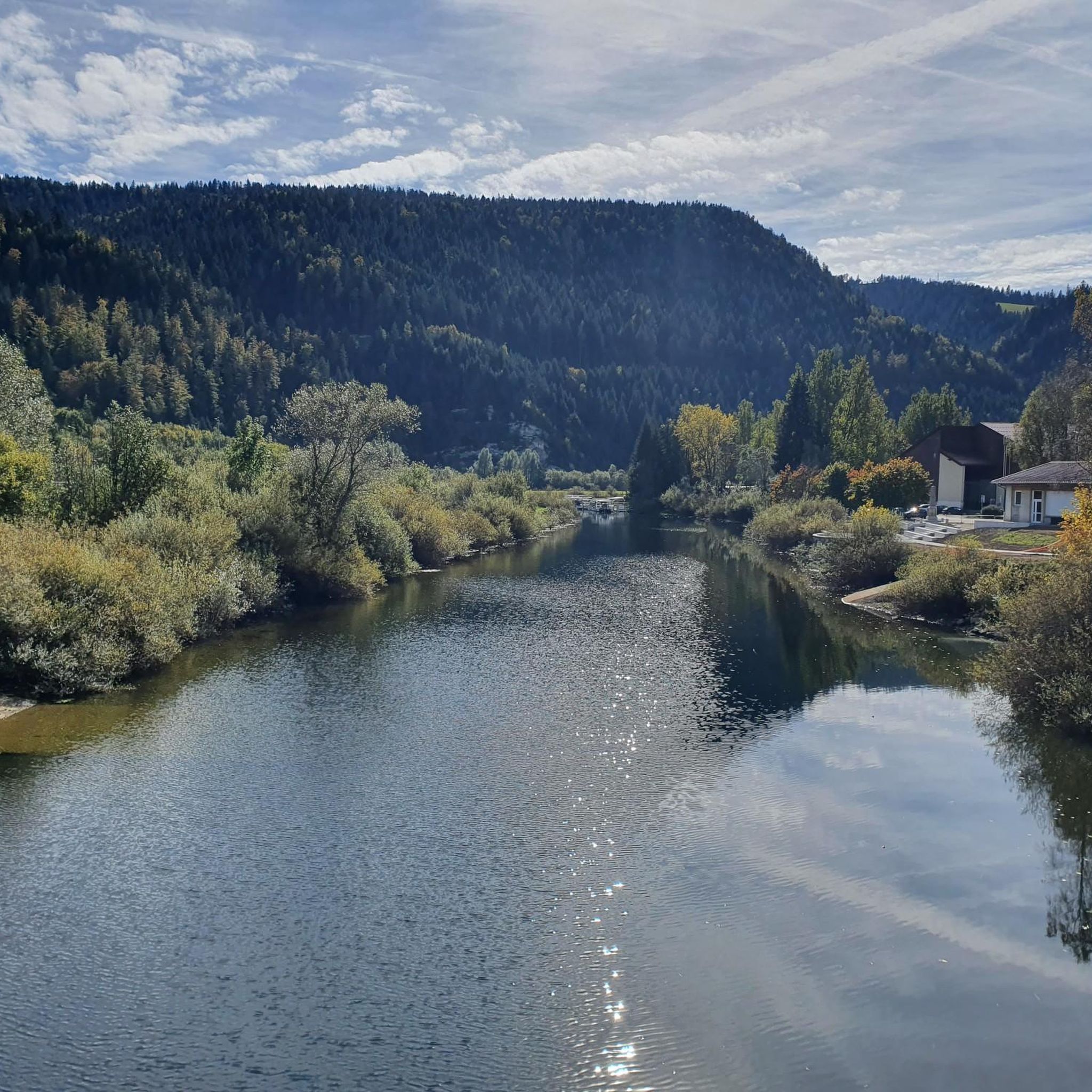
The Saut du Doubs is a 27-meter-high waterfall located along the Doubs River, which forms the border between France and Switzerland here. The waterfall is the result of a paleohistoric landslide that filled the narrow, gorge-like Doubs Valley, which cuts deep into the limestone formations of the Folded Jura, about 14,000 years ago.
7
0

An interesting hiking experience to have two viewpoints 5m away and not be able to cross. The view is actually better on the French side 😉 The "Saut du Doubs" is a 27-meter-high waterfall on the Doubs, which is located on the French-Swiss border. During periods of flooding on the Doubs, kayak records have been set here for overcoming the waterfall.
2
0

A little corner of freshness which is very welcome in summer. From here you see the Dessoubre river being born in a succession of small waterfalls which emanate from the rocks of the Cirque de Consolation.
1
0

The Dessoubre has its source in the Cirque de Consolation, at Consolation-Maisonnettes, and meanders through this superb valley. The valley is also classified as ZNIEFF (natural zone of ecological, fauna and flora interest), which means that it is a natural space considered remarkable. The Consolation site itself is also known for its monastery, viewpoints, waterfalls and botanical gardens.
1
0

A little change when circling Lac de Moron 👍🏻
4
1

Whether you visit the waterfall in full flow or not, this circus has something to offer. The deafening roar of flowing water contrasts with the majesty and serene tranquility of the circus in times of drought.
2
0

Going to the Saut du Doubs means leaping thousands of kilometers and feeling like you're in the middle of the Canadian canyons. The landscapes of this place are magnificent! This waterfall and its pools are classified as a major national site and are located on the border line between Switzerland and France. There are therefore two observation sites for the waterfall.
4
2

Sometimes the waterfall is dry, like September 2022, but the surroundings are still beautiful! You should like to scramble.
3
0
Frequently Asked Questions
What are the most impressive waterfalls to visit near Le Mémont?
The region around Le Mémont is home to several impressive cascades. The most prominent is the Saut du Doubs Waterfall, a magnificent 27-meter drop on the Franco-Swiss border. Another notable site is the Lançot Waterfall, a wild romantic basin with a spring waterfall that is particularly active after rains. You can also explore the Consolation Cirque, a natural landscape park where several karst springs emerge, leading to impressive cascades like the Grande Cascade.
What is the best time of year to visit the waterfalls near Le Mémont?
The waterfalls are often most spectacular after heavy rains, which can occur throughout the year but are common in spring and autumn. During these times, the water flow is at its peak, making cascades like the Lançot Waterfall and the falls within the Consolation Cirque particularly impressive. Summer offers pleasant hiking weather, though some spring-fed falls might have reduced flow. Winter can offer a unique, frozen landscape, but accessibility might be limited.
Are there family-friendly waterfall hikes around Le Mémont?
Yes, many of the waterfall sites offer paths suitable for families. For instance, the Saut du Doubs is accessible by foot, horse-drawn carriage, or boat, providing various ways to experience its beauty. The paths around the Lançot Waterfall are generally easy, leading to a beautiful grotto. Always check specific trail conditions, especially after rain, as some paths can become slippery.
What kind of natural features can I expect to see besides waterfalls?
Beyond the waterfalls themselves, the region is rich in diverse natural features. You'll encounter deep gorges, such as the one along the Doubs River near Saut du Doubs, and the dramatic karst landscapes of the Consolation Cirque. The area is characterized by limestone formations, dense forests, and the unique geological features of the Jura rock basin, including numerous karst springs like the Source of the Dessoubre.
Are there any outdoor activities or routes near these waterfalls?
Absolutely. The area around Le Mémont offers a variety of outdoor activities. You can find numerous routes for cycling, mountain biking, and running. For example, there are cycling routes like the 'Cour-Saint-Maurice - Col du Tounet Loop' and MTB trails such as the 'Source of the Dessoubre loop'. You can explore these and more on the Cycling around Le Mémont, MTB Trails around Le Mémont, and Running Trails around Le Mémont guide pages.
What are the parking options for visiting the Saut du Doubs Waterfall?
The Saut du Doubs Waterfall is a popular site, and parking facilities are available near the access points. Depending on whether you approach from the French or Swiss side, there are designated parking areas for visitors. It's advisable to arrive early during peak season to secure a spot, especially if you plan to hike to the viewpoints.
Can I bring my dog to the waterfalls near Le Mémont?
Generally, dogs are welcome on trails in the natural areas around Le Mémont, including many waterfall sites. However, it's always best to keep them on a leash, especially in protected natural zones or when trails are busy. Specific rules might apply to certain attractions or boat tours, so check local signage or official websites for any restrictions at individual sites like the Saut du Doubs.
Are there any amenities like cafes or restaurants near the waterfalls?
Near popular sites like the Saut du Doubs Waterfall, you can often find amenities such as cafes, restaurants, and souvenir shops, particularly in the nearby villages or at the main access points. For more remote waterfalls or hiking trails, it's recommended to bring your own refreshments, as facilities might be limited.
What is the driving distance and time from Le Mémont to Saut du Doubs?
Le Mémont is situated in the Doubs department, and the Saut du Doubs Waterfall is a significant regional attraction. The driving distance and time will vary depending on the specific route and traffic, but it is generally a manageable drive from Le Mémont, typically within an hour or so, making it a popular day trip destination.
What should I wear for a waterfall hike in this region?
For waterfall hikes around Le Mémont, it's best to wear comfortable, sturdy hiking shoes with good grip, as trails can be uneven or wet. Layered clothing is advisable, as temperatures can change, and you might encounter spray near the falls. A waterproof jacket is also a good idea, especially after rain or if you plan to get close to the cascades. Don't forget water and snacks.
Are there any historical or cultural sites near the waterfalls?
While the primary focus is natural beauty, the region does have historical elements. For instance, the Dessoubre Valley and Val de Consolation, which features waterfalls, is also known for its monastery and botanical gardens, adding a cultural dimension to the natural landscape. The geological formations themselves, like the Saut du Doubs, have a rich natural history dating back over 14,000 years.
Can I go wild swimming in any of the waterfalls or natural pools?
Some natural pools and river sections near waterfalls might be suitable for swimming, but it's crucial to exercise caution. Water conditions can vary greatly, especially after rain, and currents can be strong. Always check for local regulations or signage regarding swimming, and prioritize safety. For example, the Lison Waterfalls (not directly in the guide data but mentioned in region research) are known for a turquoise blue swimming pool at the base of a cliff.
Most popular routes around Le Mémont
Most popular attractions around Le Mémont

Get inspired with the komoot mobile app


Explore more
Happy to travel a little further afield? Then browse these guides for the best waterfalls around Le Mémont:
