The best cycling routes around Essigny-Le-Petit
4.0
(253)
876
riders
144
rides
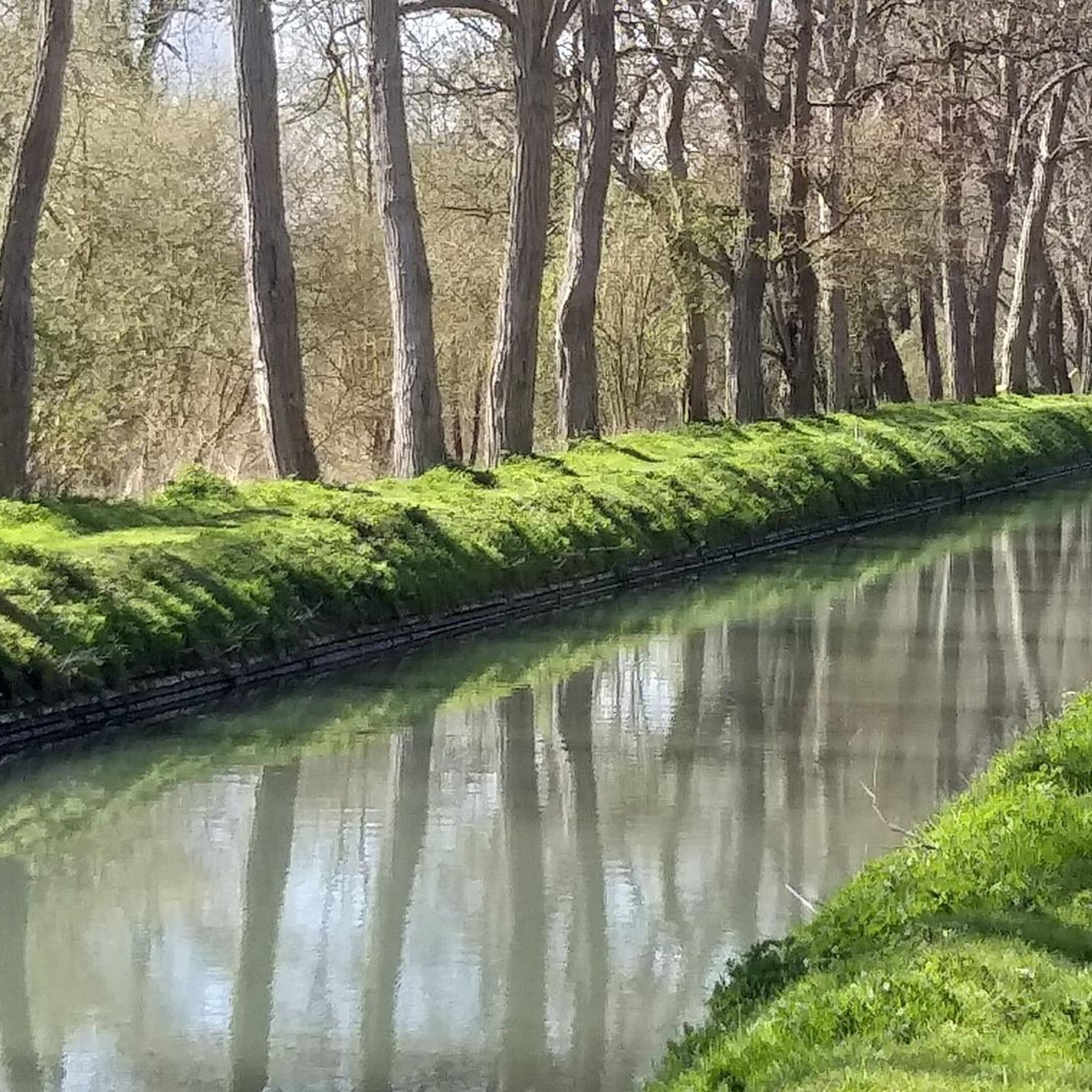
Touring cycling routes around Essigny-Le-Petit are characterized by the tranquil landscapes of the Somme Valley, with the Somme River and the Rigole du Noirieux canal flowing through the area. The region features mostly flat terrain, making it suitable for relaxed cycling. An asphalted canal towpath offers panoramic views of fields and waterways. The area provides a blend of natural features and accessible routes for touring cyclists.
Best touring cycling routes around Essigny-Le-Petit
- The most popular touring cycling route is Seraucourt-le-Grand…
Last updated: June 29, 2026
3.0
(40)
82
riders
27.1km
01:38
110m
110m
Easy bike ride. Great for any fitness level. Mostly paved surfaces. Suitable for all skill levels.
4.7
(37)
65
riders
Moderate bike ride. Good fitness required. Mostly paved surfaces. Suitable for all skill levels.

Sign up for free
7
riders
35.1km
02:18
180m
180m
Hard bike ride. Good fitness required. You may need to push your bike for some segments of this route.
3.5
(4)
13
riders
39.6km
02:20
170m
170m
Moderate bike ride. Good fitness required. Mostly paved surfaces. Suitable for all skill levels.
4.0
(3)
7
riders
46.4km
02:46
340m
340m
Moderate bike ride. Good fitness required. Mostly paved surfaces. Suitable for all skill levels.
Get access to more routes and recommendations from other explorers.
Sign up for free
Already have an account?
Our route recommendations are based on thousands of hikes, rides, and runs completed by other people on komoot.
Start today with a free account
Your next adventure awaits.
Login or Signup



Tips from the Community

Hello. This is a beautiful hike through nature and a nice park for recreation. the hike runs along a canal and a marshland with well-passable hiking trails. This hike is highly recommended !!!!!!!!!!!!!
0
0

This is where the Somme River rises. Its name is traced back to Celtic origins and also gives its name to the department of the same name. At the time when Gaul was part of the Roman Empire, the river was called the Samara. It ends its approximately 245-kilometer-long river life in the Baie de Somme, where it flows into the English Channel.
0
0

Completely constructed in white and black stone, the Basilica of Saint-Quentin is the second Gothic building in Picardy. Built between the end of the 12th and the end of the 15th centuries, it is best known as the burial place of the martyr Quentin, who gave it its name. Listed as a historical monument, the building boasts original architecture, with a porch tower over 34 meters high, a double transept, and a concentric choir. Inside, visitors are captivated by the ancient 260-meter-long labyrinth carved into the nave's paving. Stained glass windows installed at various times complement the artistic offerings of the Basilica of Saint-Quentin, particularly medieval stained glass windows in the 12th-century apse chapels. These depict episodes from the lives of the Virgin Mary and Saint Stephen.
1
0

Saint-Quentin Church, rebuilt after the 1914-1918 war.
1
0
Important for pilgrims: here you will also find a food shop on Sundays.
8
0
Stage 73 of Sigeric on his Via Francigena pilgrimage. Here is the end of the stage VFF14 Via Vrancigena France). In Seraucourt-le-Grand we cross the Somme. It owes its ancient name, "Serodi Curtis", to the Gallo-Romans who founded two of these famous villae, farms, around the 2nd century, who gave it the suffix "-COURT", as with many other villages. Traces of a Merovingian cemetery are also said to have been found.
8
0
As a memorial to the many dead, such a "MONUMENT AUX MORTS" (usually called a "Central Memorial" or "War Memorial" in German-speaking countries) is still very important today. "Now, Lord, you let your servant depart in peace, as you have said..." it says in the so-called "Hymn of Simeon" (Luke's Gospel, Chapter 2, Verse 29). However, the people who are remembered here did not depart in peace, but became victims of war and tyranny. Therefore, the term "fallen memorial" is now sometimes used instead of the "war memorial" that was previously common in German. In the French-speaking world, however, this aspect of commemoration of the dead has long been included in the most commonly used term "MONUMENT AUX MORTS". Regardless of language and nation, such a memorial has two important and at the same time everlasting tasks: -1- to keep the memory of the suffering and horror of war alive, -2- and to remind people of the need to maintain peace in the long term.
2
0

Parc de l'Isle in Saint-Quentin offers a variety of trails for different levels of difficulty, from flat, easy trails along the Somme to hilly, wooded routes in the nature reserve. You can also admire the flora and fauna of the park, which houses a free zoo, a farm and a conservation center. The park is open all year round, from 8 a.m. to 8 p.m. in summer and from 8 a.m. to 6 p.m. in winter. Whether you are a beginner or an expert, you will find at Parc d'Isle something to satisfy your tastes and your pace.
2
0
Frequently Asked Questions
What kind of landscapes can I expect on touring cycling routes around Essigny-Le-Petit?
The touring cycling routes around Essigny-Le-Petit are characterized by the tranquil landscapes of the Somme Valley. You'll find picturesque views along the Somme River and the Rigole du Noirieux canal, with many routes featuring an asphalted canal towpath offering panoramic views of fields and waterways. The terrain is generally flat, making it suitable for relaxed cycling.
How many touring cycling routes are available in the Essigny-Le-Petit area?
There are over 140 touring cycling routes available around Essigny-Le-Petit. These routes cater to various skill levels, with a good mix of easy, moderate, and some more challenging options.
Are there any easy touring cycling routes suitable for beginners or families?
Yes, Essigny-Le-Petit offers many easy touring cycling routes. For example, the Parc d'Isle – Isle Park loop from Homblières is an easy 23 km path that explores the public park and its nature reserve in Saint-Quentin. Another gentle option is the Bench by the Canal – Canal Bridge loop from Homblières, which is also easy and around 22 km.
What are some notable natural features or attractions I can see while cycling?
The region is rich in natural features. You can cycle along the Somme River and the Rigole du Noirieux canal, enjoying the tranquil waterways. A significant natural attraction is the Source of the Somme, a peaceful spot marking the river's beginning. The Isle Park in Saint-Quentin also offers a nature reserve with diverse flora and fauna.
Are there any historical landmarks along the cycling routes?
Yes, the area has historical significance. You can visit the Gothic Basilica of Saint-Quentin, dating back to the 12th century, which is featured on routes like the Source of the Somme – Basilica of Saint Quentin loop from Fonsomme. The region also has connections to World War I history, including the Saint-Quentin war memorial.
What do other touring cyclists say about the routes in Essigny-Le-Petit?
The touring cycling routes in Essigny-Le-Petit are highly rated by the komoot community, with an average score of 4.1 stars from over 190 reviews. Cyclists often praise the tranquil canal towpaths, the mostly flat terrain, and the accessible nature of the routes, making them enjoyable for various skill levels.
Are there any circular touring cycling routes available?
Yes, many routes in the Essigny-Le-Petit area are designed as loops. For instance, the Seraucourt-le-Grand – La Java Plage de Saint-Quentin loop from Morcourt is a popular circular route offering canal views. The Source of the Somme – Isle Park loop from Fonsomme is another excellent circular option.
What is the best time of year to go touring cycling in Essigny-Le-Petit?
The region around Essigny-Le-Petit is generally pleasant for cycling from spring through autumn. The tranquil atmosphere and scenic waterways are particularly enjoyable during milder weather, allowing you to fully appreciate the natural beauty without extreme heat or cold.
Are there options for longer touring cycling routes?
While many routes are moderate in length, you can find longer options. For example, the Source of the Somme – Basilica of Saint Quentin loop from Fonsomme is a moderate route spanning over 46 km, offering a more extended ride through varied landscapes and past key attractions.
Can I combine cycling with exploring nearby towns or parks?
Absolutely. Many routes connect Essigny-Le-Petit with nearby points of interest. The city of Saint-Quentin, with its historical sites like the Basilica and the expansive Parc d'Isle, is easily accessible by bike. The park itself offers additional trails and a nature reserve for further exploration.
Are there any regional natural parks nearby for extended outdoor activities?
While not directly within Essigny-Le-Petit, the broader Hauts-de-France region, where Essigny-Le-Petit is located, features several Regional Natural Parks. These parks, such as Parc Naturel Régional Scarpe-Escaut, offer vast expanses for exploration, including forests, meadows, and river valleys, providing opportunities for hiking, horseback riding, and cycling. You can find more information about these parks on the Hauts-de-France Tourism website.
Most popular routes around Essigny-Le-Petit
Most popular attractions around Essigny-Le-Petit

Get inspired with the komoot mobile app


Explore more
Browse the best Cycling routes in other regions.
