The best cycling routes around Jarnac-Champagne
4.5
(22)
222
riders
45
rides
Touring cycling around Jarnac-Champagne offers routes through a landscape defined by extensive vineyards and the tranquil Charente River. The terrain includes mostly paved surfaces, riverside paths, and tracks, providing varied cycling experiences. Cyclists can explore woodlands, meadows, and historical sites such as castles and charming villages. The region's gentle elevation changes make it accessible for various skill levels.
Best touring cycling routes around Jarnac-Champagne
- The most popular touring cycling route is Tour in the Seugne valley, a 44.3 miles…
Last updated: October 16, 2026
3.0
(1)
11
riders
45.4km
02:45
340m
340m
Moderate bike ride. Good fitness required. Mostly paved surfaces. Suitable for all skill levels.
5.0
(1)
7
riders
31.2km
02:17
270m
280m
Moderate bike ride. Good fitness required. Mostly paved surfaces. Suitable for all skill levels.

5.0
(1)
4
riders
82.7km
05:21
490m
490m
Hard bike ride. Very good fitness required. Mostly paved surfaces. Suitable for all skill levels.
4.0
(1)
3
riders
32.8km
01:56
210m
210m
Moderate bike ride. Good fitness required. Mostly paved surfaces. Suitable for all skill levels.
4
riders
36.2km
02:19
160m
160m
Moderate bike ride. Good fitness required. Mostly paved surfaces. Suitable for all skill levels.
Get access to more routes and recommendations from other explorers.
Already have an account?
Our route recommendations are based on thousands of hikes, rides, and runs completed by other people on komoot.
Start today with a free account
Your next adventure awaits.
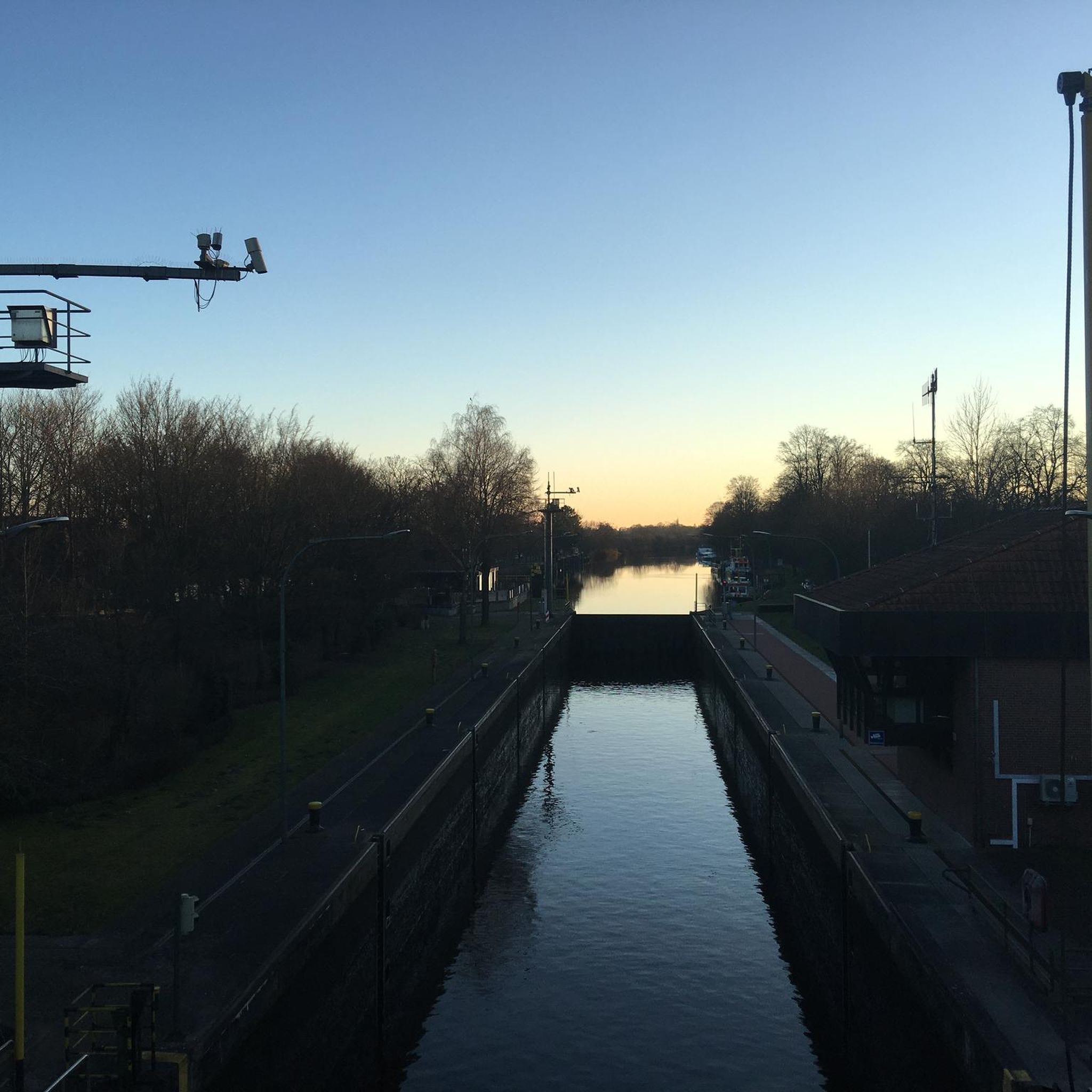

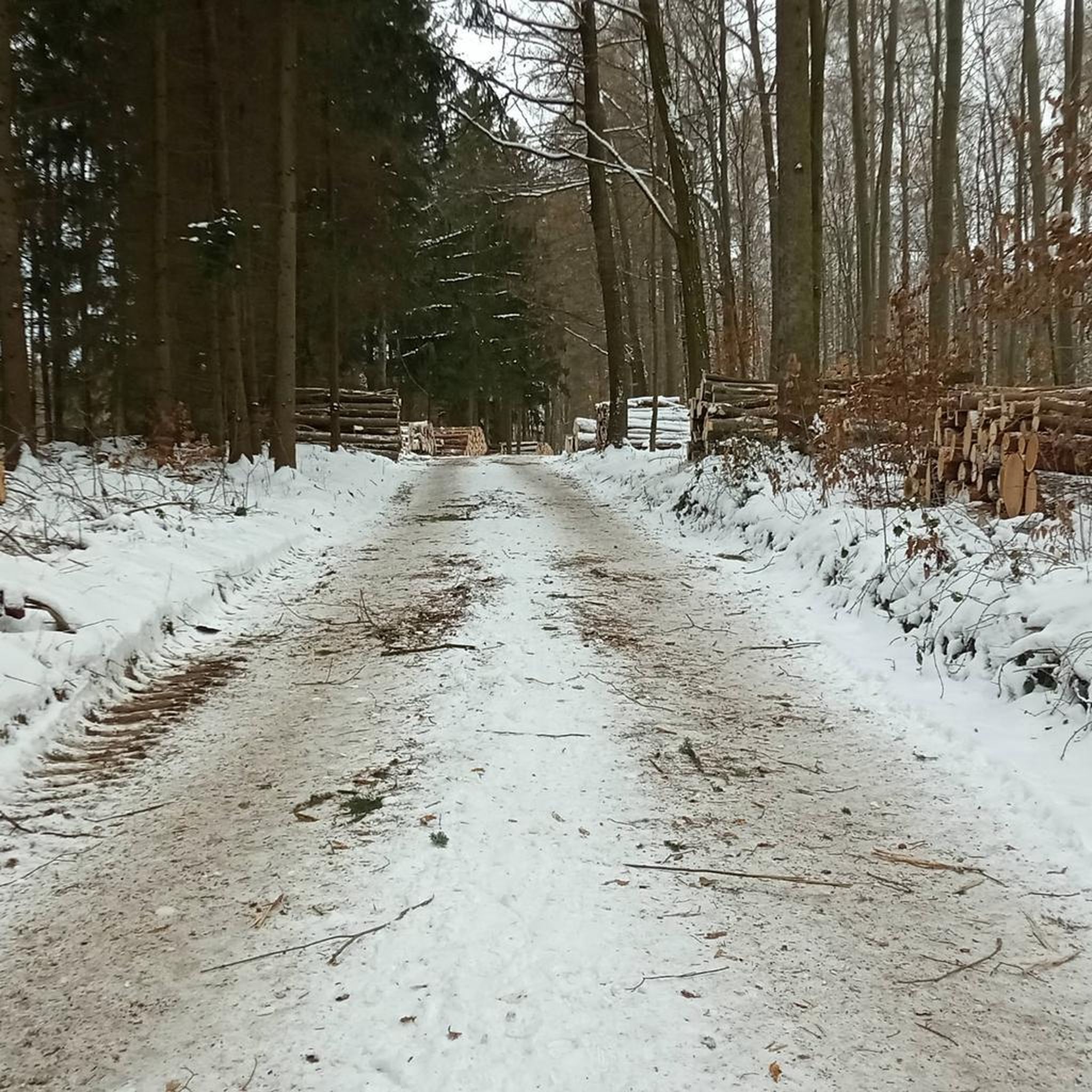
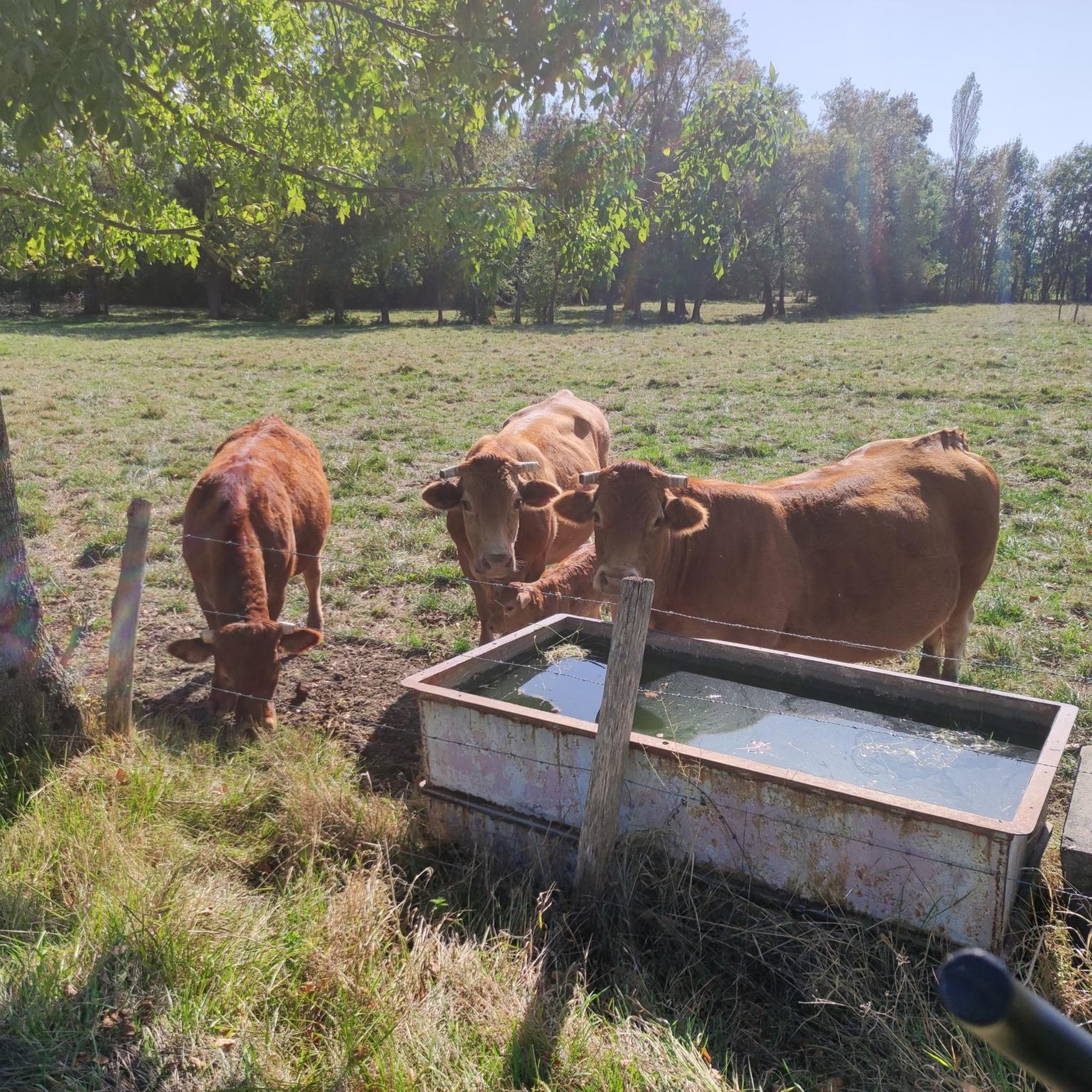
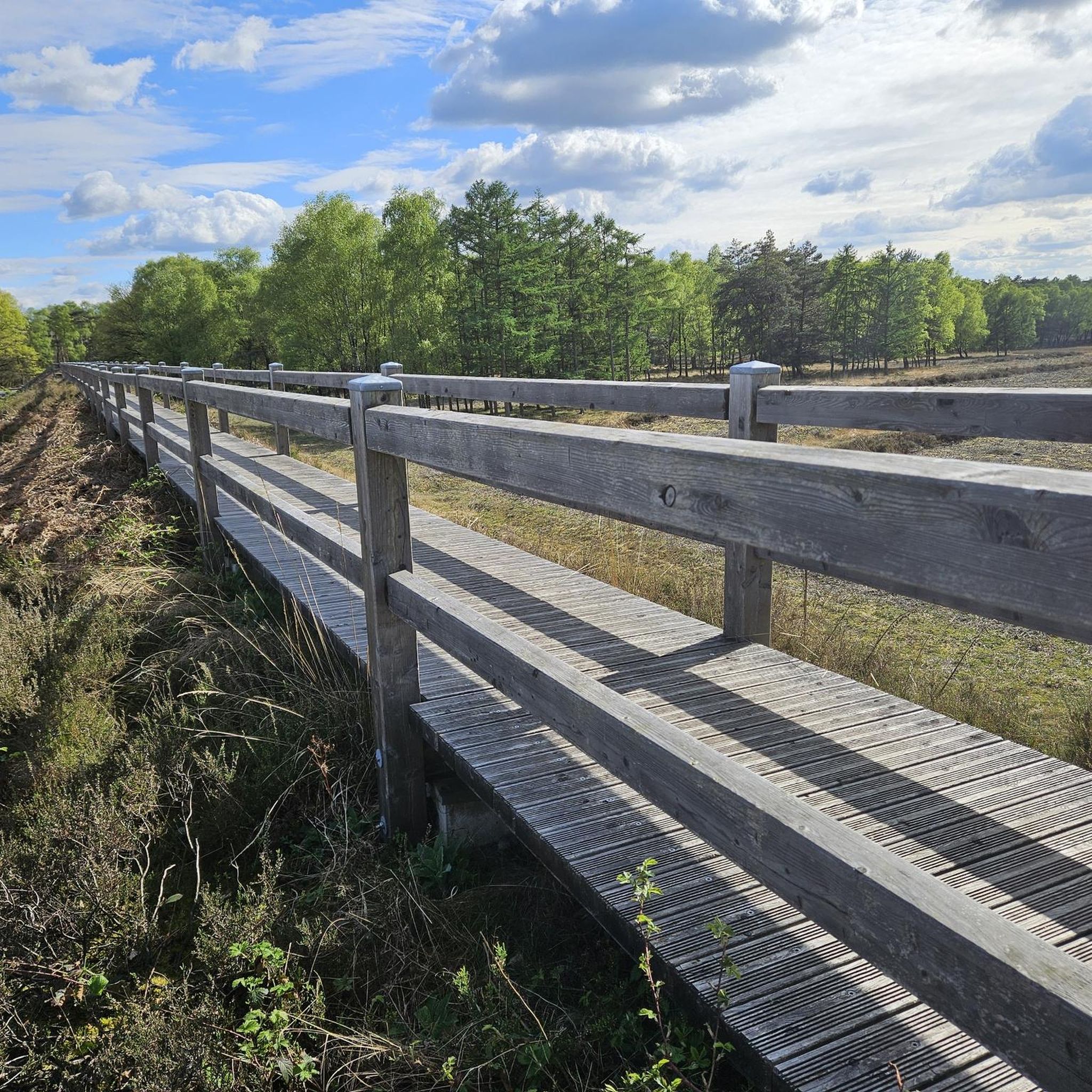
Tips from the Community


The Maison de la Vigne et des Saveurs allows the visitor to understand the origin of the World of Cognac, through a scenography dedicated to the history of the vineyard and it is also a tourist information space.
0
0

These ancient windmills are the best evidence that people were clever enough to harness the power of the wind centuries ago - long before the discovery of electricity and the resulting inventions. So what is celebrated today as modern (so-called green or renewable) energy is essentially “old hat” in a new guise.
1
0

A washhouse that was once used to wash clothes. While it is no longer really used for its primary purpose, you can stop there for a cool break and refill your water bottles.
0
0
A beautiful section of gravel of about 2km which crosses the vines. You can get off the roads a bit and the gravel is quite compact.
1
0

Bourg-Charente castle is a 17th century mansion. Nestled on a rocky promontory, it is located a few kilometers from Cognac. It also houses the remains of a medieval fortress. Acquired in the 20th century, this château houses cellars for producing Grand Marnier. It can be visited from Monday to Friday from 8 a.m. to 5 p.m.
0
0

This Templar chapel was built in the 12th century and renovated in 1706. It was acquired in 1949 by Mr. and Mrs. Frédéric, the current owners, who completely restored it. Since 1986, on August 15 of each year, a mass has been celebrated there.
2
0
Frequently Asked Questions
How many touring cycling routes are available in Jarnac-Champagne?
There are nearly 50 touring cycling routes around Jarnac-Champagne, offering diverse experiences through vineyards, along the Charente River, and past historical sites. These routes cater to various skill levels, with 17 easy, 30 moderate, and 2 difficult options.
What kind of terrain can I expect on touring cycling routes in Jarnac-Champagne?
The terrain in Jarnac-Champagne is varied, featuring mostly paved surfaces, tranquil riverside paths, and tracks. You'll cycle through extensive vineyards, woodlands, and meadows, with gentle elevation changes that make the region accessible for different fitness levels.
Are there any easy touring cycling routes suitable for beginners or families?
Yes, Jarnac-Champagne offers 17 easy touring cycling routes. A great option for a relaxed ride is the Pons – Donjon de Pons loop from Pons, which is 18.1 km long and takes about 1 hour 5 minutes to complete, leading you through historical areas.
What historical landmarks can I see while cycling in Jarnac-Champagne?
Many routes pass by significant historical landmarks. You can explore sites like the Pons Donjon, the Jonzac Castle, and charming villages such as Bassac with its former Benedictine monastery. The Jonzac Castle – Pons loop from Marignac is a moderate route that specifically highlights these cultural points of interest.
Are there any circular touring cycling routes in the region?
Yes, several routes are designed as loops, allowing you to start and end in the same location. For example, the Donjon de Pons loop from Pons is a moderate 27.8 km route that offers a circular experience.
What natural features will I encounter on the touring cycling routes?
You'll be immersed in diverse natural beauty, including vast vineyards, the tranquil Charente River with its traffic-free banks, and the scenic Seugne Valley. Keep an eye out for wildlife such as red kites, deer, swallows, and kingfishers, especially along the riverside paths.
What do other touring cyclists say about the routes in Jarnac-Champagne?
The touring cycling routes in Jarnac-Champagne are highly rated by the komoot community, with an average score of 4.4 stars from over 20 reviews. Cyclists often praise the varied natural scenery, the historical sites, and the well-maintained paths that make for enjoyable rides.
Can I find routes that follow the Charente River?
Absolutely. The Charente River is a central feature of the region, offering tranquil, mainly traffic-free riverside paths. While not explicitly listed in the top routes, the broader 'Flow Vélo' route follows the Charente, and many local routes will incorporate sections along its picturesque banks, providing opportunities to observe wildlife and pass by quays and watermills.
Are there any longer touring cycling routes for experienced cyclists?
For those looking for a longer challenge, the Tour in the Seugne valley is a moderate 71.3 km route that takes approximately 4 hours 9 minutes to complete. It offers extensive natural scenery and is one of the longer options available.
What is the best season for touring cycling in Jarnac-Champagne?
While specific weather data isn't provided, the region's vineyards and river landscapes suggest that spring and autumn would offer pleasant temperatures and beautiful scenery for touring cycling, avoiding the potential heat of summer and the chill of winter.
Are there any routes that offer views of castles or châteaux?
Yes, several routes provide opportunities to see historical castles. The Port of the Lys – Crouin bridge loop from Pons is a moderate 56.3 km route that will take you past areas with historical significance, including views of structures like the Donjon de Pons and other châteaux mentioned in the region's history.
Most popular routes around Jarnac-Champagne
Most popular attractions around Jarnac-Champagne

Get inspired with the komoot mobile app


Explore more
Browse the best Cycling routes in other regions.
