Attractions and Places To See around Fontenelle - Top 6
Best attractions and places to see around Fontenelle include historical sites and natural landscapes within the Avesnois region. This area features traditional watermills, significant religious buildings, and memorials. Visitors can explore a mix of cultural heritage and natural settings, offering opportunities for discovery. The region provides a variety of points of interest for those interested in history and local architecture.
Best attractions and places to see around Fontenelle
- The most popular attractions is Grand Fayt Mill, a man-made monument…
Last updated: July 1, 2026
Grand Fayt Mill
Highlight • Monument
Translated by Google •
Tip by

Watermill in Parc Naturel Régional de l'Avesnois
Highlight • Monument
Translated by Google •
Tip by
Sign up now to discover places like this
Get recommendations on the best single tracks, peaks, & plenty of other exciting outdoor places.
Sign up for free
Saint-Pierre-aux-Liens Church of Grand-Fayt
Highlight • Religious Site
Translated by Google •
Tip by

Cartignies
Highlight • Other
Translated by Google •
Tip by
War Memorial Grand-Fayt
Highlight • Monument
Tip by
Sign up for free to discover even more attractions around Fontenelle.
Sign up for free
Already have an account?
Start today with a free account
Your next adventure awaits.
Login or Signup




Tips from the Community

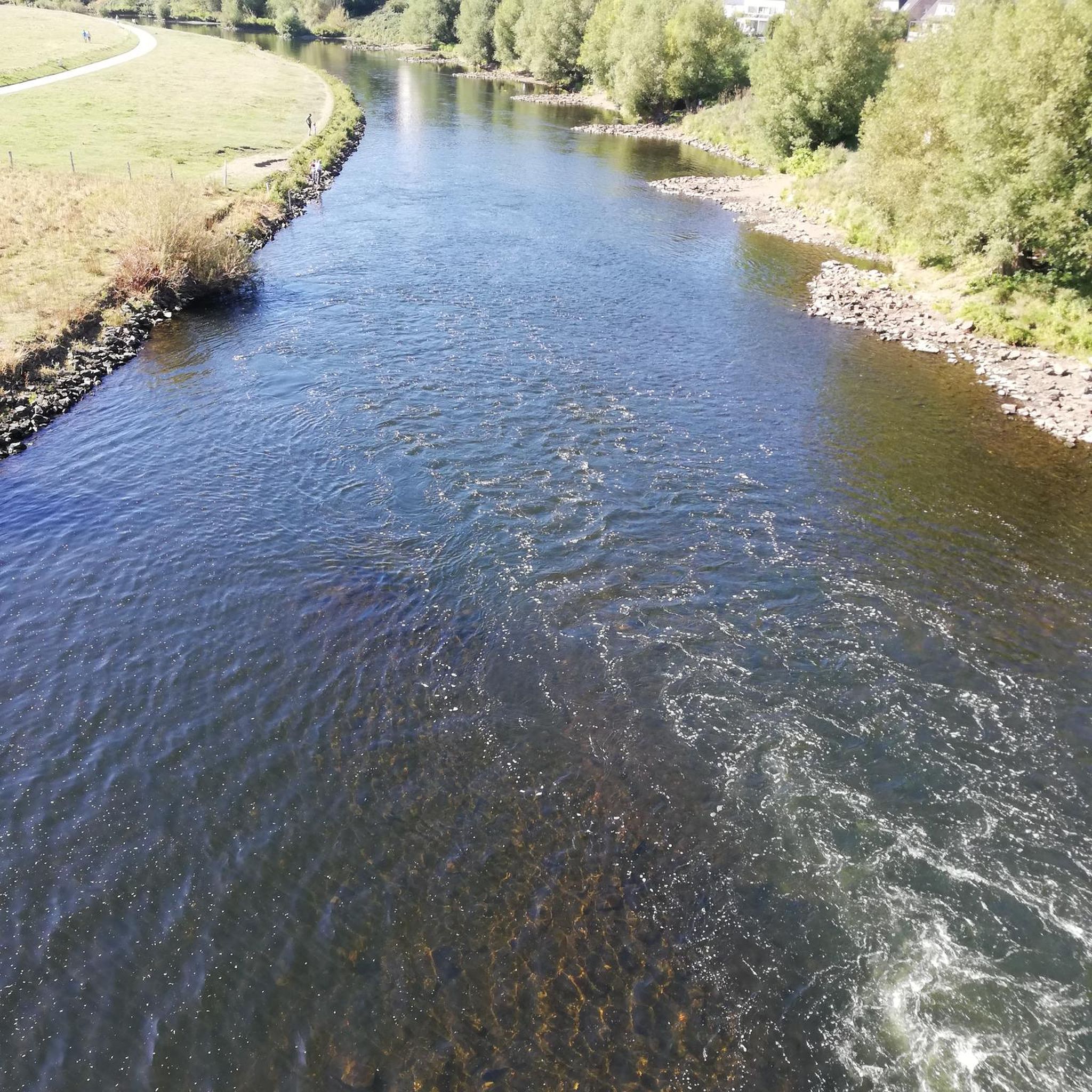
Old water mill in Grand-Fayt on the river L'Helpe Mineure
0
0

A beautifully restored old mill, picnic table for a break, a calm and peaceful spot
0
0

The Moulin de Grand Fayt is a water mill located on the Helpe Minor, in the Nord department, in the Hauts-de-France region. It dates from the 17th century and has been restored by its current owners, who offer guided and commented tours. The mill is equipped with a Poncelet-type paddle wheel, which drives a turbine and produces electricity. The site also includes a bread oven, an exhibition room and a picnic area. The mill is part of the heritage of Avesnois and the Vallée des Deux-Helpes, and bears witness to the history and culture of this region.
1
0
Municipality in the Vallée de la Helpe Mineur and the Parc naturel régional de l'Avesnois. The town square, the church, the town hall and the war memorial are all on a handkerchief. The village also has about forty chapels made of blue stone. These demarcate the Avesnois and Thiéerache and are spread along roads and paths, in forests or in wall niches. They were built to ask a favor, to thank heaven for something or to confirm a social position. They have existed since 1550. The chapel often consists of a narrow shaft surmounted by a beautifully fenced niche and a larger crown piece. There used to be polychrome wooden statues in the niches.
2
0
The church of Grand-Fayt is the Saint-Pierre des Liens church, which is located on the village square. It is a fortified church which dates from the 16th century and which was restored in the 19th century. It is built of bricks and stones, with a square bell tower and a single nave. It has a semi-circular portal, topped by a niche housing a statue of Saint Peter. The interior of the church is decorated with stained glass windows, murals and statues. The church has been classified as a historic monument since 1926.
6
0
This memorial commemorates the residents of Grand-Fayt who were killed or missing in the Franco-Prussian War (1870-1871), the Great War (World War I).
5
0

Using the power of moving water to drive a mill wheel is an ancient invention that dates back to pre-Christian times. Thanks to such a construction, human or animal muscle power could simply be replaced by a natural or artificially created watercourse, for example to grind grain grains into grain. There are essentially two different types of drive for water mills: either the water simply hits the blades of the water wheel from below to set it in motion; or the watercourse is guided above the wheel and falls on the blades, with this design the natural gravity gives a higher efficiency.
4
0
Using the power of moving water to drive a mill wheel is an ancient invention that dates back to pre-Christian times. Thanks to such a construction, human or animal muscle power could simply be replaced by a natural or artificially created watercourse, for example to grind grain grains into grain. There are essentially two different types of drive for water mills: either the water simply hits the blades of the water wheel from below to set it in motion; or the watercourse is guided above the wheel and falls on the blades, with this design the natural gravity gives a higher efficiency.
2
0
Frequently Asked Questions
What historical sites can I visit around Fontenelle?
The region around Fontenelle is rich in history. You can explore traditional watermills like the Grand Fayt Mill and the Watermill in Parc Naturel Régional de l'Avesnois, which showcase ancient engineering. The Saint-Pierre-aux-Liens Church of Grand-Fayt, a fortified church from the 16th century, is also a classified historic monument. Additionally, the War Memorial Grand-Fayt commemorates local residents from past conflicts.
Are there any family-friendly attractions in the Fontenelle area?
Yes, several attractions around Fontenelle are suitable for families. Both the Grand Fayt Mill and the Watermill in Parc Naturel Régional de l'Avesnois offer interesting insights into traditional water power, with the Grand Fayt Mill even providing picnic tables. The historic Saint-Pierre-aux-Liens Church of Grand-Fayt is also a family-friendly site.
What kind of natural landscapes can I expect to see near Fontenelle?
Fontenelle is located within the Avesnois region, which includes the Parc Naturel Régional de l'Avesnois. This regional natural park offers a mix of natural settings, including areas around the watermills. While specific natural features like waterfalls are not highlighted, the park itself provides a beautiful backdrop for exploring the region's cultural heritage.
What outdoor activities are available around Fontenelle?
The Fontenelle area is excellent for various outdoor activities. You can find numerous routes for hiking, with options ranging from easy to moderate difficulty. There are also extensive routes for gravel biking and cycling, allowing you to explore the scenic Avesnois region.
Are there any unique cultural landmarks or hidden gems in the area?
Beyond the main attractions, the municipality of Cartignies, located in the Vallée de la Helpe Mineur and Parc naturel régional de l'Avesnois, is notable. It features a charming town square, church, town hall, and war memorial. What makes it particularly unique are its approximately forty chapels made of blue stone, spread along roads, paths, and forests, some dating back to 1550.
What do visitors enjoy most about the attractions around Fontenelle?
Visitors particularly appreciate the historical significance and tranquil beauty of the area. The traditional watermills, like the Grand Fayt Mill, are often highlighted as beautiful places for a break, with picnic facilities. The Saint-Pierre-aux-Liens Church of Grand-Fayt is described as a mystical place, and the overall cultural heritage and natural settings are highly valued by the komoot community.
Are there any accessible attractions for visitors with mobility needs?
Yes, the War Memorial Grand-Fayt is noted as being wheelchair accessible, ensuring that a wider range of visitors can experience this historical site.
Can I find hiking trails near the attractions in Fontenelle?
Absolutely! The region offers a variety of hiking routes. You can find trails of varying difficulties, such as the 'Town Hall loop from Le Nouvion-en-Thiérache' or the 'Astrée Leisure Center – Joli chemin loop', perfect for exploring the surrounding landscapes.
What kind of cycling opportunities are there in the Fontenelle area?
The Fontenelle area is well-suited for cycling enthusiasts. There are dedicated cycling routes, including longer tours like the 'Tupigny Lock – Familistère of Guise loop' and easier options such as the 'Astrée Leisure Center loop'. For those who prefer off-road adventures, there are also gravel biking routes available.
Is there parking available at the main attractions?
While specific parking details for each attraction are not provided, most historical sites and natural areas in rural regions like Avesnois typically offer nearby parking facilities. It is advisable to check local signage upon arrival for the most accurate information.
What is the best time of year to visit Fontenelle and its attractions?
The Avesnois region, where Fontenelle is located, is generally pleasant to visit during spring, summer, and early autumn. These seasons offer favorable weather for exploring the outdoor attractions, enjoying the natural settings of the Parc Naturel Régional, and participating in hiking or cycling activities.
Most popular routes around Fontenelle

Get inspired with the komoot mobile app


Explore more
Still not found the Highlight you’re looking for? See guides of the top attractions in other regions:
