The best cycling routes around Trochères
4.4
(87)
562
riders
70
rides
Touring cycling around Trochères offers routes through the agricultural landscapes and river valleys of the region. The area is characterized by its network of waterways, including the Saône River and various canals, providing relatively flat to gently rolling terrain. This makes it suitable for extended cycling trips, often passing through small villages and open countryside. The elevation changes are generally modest, with hills rather than mountains defining the landscape.
Best touring cycling routes around Trochères
- The most popular touring cycling…
Last updated: June 22, 2026
4.4
(10)
52
riders
122km
07:09
540m
530m
Hard bike ride. Very good fitness required. Mostly paved surfaces. Suitable for all skill levels.
4.3
(4)
15
riders
52.0km
03:22
300m
300m
Moderate bike ride. Good fitness required. Mostly paved surfaces. Suitable for all skill levels.

Sign up for free
3.0
(1)
7
riders
58.7km
03:47
300m
300m
Moderate bike ride. Good fitness required. Mostly paved surfaces. Suitable for all skill levels.
7
riders
14.2km
00:53
90m
100m
Easy bike ride. Great for any fitness level. Mostly paved surfaces. Suitable for all skill levels.
4.0
(2)
7
riders
21.1km
01:14
120m
120m
Easy bike ride. Great for any fitness level. Mostly paved surfaces. Suitable for all skill levels.
Get access to more routes and recommendations from other explorers.
Sign up for free
Already have an account?
Our route recommendations are based on thousands of hikes, rides, and runs completed by other people on komoot.
Start today with a free account
Your next adventure awaits.
Login or Signup




Tips from the Community

The Cité internationale de la gastronomie et du vin (CIGV) (International Centre for Gastronomy and Wine) is a training and presentation center dedicated to culinary arts and wine. Located on the grounds of a former hospital, which dates back to a medieval hospice and was listed as a Monument historique in 2007, it is situated near Dijon's main train station.
1
0

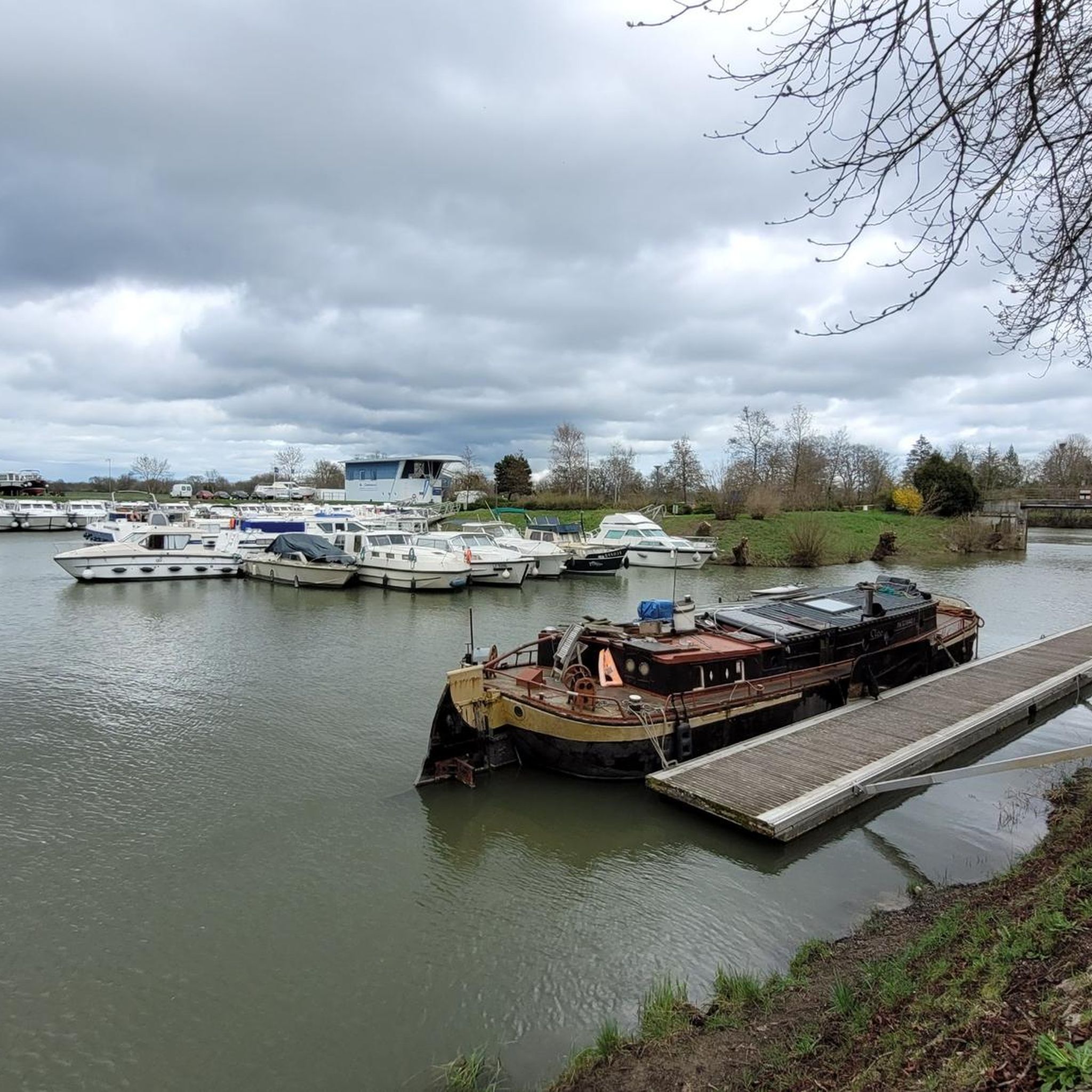
a nice bike ride, and why not a swim before going home...
0
0

The Palais des Ducs et des États de Bourgogne is one of Dijon's most striking buildings and reflects the rich history of the Burgundian Dukes. The complex originated in the Middle Ages and was expanded in later centuries with elements of classical style, including the stately façade with columns and wrought-iron balconies. Strategically located on the Place de la Libération, the palace forms the historical and administrative heart of the city. Inside, you'll find the Musée des Beaux-Arts, with one of the oldest and most important art collections in France. The combination of architecture, culture, and historical significance makes this palace an essential visit when exploring Dijon.
1
0

The 19th-century church (consecrated in 1853) has the unique feature of having two bell towers. Legend has it that the builders wanted to erect a single bell tower, which would have been taller than that of Saint-Bénigne Cathedral in Dijon. The diocese rejected this, so the builders opted for two bell towers, each 52 meters high. There are only seven other examples of this model left in France. Inside are some beautiful pieces of religious furniture, including the superbly carved pulpit. Another peculiarity is that there are no chairs, but rather numbered oak pews, which are undoubtedly original. If you have a good eye, you can see a statue in the keystone of the choir. (By Jean Michel Dhainaut; many thanks for this!)
0
0
The Church of Saint Maurice was built between 1834 and 1839 according to plans by the Dijon architect Fénéon-Damotte. It follows the traditions of neoclassical churches built in the first half of the 19th century. A façade bell tower is preceded by a peristyle with a pediment supported by four Doric columns. The church has the unique feature of being built on submerged oak trees, as it is actually located in the old branch of the Saône, which was diverted.
0
0

Restaurants in central squares often cater to tourists. Here in Dijon, some of the establishments on Place de la Libération are highly recommended, such as Le Pré au Clercs.
4
0
The history of this very interesting church dates back to the 6th century. The parish website provides many interesting details about the building: https://www.saint-michel-dijon.com/
3
0
In addition to training centers for chefs and other professionals in the catering industry, the complex also includes temporary exhibitions and a cinema, as well as various commercial offerings. The multilingual website offers a good overview: https://www.citedelagastronomie-dijon.fr/
4
0
Frequently Asked Questions
How many touring cycling routes are available around Trochères?
There are over 70 touring cycling routes around Trochères, offering a wide range of options for different skill levels and preferences. The region's network of waterways and agricultural fields provides varied scenery for exploration.
Are there easy touring cycling routes suitable for beginners or families in Trochères?
Yes, Trochères offers over 40 easy touring cycling routes, perfect for beginners or families. These routes typically feature flat to gently rolling terrain. A great option is the Bike loop from Belleneuve, which is 17.4 km long and offers a pleasant ride through the local countryside.
What kind of terrain can I expect on touring cycling routes in Trochères?
The touring cycling routes in Trochères are characterized by agricultural landscapes and river valleys, including the Saône River and various canals. The terrain is generally flat to gently rolling, with modest elevation changes, making it suitable for extended cycling trips without significant climbs.
Are there any challenging touring cycling routes for experienced riders?
For experienced riders seeking a challenge, Trochères offers 8 difficult touring cycling routes. One such route is the Pontailler-sur-Saône – Apremont Dam loop from Mirebeau-sur-Bèze, which spans 122.6 km and features a demanding ride around the dam and river.
What can I see along the touring cycling routes in Trochères?
Along the touring cycling routes, you can explore charming small villages, open countryside, and historical landmarks. Notable attractions include the town of Pontailler-sur-Saône, the serene Lac d'Arc-sur-Tille, and the historic Château de Talmay. You might also encounter interesting structures like the Stone Bridge and Canal in Cheuge.
Are there any circular touring cycling routes in the Trochères area?
Yes, many touring cycling routes in Trochères are designed as loops, allowing you to start and end in the same location. An example of a moderate circular route is the Pontailler-sur-Saône – Nice church loop from Belleneuve, which explores riverside scenery and local villages.
What is the best season for touring cycling in Trochères?
The best season for touring cycling in Trochères is typically spring through early autumn (April to October). During these months, the weather is generally mild and pleasant, making for comfortable rides through the agricultural landscapes and along the waterways. Always check local forecasts before heading out.
What do other touring cyclists enjoy most about cycling in Trochères?
The touring cycling routes in Trochères are highly rated by the komoot community, with an average score of 4.5 stars from over 90 reviews. Cyclists often praise the peaceful river valleys, the well-maintained canal paths, and the opportunity to discover charming small villages and historical churches along the way.
Are there any touring routes that pass by interesting natural features or viewpoints?
Many routes in Trochères offer scenic views of the Saône River and its canals, as well as expansive agricultural fields. While there are no dramatic mountain viewpoints, the gentle landscape provides picturesque vistas. The Swing Bridge on the Canal – Charmes Library loop from Mirebeau-sur-Bèze offers a chance to see interesting canal infrastructure.
Is public transport available to access touring cycling routes in Trochères?
Access to touring cycling routes in Trochères primarily relies on personal transport, as public transport options directly to trailheads can be limited in this rural region. It's advisable to plan your starting point with parking in mind or consider cycling from a nearby town with better transport links.
Where can I find parking for touring cycling routes in Trochères?
Parking is generally available in the small villages and towns that serve as starting points for many routes, such as Mirebeau-sur-Bèze or Belleneuve. Look for designated public parking areas, especially near village centers or local amenities, which are often free of charge.
Most popular routes around Trochères
Most popular attractions around Trochères

Get inspired with the komoot mobile app


Explore more
Browse the best Cycling routes in other regions.
