Attractions and Places To See around Mirambeau - Top 20
Best attractions and places to see around Mirambeau include a blend of historical landmarks, religious sites, and natural landscapes. This commune in Charente-Maritime, Nouvelle-Aquitaine, France, is situated amidst Cognac vineyards. The area features rolling hills, extensive woodlands, and protected wetlands, offering a variety of points of interest.
Best attractions and places to see around Mirambeau
- The most popular attractions is Saint Paul Chapel, a Templar chapel built in the 12th century. It was renovated in 1706 and fully restored by private owners in 1949.
- Another must-see spot is Saint-André Church of Clion, a religious building. This Romanesque church was constructed in the 12th century, with its bell tower being the only original part remaining.
- Visitors also love Market and Saint-Saturnin Church of Braud-et-Saint-Louis, a 19th-century religious building. It was built following the destruction of a previous parish during the French Revolution and features notable architecture.
- Mirambeau is known for its historical landmarks, religious buildings, and natural areas. The region offers a variety of attractions to explore, from ancient chapels to Romanesque churches and scenic landscapes.
- The attractions around Mirambeau are appreciated by the komoot community, with 24 upvotes and 11 photos shared.
Last updated: July 2, 2026
Saint Paul Chapel
Highlight • Other
Translated by Google •
Tip by

Saint-André Church of Clion
Highlight • Religious Site
Translated by Google •
Tip by
Sign up now to discover places like this
Get recommendations on the best single tracks, peaks, & plenty of other exciting outdoor places.
Sign up for free
Market and Saint-Saturnin Church of Braud-et-Saint-Louis
Highlight • Religious Site
Translated by Google •
Tip by

Saint-Séverin Church, Nieul-lès-Saintes
Highlight • Religious Site
The main portal of the church, as well as the two false doors, are crowned by ogival arcades with a few rare ornaments borrowed from the Romanesque period, such as saw teeth, diamond points, etc. These gantries have been the subject of a subconstruction.
The nave is made up of three recently vaulted bays in brick and plaster, without ribs; each span is separated by groups of four small columns, only two meters and fifty high, and appearing to date from the 14th century. The apse has two bays in the 15th century ogival style.
The Saint-Joseph chapel, to the north, has kept its original Romanesque style; it is dominated by a semi-circular vault, and offers the example of an apsidion of which no advantage is currently being taken. It is adorned with a small apse which housed the baptismal font. The chapel of the Virgin, to the south, was remodeled in the 17th century; it has the character of a 15th century restorer; it was then lengthened, and consists of three spans. There is, it is said, an ossuary under the choir.
The bell tower with a cone or "pine cone" spire, placed above the transept, and about 24 meters high (54 steps lead to its summit), is worthy of attention. This is the oldest part of the church. It is covered with a stone dome carved in tortoiseshell called the pine cone bell tower, similar examples of which can be found in Saintonge (Abbaye aux Dames de Saintes, Notre-Dame-de-l'Assomption church in Fenioux)3 but which recalls above all the domes of Byzantine inspiration observed in Poitou, Angoumois and Périgord (church of N.-D.-la-Grande in Poitiers, cathedral of Saint-Pierre in Angoulême, cathedral of Saint-Front in Périgueux). The foreground includes five Romanesque windows on each side, oriented as usual, on the upper level there are only two; the tower ends in a cut of stone, formed of small somewhat deformed cubes and forming a slightly rounded cone, but deformed by time. Inside, this bell tower offers a quadrangular vault, with cut sides, of very good taste. The bell, weighing 430 kilograms, was cast by Guillaume Besson, from Angers, and blessed in 1859, under the name of Marie. The godfather was Mr. Blanc Fontenille, former lawyer and notary, mayor of Nieul, and the godmother Mrs. Marie Belloteau, born Babin; parish priest M.Antoine Lanson.
Translated by Google •
Tip by

Church of the Abbey of Sainte-Marie-Madeleine of Pleine-Selve
Highlight • Religious Site
12th century church, made up at the time of a single nave, a transept and a flat apse. In the 13th century, addition of chapels to the arms of the transept. The convent buildings were completely destroyed by French troops in 1407 during the Hundred Years War and then during the Wars of Religion. The church itself had its nave amputated. Of the 13th century building, the crossing, the north arm of the transept, the north chapel, the flat apse remain. During the 19th century, construction of a sacristy on the south facade of the chevet.
The Romanesque church is only the choir of the old church, only the apse presents the architecture of the 12th century. Today it has the status of a parish church. The building was classified as a historical monument in 1908.
Translated by Google •
Tip by
Sign up for free to discover even more attractions around Mirambeau.
Sign up for free
Already have an account?
Start today with a free account
Your next adventure awaits.
Login or Signup
Tips from the Community

Opposite the church, you'll find a small supermarket, public restrooms, and drinking water. Always interesting.
0
0

The Saint-Saturnin Church was built in 1898 after the previous church was destroyed during the French Revolution. Near the church stands the Column of the Shipwrecked, an ex-voto erected by Nordic sailors who survived a shipwreck in the early 17th century. Located on the right bank of the Gironde River, Europe's largest estuary, the town owes its wealth of infrastructure and sports facilities to the presence of the Blayais National Park. In the heart of the marshland, its territory boasts typical wetland landscapes, home to exceptional flora and fauna. Discover it on bike rides or by visiting the "Terres d'oiseaux" bird park, next to the port of Callonges. A major producer of asparagus from Blayais, but also a wine-growing commune located in one of the largest vineyards in the world, Bordeaux, Braud-et-Saint-Louis also borders the appellations of cognac and pineau des Charentes.
0
0

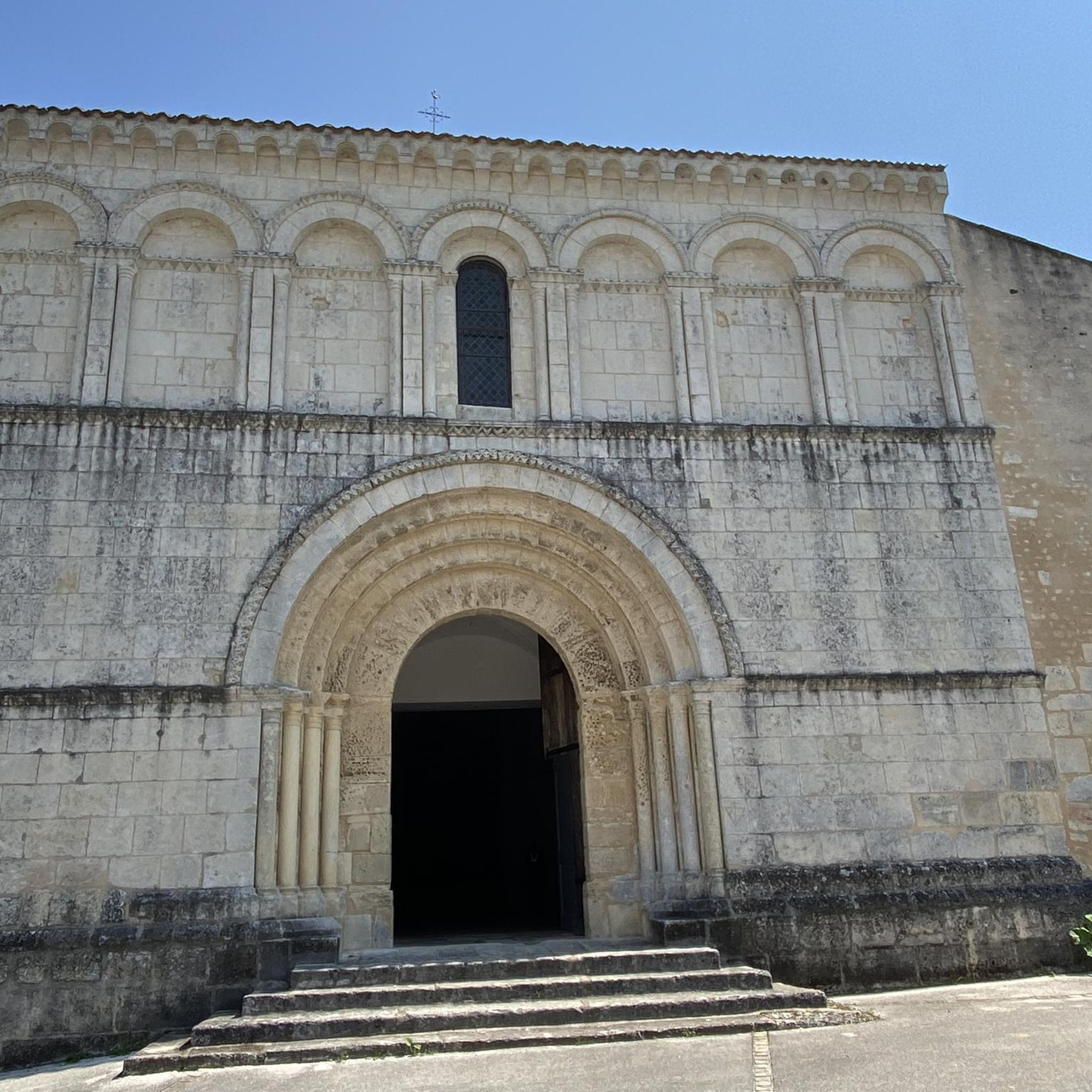
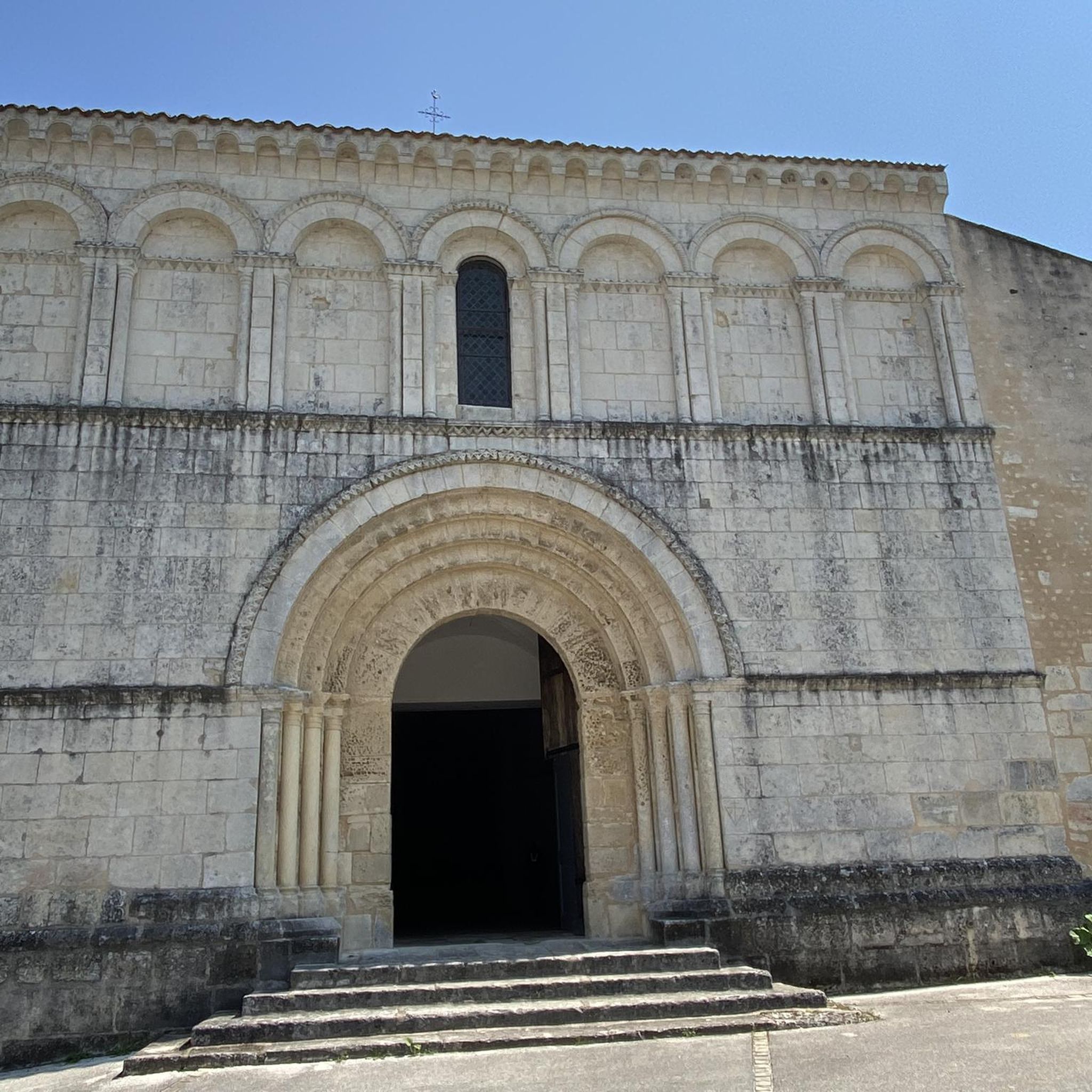
This church is quite recent (19th century) because it was built following the destruction of the village parish during the Revolution. However, its architecture is worthy of interest when passing through the charming town of Braud-et-Saint-Louis.
1
0

This Templar chapel was built in the 12th century and renovated in 1706. It was acquired in 1949 by Mr. and Mrs. Frédéric, the current owners, who completely restored it. Since 1986, on August 15 of each year, a mass has been celebrated there.
2
0
This Romanesque church was built in the 12th century, but all that remains of the original building is the bell tower. It was modified in the 15th and 16th centuries. A Renaissance style facade replaces the original facade and the square bell tower was built in the 12th century.
2
0

Charming little piece of nature. The chapel (above) can be visited when it is open. A skeleton welcomes you but don't worry, it is very discreet!
0
0

Sanctus Saturninus de Brau is the name found in the 14th century. Braud would be an abbreviation of Beraud, Saintonge form of the Germanic name Beroald, which means Old Lord. Based on the form "Embrand" which formerly would have designated this locality. Several possible etymologies of Braud The name Braud could also come from the Gascon Braou which means Bull, a sign that this form of cattle was raised in the swamps. Commune formed from the union of two former parishes: Braud, from old French "Brai", mud, marshy place and St Louis, parish founded by the Duke of St Simon in 1656 and included in the commune of Braud in 1802. Origin of the name of the municipality of Braud and Saint Louis Braud would come from beraud, Saintonge form of the Germanic name berard, old lord" or from the Gascon braou, "bull", a sign that these cattle were raised in the swamps or even from the old French brai, "mud", "swampy place". The parish of Braud is cited under the name of Sanctus Saturninus (Saint Saturnin) of Braud. The drying out of the marshes, in the 17th century, on the initiative of the Duke Claude de Saint Simon, governor of Blaye, was to make it possible to transform the marshes into "good nature of arable land" and create villages. The draining finished, the plots are allocated, the smallholdings appear. The number of inhabitants encouraged the Duke of Saint Simon to found two parishes: the parish of Saint Louis (all the part of the large marsh located between the Gironde and the ring canal, between the Clonges canal and that of Fréneau), in l honor of the King of France and that of Saint Simon. The church, the presbytery and the cemetery built between 1665 and 1667 were destroyed during the Revolution of 1789. Rebuilt in 1895 in a neo-Gothic style and on a new north-south orientation, it is located north of the town of Braud -and-Saint-Louis. The spire of the bell tower culminates at 37 meters in height. After the Revolution, the parish of Saint Saturnin de Braud and the parish of Saint Louis des Marais were united to form the municipality of Braud and Saint Louis. THE CROSS OF SAINT LOUIS A cross found in the attic of the presbytery of Braud was erected at a place called "La Chapelle", near Fréneau, during a procession in June 1915, thus indicating the location of the disappeared church. This cross is visible from the road leading to the nuclear power plant, on the left, 4 km from the Paillerie roundabout.
1
0
The Abbey of Sainte-Marie-Madeleine goes down in history for having been founded by Geoffroi du Loroux, Archbishop of Bordeaux, around 1145-1150. The only vestige of the imposing Premonstratensian monastery, the church of the Abbey of Sainte-Marie-Madeleine, founded in the 12th century, is the jewel of the village of Pleine-Selve. 12th century church, made up at the time of a single nave, a transept and a flat apse. In the 13th century, addition of chapels to the arms of the transept. The convent buildings were completely destroyed by French troops in 1407 during the Hundred Years War and then during the Wars of Religion. The church itself had its nave amputated. Of the 13th century building, the crossing, the north arm of the transept, the north chapel, the flat apse remain. During the 19th century, construction of a sacristy on the south facade of the chevet. The Romanesque church is only the choir of the old church, only the apse presents the architecture of the 12th century. Today it has the status of a parish church. The building was classified as a historical monument in 1908.
0
0
Frequently Asked Questions
What historical landmarks can I explore around Mirambeau?
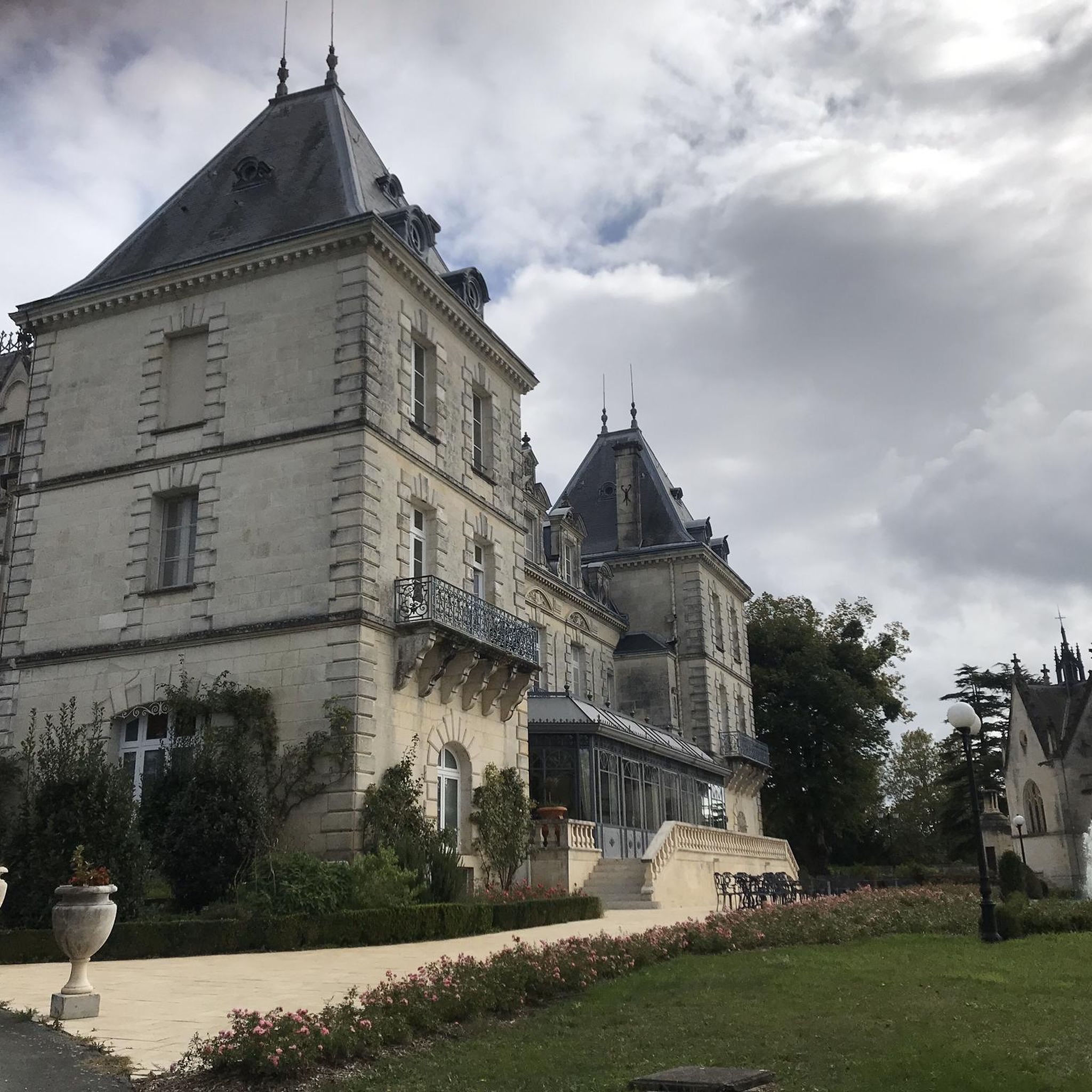
Mirambeau is rich in history. You can visit the 12th-century Templar Saint Paul Chapel, which was fully restored in 1949. Another significant site is the Saint-André Church of Clion, a Romanesque church from the 12th century, with its original bell tower still standing. The grand Château de Mirambeau, dating back to the 11th century and now a luxurious hotel, also offers a glimpse into the region's past.
Are there any notable churches or religious sites to visit?
Yes, beyond the Saint Paul Chapel and Saint-André Church of Clion, you can explore the 19th-century Market and Saint-Saturnin Church of Braud-et-Saint-Louis, known for its neo-Gothic architecture. The Saint-Martin Church in Petit-Niort is an excellent example of Saintonge Romanesque style from the 11th and 12th centuries, and the Notre-Dame-de-l'Assomption Church in the town center is a neo-Romanesque structure from the 19th century.
What natural landscapes and outdoor areas are there near Mirambeau?
The Mirambeau region is characterized by its scenic vineyards, rolling hills, and extensive woodlands, particularly to the east and south. You can explore the protected Wetland of 'High Valley of the Seugne,' known for its diverse flora and fauna, which is ideal for hiking and mountain biking. The Forêt de la Lande and Forêt de Pons also offer tranquil natural settings for outdoor activities.
What kind of outdoor activities can I do around Mirambeau?
The area around Mirambeau is well-suited for various outdoor activities. You can find numerous routes for running, road cycling, and mountain biking. For example, there are running loops from Nieul-le-Virouil and Saint-Palais, road cycling routes like the 'Citadel of Blaye' loop, and MTB trails such as the 'Climbing spots' loop from Guitinières. You can find more details on these activities in the dedicated guides for Running Trails around Mirambeau, Road Cycling Routes around Mirambeau, and MTB Trails around Mirambeau.
Are there family-friendly attractions in the Mirambeau area?
Many of the religious and historical sites, such as the Saint-André Church of Clion and the Market and Saint-Saturnin Church of Braud-et-Saint-Louis, are considered family-friendly. Additionally, the natural areas like the vineyards, woodlands, and the Wetland of 'High Valley of the Seugne' provide opportunities for family walks and exploration.
What is the best time of year to visit Mirambeau?
The region's vineyards and natural landscapes are particularly pleasant during spring and early autumn, when the weather is mild and the scenery is vibrant. Summer offers warm weather suitable for outdoor activities, though it can be busier. Visiting during the local market days, especially the weekly Friday morning market in Mirambeau, can also enhance your experience.
Where can I experience local culture and heritage?
To immerse yourself in local culture, visit Mirambeau's weekly market every Friday morning for fresh produce and regional specialties. The restored Lavoir des Sept Fonds offers a charming glimpse into local heritage. For a deeper dive into the region's past, consider visiting the archaeological museum in the canton of Saint-Ciers-sur-Gironde, which covers history from the Paleolithic to Roman and Gallic periods.
Are there any unique or surprising historical sites?
Yes, the church known as 'A surprising church name' (St Georges d'Agout) is a 12th-century church with an unusual name derived from an old Saintonge word for 'sewer,' referring to the water flow in the region. It retains its Romanesque structure, sculpted capitals, and a solid square bell tower, offering a unique historical perspective.
What are some other religious buildings worth seeing besides the main churches?
Beyond the prominent churches, the Saint-Séverin Church in Nieul-lès-Saintes, with its 11th and 12th-century origins and distinctive 'pine cone' spire, is a remarkable example of regional architecture. Its unique bell tower and historical modifications make it a fascinating visit for those interested in religious heritage.
What are the general characteristics of the landscape around Mirambeau?
The landscape surrounding Mirambeau is diverse and picturesque. It is nestled within the Cognac production area, featuring extensive vineyards. Beyond the vineyards, you'll find rolling hills and significant woodlands to the east and south. The presence of the protected Wetland of 'High Valley of the Seugne' also adds to the natural beauty, offering varied ecosystems.
What do visitors particularly enjoy about the attractions around Mirambeau?
Visitors appreciate the blend of historical depth and natural beauty. The ancient chapels and Romanesque churches, like the Saint Paul Chapel, are often highlighted for their historical significance and restoration. The scenic landscapes, including the vineyards and woodlands, are also highly valued for their tranquility and outdoor opportunities.

Get inspired with the komoot mobile app


Explore more
Still not found the Highlight you’re looking for? See guides of the top attractions in other regions:
