Attractions and Places To See around Beire-Le-Fort - Top 14
Best attractions and places to see around Beire-Le-Fort include a mix of historical sites, natural features, and cultural landmarks. Beire-Le-Fort is a rural commune in the Côte-d'Or department of Burgundy-Franche-Comté, France. It serves as a base for exploring the surrounding region, which features the Saône River and its diversions. The area offers opportunities to discover historical towns and significant waterways.
Best attractions and places to see around Beire-Le-Fort
- The most popular attractions is Diversion into the Saône river, a…
Last updated: July 1, 2026
Auxonne
Highlight • Settlement
Stroll through the streets of the city and take …
Translated by Google •
Tip by

Diversion into the Saône river
Highlight • River
Translated by Google •
Tip by
Sign up now to discover places like this
Get recommendations on the best single tracks, peaks, & plenty of other exciting outdoor places.
Sign up for free
Auxonne Castle
Highlight • Castle
Translated by Google •
Tip by

Royal Canadian Air Force and Royal Air Force Memorial, Thorey-en-Plaine
Highlight • Monument
Translated by Google •
Tip by

Poncey diversion
Highlight (Segment) • Other
Translated by Google •
Tip by

Sign up for free to discover even more attractions around Beire-Le-Fort.
Sign up for free
Already have an account?
Start today with a free account
Your next adventure awaits.
Login or Signup


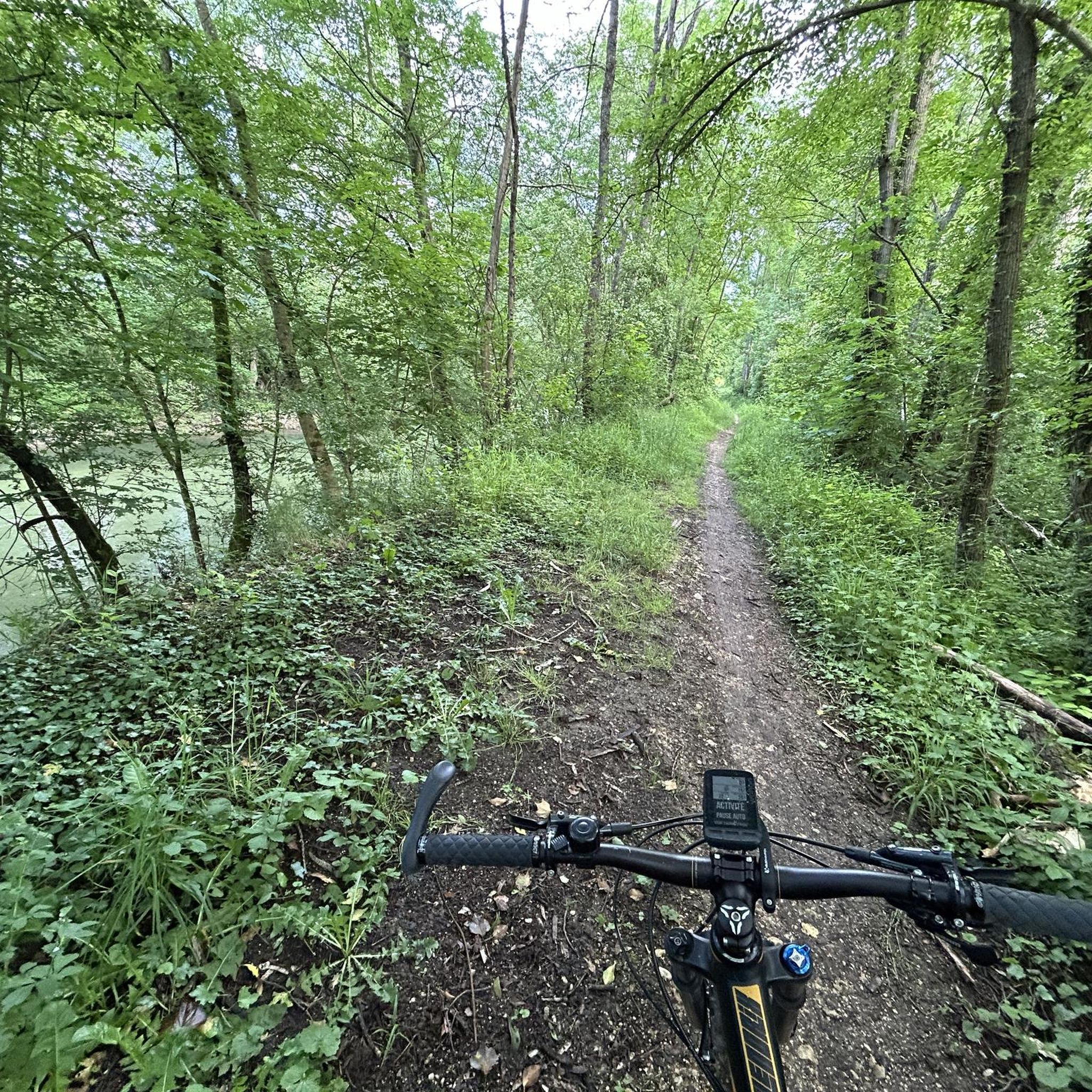



Tips from the Community


Not a castle that can be visited but nice to walk or cycle through The building is used for other purposes
1
0

The two holes formed by the impact of the plane's engines can still be seen.
0
0

Junction between the Saône and its bypass!
0
0

At lock number 20, the diversion of the Saône River, which connects to Auxonne, ends. The Auxonne Canal and its locks were built between 1839 and 1845. The Auxonne Canal has a water level that guarantees a depth of 1.60 meters, including the shallows. The locks at each end connect it to the river.
2
0
Labeled “Imperial City”, Auxonne is an old stronghold which has an important historical heritage, notably its church, its castle, its arsenal. Stroll through the streets of the city and take advantage of the many shops, bars and restaurants to take a break.
2
0
Frequently Asked Questions
What historical sites can I explore near Beire-Le-Fort?
The region offers a rich historical heritage. You can visit Auxonne, an "Imperial City" known for its church, castle, and arsenal, including the historic Auxonne Castle. Further afield, Dijon boasts the Palais des Ducs et des États de Bourgogne and Cathédrale Saint-Bénigne, while Dole features the Collegiale Church. The UNESCO World Heritage Site of the Saltworks of Arc-et-Senans is also within reach.
Are there any natural attractions or scenic spots around Beire-Le-Fort?
Yes, you can explore the Diversion into the Saône river near Auxonne, which features the historic Auxonne Canal. Another interesting spot is the Poncey diversion, a junction between the Saône and its bypass. For more natural beauty, Lac d'Arc-sur-Tille offers paths for walking or cycling and a supervised beach. The Bèze Spring, where the Bèze river originates, is also a notable natural feature.
What kind of outdoor activities can I do near Beire-Le-Fort?
The area around Beire-Le-Fort is excellent for various outdoor activities. You can find numerous cycling routes, including those around Auxonne and Genlis, with options for different difficulty levels. For mountain biking enthusiasts, there are trails near Marliens and Genlis. Gravel biking is also popular, with routes around Remilly-sur-Tille and Varanges. You can find detailed routes in the Cycling around Beire-Le-Fort, Gravel biking around Beire-Le-Fort, and MTB Trails around Beire-Le-Fort guides.
Are there family-friendly attractions in the Beire-Le-Fort area?
Absolutely. The Auxonne Castle is a historical site that can be interesting for families. Lac d'Arc-sur-Tille provides a beach for swimming and shady paths perfect for family walks or bike rides, where you might even spot rabbits in the morning. Dijon, a short drive away, offers Parc de la Colombiere, a large park suitable for family outings.
Which charming villages are worth visiting near Beire-Le-Fort?
Several picturesque villages are within a reasonable distance. Pesmes, recognized as one of France's "Most Beautiful Villages," offers a quaint and pretty atmosphere. Chateauneuf-en-Auxois is another village listed among the "most beautiful villages in France," known for its medieval charm.
Can I visit a wine region near Beire-Le-Fort?
Yes, the town of Nuits-Saint-Georges, a significant part of the local vineyards and renowned for its wine region, is approximately 25 km away. It offers an opportunity to explore the famous Burgundy wine country.
What do visitors particularly enjoy about the attractions around Beire-Le-Fort?
Visitors appreciate the historical depth of places like Auxonne, often described as a city with a mighty fortress, beautiful market square, and ancient streets. The Diversion into the Saône river is noted for its historical canal system. The region's blend of historical settlements and natural waterways is a recurring highlight for the komoot community.
Are there any notable gardens or châteaux to visit?
Yes, you can explore the remarkable gardens of Château d'Arcelot, located about 18 km away. Other beautiful gardens include Jardin du château du Talmay and Jardin à la Faulx, both within a reasonable driving distance. Parc et jardin du château de Barbirey sur Ouche also offers natural surroundings to enjoy.
What is the best time to visit Beire-Le-Fort and its surrounding attractions?
The region is generally pleasant to visit during spring, summer, and early autumn when the weather is mild and suitable for outdoor activities and exploring historical sites. Some areas, like the Poncey diversion, can have very muddy passages in winter, so planning accordingly is advisable for certain natural spots.
Are there any memorials or places of remembrance in the area?
Yes, the Royal Canadian Air Force and Royal Air Force Memorial in Thorey-en-Plaine serves as a place of memory in the middle of the forest. It commemorates a historical event, and visitors can still see the impact marks from the plane's engines.
What are the main features of the Saône River in this region?
The Saône River is a significant feature, particularly near Auxonne. The Diversion into the Saône river and the Auxonne Canal, built between 1839 and 1845, are notable for their engineering and historical importance in maintaining water levels for navigation. The Poncey diversion also marks a key junction of the river.
Most popular routes around Beire-Le-Fort

Get inspired with the komoot mobile app


Explore more
Still not found the Highlight you’re looking for? See guides of the top attractions in other regions:
