The best road cycling routes around Léoville
4.7
(27)
803
riders
126
rides
Road cycling routes around Léoville traverse the picturesque landscapes of Charente-Maritime, Nouvelle-Aquitaine. The region features rolling hills and valleys, expansive vineyards, and significant wooded areas like the Double Saintongeaise Forest. Cyclists can also find serene routes along the Charente and Boutonne river valleys, offering varied terrain for different preferences. This area provides a blend of natural beauty and agricultural heritage, with routes passing through the Cognac and Pineau vineyards.
Best road cycling routes around Léoville
- The most popular road cycling…
Last updated: July 13, 2026
6
riders
35.1km
01:32
260m
260m
Moderate road ride. Great for any fitness level. Some segments of this route may be unpaved and difficult to ride.
7
riders
30.3km
01:23
260m
260m
Easy road ride. Great for any fitness level. Mostly well-paved surfaces and easy to ride.

Sign up for free
4
riders
73.9km
03:07
520m
530m
Moderate road ride. Good fitness required. Mostly well-paved surfaces and easy to ride.
2
riders
55.5km
02:26
420m
420m
Moderate road ride. Good fitness required. Mostly well-paved surfaces and easy to ride.
3
riders
71.0km
03:06
570m
570m
Moderate road ride. Good fitness required. Mostly well-paved surfaces and easy to ride.
Get access to more routes and recommendations from other explorers.
Sign up for free
Already have an account?
Our route recommendations are based on thousands of hikes, rides, and runs completed by other people on komoot.
Start today with a free account
Your next adventure awaits.
Login or Signup
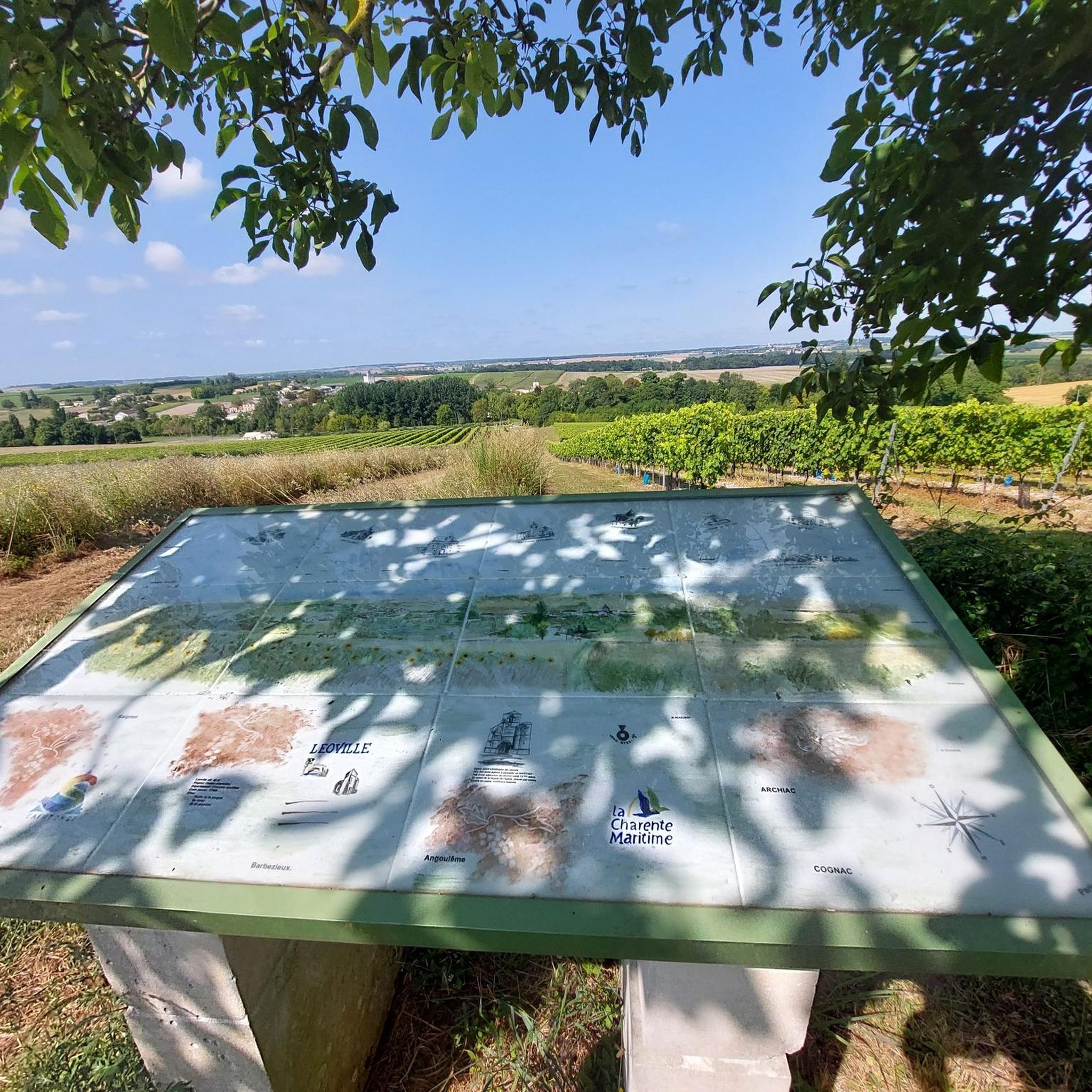

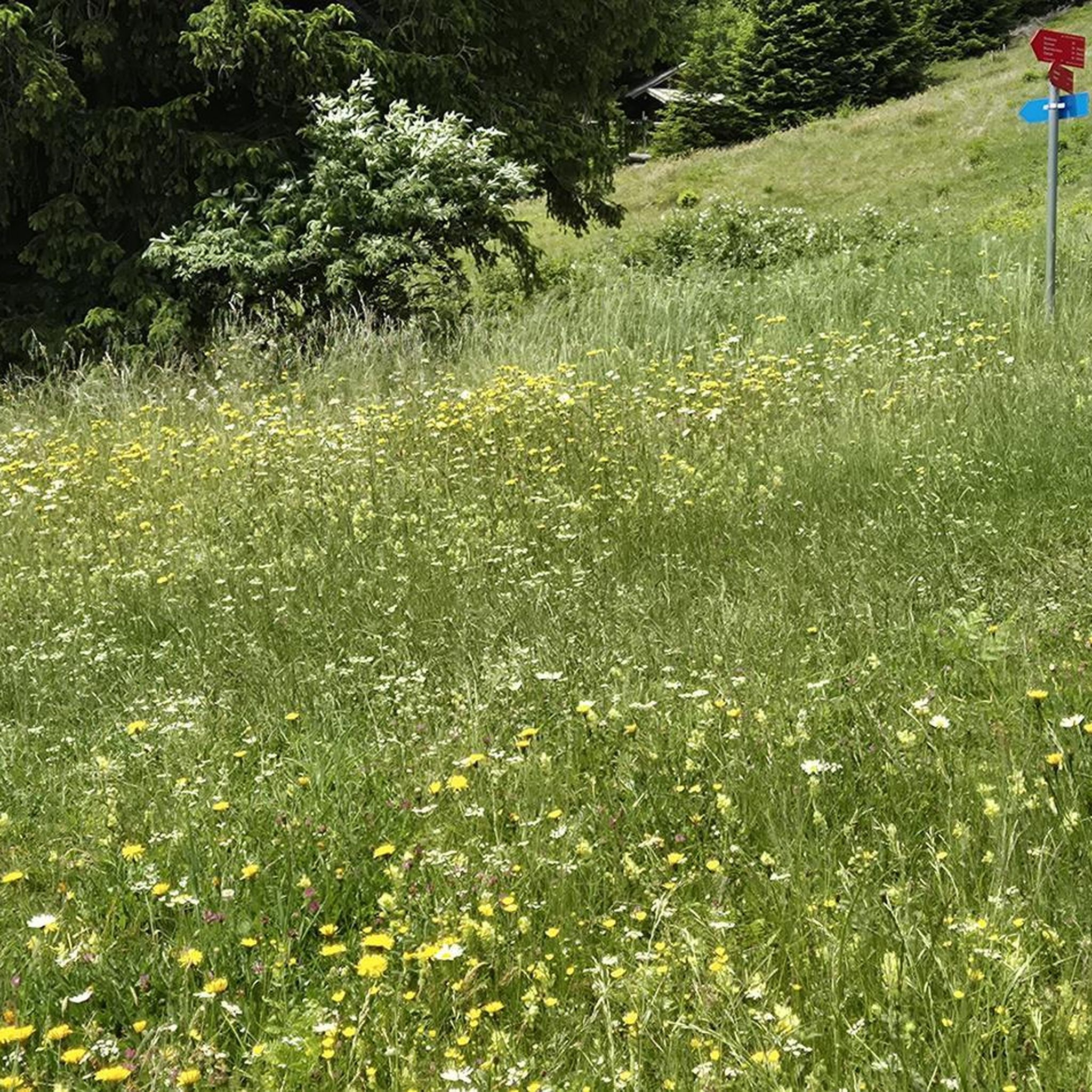
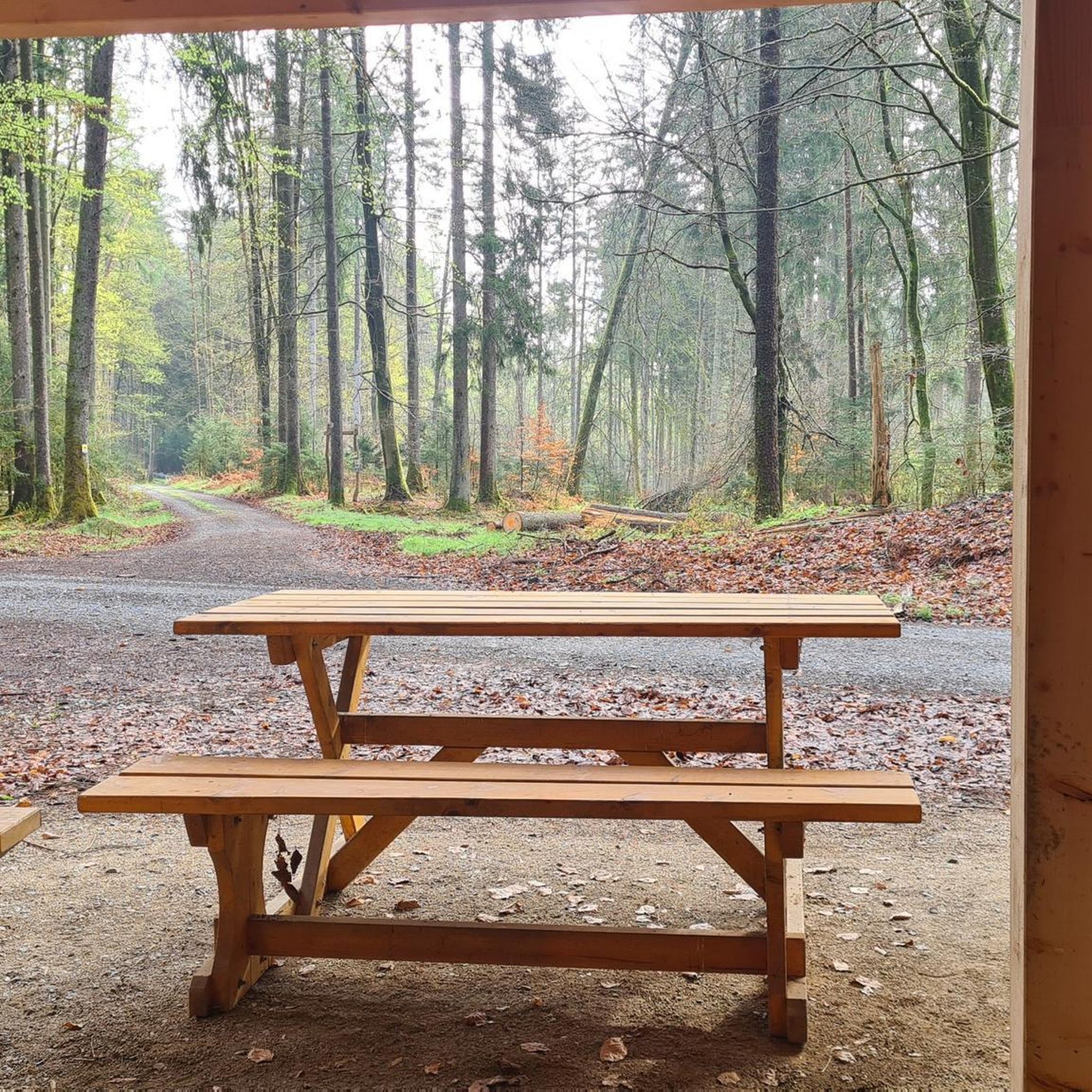
Tips from the Community

You have to be very careful with the roots of the acacias which lift the bitumen in places as well as the thorns of these trees. Otherwise very pleasant.
0
0

Consider deviating from the cycle path for a few minutes. Church your real the detour
1
0

A nice little climb to reach the beautiful church of Montchaude and its beautiful castle opposite.
0
0

This Renaissance style building looks great with its white stones and slate roof. The castle is believed to have been built in the 16th century, but its exact origin is debated. It belongs to private people.
0
0
Some sections of the track are damaged by tree roots and dangerous on a road bike. I often prefer to go by road.
1
0
Superb Saint-Pierre church in Lagarde sur le Né, surrounded by fields. Built in the 12th century in the pure Romanesque style. The church is often open. Ideal for a cool ravito and a prayer break 🙏
0
0

The Château de Meux is located in the Charente-Maritime in the municipality of Meux . It is adjacent to the Romanesque church.
2
0
The Castle of Meux (French: Château de Meux) is a castle in the French commune of Meux.
2
0
Frequently Asked Questions
What kind of terrain can I expect when road cycling around Léoville?
The region around Léoville offers diverse terrain for road cyclists. You'll encounter picturesque rolling hills and valleys, expansive vineyards (especially those producing Cognac and Pineau), and serene routes through forests like the Double Saintongeaise. The Charente and Boutonne river valleys also provide flatter sections, often featuring quiet country roads and greenways.
Are there road cycling routes for different skill levels in Léoville?
Yes, Léoville caters to various cycling abilities. Out of 110 routes, you'll find 11 easy routes, 92 moderate routes, and 7 more challenging options. For an easy ride, consider the Jonzac Castle loop from Vibrac, which is 18.4 miles (29.6 km) long.
What natural features can I see on road cycling routes near Léoville?
Road cycling routes near Léoville are rich in natural beauty. You can expect to cycle through vast vineyards, providing a glimpse into the local agricultural heritage. Many routes also pass through significant wooded areas, offering shaded paths and invigorating country air. The serene Charente and Boutonne river valleys are also prominent features, often with picturesque small ports.
Are there any historical landmarks or points of interest along the cycling routes?
Absolutely. The region is dotted with historical sites. You can cycle near the historic town of Jonzac, known for its castle and spa. The Jonzac Castle loop from Vibrac, for instance, passes close to Jonzac Castle and the Old Town Gate of Jonzac. You might also encounter charming Romanesque churches, such as the Saint Martin Church of Fontaine-d'Ozillac.
What do other road cyclists enjoy most about cycling in Léoville?
The road cycling routes in Léoville are highly rated by the komoot community, with an average score of 4.5 stars from over 20 reviews. Cyclists often praise the varied terrain, which includes rolling hills, expansive vineyards, and tranquil river valleys. The blend of natural beauty and agricultural heritage, along with options for all ability levels, makes it a popular destination.
Are there family-friendly road cycling routes around Léoville?
Yes, several routes are suitable for families. The La voie verte loop from Léoville is a great option, following a greenway that provides a tranquil and generally safer ride away from heavy traffic. This 21.8-mile (35.0 km) route is often enjoyed by families.
What is the best time of year for road cycling in Léoville?
The region is generally pleasant for road cycling from spring through early autumn. The mild climate of Nouvelle-Aquitaine makes it ideal for exploring the vineyards and countryside. Spring offers blooming landscapes, while autumn provides beautiful colors and harvest activity in the vineyards. Summer can be warm, but routes through forests and along river valleys offer cooler sections.
Are there any long-distance cycling networks accessible from Léoville?
Léoville is well-positioned to access broader cycling networks. The Scandibérique (EuroVelo 3), a major European route, passes through the Charente's vineyards and forests, with sections like the Galope Chopine Greenway near Barbezieux-Saint-Hilaire. You can find more information on sections like Angoulême to Barbezieux-Saint-Hilaire and Barbezieux-Saint-Hilaire to Clérac. The Flow Vélo also follows the Charente River towards the Atlantic.
Where can I find parking for cyclists in Léoville?
While specific designated cyclist parking areas in Léoville are not detailed, as a rural commune, you will generally find parking available in village centers or near local amenities. For routes starting from specific points, such as the Sousmoulins Church loop from Mortiers, parking would typically be available in the respective starting villages like Mortiers or Vibrac.
Can I access road cycling routes using public transport in the Léoville area?
Public transport options directly to Léoville with bike carriage might be limited due to its rural location. However, larger nearby towns like Jonzac or Barbezieux-Saint-Hilaire, which are accessible by regional transport, could serve as starting points. From these towns, you can connect to local roads and cycling networks that lead into the Léoville area.
Are there any specific cultural or architectural highlights to look out for?
The region is rich in Romanesque art and architecture. Beyond the notable Jonzac Castle, you'll discover numerous charming villages with historic buildings, including Romanesque churches dating from the 11th and 12th centuries in nearby areas like Chevanceux and Saint-Martin d'Ary. Cycling through these areas offers a journey through history.
What is the longest road cycling route available from Léoville?
One of the longer routes you can explore is the Saint-Martin de Moings church loop from Vibrac. This moderate route covers a distance of 32.3 miles (51.9 km), offering an extensive ride through the local landscape.
Most popular attractions around Léoville

Get inspired with the komoot mobile app


Explore more
Browse the best Road cycling routes in other regions.
