Attractions and Places To See around Saint-Médard - Top 20
Best attractions and places to see around Saint-Médard include a blend of historical sites, natural landscapes, and recreational areas. This commune in southwestern France is characterized by its numerous parks, green spaces, and the Jalle de Blanquefort, a tributary of the Garonne. The area offers opportunities to explore historical monuments and enjoy outdoor activities. Nearly half of the commune's territory is covered by forests, demonstrating a commitment to preserving its natural heritage.
Best attractions and places to see around Saint-Médard
…Last updated: July 7, 2026
Jonzac Castle
Highlight • Castle
Translated by Google •
Tip by

La voie verte
Highlight (Segment) • Cycleway
Surprising but …
Translated by Google •
Tip by
Sign up now to discover places like this
Get recommendations on the best single tracks, peaks, & plenty of other exciting outdoor places.
Sign up for free
Saint Martin Church of Fontaine-d'Ozillac
Highlight • Religious Site
Translated by Google •
Tip by
Old Town Gate of Jonzac
Highlight • Historical Site
Translated by Google •
Tip by
An abbey turned parish church
Highlight • Other
Translated by Google •
Tip by
Sign up for free to discover even more attractions around Saint-Médard.
Sign up for free
Already have an account?
Start today with a free account
Your next adventure awaits.
Login or Signup



Tips from the Community

You have to be very careful with the roots of the acacias which lift the bitumen in places as well as the thorns of these trees. Otherwise very pleasant.
0
0

Consider deviating from the cycle path for a few minutes. Church your real the detour
1
0

Some sections of the track are damaged by tree roots and dangerous on a road bike. I often prefer to go by road.
1
0

The church is in the form of a rectangle thirty meters long and ten meters wide, flanked by 4 buttresses, one of which is located on the north wing and the 3 others on the south wing, a bell tower and a small extension on the south west part housing a chapel dedicated to the Virgin Massive building, reinforced by buttresses, low and poorly lit, it has a facade with a Romanesque portal surmounted by a large rose window. This gate is made up of 2 straight legs, and a projecting coving made up of 3 semicircular rollers with a keystone. The oculus rose is surrounded by a frieze with a sawtooth motif. The porch opens onto a single nave 22 m long by 9 wide without side aisles. It is made up of 4 bays with semi-circular vaults. The south wall is pierced under the 1st bay with a large semi-circular arch giving access to the chapel. The north wall has a pulpit which bears a monogram which would be that of Louis XIV. The choir of the church, raised from the nave by 3 steps, consists of a flat chevet and a span of semi-circular vaults. The bedside wall is pierced at each end with a rectangular door allowing access to the sacristy. The old sacristy has just been refurbished and has a very modern look with paneling on the floor and ceiling. The chapel of the Virgin is located on the southern extension of the church. It measures 13.50 m long by 7 wide, and consists of a small single nave 10 m long by 7 wide and a choir with a flat apse. The floor of this chapel is 1.25 m lower than the floor of the church corresponding to the initial floor of the old abbey. Access to the bell tower is through a door located on the east wall of the nave of the chapel. It consists of 4 floors and a vaulted ground floor. The facing is made up of medium-sized cut stone for the ground floor and the 1st floor and rubble stone coated with brown lime for the 2nd and 3rd floors.
0
0
A bike path, only for bikes and in the countryside! 35 kms from Barbezieux to Clérac in complete peace of mind on a paved road, a real pleasure! Surprising but very pleasant especially for families with children who can walk there in peace.
1
0
Baignes Abbey became a parish church after the revolution. It was part of the diocese of Saintes until the middle of the 19th century. The foundation of the Abbey would seem to date back to the 11th century. It was ransacked during the 100 Years War and then destroyed by the Protestants. The current building is totally different from the Old Abbey due to the destruction/modifications that have taken place.
2
0
The city gate, called 'Porte de ville vieille', which gives access to the old town was built between the 13th and 15th centuries and allows you to reach the very typical houses of the town center of Jonzac. It was classified as a historical monument in 1926.
1
0
In 1073, the castle already exists; the first known lord was Guillaume de la Rochandry at the beginning of the 12th century. The 1449 inscription on the castle attests to its reconstruction following the destruction caused by the Hundred Years War. In 1505, Jean de Sainte-Maure, lord of Jonzac, founded the Carmelite monastery on the remains of an old chapel dedicated to Saint Nicolas. The cloister was built in 1657. The young Louis XIV, the Queen Mother and Mazarin stayed at the castle in 1659. The castle remained at Sainte-Maure until the end of the 17th century, then passed through marriage to Espardes de Lussan, which transformed the fortress in beautiful stately home with neat ornamentation and guard until the Revolution. Currently the north wing of the castle houses the buildings of the Town Hall (restored in the 19th century), and the south wing, those of the sub-prefecture. The cloister was restored between 1976 and 1978, and now houses a cultural center, with exhibition halls and an archaeological museum. The towers, postern and fountain in the basement date from the 12th century. Of the old feudal castle, only the postern and an isolated tower remain, connected to the main body by a large hall. The moat in front of the drawbridge was filled was filled in the 19th century. It was reopened at the beginning of the 21st century. The imposing gatehouse is marked 1549 and therefore dates from the 16th century, a period of work including the north-west tower, while the south-west tower, of a smaller diameter, is from the 17th century. The towers flanking the postern have retained their defenses. At each, the loopholes have been retained or enlarged. Stone stairs serve each floor and access the walkway. This passage seems to have been discovered, as evidenced by the gargoyles. The crenellation includes machicolations with archers in the middle of the merlons. The slate roofs are high pepperboxes on the towers, and a curious set with two sides connecting two pepperboxes for the gatehouse The fountain located in the basement of the sub-prefecture, has a niche and a niche frame decorated with sculptures imitating stalactites. Carved mask. The fountain was probably built by Léon de Sainte-Maure, Count of Jonzac, who enlarged and embellished the castle in the middle of the 12th century. In a former courtyard of the castle, a theater was built in the 19th century. It is a round building with approximately 300 seats.
0
0
Frequently Asked Questions
What historical landmarks can I explore in Saint-Médard-en-Jalles?
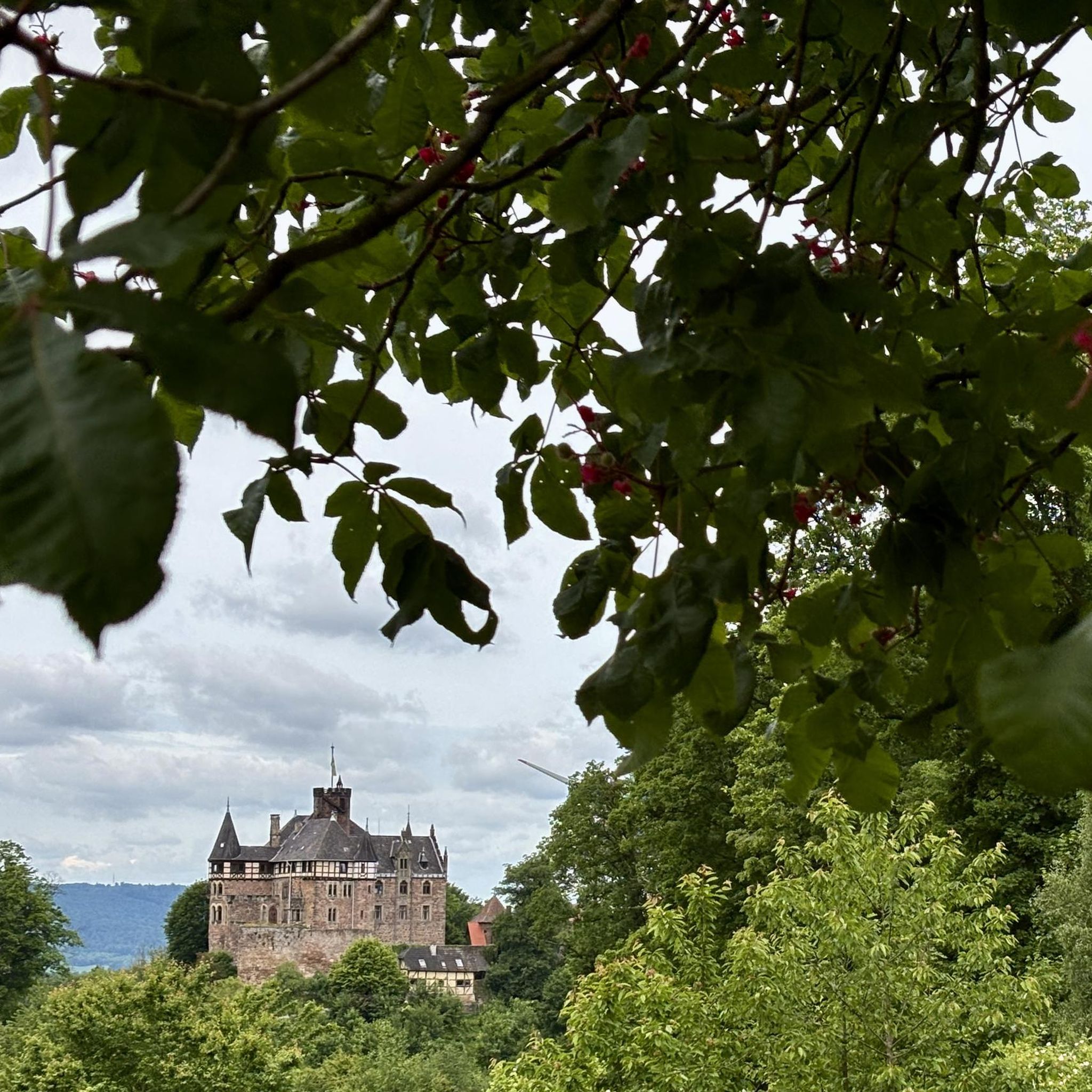
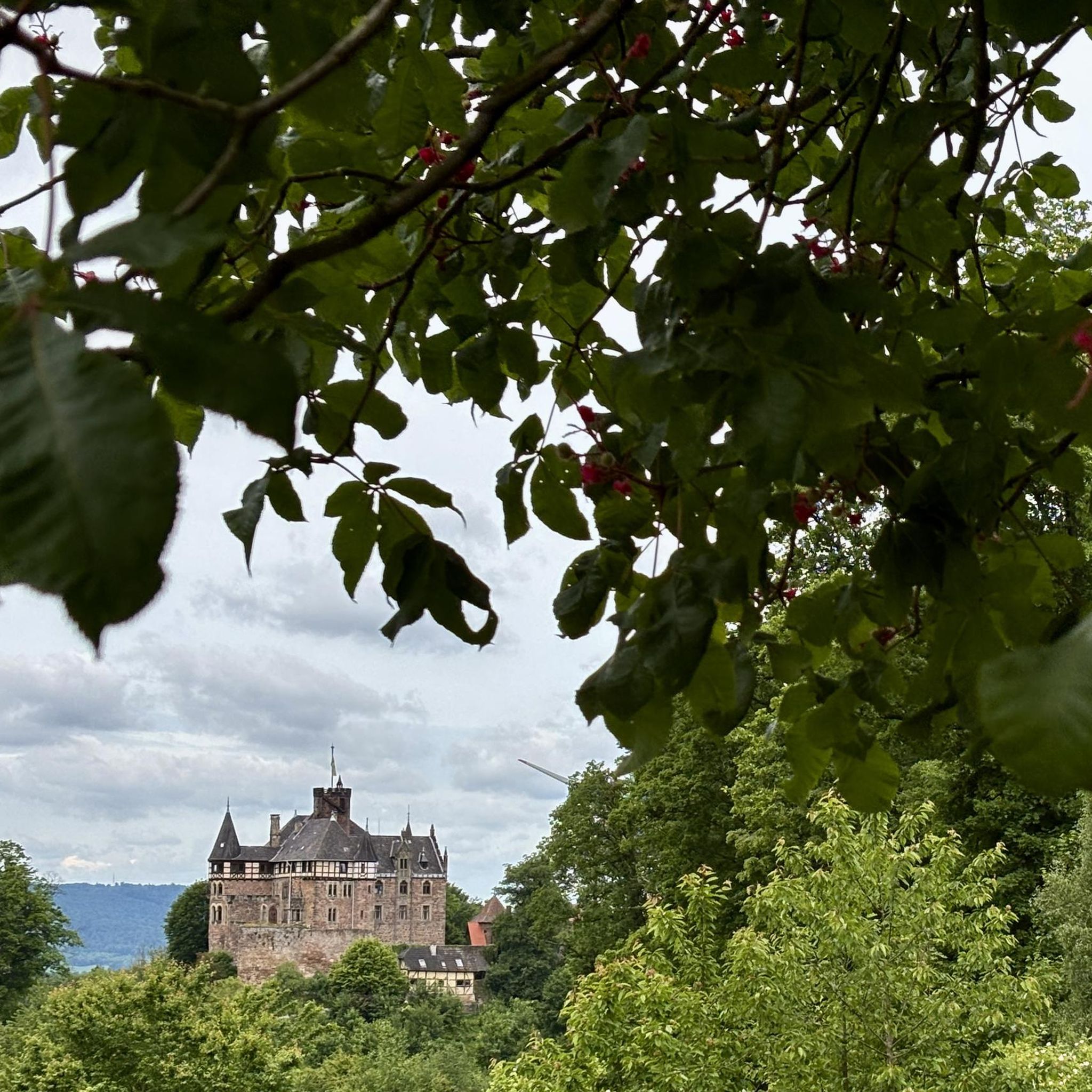
Saint-Médard-en-Jalles offers several historical sites. You can visit the 11th-century Church of Saint-Médard with its distinctive octagonal bell tower, or the Château de la Mothe-Gajac. The 17th-century Château de Belfort, now serving as the town hall, also has grounds open to the public. Don't miss the ancient Mill Gajac, highlighting the area's agricultural heritage. For a broader historical context, the association Le Patrimoine de Saint-Médard-en-Jalles preserves and showcases the commune's history through collections and exhibitions.
Are there any notable religious buildings in the area?
Yes, the region features several significant religious buildings. The Church of Saint-Médard is a prominent 11th-century monument. Further afield, you can find the Saint-Germain Church of Saint-Germain-de-Lusignan, which retains its Romanesque bell tower and apse from the 12th century, and the Saint Martin Church of Fontaine-d'Ozillac, known for its curious 16th-century facade and Romanesque elements.
What natural features and parks can I enjoy in Saint-Médard-en-Jalles?
Saint-Médard-en-Jalles is rich in natural beauty and green spaces. You can relax in Square Saint-Médard, Parc à Saint-Médard-en-Jalles, or the serene Parc du Thil. For walking trails through nature, explore Corbiac Woods, Parc de Feydit, or Domaine du Bourdieu. The Jalle de Blanquefort, a tributary of the Garonne, meanders through the town, offering habitats for wildlife and opportunities for kayaking and fishing. Nearly half of the commune is covered by forests.
Are there family-friendly attractions or activities in Saint-Médard-en-Jalles?
Absolutely! Families can enjoy Youpi Parc St Médard-33, an animated amusement park with rides for children aged 1 to 12. There are also several playgrounds, such as the Aire de jeux, parc pour enfants. Many of the local parks like Square Saint-Médard are also popular spots for families to relax and play. The La voie verte cycle path is also a great option for families with children to cycle in peace.
What kind of outdoor activities can I do near these attractions?
The region around Saint-Médard offers various outdoor activities. You can explore cycling routes, such as the Tour from Jonzac with gravel path or the Jonzac Castle loop from Jonzac. For hiking, consider the Meux – loop or the Jonzac Castle loop. Running enthusiasts can find trails like the Wooden Boardwalks – Floral park loop. The La voie verte is a popular 35 km paved cycle way perfect for bikes and families.
Are there any historical castles or fortifications to visit?
Yes, the area boasts several historical castles and fortifications. The Jonzac Castle, with origins in the 12th century, features a cloister that now serves as a cultural center and has hosted historical figures. The Old Town Gate of Jonzac, built between the 13th and 15th centuries, is another significant historical monument providing access to the old town. Additionally, the Château de la Mothe-Gajac and Château de Belfort offer glimpses into the region's past.
What do visitors enjoy most about the attractions around Saint-Médard?
Visitors particularly appreciate the blend of historical sites and natural landscapes. The La voie verte cycle path is highly praised for its peaceful, paved route through the countryside, especially by families. The historical depth of places like Jonzac Castle and the Old Town Gate of Jonzac also receives positive feedback for their historical significance and architectural beauty.
Are there any unique local cultural experiences or sites?
Beyond historical buildings, you can immerse yourself in local culture. The association Le Patrimoine de Saint-Médard-en-Jalles actively preserves and exhibits the commune's history, offering a unique cultural insight. The region is also known for its local markets, which provide a vibrant glimpse into local life and produce. These markets are excellent places to experience the authentic atmosphere and taste regional specialties.
Where can I find recreational parks for relaxation or sports?
Saint-Médard-en-Jalles offers numerous recreational parks. For relaxation, consider Parc du Thil, Parc de Feydit, or Domaine du Bourdieu, all providing serene atmospheres and walking trails. For sports activities, the Bords de jalle de Gajac recreational park forms the western entrance to the Parc des Jalles and offers various options. Additionally, the nearby Parc de Majolan in Blanquefort features an artificial lake and romantic grottos for a picturesque escape.
What are some lesser-known or 'hidden gem' attractions in the area?
While many attractions are well-known, some local favorites include La cabane aux bambous and Le Jardin Secret, both listed among the top attractions by locals. The Poche de Magudas Garden is another point of interest offering a peaceful setting. These spots provide a more intimate experience of Saint-Médard-en-Jalles' charm.
Can I find places for walking or hiking near the attractions?
Yes, there are several options for walking and hiking. Many local parks like Parc du Thil, Corbiac Woods, and Domaine du Bourdieu offer well-maintained gardens and walking trails. For more structured hiking, you can explore routes such as the Roman-Era Dam loop from Jonzac or the Chemin de ronde loop from Jonzac, which are generally easy and accessible.

Get inspired with the komoot mobile app


Explore more
Still not found the Highlight you’re looking for? See guides of the top attractions in other regions:
