Attractions and Places To See around Saint-Simon-De-Bordes - Top 20
Best attractions and places to see around Saint-Simon-De-Bordes include a mix of historical sites and regional points of interest in the Charente-Maritime department of France. The commune itself features local landmarks, while its location provides access to a wider array of cultural and natural attractions. Visitors can explore ancient churches, castles, and unique local businesses, alongside opportunities for outdoor activities like cycling in the surrounding landscape. This area serves as a gateway to discovering the rich heritage and diverse offerings…
Last updated: October 10, 2026
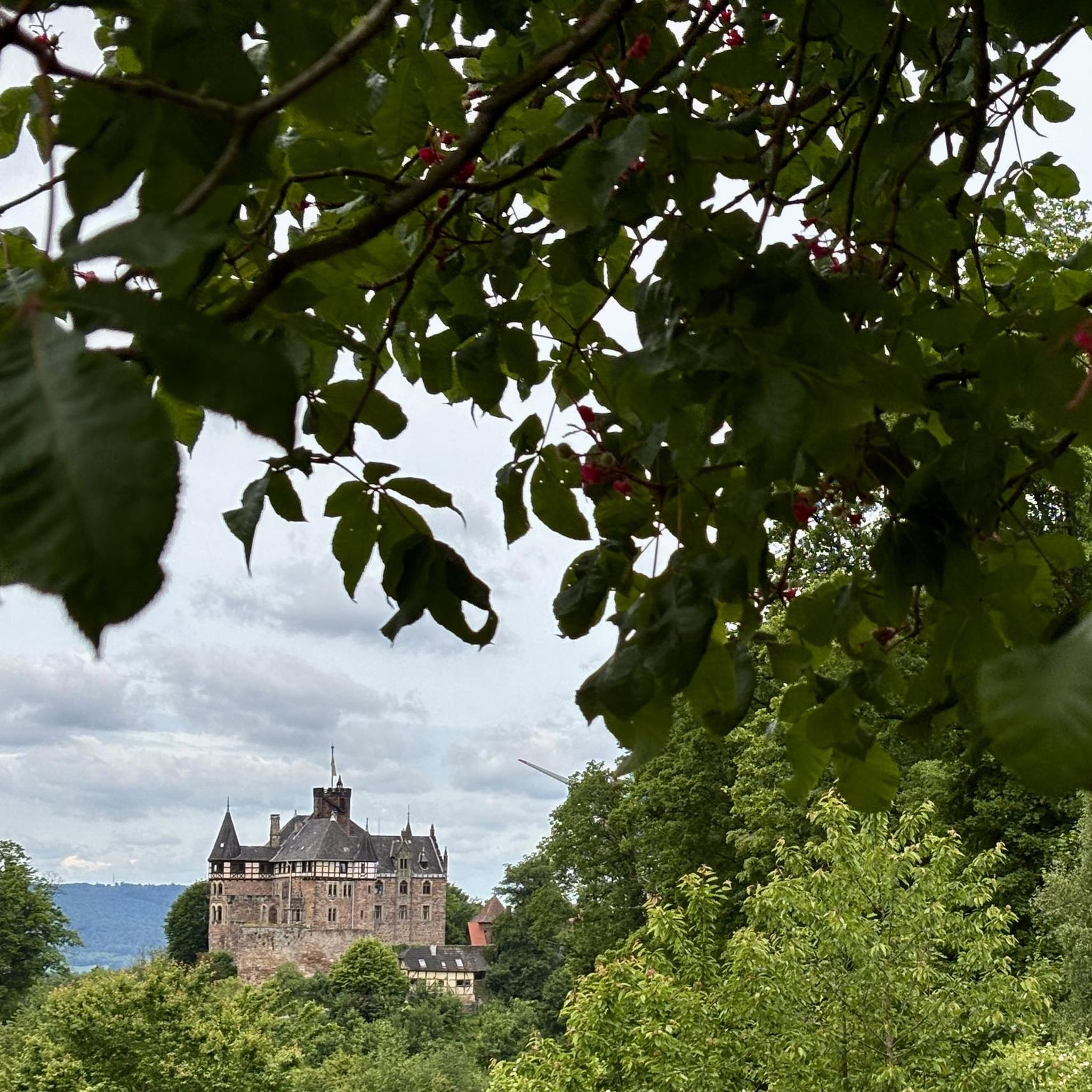
Jonzac Castle
Highlight • Castle
Translated by Google •
Tip by

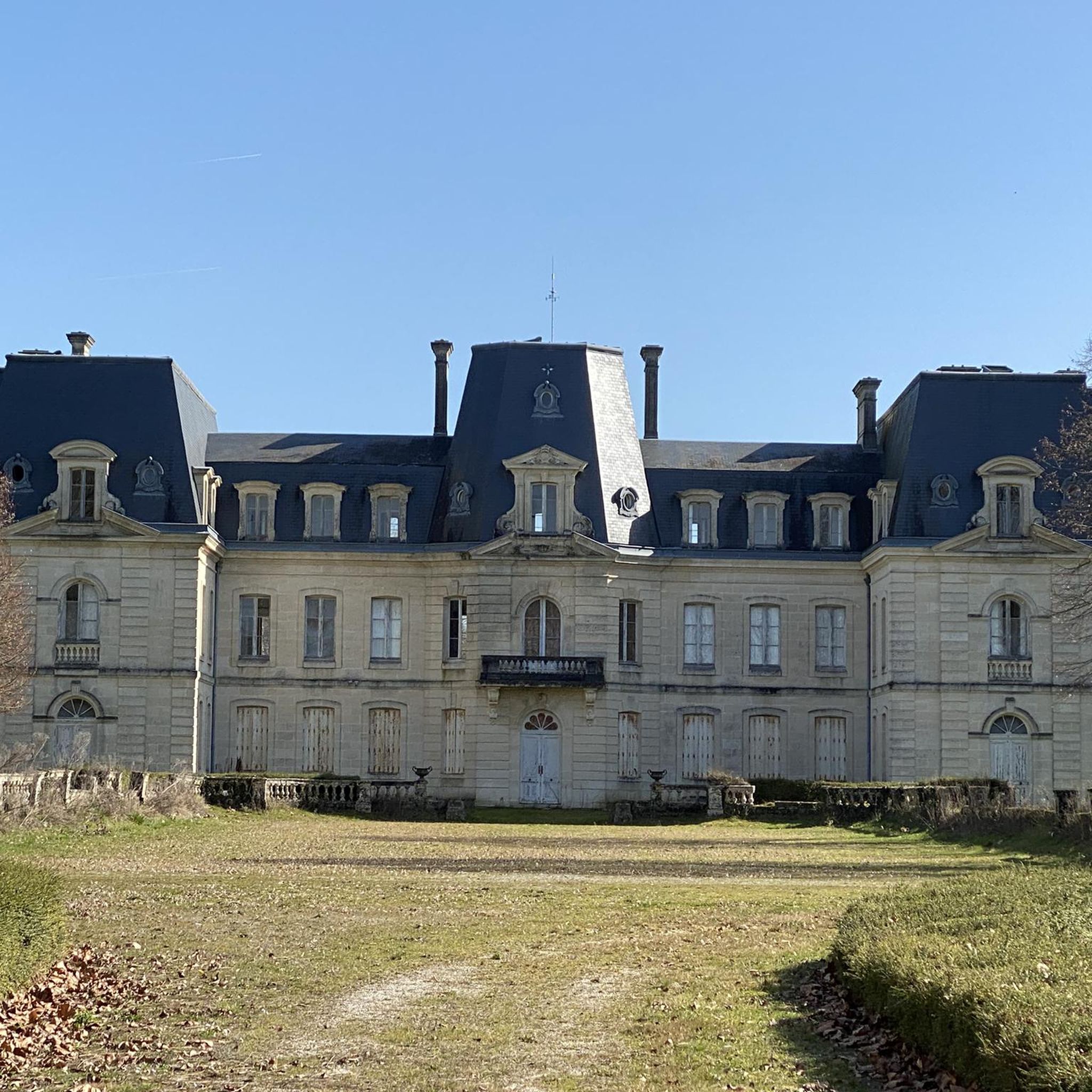
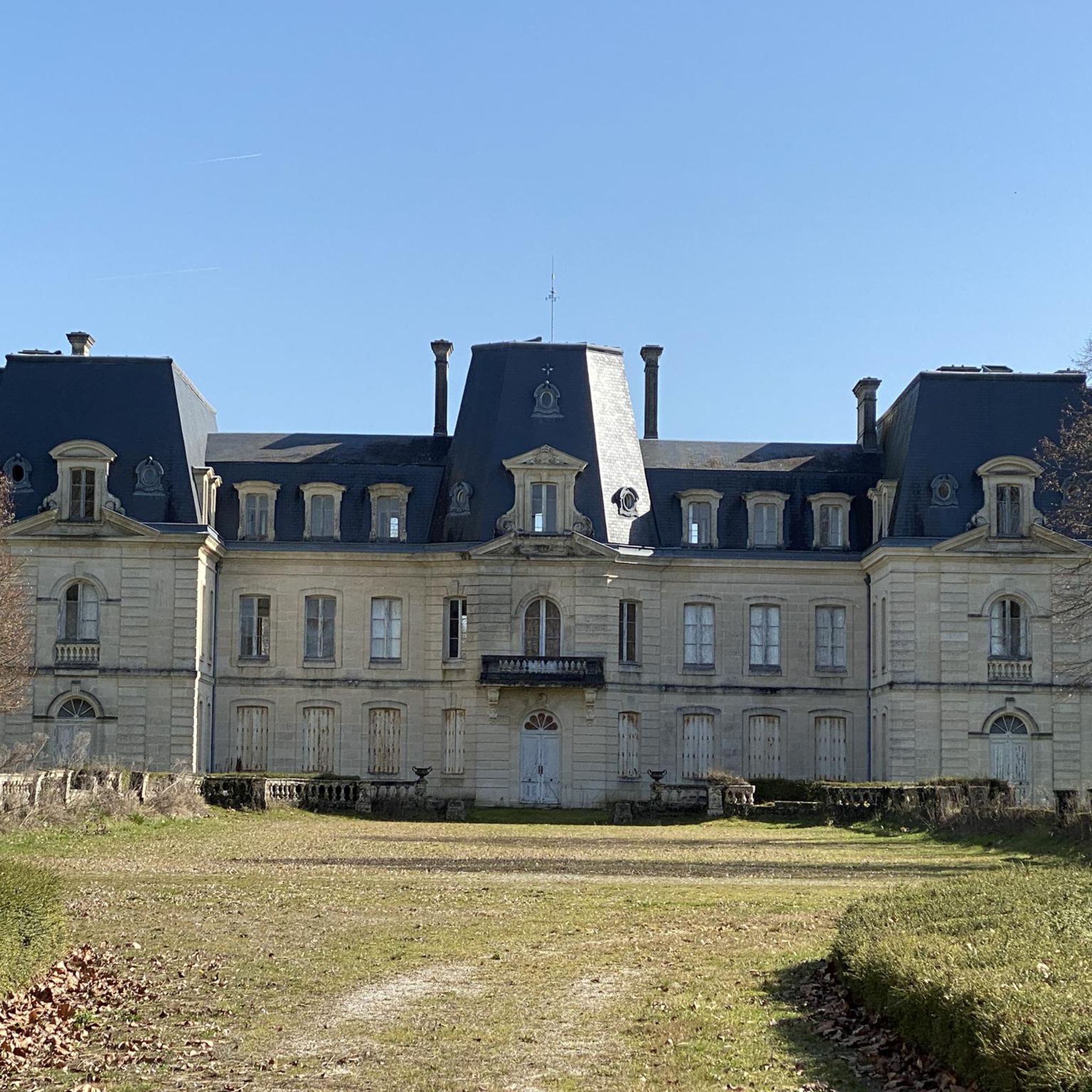
Saint-André Church of Clion
Highlight • Religious Site
Translated by Google •
Tip by

Sign up now to discover places like this
Get recommendations on the best single tracks, peaks, & plenty of other exciting outdoor places.
Donkey bridge
Highlight • Other
Translated by Google •
Tip by
Saint Paul Chapel
Highlight • Other
Translated by Google •
Tip by
Saint-Séverin Church, Nieul-lès-Saintes
Highlight • Religious Site
Translated by Google •
Tip by
Sign up for free to discover even more attractions around Saint-Simon-De-Bordes.
Already have an account?
Start today with a free account
Your next adventure awaits.
Tips from the Community

This Templar chapel was built in the 12th century and renovated in 1706. It was acquired in 1949 by Mr. and Mrs. Frédéric, the current owners, who completely restored it. Since 1986, on August 15 of each year, a mass has been celebrated there.
2
0
This Romanesque church was built in the 12th century, but all that remains of the original building is the bell tower. It was modified in the 15th and 16th centuries. A Renaissance style facade replaces the original facade and the square bell tower was built in the 12th century.
2
0
Dating from the Gallo-Roman period, the so-called "Pas de la Mule" bridge is located on the Seugne. Made up of 6 blocks of stone, it linked the village of Lansac to a water mill called "la cité". It also allowed the passage of animals transporting cereals and flour between the watermill, in the commune of Saint Georges Antignac, and the windmills of Les Groies in Clion.
2
0

Charming little piece of nature. The chapel (above) can be visited when it is open. A skeleton welcomes you but don't worry, it is very discreet!
0
0

The church, built in the shape of a Latin cross, the first construction elements of which date from the 11th and 12th centuries, with later additions and alterations (15th and 19th centuries to the beginning of the 13th century then modified in the 15th and 16th centuries, is dedicated to Saint Séverin, alias Seurin, bishop of Bordeaux in the 5th century, and whose feast day takes place on October 21. However, the solemn patronal feast is that of Saint Blaise, martyr bishop of the 4th century, fixed on February 3, and for which there is great veneration in the country. The main portal of the church, as well as the two false doors, are crowned by ogival arcades with a few rare ornaments borrowed from the Romanesque period, such as saw teeth, diamond points, etc. These gantries have been the subject of a subconstruction. The nave is made up of three recently vaulted bays in brick and plaster, without ribs; each span is separated by groups of four small columns, only two meters and fifty high, and appearing to date from the 14th century. The apse has two bays in the 15th century ogival style. The Saint-Joseph chapel, to the north, has kept its original Romanesque style; it is dominated by a semi-circular vault, and offers the example of an apsidion of which no advantage is currently being taken. It is adorned with a small apse which housed the baptismal font. The chapel of the Virgin, to the south, was remodeled in the 17th century; it has the character of a 15th century restorer; it was then lengthened, and consists of three spans. There is, it is said, an ossuary under the choir. The bell tower with a cone or "pine cone" spire, placed above the transept, and about 24 meters high (54 steps lead to its summit), is worthy of attention. This is the oldest part of the church. It is covered with a stone dome carved in tortoiseshell called the pine cone bell tower, similar examples of which can be found in Saintonge (Abbaye aux Dames de Saintes, Notre-Dame-de-l'Assomption church in Fenioux)3 but which recalls above all the domes of Byzantine inspiration observed in Poitou, Angoumois and Périgord (church of N.-D.-la-Grande in Poitiers, cathedral of Saint-Pierre in Angoulême, cathedral of Saint-Front in Périgueux). The foreground includes five Romanesque windows on each side, oriented as usual, on the upper level there are only two; the tower ends in a cut of stone, formed of small somewhat deformed cubes and forming a slightly rounded cone, but deformed by time. Inside, this bell tower offers a quadrangular vault, with cut sides, of very good taste. The bell, weighing 430 kilograms, was cast by Guillaume Besson, from Angers, and blessed in 1859, under the name of Marie. The godfather was Mr. Blanc Fontenille, former lawyer and notary, mayor of Nieul, and the godmother Mrs. Marie Belloteau, born Babin; parish priest M.Antoine Lanson.
1
0
In 1073, the castle already exists; the first known lord was Guillaume de la Rochandry at the beginning of the 12th century. The 1449 inscription on the castle attests to its reconstruction following the destruction caused by the Hundred Years War. In 1505, Jean de Sainte-Maure, lord of Jonzac, founded the Carmelite monastery on the remains of an old chapel dedicated to Saint Nicolas. The cloister was built in 1657. The young Louis XIV, the Queen Mother and Mazarin stayed at the castle in 1659. The castle remained at Sainte-Maure until the end of the 17th century, then passed through marriage to Espardes de Lussan, which transformed the fortress in beautiful stately home with neat ornamentation and guard until the Revolution. Currently the north wing of the castle houses the buildings of the Town Hall (restored in the 19th century), and the south wing, those of the sub-prefecture. The cloister was restored between 1976 and 1978, and now houses a cultural center, with exhibition halls and an archaeological museum. The towers, postern and fountain in the basement date from the 12th century. Of the old feudal castle, only the postern and an isolated tower remain, connected to the main body by a large hall. The moat in front of the drawbridge was filled was filled in the 19th century. It was reopened at the beginning of the 21st century. The imposing gatehouse is marked 1549 and therefore dates from the 16th century, a period of work including the north-west tower, while the south-west tower, of a smaller diameter, is from the 17th century. The towers flanking the postern have retained their defenses. At each, the loopholes have been retained or enlarged. Stone stairs serve each floor and access the walkway. This passage seems to have been discovered, as evidenced by the gargoyles. The crenellation includes machicolations with archers in the middle of the merlons. The slate roofs are high pepperboxes on the towers, and a curious set with two sides connecting two pepperboxes for the gatehouse The fountain located in the basement of the sub-prefecture, has a niche and a niche frame decorated with sculptures imitating stalactites. Carved mask. The fountain was probably built by Léon de Sainte-Maure, Count of Jonzac, who enlarged and embellished the castle in the middle of the 12th century. In a former courtyard of the castle, a theater was built in the 19th century. It is a round building with approximately 300 seats.
0
0


Remarkable site, known throughout the region, owned by private individuals. The Templar Chapel was built in the 12th century, renovated in 1706. The will of Louis de La Rochandry "escuyer, lord of Croyignac, Clyon and Saint Antoine" was written on July 14, 1587 in this chapel. It was sold in 1792 as "national property". It was acquired by Mr. and Mrs. Frédéric, the current owners, in 1949. It has been restored and the site is maintained today. Two rock-cut burials were found there. A skeleton is on display in the chapel. Since 1986, every August 15, a mass is celebrated there.
0
0
Frequently Asked Questions
What historical and cultural sites can I visit near Saint-Simon-De-Bordes?
The region is rich in history. Within Saint-Simon-De-Bordes, you can explore the historic Church of Saint-Philippe and Saint-Jacques, known for its restored Romanesque facade and 13th-century plant motifs. Nearby, consider visiting Jonzac Castle, a 12th-century fortress now housing the town hall and an archaeological museum. Other notable sites include the Templar Saint Paul Chapel and the Romanesque Saint-André Church of Clion, both with significant historical details.
Are there any unique local businesses or crafts to experience?
Yes, you can visit the Tonnellerie Bossuet, a cooperage located near the D19 road in Saint-Simon-De-Bordes. They offer guided tours by appointment, allowing you to see the traditional craft of barrel-making and explore their garden featuring monumental sculptures.
What outdoor activities are available around Saint-Simon-De-Bordes?
The area offers various outdoor activities, particularly cycling and hiking. You can explore routes like the 'L'Étang d'Allas' Cycling Loop, which takes you through natural areas and past ponds. For more options, check out the dedicated guides for hiking, cycling, and MTB trails around Saint-Simon-De-Bordes.
Are there family-friendly attractions in the vicinity?
Absolutely. Jonzac, just 6 km away, is home to Les Antilles de Jonzac, a popular spa and aquatic center perfect for families. Additionally, historical sites like Jonzac Castle and Saint-André Church of Clion offer engaging experiences for all ages, with their rich history and architectural details.
Where can I find markets for local produce and culture?
You can explore local markets in nearby towns. Jonzac hosts markets on Tuesdays and Saturdays, Pons on Wednesdays and Saturdays, and Barbezieux-Saint-Hilaire on Tuesdays, Fridays, and Saturdays. These markets are great places to discover local produce and experience the regional culture.
What are some notable natural features or scenic spots?
While Saint-Simon-De-Bordes itself doesn't have grand natural parks, the surrounding area offers pleasant outdoor spaces. The 'L'Étang d'Allas' area provides a natural setting with ponds, ideal for cycling and enjoying the landscape. The ancient Donkey bridge, dating from the Gallo-Roman period, is situated on the Seugne and offers a green site conducive to fishing and relaxation.
What are some easy hiking trails near Saint-Simon-De-Bordes?
For easy hikes, consider routes around Jonzac such as the Jonzac Castle – Jonzac Castle loop (5.1 km) or the Roman-Era Dam loop from Jonzac (4.5 km). The Étang d'Allas loop from Agudelle (5.8 km) is another accessible option that allows you to enjoy the natural surroundings.
Which nearby towns are worth visiting for their unique attractions?
Several towns near Saint-Simon-De-Bordes offer distinct attractions. Jonzac (6 km) is known for its spa and castle. Pons (22 km) features a historic castle tower and an ancient pilgrim hospital. Blaye (34 km) boasts a UNESCO World Heritage citadel. Talmont-sur-Gironde (39 km) is considered one of the most beautiful villages, famous for its Romanesque church. Cognac (35 km) is renowned for its distilleries and old town.
What is the best time of year to visit Saint-Simon-De-Bordes for outdoor activities?
The Charente-Maritime region generally enjoys pleasant weather from spring through early autumn, making these seasons ideal for outdoor activities like cycling and hiking. Summer offers warmer temperatures, perfect for exploring the aquatic center in Jonzac, while spring and autumn provide milder conditions for longer routes.
Are there any historical bridges or ancient structures to see?
Yes, the Donkey bridge, also known as “Pas de la Mule,” is a fascinating ancient structure dating from the Gallo-Roman period. Located on the Seugne, it's made of six stone blocks and historically linked the village of Lansac to a water mill. Legend says its worn stones were shaped by repeated passages of millers and their donkeys.
What do visitors particularly enjoy about the attractions around Saint-Simon-De-Bordes?
Visitors appreciate the blend of historical depth and natural beauty. Highlights like Saint Paul Chapel are noted for their remarkable preservation and serene settings. The historical significance of sites like Jonzac Castle and the architectural details of churches like Saint-André Church of Clion are also highly valued by the komoot community.
Most popular routes around Saint-Simon-De-Bordes

Get inspired with the komoot mobile app


Explore more
Still not found the Highlight you’re looking for? See guides of the top attractions in other regions:
