The best road cycling routes around Beaufou
4.4
(88)
3,743
riders
535
rides
Road cycling around Beaufou features a network of routes suitable for various skill levels, primarily characterized by gently rolling terrain and open countryside. The region offers numerous circular road cycling routes, often passing through small villages and agricultural areas. Elevation gains are generally moderate, making the area accessible for longer rides without extreme climbs. These conditions provide a consistent surface for road bikes, allowing for steady progress across the landscape.
Best road cycling routes around Beaufou
- The most popular road…
Last updated: August 28, 2026
5.0
(1)
18
riders
39.0km
01:44
200m
200m
Easy road ride. Great for any fitness level. Mostly well-paved surfaces and easy to ride.
14
riders
29.9km
01:19
120m
120m
Easy road ride. Great for any fitness level. Mostly well-paved surfaces and easy to ride.

Sign up for free
10
riders
55.8km
02:20
330m
330m
Moderate road ride. Good fitness required. Mostly well-paved surfaces and easy to ride.
13
riders
Moderate road ride. Good fitness required. Mostly well-paved surfaces and easy to ride.
12
riders
60.5km
02:32
350m
350m
Moderate road ride. Good fitness required. Some segments of this route may be unpaved and difficult to ride.
Get access to more routes and recommendations from other explorers.
Sign up for free
Already have an account?
Our route recommendations are based on thousands of hikes, rides, and runs completed by other people on komoot.
Start today with a free account
Your next adventure awaits.
Login or Signup


Tips from the Community

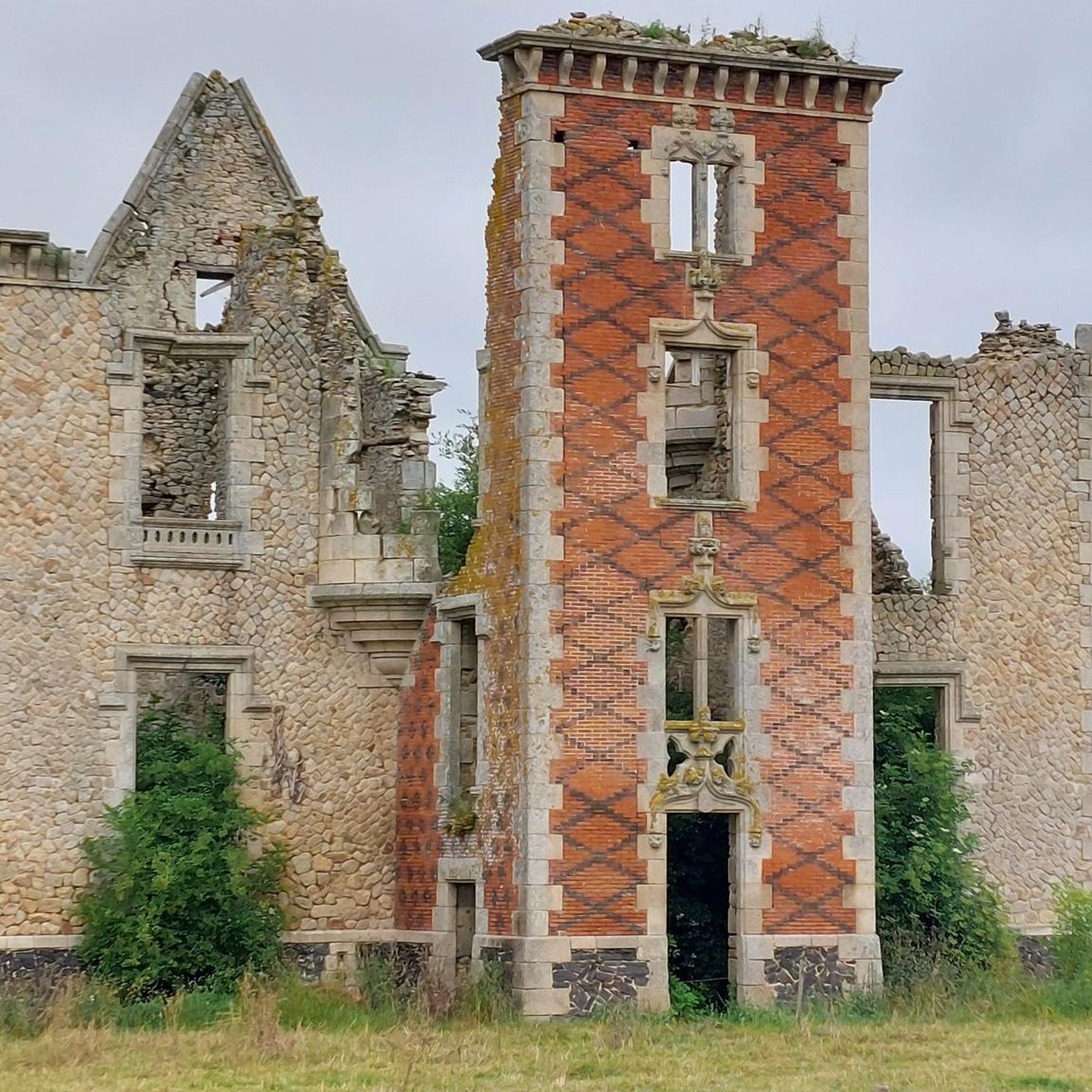
Beautiful castle, of which the "military" part dates from the 11th century and the "residential" part from the Renaissance.
0
0
Beautiful castle whose "military" part dates from the 11th century and the "residential" part from the Renaissance.
0
0

The Château would date from the mid-13th century; at the time it was a true fortress, flanked by six towers and surrounded by wide moats. From the 12th to the 14th century, this fortified castle served as a lock between Brittany and Poitou, in this border region where numerous strongholds stood: Pornic, Machecoul, Clisson, Tiffauges, Champtocé in the Marches of Brittany facing Commequiers, La Garnache, Palluau, Montaigu, Pouzauges, in lower Poitou. In the 17th century, Philippe de Clérembault, who inherited the family estate, was promoted to Marshal of France by the young King Louis XIV, and then undertook to rebuild his Château de Palluau to transform the old fortress into a modern castle, retaining the six large medieval towers and including between them a building covered with a Mansart roof, topped by a dome. The Marshal's castle was a unique building in all of Poitou: "the most regular and the most accomplished that exists in the region", according to Claude Masse, famous engineer-geographer to Louis XIV. Abandoned by its owners during the Revolution, the large empty residence served as a stronghold for the royalists in 1793 and its underground passages, as dungeons for republican prisoners. On February 8, 1794, a Republican Column set fire to the Château and the Church of Palluau. The site has never been rebuilt, nor even consolidated since. It remains in a state of ruin abandoned to vegetation. The Château de Palluau must have been a magnificent residence, judging by the imposing ruins that remain and by the plans and watercolor drawings by Claude Masse, which are preserved at the Museum of Engineering in Vincennes.
0
0
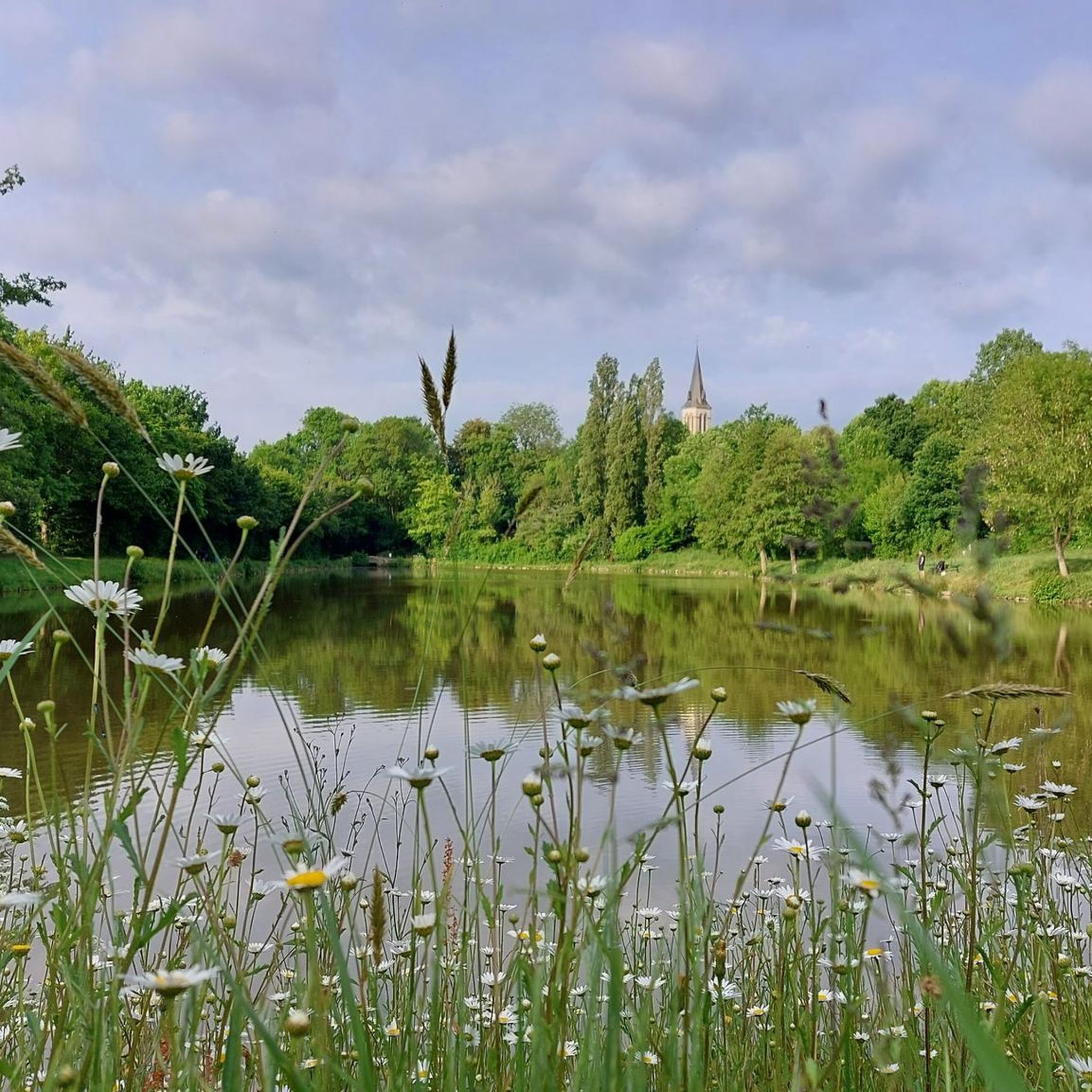
It forms a 10 km long lake, the largest in Vendée.
0
0
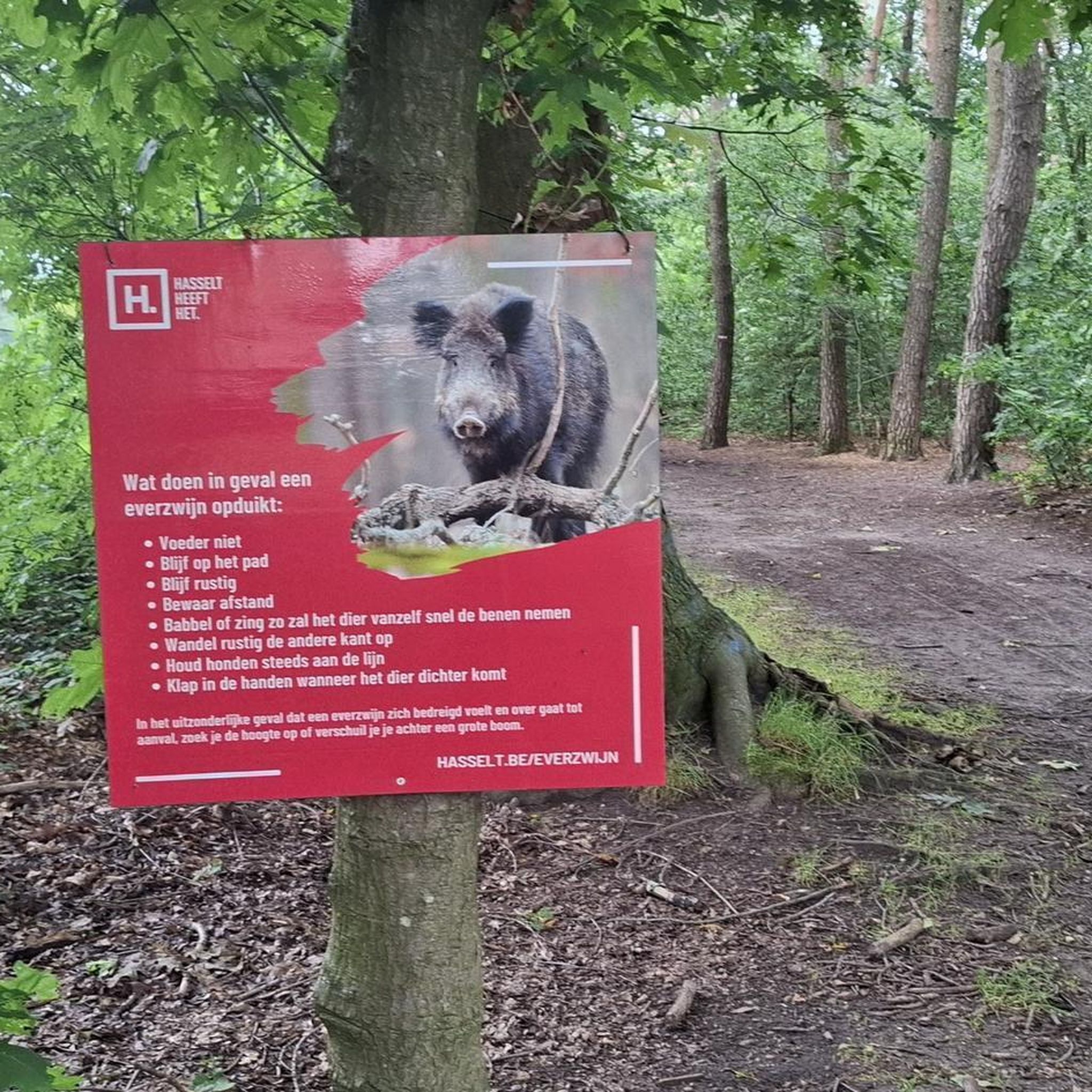
I couldn't get as close as guigui during his hike because a barrier blocked the path. You can see it well despite everything.
0
0
Pleasant little village with old buildings.
0
0
Beautiful fishing pond, at the foot of the Petit-Luc hillside
0
0
Frequently Asked Questions
How many road cycling routes are available around Beaufou?
There are over 560 road cycling routes in the Beaufou area, catering to various skill levels. This includes 121 easy routes, 427 moderate routes, and 12 more challenging options.
Are there easy or family-friendly road cycling routes in Beaufou?
Yes, Beaufou offers a good selection of easy and family-friendly road cycling routes. For example, the Roadbike loop from Saligny is an easy 18.5-mile (29.9 km) trail that provides a smooth ride through the local countryside, suitable for beginners or a relaxed family outing.
What kind of terrain can I expect on road cycling routes in Beaufou?
The road cycling routes around Beaufou are primarily characterized by gently rolling terrain and open countryside. You'll find moderate elevation gains, making the area accessible for longer rides without extreme climbs and providing consistent surfaces for road bikes.
Are there any circular road cycling routes in the Beaufou area?
Yes, the region features numerous circular road cycling routes. Many popular options, such as the Essarts Castle loop from Saligny and the Apremont – Apremont Castle loop from Les Lucs-sur-Boulogne, are designed as loops, often starting and ending in charming villages.
What are some scenic viewpoints or interesting landmarks along the road cycling routes?
Many routes pass through small villages and agricultural areas, offering picturesque views of the Vendée countryside. You can also explore historical sites like the Logis de la Chabotterie or the Ruins of Château de Palluau. The Essarts Castle loop from Saligny specifically explores the area around Essarts Castle.
What is the typical duration for road cycling routes around Beaufou?
Route durations vary depending on distance and your pace. Popular routes like the Roadbike loop from Saligny can be completed in about 1 hour 19 minutes, while longer moderate routes such as the Apremont – Apremont Castle loop from Les Lucs-sur-Boulogne typically take around 2 hours 32 minutes.
Are there advanced road cycling routes for experienced cyclists in Beaufou?
While the region is known for its gentle hills, there are 12 routes classified as difficult, offering more challenging options for advanced cyclists. These routes often cover longer distances and may include more sustained climbs, though extreme elevation is rare.
What do other road cyclists enjoy most about cycling in Beaufou?
The area is highly rated by the komoot community, with an average score of 4.4 stars from over 60 reviews. Road cyclists often praise the open countryside, the network of routes connecting small towns, and the accessibility for different ability levels, from easy loops to moderate rides.
Is parking available near the starting points of road cycling routes?
Yes, many road cycling routes around Beaufou start from villages such as Saligny or Les Lucs-sur-Boulogne, where public parking is generally available. It's advisable to check local signage for specific parking regulations.
Are there any hidden gem road cycling routes in Beaufou?
Beyond the most popular trails, the extensive network of over 560 routes means there are many less-trafficked paths waiting to be discovered. Exploring routes that connect smaller hamlets or venture slightly off the main village-to-village paths can reveal quieter, equally scenic rides, such as the Les Lucs-sur-Boulogne – Le Poiré-sur-Vie loop.
What is the best time of year for road cycling in Beaufou?
The region's climate generally makes spring, summer, and early autumn ideal for road cycling. These seasons offer pleasant temperatures and typically drier conditions, perfect for enjoying the open countryside and agricultural landscapes.
Can I find routes that pass by cafes or places to stop for refreshments?
Many routes connect small villages, which often have local cafes, bakeries, or small shops where you can stop for refreshments. Planning your route to pass through these villages, such as those on the Les Lucs-sur-Boulogne – Château de la Touche loop, allows for convenient breaks.
Most popular attractions around Beaufou

Get inspired with the komoot mobile app


Explore more
Browse the best Road cycling routes in other regions.
