The best road cycling routes around Beauvoir-Sur-Mer
4.3
(186)
4,405
riders
27
rides
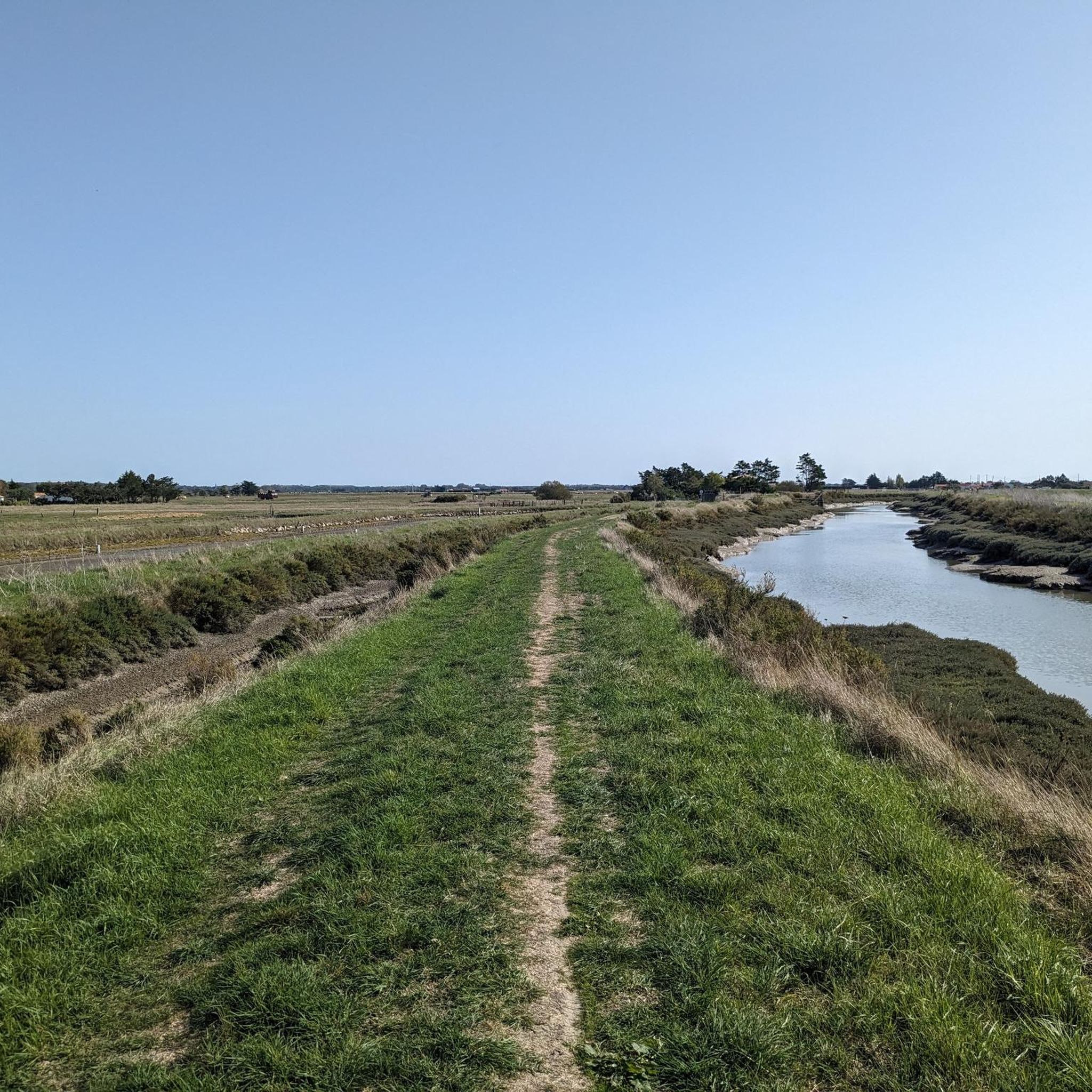
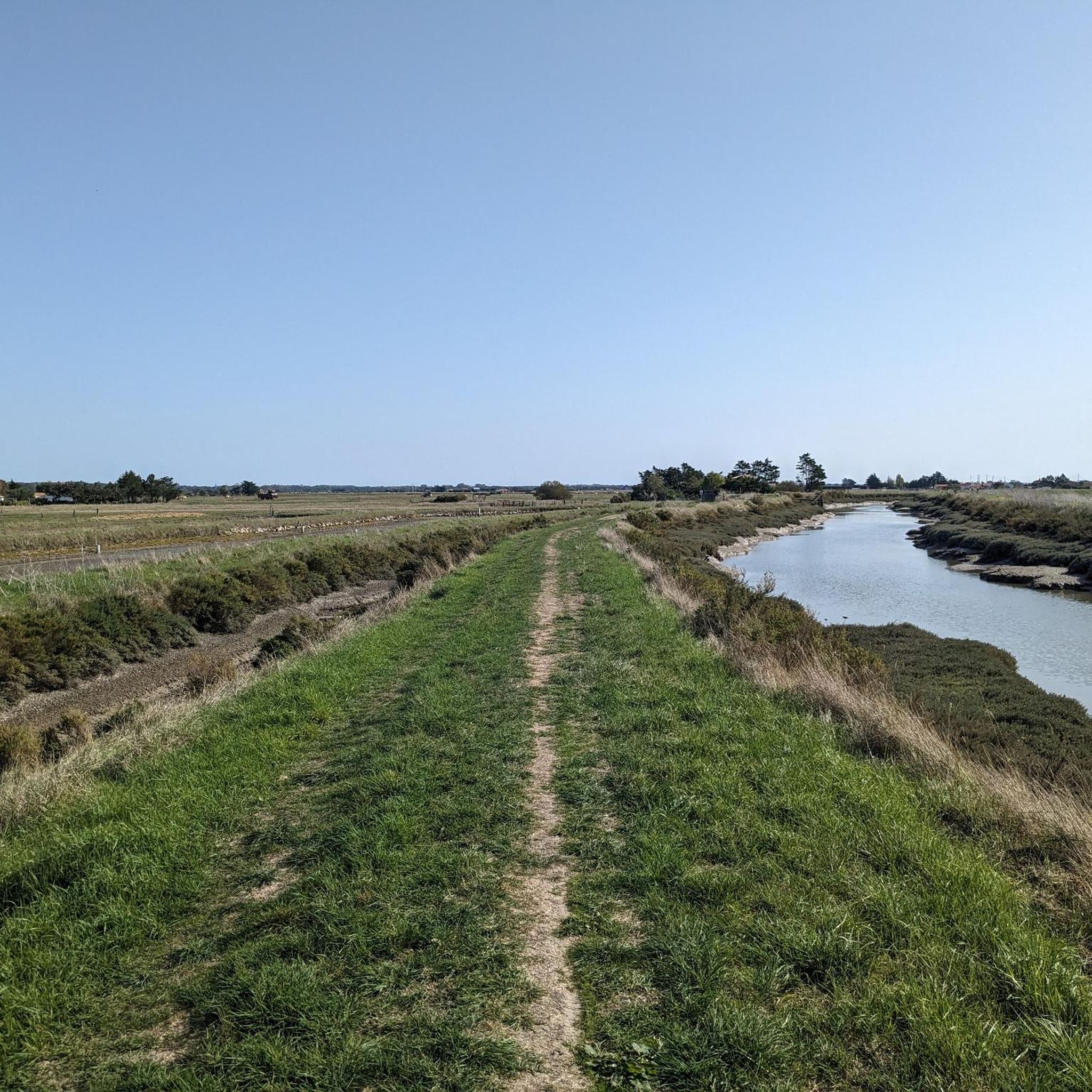
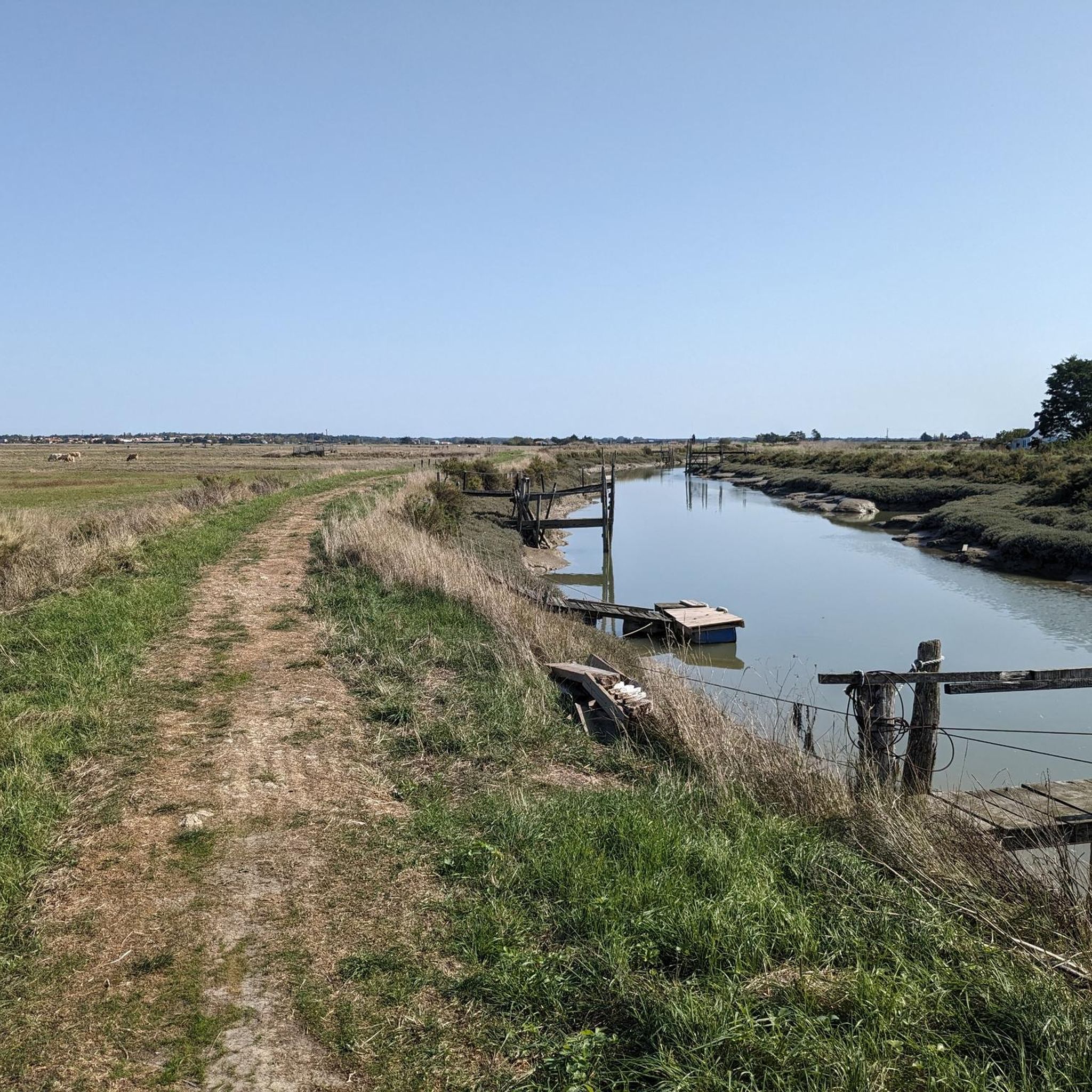
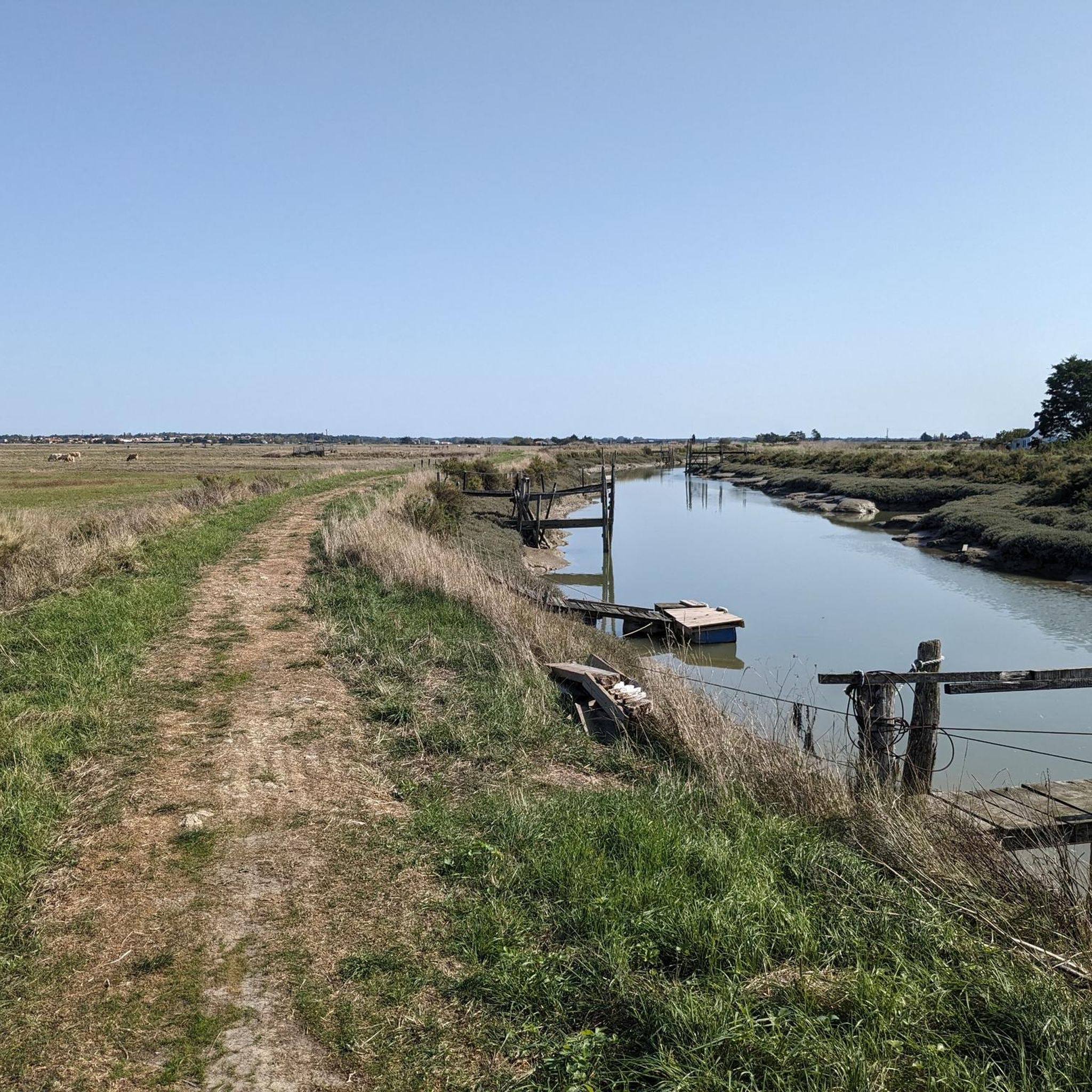
Road cycling routes around Beauvoir-Sur-Mer are characterized by the flat terrain of the Vendée region, making it suitable for various cycling abilities. The area features extensive marshlands, including the Marais Breton Vendéen and Salines du Breuil, offering unique landscapes. Coastal access is a significant feature, notably the Passage du Gois, a submersible road connecting to Noirmoutier Island. This region provides a network of routes through its distinctive natural environment.
Best road cycling routes around Beauvoir-Sur-Mer
- The most popular road cycling…
Last updated: October 22, 2026
3.8
(4)
59
riders
52.7km
02:12
70m
70m
Moderate road ride. Good fitness required. Some segments of this route may be unpaved and difficult to ride.
5.0
(1)
16
riders
Easy road ride. Great for any fitness level. Mostly well-paved surfaces and easy to ride.

8
riders
52.8km
02:14
100m
100m
Moderate road ride. Good fitness required. Mostly well-paved surfaces and easy to ride.
8
riders
Easy road ride. Great for any fitness level. Mostly well-paved surfaces and easy to ride.
7
riders
62.2km
02:39
190m
190m
Moderate road ride. Good fitness required. Mostly well-paved surfaces and easy to ride.
Get access to more routes and recommendations from other explorers.
Already have an account?
Our route recommendations are based on thousands of hikes, rides, and runs completed by other people on komoot.
Start today with a free account
Your next adventure awaits.

Tips from the Community

Beautiful harbor with colorful houses!
0
0

Slightly massive in appearance, the Notre Dame de Bouin church was built in the 14th century style. The sacristy, the bell tower and the crossing which supports it are the remains of the old church. The bell tower dominates the marsh from a height of 51 meters, and serves as a landmark for sailors in the Bay of Bourgneuf. The altarpiece of the main altar, in the Spanish Renaissance style, is dated 1680. We note a very beautiful wooden statue, dated 1878, which represents the Virgin and Child, and a painting by Krug, “The Entombment” offered to Bouin by the State in 1875. The sacristy is a beautiful vaulted room whose walls are more than a meter thick. The fall of the vaults without capital indicates the end of the 14th century, a piece of the archives gives the date of 1505. https://www.gochallansgois.fr/en/site-culturel/clocher-de-leglise-notre-dame/
0
0

Small village worth a detour, especially for its beautiful, perfectly preserved medieval church and the Rairé mill.
0
0
The Saint-Martin church is a 11th and 12th century church located in Sallertaine, France. It belongs to the diocese of Luçon. It is dedicated to Saint Martin. This church is the remnant of an old priory founded at the beginning of the 11th century, dependent on the abbey of Marmoutier. Some masonry from the primitive church remains in the walls. The current state of the building is the result of a major reconstruction carried out at the end of the 12th century. The church was consecrated in 1173 by the bishop of Poitiers. The vaulting of the crossing of the transept presents a unique curiosity in the West of France. Clearly seeking to imitate the so-called Plantagenet Gothic style, the master mason, who does not seem familiar with this new technique, created a Romanesque dome, sufficient in itself, which he adorned with ribs, without structural necessity, but which gives it an appearance evoking the Angevin vaults. Some elements of frescoes remain in the nave, which was once entirely covered, particularly an exceptional crucifixion where Christ still has his eyes open. Part of the nave was demolished. The church suffered damage in 1568 during the Wars of Religion. Major restorations took place from 1617 onwards. The narrow Romanesque windows were enlarged, the crossing is surmounted by a timber spire. Three altarpieces adorn the apse and the transepts, leading to the destruction of the south absidiole and the installation of the sacristy in the south one, separated from the transept by a wall supporting the new altar. Damaged during the revolution, becoming too narrow in the 19th century, it was replaced by a new parish church in 1906. It should then have been destroyed, but Father Grelier, an archaeology enthusiast, managed to have it classified as a historical monument in 1910 and 1912. However, the classification did not include the western end of the nave, which the municipality had demolished in 1915. https://fr.wikipedia.org/wiki/Ancienne_%C3%A9glise_Saint-Martin_de_Sallertaine
0
0
The Saint-Martin church is an 11th and 12th century church located in Sallertaine, France[1]. It belongs to the diocese of Luçon. It is dedicated to Saint Martin. This church is the remainder of an old priory founded at the beginning of the 11th century, dependent on the abbey of Marmoutier. Some masonry from the primitive church remains in the walls. The current state of the building is the result of a major reconstruction carried out at the end of the 12th century. The church was consecrated in 1173 by the bishop of Poitiers. The vaulting of the crossing of the transept presents a unique curiosity in Western France. Clearly seeking to imitate the so-called Plantagenet Gothic style, the master mason, who does not seem familiar with this new technique, created a Romanesque dome, sufficient in itself, which he adorned with ribs, without structural necessity, but which gives it an appearance evoking the Angevin vaults. Some elements of frescoes remain in the nave, which was once entirely covered, particularly an exceptional crucifixion because Christ still has his eyes open. Part of the nave has been demolished. The church suffered damage in 1568 during the Wars of Religion. Major restorations took place from 1617. The narrow Romanesque windows were enlarged, the crossing is surmounted by a timber spire. Three altarpieces adorn the apse and the transepts, leading to the destruction of the south absidiole and the installation of the sacristy in the southern one, separated from the transept by a wall supporting the new altar. Damaged during the revolution, becoming too narrow in the 19th century, it was replaced by a new parish church in 1906. It should then have been destroyed, but Abbot Grelier, passionate about archaeology, managed to have it classified as a historical monument in 1910 and 1912. However, the classification only included the western end of the nave, which the municipality had demolished in 1915. https://fr.wikipedia.org/wiki/Ancienne_%C3%A9glise_Saint-Martin_de_Sallertaine
0
0

This small port has a lot of charm and is very photogenic even though our visit took place under a very gray sky. As an anecdote, a regular visitor told us that the huts were all painted this way because the fishermen and oyster farmers did not want to throw away the leftover paint used for the boats.
0
0

It's very beautiful there because there's a long, beautiful beach next to the Ferris wheel.
0
0

Magnificent Romanesque church from the 11th and 12th centuries 😍
0
0
Frequently Asked Questions
How many road cycling routes are available around Beauvoir-Sur-Mer?
There are over 35 road cycling routes around Beauvoir-Sur-Mer, offering a diverse range of options for different skill levels. You'll find everything from easy loops through marshlands to longer, more challenging coastal rides.
What kind of terrain can I expect when road cycling in Beauvoir-Sur-Mer?
The terrain around Beauvoir-Sur-Mer is predominantly flat, characterized by extensive marshlands like the Marais Breton Vendéen and coastal paths. While generally easy, some areas can be particularly exposed to the wind, adding an extra challenge to your ride.
Are there road cycling routes suitable for beginners or families in Beauvoir-Sur-Mer?
Yes, Beauvoir-Sur-Mer is an excellent area for beginners and families due to its flat terrain. There are 13 easy routes available. A great option is the Passage du Gois – Grande Côte Beach loop from Le Port du Bec, which is an easy 22.2-mile (35.7 km) path offering unique coastal scenery.
Are there any challenging road cycling routes in the Beauvoir-Sur-Mer area?
While the region is generally flat, longer routes and exposure to coastal winds can provide a challenge. The Pornic – Vendée Coastal Road loop from Beauvoir-sur-Mer is a difficult 105.4-mile (169.6 km) trail that offers extensive coastal views and a significant distance to cover.
What unique natural features can I explore on a road bike around Beauvoir-Sur-Mer?
The region is rich in unique natural features. You can cycle across the famous Passage du Gois, a submersible road to Noirmoutier Island (only at low tide!), or explore the vast Marais Breton Vendéen. The ancient Salines du Breuil also offer a distinctive landscape.
Are there any scenic viewpoints or landmarks to see along the routes?
Absolutely! You can find scenic viewpoints like Pointe de la Casie and the Stork Observation Platform in Marais Breton. Charming villages like Sallertaine and the oyster port of Port du Bec are also worth exploring.
What do other road cyclists enjoy the most about road cycling in Beauvoir-Sur-Mer?
The area is highly rated by the komoot community, with an average score of 4.2 stars. Reviewers often praise the unique experience of cycling through the marshlands, the coastal scenery, and the distinct challenge of the Passage du Gois. Many appreciate the variety of routes available for different skill levels.
Are there any circular road cycling routes available?
Yes, many of the routes around Beauvoir-Sur-Mer are circular, making them convenient for starting and ending in the same location. For example, the The Chinese port loop from Le Port du Bec is a shorter circular route through marshland areas.
Can I find routes that include the Passage du Gois?
Yes, several routes incorporate the iconic Passage du Gois. The Passage du Gois – Grande Côte Beach loop from Le Port du Bec is a popular easy option, and the moderate Port de l'Herbaudière – Passage du Gois loop from Le Port du Bec also features this unique causeway. Remember to check tide times before attempting to cross.
Are there routes that explore the marshlands and traditional landscapes?
Absolutely. The region is famous for its marshlands. Routes like The Chinese port loop from Le Port du Bec take you directly through these unique environments, offering a glimpse into the traditional landscapes of the Marais Breton Vendéen and Salines du Breuil.
What is the best time of year for road cycling in Beauvoir-Sur-Mer?
The spring and autumn months generally offer pleasant temperatures and fewer crowds, making them ideal for road cycling. Summer can also be good, but be prepared for potentially stronger winds and more visitors, especially along the coast and at the Passage du Gois.
Most popular routes around Beauvoir-Sur-Mer
Most popular attractions around Beauvoir-Sur-Mer

Get inspired with the komoot mobile app


Explore more
Browse the best Road cycling routes in other regions.
