Attractions and Places To See around Bournezeau - Top 11
Best attractions and places to see around Bournezeau, a commune in the Vendée department of France, offer a blend of historical sites, natural beauty, and cultural experiences. The region features diverse landscapes, from ancient forests to tranquil lakes and rivers. Bournezeau serves as a base for exploring the rich heritage and outdoor activities available in its surroundings. Visitors can find numerous landmarks near Bournezeau and natural attractions Bournezeau.
Best attractions and places to see around Bournezeau
- The most popular attractions…
Last updated: July 2, 2026
Saint-Sauveur Church of Mareuil-sur-Lay
Highlight • Religious Site
Translated by Google •
Tip by

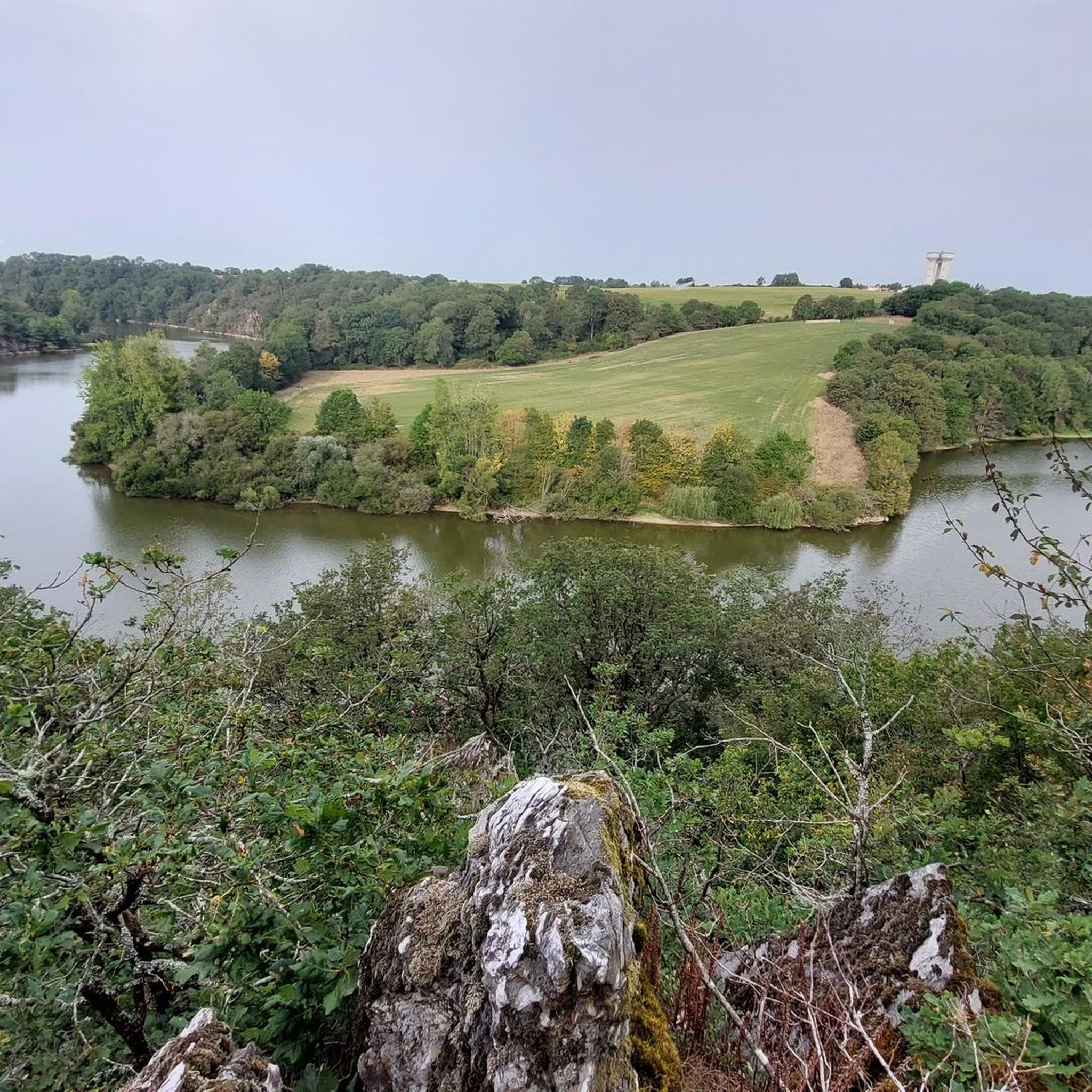
Marillet Lake
Highlight • Lake
Translated by Google •
Tip by

Sign up now to discover places like this
Get recommendations on the best single tracks, peaks, & plenty of other exciting outdoor places.
Sign up for free
Manoir de Ponsay
Highlight • Castle
Translated by Google •
Tip by

Charming town center
Highlight • Other
Translated by Google •
Tip by

Roches Baritaud Castle
Highlight • Castle
Translated by Google •
Tip by
Sign up for free to discover even more attractions around Bournezeau.
Sign up for free
Already have an account?
Start today with a free account
Your next adventure awaits.
Login or Signup



Tips from the Community

Beautiful historical site right on the hiking trail.
0
0

It is on the outskirts of the village of Château-Guibert that we discover between its different arms, a very beautiful natural site decorated with various developed trails. The hillsides, made up of meadows and heaths, are very dry. The particularly poor subsoil explains the presence of flora with almost Mediterranean aspects. The songs of the European oriole and the common nightingale give this site a particularly melodious atmosphere in spring, while the kingfisher traces a shimmering blue arc above the body of water. The wings of the numerous dragonflies are so many sparkling points on the lake like those of the imposing brown orthetrum or the nimble dryad. Walkers and fishermen find their favorite terrain here. Classified as a green route, departmental 60 offers beautiful views of the southernmost part of the lake between Château-Guibert and Mareuil-sur-Lay. Swimming is prohibited there. (Info South Vendée Coast Tourism)
0
0

This picturesque village is a perfect place for a break and refreshments. There are several restaurants and a nice café Tea room "Les Rives Enchan'thé just after the bridge. (The café is open every day from 1:30 p.m. to 7 p.m. except Sunday and Monday).
0
0

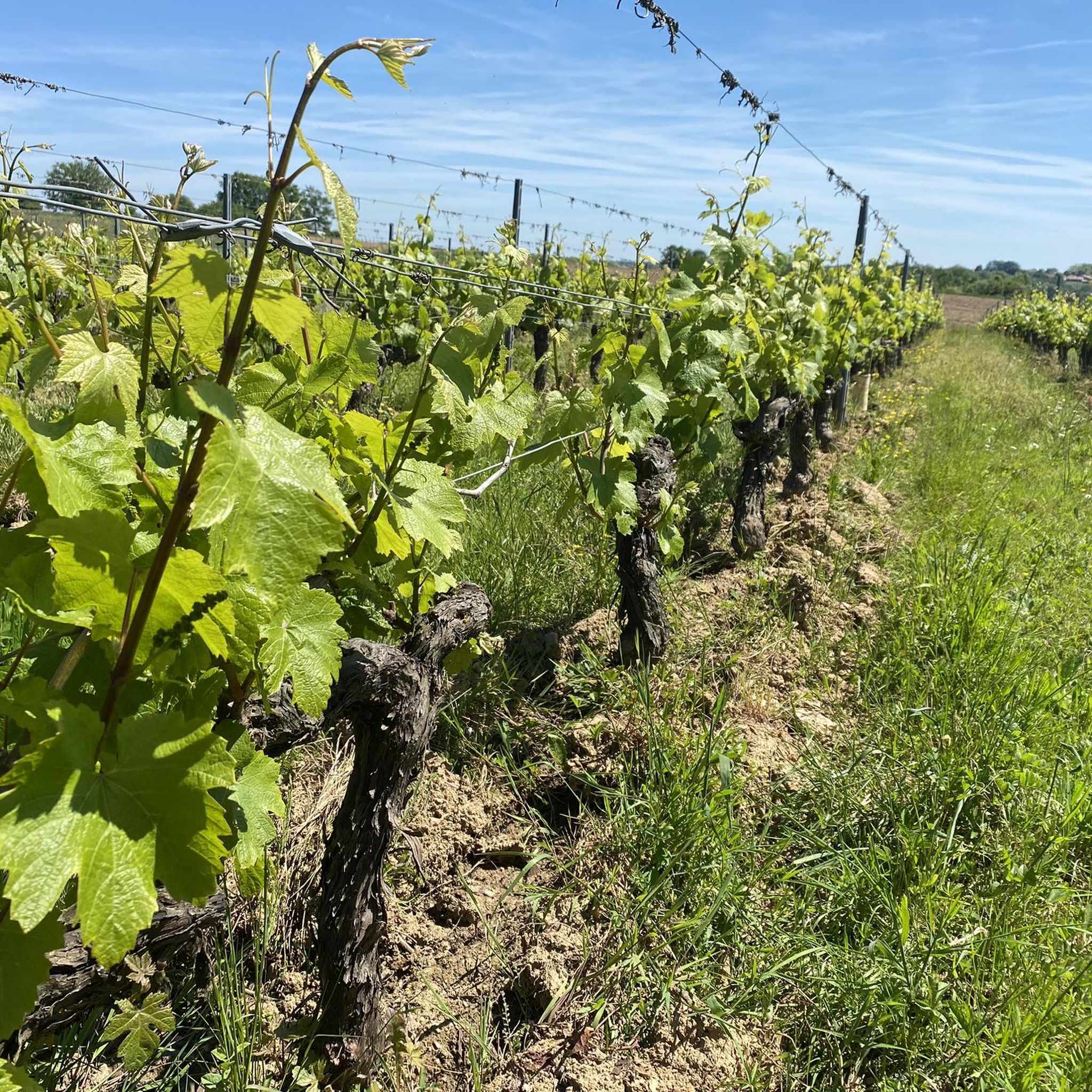
The site of Mareuil sur Lay corresponds to that of an old city marked by the proximity of the sea. Former port, it welcomed the barges (traditional boats dedicated to the transport of goods) which went up the Lay by transporting in particular salt. Once at the port, the salt was unloaded and transported overland. Under Napoleon 1st, a national road was laid out, leading to the construction of a new stone bridge and Mareuil became an obligatory passage between La Roche sur Yon and La Rochelle. The bridge you cross here dates from this period and offers a beautiful view of the old town of Mareuil. The town is also at the heart of the Mareuil vineyard, which is the largest and one of the most famous in Vendée. Located on the slopes of the Lay and Yon rivers, it extends over an area of 300 hectares divided between 10 municipalities. Annual production is approximately 17,000 hl.
0
0

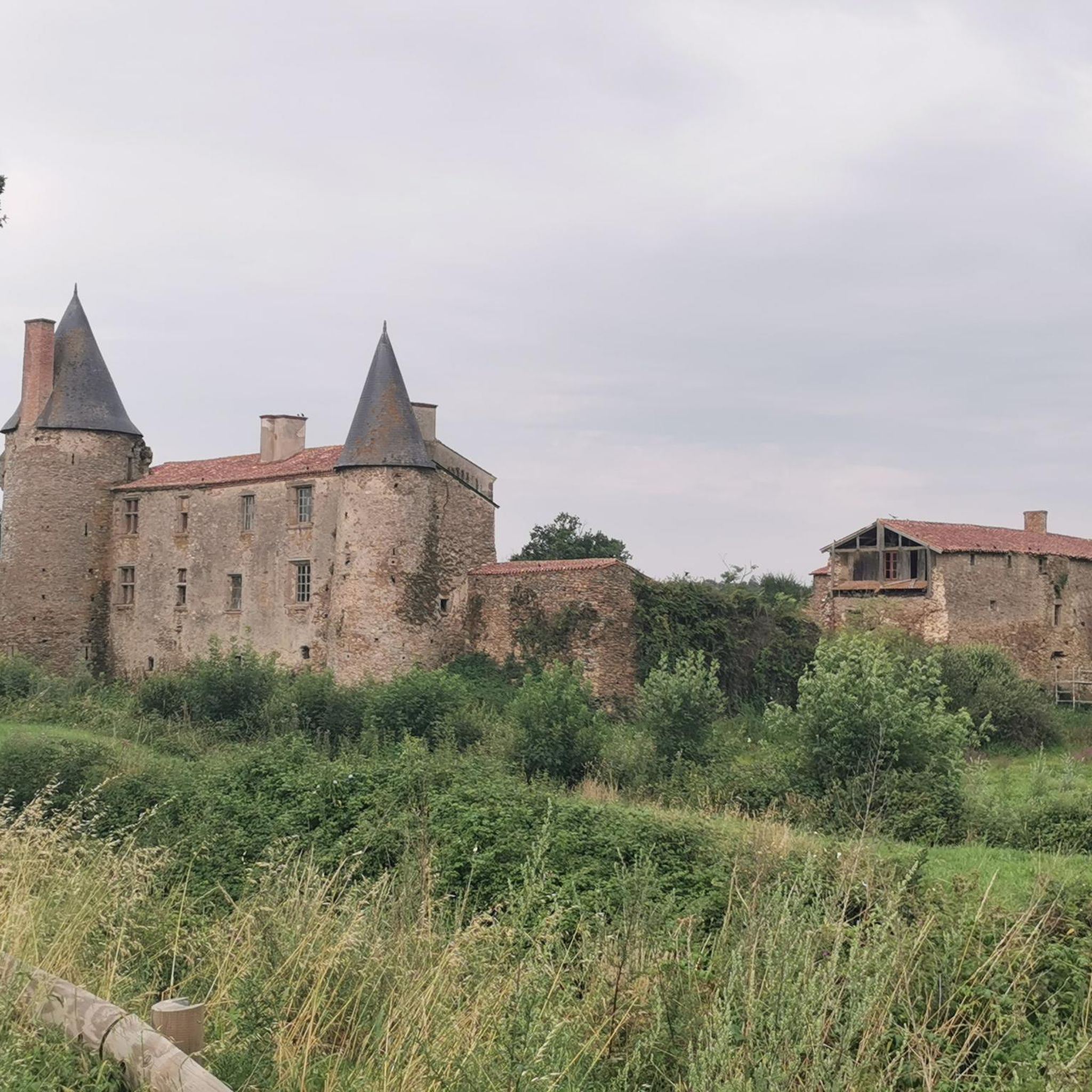
Built in the 15th century, on either side of the old path called "de Charlemagne" which went from Chantonnay to Sigournais. The mansion comprises 2 pavilions 30-40m apart, pierced with vaulted porches and spanning the municipal road. Part of this manor was burnt down during the vendée wars. Today, the castle offers guest rooms.
0
0
Using moats and fortifications from the 11th century, this castle was built in the 15th century. It has long belonged to the Châteaubriand family from which the famous writer descends. In 1757, the Count of Beauharnais, Joséphine's grandfather, bought the estate, which he sold in 1817.
0
0
Frequently Asked Questions
What historical sites can I explore around Bournezeau?
The region boasts several historical sites. You can visit the site of the Old Château de Bournezeau, which holds over a thousand years of history, including preserved 18th-century timber-framed outbuildings and a park. The former castle is also protected as a historical monument; more details can be found on Wikipedia. Another significant landmark is the Bournezeau Church, built in 1880 on the foundations of a 12th-century church, featuring an impressive flamboyant Gothic portal. Additionally, the 15th-century Manoir de Ponsay, partially burnt during the Vendée wars, is a historical site located directly on a hiking trail.
Are there any natural attractions or lakes for outdoor activities near Bournezeau?
Yes, the area offers beautiful natural sites. Marillet Lake, near Château-Guibert, provides developed trails for hiking and cycling, with diverse flora and bird species. Another option is Lac de la Vouraie, which features a poetic 2.5 km trail through the forest, known as the Sentier d'Amanéa, accessible year-round. While swimming is prohibited in these lakes, they are perfect for walks and enjoying nature.
What kind of hiking and cycling trails are available around Bournezeau?
Bournezeau is an excellent base for various outdoor activities. You'll find numerous hiking and cycling trails, including the "Sentier des Châteaux," "La Bourgadine," "Sentier de la Vouraie," and "Sentier du Bout du Monde." For cycling enthusiasts, there are several routes like the "Lac de la Vouraie loop from Barrage de la Vouraie" or the "Charming town center – Lac du Marillet loop from Bournezeau." You can find more details on cycling routes in the Cycling around Bournezeau guide.
Are there family-friendly activities or trails suitable for children?
Absolutely. The Sentier d'Amanéa around Lac de la Vouraie is designed to engage both children and adults with its interactive elements and puzzles, making it a fun 2-hour loop. The trails around Marillet Lake are also suitable for family walks and cycling, offering a chance to observe diverse wildlife like dragonflies and various bird species.
Where can I find charming towns or cultural points of interest nearby?
The nearby town of Mareuil-sur-Lay offers a charming town center, which is a perfect place for a break and refreshments, with several restaurants and a café. It's also at the heart of one of Vendée's most famous vineyards. In Mareuil-sur-Lay, you can also visit the Saint-Sauveur Church, a religious building in a town with a rich history as an old port.
What is the Forêt de Sainte-Gemme-la-Plaine and what can I see there?
The Forêt de Sainte-Gemme-la-Plaine is an ancient forest, dating back to the Neolithic period, known for its 200-300 year-old holm oaks and unique flora. It's a significant wooded area in the south Vendée region, offering numerous trails for walking. Visitors can observe wildlife such as black kites, common buzzards, European sparrowhawks, wild boars, and badgers. Historically, it was a refuge for early human populations and a sacred place for the Celtic Pictons.
Are there opportunities for mountain biking or gravel biking around Bournezeau?
Yes, the area provides excellent opportunities for both mountain biking and gravel biking. You can explore routes like the "Lac de la Vouraie loop from Bournezeau" for MTB or the "Le Vieux Château – The old railroad loop from Chantonnay" for gravel biking. More detailed routes and guides can be found in the MTB Trails around Bournezeau guide and the Gravel biking around Bournezeau guide.
What is the Moulin de la Cave?
The Moulin de la Cave, or Windmill of the Cave, is a 19th-century historical structure near Bournezeau. It's an interesting point of interest that operates during the summer months, offering a glimpse into the region's agricultural heritage.
Can I visit any castles or manors in the area?
Beyond the site of the Old Château de Bournezeau, you can visit Manoir de Ponsay, a 15th-century mansion with historical significance. Another notable site is Roches Baritaud Castle, built in the 15th century using 11th-century moats and fortifications, which has historical ties to the Châteaubriand family.
What is the best time to visit Bournezeau for outdoor activities?
The spring months are particularly melodious around natural sites like Marillet Lake, with the songs of European orioles and common nightingales. The region generally offers pleasant conditions for outdoor activities like hiking and cycling from spring through early autumn, allowing visitors to enjoy the natural beauty and trails.
Are there any vineyards or local produce to explore?
Yes, the region is known for its viticulture. The town of Mareuil-sur-Lay is at the heart of one of Vendée's most famous vineyards. For those interested in local produce and winemaking traditions, visiting vineyards like Vignobles Mourat offers insights into the region's wine production.
What kind of wildlife can I expect to see in the natural areas?
In natural areas like Marillet Lake, you might spot various bird species such as the European oriole, common nightingale, and kingfisher, along with numerous dragonflies. The Forêt de Sainte-Gemme-la-Plaine is home to black kites, common buzzards, European sparrowhawks, wild boars, and badgers, offering opportunities for wildlife observation.
Most popular routes around Bournezeau

Get inspired with the komoot mobile app


Explore more
Still not found the Highlight you’re looking for? See guides of the top attractions in other regions:
