The best road cycling routes around Guitinières
4.7
(28)
368
riders
144
rides
Road cycling routes around Guitinières traverse a landscape characterized by gentle terrain and rural roads, suitable for various skill levels. The region features a network of paths that often pass through agricultural areas and near historical sites. Elevation gains are generally modest, making for accessible road cycling experiences.
Best road cycling routes around Guitinières
- The most popular road cycling route is Jonzac Castle loop from Plassac, a 24.6 miles (39.7 km) trail that takes 1 hour 36 minutes to…
Last updated: July 15, 2026
14
riders
54.5km
02:20
420m
420m
Moderate road ride. Good fitness required. Mostly well-paved surfaces and easy to ride.
14
riders
86.0km
03:38
550m
550m
Moderate road ride. Good fitness required. Some segments of this route may be unpaved and difficult to ride.

Sign up for free
5.0
(5)
11
riders
47.6km
02:02
320m
320m
Moderate road ride. Good fitness required. Mostly well-paved surfaces and easy to ride.
12
riders
185km
07:48
1,260m
1,260m
Hard road ride. Very good fitness required. Mostly well-paved surfaces and easy to ride.
5.0
(3)
9
riders
59.0km
02:23
200m
200m
Moderate road ride. Good fitness required. Mostly well-paved surfaces and easy to ride.
Get access to more routes and recommendations from other explorers.
Sign up for free
Already have an account?
Our route recommendations are based on thousands of hikes, rides, and runs completed by other people on komoot.
Start today with a free account
Your next adventure awaits.
Login or Signup

Tips from the Community

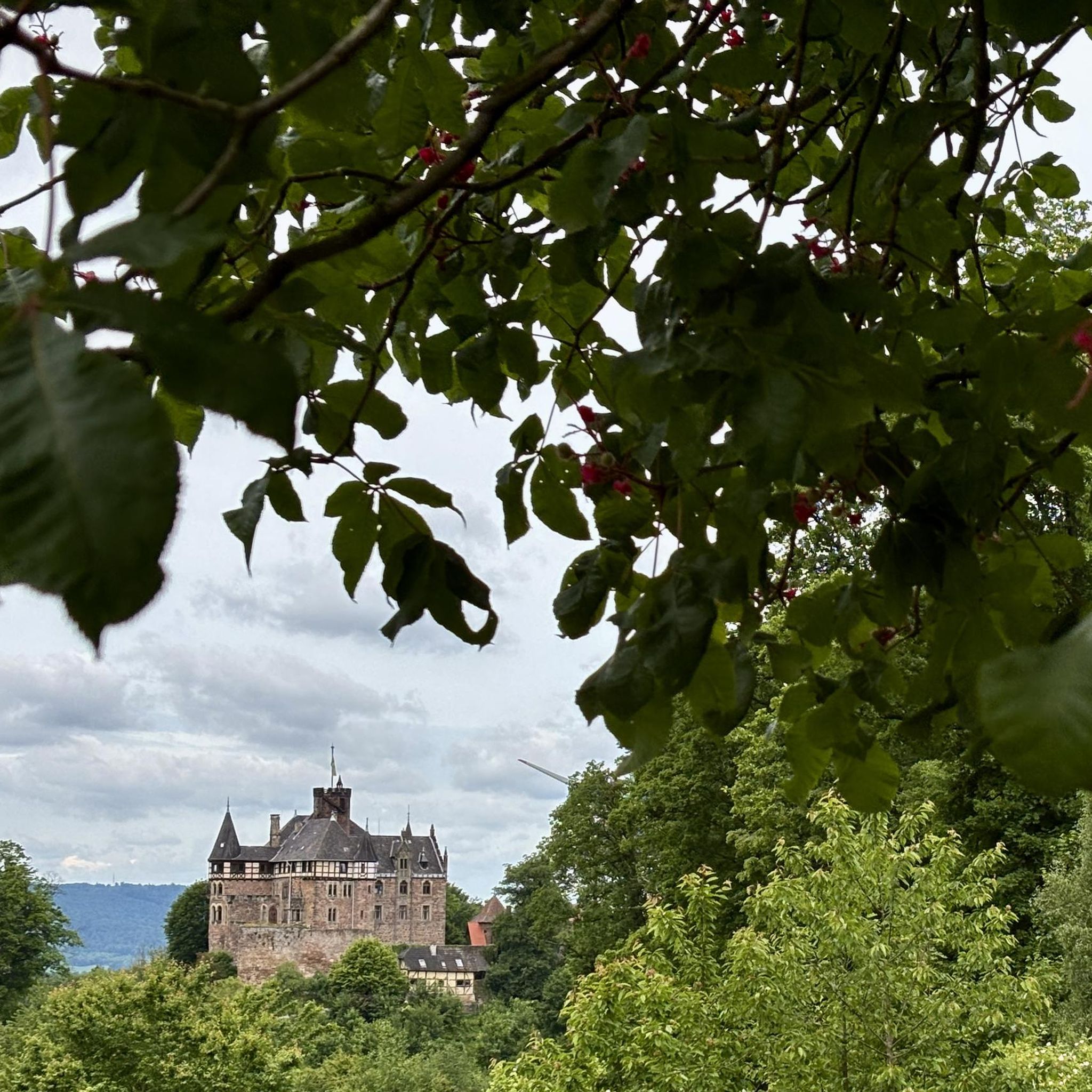
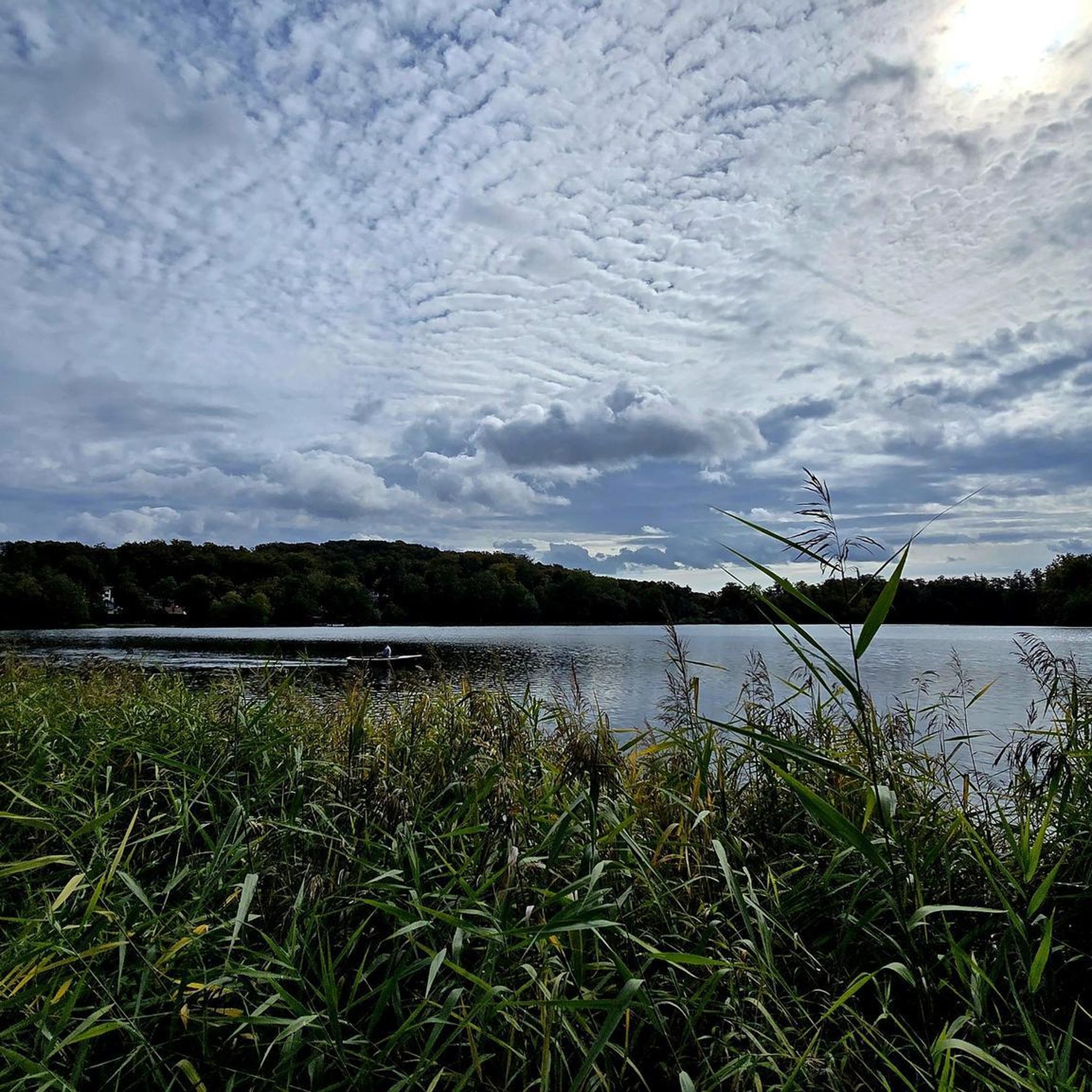
Courcoury is a natural island surrounded by the Charente and Seugne rivers, giving it a unique landscape setting between marshes and waterways, conducive to biodiversity and outdoor activities. It is also the only village in Charente-Maritime to have been awarded 4 stars by the "Villes et villages étoilés" label, recognizing its efforts to reduce light pollution through intelligent and environmentally friendly public lighting.
1
0

You can also spend a night at the Saint James House B&B, quality guest rooms, swimming pool and view of the Donjon 🙂
0
0

These ancient windmills are the best evidence that people were clever enough to harness the power of the wind centuries ago - long before the discovery of electricity and the resulting inventions. So what is celebrated today as modern (so-called green or renewable) energy is essentially “old hat” in a new guise.
1
0

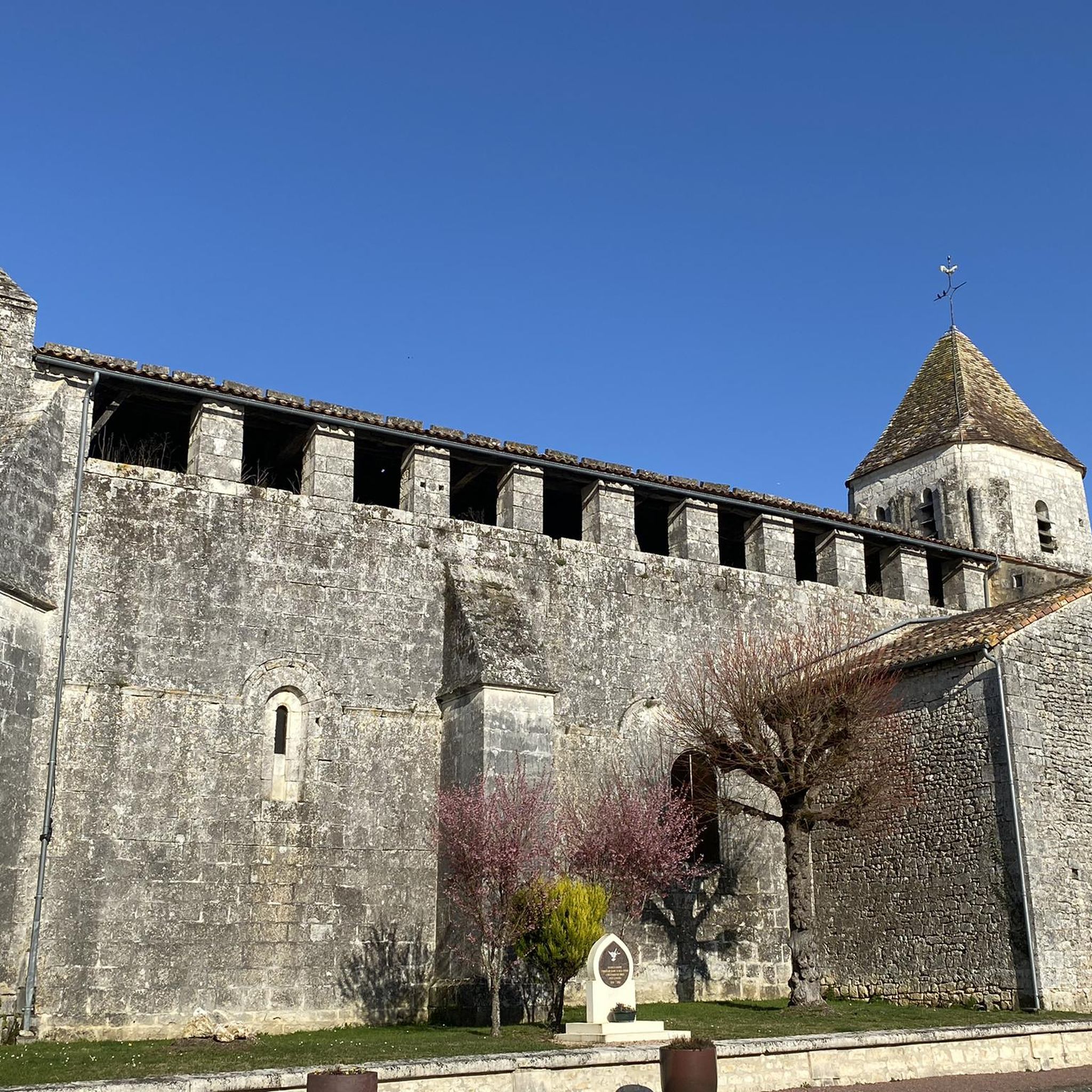
An old Romanesque church like many churches in this region. It has its cemetery and is only open on religious holidays. As for the town, it has less than 200 inhabitants, there are no amenities, no shops, no cafes.
1
0

The keep of Pons is located in the commune of Pons in the French department of Charente-Maritime in the Nouvelle-Aquitaine region. This tower is the old keep of the castle of Pons. 33 m high, it is visible from a long distance and is the symbol of the city. With the Saint-Gilles chapel, the remains of the ramparts and the main building, it constitutes the remains of the ancient castle of Pons.
1
0

The Santons people occupied Saintonge during the Gallic era. The Romans conquered the region and settled on the banks of the Charente. The town of Saintes (then designated Mediolanum), located at the western end of the Via Agrippa which linked Lyon (capital of the Three Gauls) to the Atlantic coast, quickly became monumental. At the time of Augustus (27 BC – 14 AD), the city probably became the capital of the province of Greater Aquitaine (Aquitania). This then extended from the Loire to the Pyrenees. Mediolanum is endowed with important public monuments: the amphitheater, the arch of Germanicus, the thermal baths and the aqueduct are still partially visible today. At the time of its peak (end of the 1st century – beginning of the 2nd century), the city must have had several thousand inhabitants. The amphitheater of Mediolanum is one of the earliest in Gaul. It is estimated that its construction began during the reign of Tiberius (14 – 37 AD), and was completed during the reign of Claudius (41 – 54 AD). Like many amphitheaters of the Roman Empire, that of Saintes was located on the outskirts of the ancient city in a chosen and developed site: the “vallon des Arènes”. Thanks to a favorable topography, the builders were relieved of part of their work, the amphitheater resting on the slope of the valley. This elliptical monument, with imposing dimensions (126 meters long and 102 meters wide), made it possible to accommodate several thousand spectators around bloody and violent representations such as gladiator fights (munera) or animal hunts (venationes ). In the 3rd century, the city declined and was entrenched within an impressive rampart, built from the remains of public and funerary monuments from previous decades. The amphitheater is then no longer used. Since the Middle Ages, it has been used, among other things, as a stone quarry. It was classified as a Historic Monument in 1840. It was from this moment that it was gradually restored. Today, despite the disappearance of the superstructures, the remains provide a faithful image of what this monument could have been at the time of its splendor. The site welcomes visitors all year round. Certain objects found during various excavations in the amphitheater district are visible at the archaeological museum.
1
0

Certain foundations of small elongated freestones bear witness to a building from the end of the 11th century or the beginning of the 12th century. The nave was taken over in the second half of the 12th century and reinforced by arcades. If the base of the bell tower is characteristic of Romanesque architecture, its upper part bears the mark of the first Gothic age. The octagonal stone spire crowns a bell chamber based on a similar plan, the sides featuring alternating single bays and twin bays. Finally, the north wall and the facade were redone in the 19th century, the first bay of the nave having been shortened in order to widen the road passing in front of the church41. Like the majority of churches in the region, the Saint-Pierre de Gémozac church is based on a plan in the shape of a Latin cross. It consists of a single nave with four bays covered with a pointed barrel vault, which was completely redone in the 16th century. Inside, arcades respond to the buttresses and serve to reinforce the structure of the building. As in some Romanesque churches in the region, the transepts are covered with cupolas. However, if the north brace has a dome on squinches, the south brace has the particularity of having a dome on pendentives. The two arms of the transept are extended by apsidioles: the oldest (12th century), that of the south transept, forms a vaulted hemicycle; the most recent is a rectangular chapel covered with ribbed vaults. A narrow arcade opens onto the first bay of the choir. This forms a set of two spans. The first is covered with quadripartite warheads, while the second is completed by liernes. The flat apse (13th century), pierced with a triplet, testifies to the Cistercian influence on the architecture of the time. The church of Saint-Pierre de Gémozac is part of the tourist inventory of the most beautiful churches of Saintonge and is often cited among the religious buildings worthy of a visit. In certain aspects, this church is indeed one of the beautiful Romanesque churches of the Saintonge type, among which are still the remarkable churches of Rétaud, Rioux or even Thaims, all located in its canton.
0
0

The Church of Saint-Martin de Coucoury was built around the 11th century. It is a pretty example of a Romanesque church.
1
0
Frequently Asked Questions
What kind of terrain can I expect on road cycling routes around Guitinières?
Road cycling routes in Guitinières are characterized by gentle terrain and rural roads. You'll find modest elevation gains, making for accessible rides through agricultural areas and past historical sites.
Are there road cycling routes suitable for beginners in Guitinières?
Yes, Guitinières offers a good selection of routes for beginners. Out of over 130 road cycling routes, 37 are rated as easy. An example is the Jonzac Castle loop from Plassac, which is an easy 39.7 km ride.
What are the options for more experienced road cyclists in Guitinières?
For more experienced road cyclists, Guitinières provides 95 moderate routes and 3 difficult routes. The Château d'Ars loop from Jonzac is a moderate 82.7 km route featuring rolling terrain and historical châteaux.
What are the typical distances and elevation gains for road cycling routes in this region?
Routes vary in length and elevation. For instance, the Jonzac Castle loop from Jonzac covers 47.6 km with an elevation gain of around 316 meters. Longer routes like the Château d'Ars loop from Jonzac can reach over 80 km with about 505 meters of ascent.
Are there many circular road cycling routes around Guitinières?
Yes, many of the road cycling routes in Guitinières are designed as loops, allowing you to start and finish in the same location. Examples include the Jonzac Castle loop from Plassac and the Roadbike loop from Jonzac.
What historical landmarks can I see along the road cycling routes?
The routes often pass by historical sites. You might encounter landmarks such as Jonzac Castle, Saint Paul Chapel, or the Saint-André Church of Clion. Many routes are named after these points of interest, like the Saint-Fort-sur-Gironde Church loop from Jonzac.
What do other road cyclists say about the routes in Guitinières?
The road cycling routes in Guitinières are highly regarded by the komoot community, holding an average rating of 4.6 stars from over 20 reviews. Cyclists often praise the varied terrain and the opportunity to explore rural landscapes.
When is the best time of year for road cycling in Guitinières?
Given the region's gentle terrain, road cycling is enjoyable for much of the year. Spring and autumn offer pleasant temperatures, while summer provides longer daylight hours, ideal for exploring the rural roads and historical sites.
Are there any specific starting points or trailheads for road cycling in Guitinières?
Many routes conveniently start from towns like Jonzac or Plassac, which likely offer parking facilities. For example, you can begin the Jonzac Castle loop from Jonzac directly from Jonzac.
How many road cycling routes are available in the Guitinières area?
There are over 130 road cycling routes available around Guitinières, offering a wide range of options for different skill levels and preferences.
Most popular attractions around Guitinières

Get inspired with the komoot mobile app


Explore more
Browse the best Road cycling routes in other regions.
