The best cycling routes around Saint-Savinien
4.5
(256)
1,654
riders
103
rides
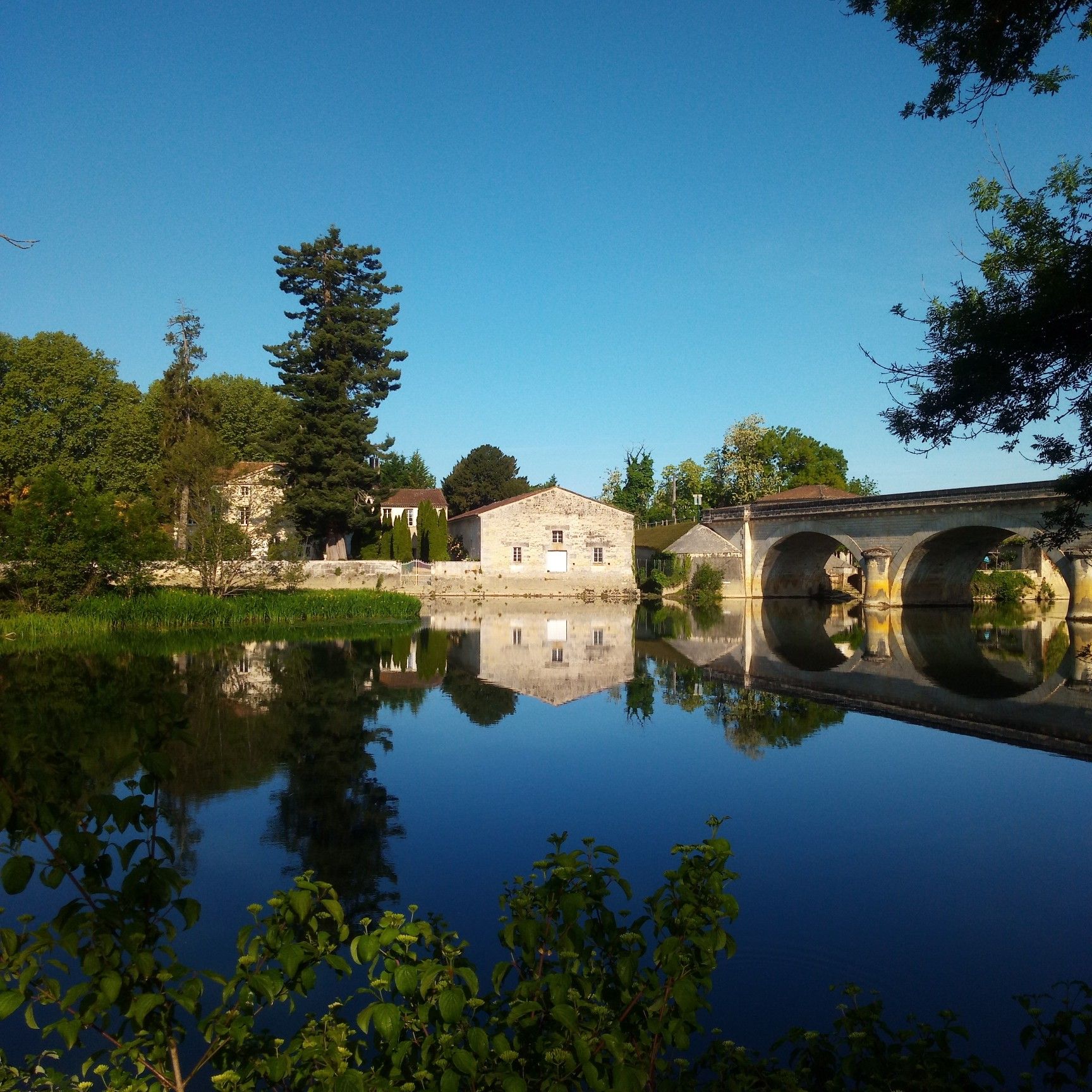
Touring cycling around Saint-Savinien offers diverse routes through tranquil waterways, historic architecture, and varied natural features. The region is characterized by the meandering Charente River, providing picturesque quaysides and verdant riverbanks. Cyclists can explore fields, marshes, and limestone cliffs, some featuring ancient troglodytic houses. Nearby forests, such as Forêt de Pons, also contribute to the varied landscape.
Best touring cycling routes around Saint-Savinien
- The most popular touring cycling route is Raoul bitaud – Crazannes Castle loop from Port-d'Envaux, a 13.8 miles (22.2 km) trail that takes 1 hour 26 minutes to complete. This easy route explores the area around Crazannes Castle.
- Another top favourite among local touring cyclists is Crazannes Castle – Atypical bike path 😉 loop from Port-d'Envaux, a difficult 23.9 miles (38.4 km) path. This route offers a challenging ride through varied terrain near Port-d'Envaux.
- Local touring cyclists also love the Crazannes Castle – Crazannes Sculptures loop from Saint-Savinien, a 13.8 miles (22.2 km) trail leading through the Crazannes area, often completed in about 1 hour 25 minutes.
- Touring cycling around Saint-Savinien is defined by the Charente River, open fields, and limestone cliffs. The network offers options for various ability levels, from easy riverside rides to more challenging routes.
- The routes in Saint-Savinien are highly rated by the komoot community with an average score of 4.5 stars from over 160 reviews. More than 1000 touring cyclists have used komoot to explore Saint-Savinien's varied terrain.
Last updated: October 18, 2026
4.8
(9)
41
riders
22.2km
01:27
110m
110m
Easy bike ride. Great for any fitness level. Mostly paved surfaces. Suitable for all skill levels.
47
riders
43.0km
03:32
310m
310m
Hard bike ride. Good fitness required. You may need to push your bike for some segments of this route.

4.7
(6)
28
riders
22.2km
01:25
100m
100m
Easy bike ride. Great for any fitness level. Mostly paved surfaces. Suitable for all skill levels.
3.0
(1)
23
riders
156km
10:22
600m
600m
Hard bike ride. Very good fitness required. Mostly paved surfaces. Suitable for all skill levels.
4.6
(7)
20
riders
22.6km
01:30
80m
80m
Easy bike ride. Great for any fitness level. Mostly paved surfaces. Suitable for all skill levels.
Get access to more routes and recommendations from other explorers.
Already have an account?
Our route recommendations are based on thousands of hikes, rides, and runs completed by other people on komoot.
Start today with a free account
Your next adventure awaits.



Other adventures around Saint-Savinien

Tips from the Community

The Chaniers ferry (Charente-Maritime) is one of the last traditional river ferries still in operation in France. It allows crossing the Charente River between Chaniers and Courcoury, a few kilometers downstream from Saintes. A crossing used for centuries History of the Chaniers ferry The ferry crossing at Chaniers is very old: it dates back to the Middle Ages. In the mid-17th century, it was already an important crossing point on the Charente. It was not only used to cross the river: it also allowed residents to access the meadows on the other side, particularly for agricultural activities. In the early 20th century, the Chaniers ferry was part of a much larger network of crossings on the Charente. In 1909, thirteen ferries were still recorded in Charente-Inférieure, including the one in Chaniers. Ferries were essential at the time before the proliferation of bridges. Why "chain ferry"? The principle consists of holding the ferry on a chain connecting the two banks. The ferryman uses this chain to move the boat forward and keep it on its course despite the current. In Chaniers, the current ferry is motorized, unlike the ferry in Dompierre-sur-Charente, which is operated manually. The Tourist Office, however, still describes it as a "chain ferry," and the municipality as the traditional crossing method connecting Chaniers to Courcoury. The ferry today The crossing takes place between Le Communal in Chaniers and the Courcoury bank. It is free and can transport pedestrians, cyclists, and motorized vehicles. Its operation depends in particular on the flow of the Charente River. The municipality of Chaniers officially presents "the port of Chaniers and its chain ferry" as an element of its local heritage. Important point: I am correcting my previous message: the Chaniers ferry is not simply a "19th-century ferry." The crossing has been attested since the Middle Ages; it is its mode of operation and its equipment that have evolved over the centuries.
0
0

In summer, after 3 hours of cycling it's the best!
0
0

Impressive bridge. Well worth seeing!
1
0
A truly interesting bridge. It's worth a stop.
1
0

I really enjoyed this ride. I’m 46, I did it on a 40 year old road bike, it’s more suited to a cyclocross bike!
1
0

Almost obligatory passage to cross the Charente, but it’s worth the detour
0
0

It is an absolutely beautiful village.
0
0

Tonnay-Charente marina and view of the suspension bridge (One of the oldest suspension bridges in Europe - 1842)
0
0
Frequently Asked Questions
How many touring cycling routes are available around Saint-Savinien?
There are nearly 100 touring cycling routes around Saint-Savinien documented on komoot. These routes cater to various skill levels, with 44 easy, 40 moderate, and 15 difficult options to explore the region's diverse landscapes.
What are the easiest touring cycling routes for beginners or casual riders?
For an easy and scenic ride, consider the Raoul bitaud – Crazannes Castle loop from Port-d'Envaux. This 22.2 km route takes about 1 hour 26 minutes and explores the charming area around Crazannes Castle. Another excellent easy option is the Crazannes Castle – Crazannes Sculptures loop from Saint-Savinien, which is also 22.2 km and offers a pleasant ride through the Crazannes area.
Are there any challenging touring cycling routes for experienced cyclists?
Yes, for a more challenging experience, the Crazannes Castle – Atypical bike path 😉 loop from Port-d'Envaux is a difficult 38.4 km path. This route offers a demanding ride through varied terrain near Port-d'Envaux, perfect for those seeking a greater physical challenge.
What kind of landscapes and natural features can I expect to see while cycling in Saint-Savinien?
Cycling around Saint-Savinien offers a rich tapestry of landscapes. You'll primarily encounter the tranquil meanders of the Charente River, with picturesque quaysides and verdant riverbanks. Routes also traverse open fields, marshes, and distinctive limestone cliffs, some of which house ancient troglodytic dwellings. Natural areas like the 'Chaumes de Sèchebec' feature unique flora, while nearby forests such as Forêt de Pons provide additional scenic variety.
What historical landmarks or attractions can I visit along the cycling routes?
The region is rich in history and architecture. You can explore the impressive Crazannes Castle, a prominent feature on several routes. Other notable sites include the Sainte-Madeleine Church of Crazannes, and the historic Saint-Savinien Church and Statues of the Apostles in the town itself. Further afield, you might encounter Romanesque churches, châteaux, and the remains of a medieval castle in Taillebourg, offering magnificent views of the Charente valley.
Are there any long-distance cycling routes that pass through Saint-Savinien?
Yes, Saint-Savinien is a key point on La Flow Vélo, a major cycling route. You can cycle a segment from Saintes to Saint-Savinien (approximately 26.62 km) or continue from Saint-Savinien towards Rochefort (approximately 41.06 km). These sections offer a mix of paved surfaces, quiet local roads, and limestone tracks, allowing you to explore the countryside and charming villages. For more details, you can refer to the official guides for Saintes to Saint-Savinien and Saint-Savinien to Rochefort.
What do other touring cyclists say about the routes in Saint-Savinien?
The touring cycling routes around Saint-Savinien are highly regarded by the komoot community, boasting an average rating of 4.5 stars from over 160 reviews. More than 1000 touring cyclists have used komoot to explore the varied terrain, often praising the scenic beauty of the Charente River, the charming villages, and the diverse options available for different skill levels.
Are there any family-friendly cycling options in Saint-Savinien?
Many of the easy and moderate routes along the Charente River are suitable for families. The region's generally gentle terrain and picturesque riverside paths make for enjoyable outings. For additional family fun, the Miniature Port on the Île de la Grenouillette offers boat outings and other leisure activities in a natural setting, which can be combined with a cycling trip.
Can I find circular touring cycling routes around Saint-Savinien?
Yes, many of the routes around Saint-Savinien are designed as loops, allowing you to start and end your journey in the same location. Examples include the Raoul bitaud – Saint-Vivien Church in Geay loop from Saint-Savinien, a moderate 32.5 km ride, and the longer Saint-Vivien Church in Geay – La Roche Courbon Castle. loop from Saint-Savinien, a moderate 70.8 km option. These circular routes make planning your ride convenient.
What is the best time of year to go touring cycling in Saint-Savinien?
The best time to go touring cycling in Saint-Savinien is generally during the spring (April to June) and early autumn (September to October). During these periods, the weather is typically mild and pleasant, with less intense heat than summer and fewer crowds. The landscapes are also particularly beautiful, with blooming flora in spring and vibrant colors in autumn.
Is it possible to combine cycling with other activities in Saint-Savinien?
Absolutely! Saint-Savinien's location on the Charente River makes it ideal for combining cycling with nautical activities like pedalos or electric boats. You can also enjoy leisurely walks along the quays, explore the town's architectural heritage, or visit natural areas like the 'Chaumes de Sèchebec' for nature observation. The region offers a blend of outdoor pursuits and cultural exploration.
Most popular routes around Saint-Savinien
Most popular attractions around Saint-Savinien

Get inspired with the komoot mobile app


Explore more
Browse the best Cycling routes in other regions.
