The best walks and hikes around Beinerstadt
4.6
(1051)
3,381
hikers
257
hikes
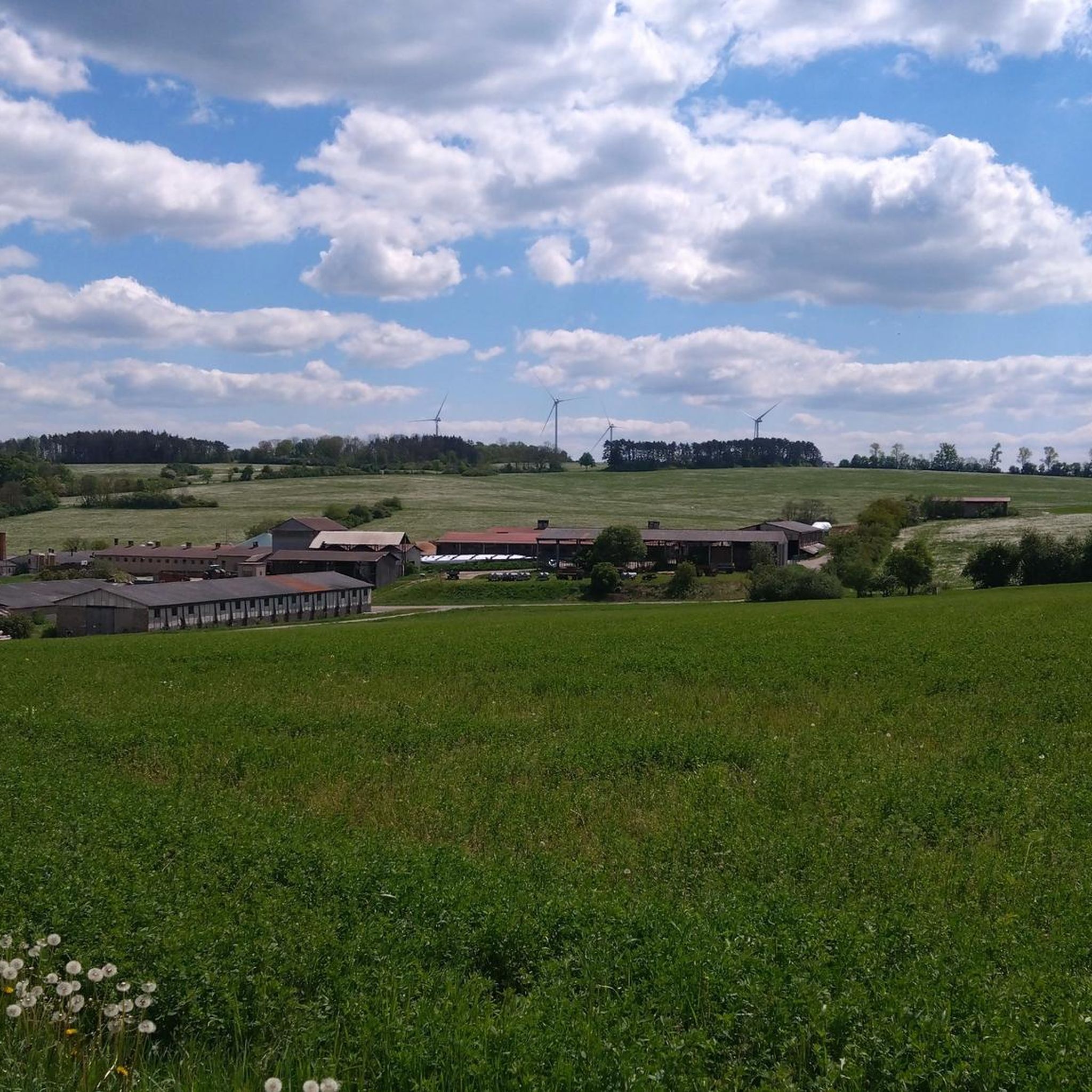
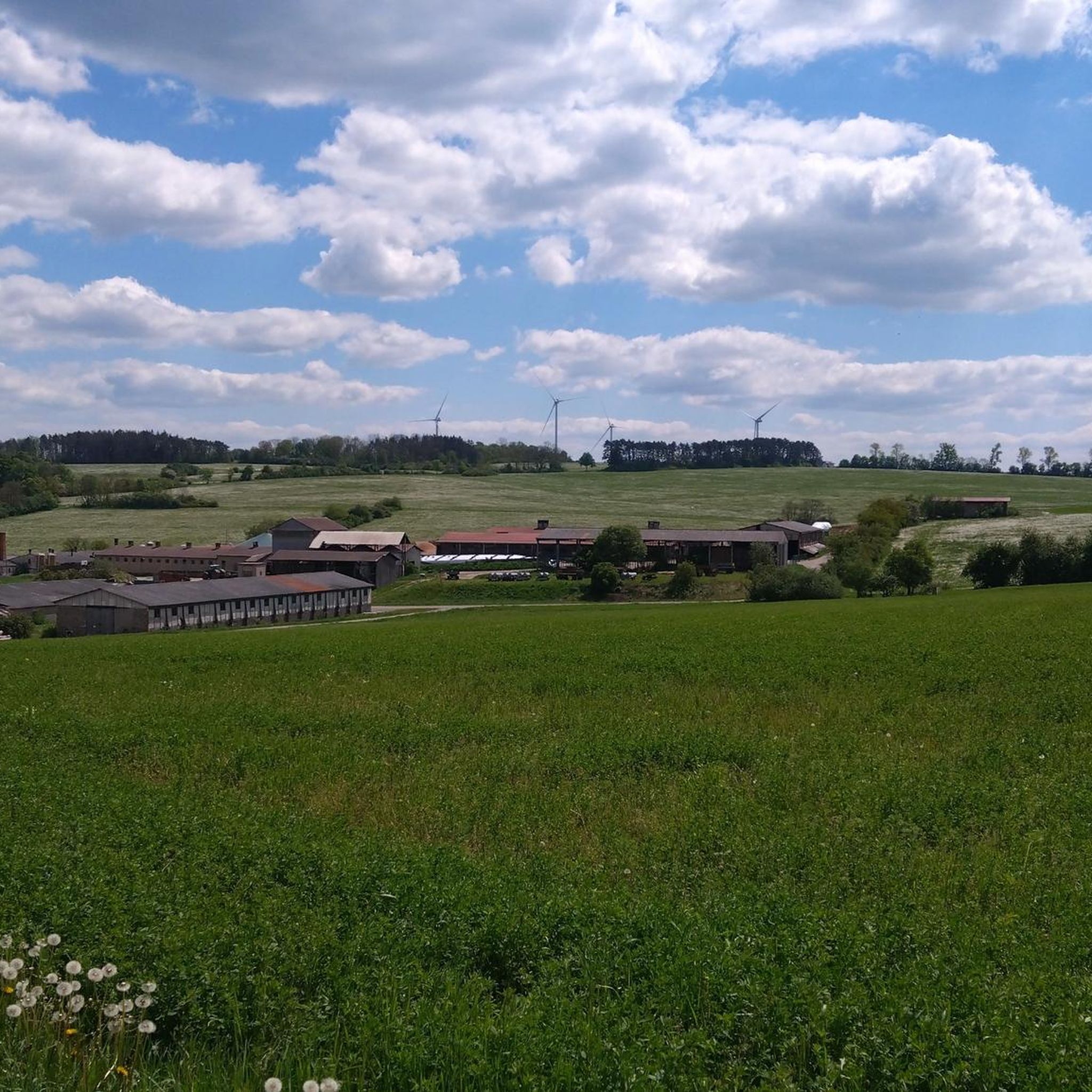
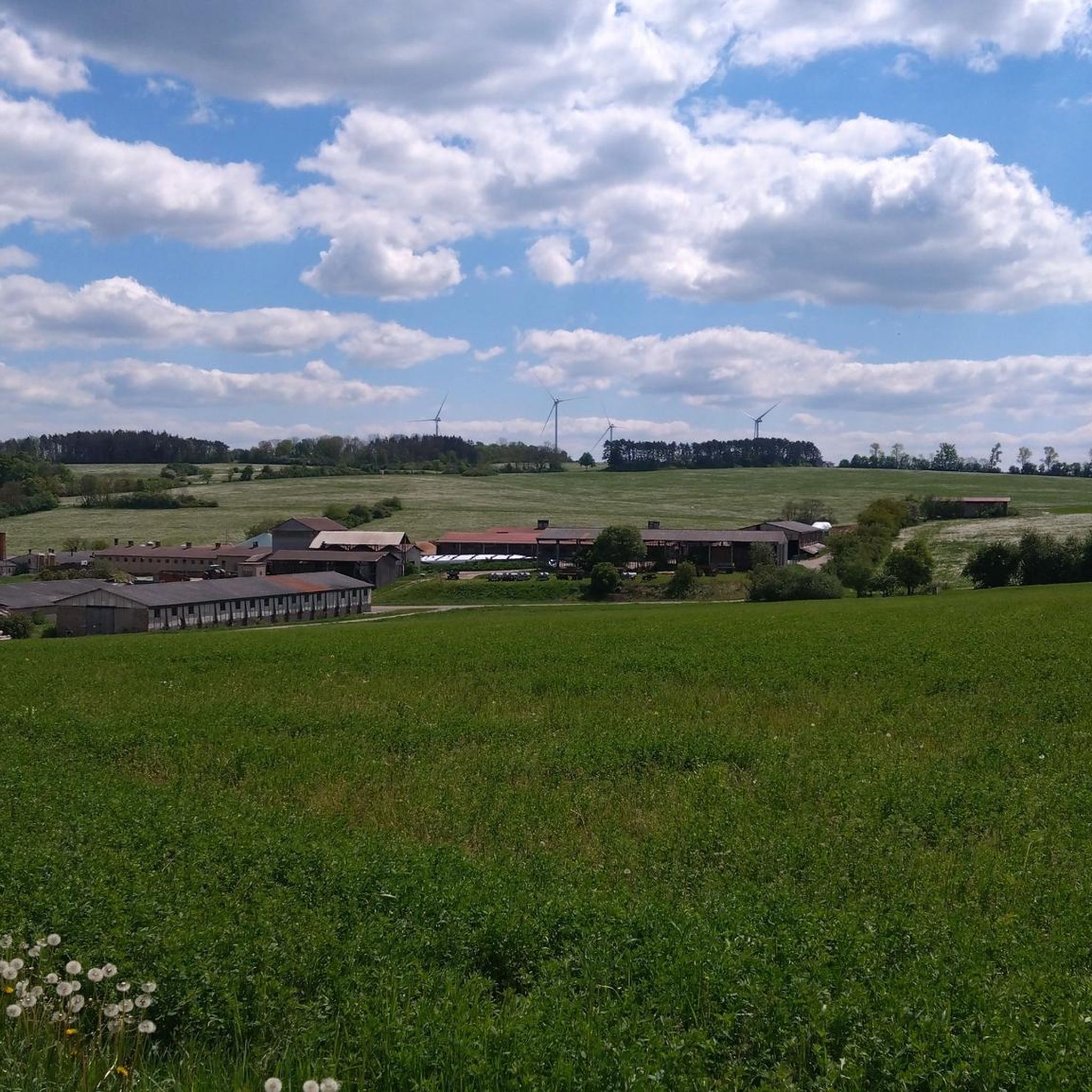
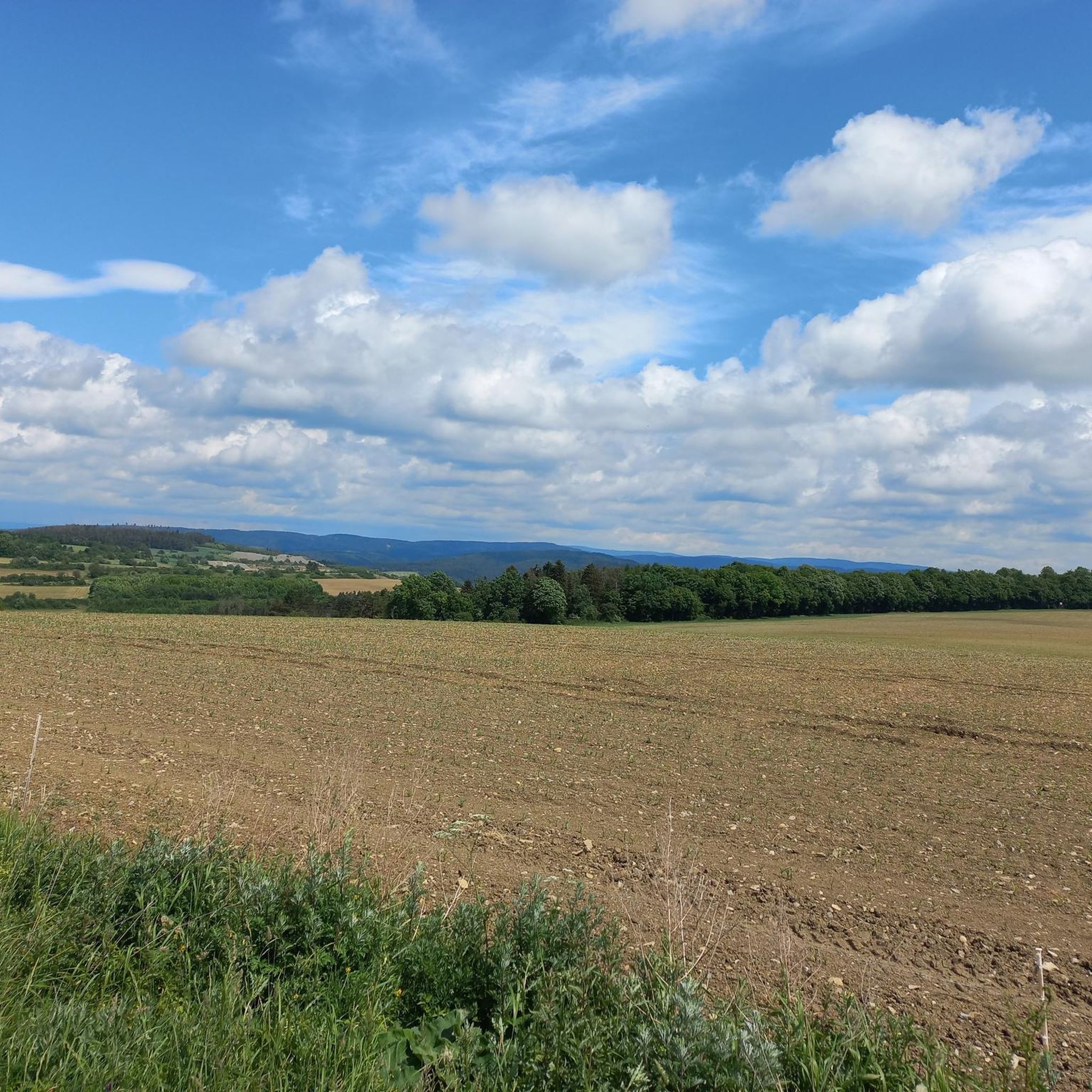
Hiking trails around Beinerstadt are situated within the Thuringian Forest, characterized by picturesque forests and rolling hills. The region features varied terrain, including the St. Bernhard shell limestone plateau, which contributes to its unique geological character. Hikers can explore lush woodlands and diverse landscapes, with elevations ranging from gentle slopes to higher points like the Großer Gleichberg.
Best hiking trails around Beinerstadt
- The most popular hiking route is Collapsed Mountain Cliff – Trostadt Monastery loop from Reurieth, a 7.5…
Last updated: June 27, 2026
4.8
(9)
27
hikers
12.1km
03:33
320m
320m
Moderate hike. Good fitness required. Easily-accessible paths. Suitable for all skill levels.
4.7
(6)
17
hikers
3.82km
01:00
30m
30m
Easy hike. Great for any fitness level. Easily-accessible paths. Suitable for all skill levels.

Sign up for free
4.5
(4)
8
hikers
10.8km
03:00
190m
190m
Moderate hike. Good fitness required. Easily-accessible paths. Suitable for all skill levels.
5.0
(2)
6
hikers
9.71km
02:47
230m
230m
Moderate hike. Good fitness required. Easily-accessible paths. Suitable for all skill levels.
10
hikers
7.65km
02:15
210m
210m
Moderate hike. Good fitness required. Easily-accessible paths. Suitable for all skill levels.
Get access to more routes and recommendations from other explorers.
Sign up for free
Already have an account?
Our route recommendations are based on thousands of hikes, rides, and runs completed by other people on komoot.
Start today with a free account
Your next adventure awaits.
Login or Signup

Tips from the Community

In the GDR, the most important retail companies were the Handelsorganisation (HO) and Konsum. HO was a state-owned enterprise, while Konsum was a cooperatively organized chain. Both had a wide network of outlets, including department stores, grocery stores, and specialty shops. Konsum was particularly active in rural areas and was designed to ensure the supply of the local population. Members of the consumer cooperatives received discounts on their purchases, which were issued as consumer vouchers and paid out at the end of the year.
13
0

The Henneberg Museum Kloster Veßra is a 6-hectare open-air museum showcasing the history of the monastery, half-timbered architecture, the everyday history of the people of the Henneberg region, and agricultural technology. The museum grounds and the monastery buildings of the Premonstratensian Order are owned by the Thuringian Palaces and Gardens Foundation. There are the Veßra monastery ruins, the half-timbered houses with buildings from the Henneberg region, the largest collection of East German LPG agricultural machinery in Thuringia, a historic hydroelectric power plant with a mill race, exhibitions on the hard daily lives of the people, and a well-tended garden with herb gardens, flower meadows, and old fruit trees.
0
0

If you're hungry, you'll be surprised by the fish farm's snack bar. The generous and tasty portions are more than just a snack.
0
0

It goes uphill quite a bit, otherwise a nice tour
0
0

A visit that is worth it. It is definitely worth seeing. I am impressed. Respect for how much effort goes into keeping everything in order 👍
2
0

Even before the seemingly massive rockslide in 1595, rocks had repeatedly fallen off this mountain. The perfect place to live - thought an entrepreneur who originally came from Themar and made a name for himself in Berlin with a horseshoe-shaped leather bag. Wealthy but in poor health, he eventually returned to his homeland. He wanted to build his retirement home here on the Iltenberg (formerly Öltenberg), where he had often been as a child. In 1932 he moved into the villa, of which only old photos exist. Unfortunately, it was demolished during the GDR era. Only a few remnants remain. You can still wander through the former access gate, walk on the cobblestones of the courtyard and visit an old cellar vault. A detailed information board on site tells the full story.
1
0
This viewpoint is located above the Collapsed Mountain, where a large rockfall occurred in 1595. For safety reasons, you cannot get close to this cliff. This point is the only one that takes you directly to the slope.
1
0
There are two benches here - one of them slightly elevated. From here you can enjoy a beautiful view of Themar and the surrounding area. Perfect for a relaxing break.
2
0
Frequently Asked Questions
What kind of terrain can I expect on hikes around Beinerstadt?
Hikes around Beinerstadt are characterized by picturesque forests and rolling hills, typical of the Thuringian Forest. The region also features the St. Bernhard shell limestone plateau, which adds a unique geological character with its stony soils. You'll find a mix of lush woodlands and varied landscapes, ranging from gentle slopes to higher points like the Großer Gleichberg.
Are there many hiking options available in Beinerstadt?
Yes, Beinerstadt offers a wide array of hiking opportunities. There are over 260 routes available, catering to various skill levels. This includes 118 easy routes, 146 moderate routes, and a few more challenging options.
What are some notable natural features or landmarks to see while hiking in Beinerstadt?
The region boasts several interesting natural features and landmarks. A prominent natural attraction is the Summit of Großer Gleichberg, offering impressive panoramic views. You might also encounter the Collapsed Mountain Cliff or the Delphin Spring (Wiesenbrünnle). For a historical touch, the Römhild Labor Education Camp Memorial is also nearby.
Are there any family-friendly hiking trails in Beinerstadt?
Yes, Beinerstadt has many easy routes suitable for families. For a gentle walk, consider the Trostadt Monastery – Brunnquell near Reurieth loop from Reurieth, which is an easy 2.4-mile (3.8 km) path. This shorter loop offers a pleasant experience through the local landscape.
What do other hikers say about the trails in Beinerstadt?
The hiking routes in Beinerstadt are highly rated by the komoot community, with an average score of 4.6 stars from over 1100 reviews. Hikers often praise the varied terrain, the quiet woodlands, and the well-maintained paths that offer options for different ability levels.
Are there any circular hiking routes available?
Yes, many of the trails around Beinerstadt are designed as loops. For example, the moderate Collapsed Mountain Cliff – Trostadt Monastery loop from Reurieth is a 7.5-mile (12.1 km) circular route. Another popular option is the Brunnquell Karst Spring – Brunnquell near Reurieth loop from Reurieth, a 6.7-mile (10.8 km) trail.
Can I find trails that lead past historical sites or cultural attractions?
Absolutely. The region is home to the Celtic Adventure Trail (Kelten-Erlebnisweg), a long-distance route that passes through numerous museums and archaeological sites, blending nature with cultural heritage. While not a natural feature, the Old Vachdorf Station, a historical site converted into an inn, is also located nearby and serves as a convenient stop for visitors.
What is the typical duration for a hike in Beinerstadt?
Hiking durations vary significantly depending on the route's length and difficulty. Easy routes like the Trostadt Monastery – Brunnquell near Reurieth loop from Reurieth can be completed in about an hour. Moderate trails, such as the Kloster Veßra Monastery – Trostadt Monastery loop from Reurieth, typically take around 3 hours and 15 minutes.
Are there any trails with significant viewpoints?
Yes, the region offers trails that lead to rewarding viewpoints. The Summit of Großer Gleichberg is a prime example, providing impressive views towards Franconia and Kleiner Gleichberg. Many routes through the rolling hills and forests will also offer scenic vistas.
Are there any amenities like cafes or pubs near the hiking trails?
While specific cafes and pubs directly on every trail are not listed, the Old Vachdorf Station, a historical site converted into an inn with a beer garden, is located on the Werratal cycle path and serves as a welcoming stop for outdoor enthusiasts, likely including hikers utilizing nearby trails.
What is the best time of year for hiking in Beinerstadt?
The Thuringian Forest, where Beinerstadt is located, is beautiful throughout the warmer months, from spring to autumn, when the deciduous forests are lush. Spring offers blooming flora, while autumn provides vibrant fall colors. Winter hiking is also possible, but conditions can vary, so checking local weather is advisable.
Are there any lakes or water features along the hiking routes?
Yes, some routes may lead you near water features. While not explicitly waterfalls, you might encounter highlights like the Water Lily Pond by the Wildlife Enclosure or the Roth Reservoir II. The Trostadt Monastery – Werra River Crossing loop from Beinerstadt also includes a river crossing.
Most popular attractions around Beinerstadt

Get inspired with the komoot mobile app


Explore more
Browse the best Hikes in other regions.
