Attractions and Places To See around Saint-Crépin - Top 7
Best attractions and places to see around Saint-Crépin include historical sites, cultural heritage, and natural landscapes. This village, located in the Hautes-Alpes region of France, is known for its distinctive snail-shaped layout and proximity to the Regional Natural Park of Queyras. Visitors can explore ancient churches, unique geological features, and the Durance River. The area offers a variety of points of interest for those seeking historical and natural exploration.
Best attractions and places to see around Saint-Crépin
- The most popular…
Last updated: June 29, 2026
Tonnay-Boutonne
Highlight • Other
Translated by Google •
Tip by

Saint Peter's Church
Highlight • Other
Translated by Google •
Tip by
Sign up now to discover places like this
Get recommendations on the best single tracks, peaks, & plenty of other exciting outdoor places.
Sign up for free
La P'tite Table de Bel Ébat
Highlight • Cafe
Translated by Google •
Tip by

Saint-Vivien Church of Vandré
Highlight • Religious Site
Translated by Google •
Tip by

Notre-Dame Church of Genouillé
Highlight • Religious Site
Translated by Google •
Tip by
Sign up for free to discover even more attractions around Saint-Crépin.
Sign up for free
Already have an account?
Start today with a free account
Your next adventure awaits.
Login or Signup
Tips from the Community

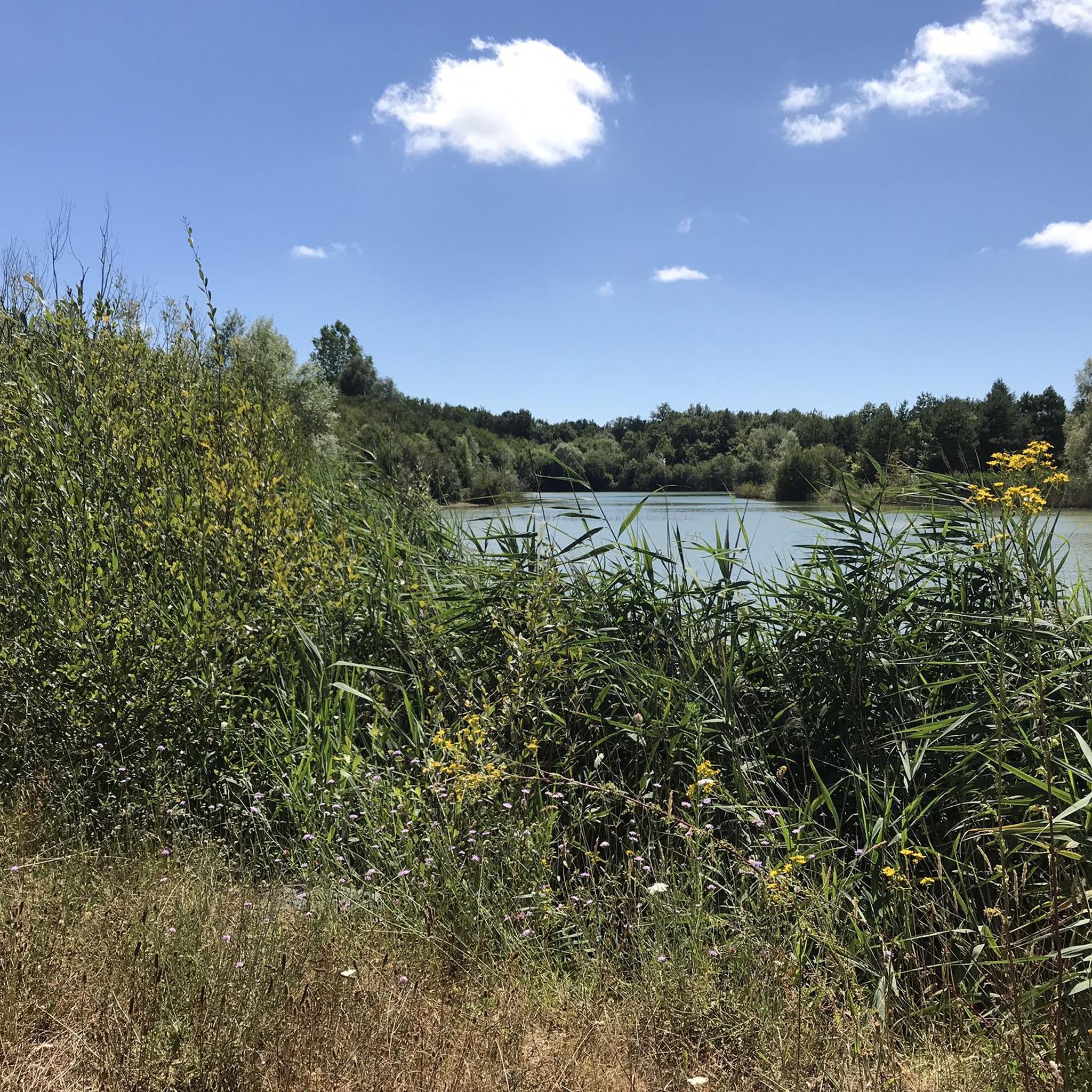
Super nice guinguette to have a coffee or even eat. The setting is incomparable on the small island.
0
0

In the Middle Ages, Tonnay-Boutonne was a fortified town of which today only one vestige remains: the Porte Saint-Pierre, named after the parish. Two other gates also existed, and the small city also had a port, a lock and a mill. At the heart of the ramparts stood a keep 20m high and 13m side with walls 3m thick. But it was razed in 1839 by the last owner who sold the stones to pay his debts, and the rubble was spread all around raising the level of the streets by 1.50 to 2m and filling the cellars of the village.
0
0

The church of the village of Vandré dates from the 13th century, the ced5 of the transition from Romanesque to Gothic.
0
0
The Romanesque Église Saint-Pierre de Puyrolland is situated on the outskirts of town on a hill, from where you have a wonderful view over the surrounding countryside.
0
0
The Porte Saint-Pierre is a well-preserved city gate from the 14th century.
0
0
A simple 12th century Romanesque church. There isn't much of a rush here, so you can enjoy the soothing tranquility for a few minutes.
0
1

In this small town, you can admire the Saint-Pierre gate dating from the Middle Ages. Alongside the buildings that bear witness to the importance of the city over the centuries, Tonnay-Boutonne has remarkable natural spaces. The banks of the Boutonne are an invitation to walk and relax.
0
0
12th century church in ruins. A second small church was built within the walls of the first.
1
0
Frequently Asked Questions
What historical and cultural sites can I explore in Saint-Crépin?
Saint-Crépin is rich in history. You can visit the Old Church (Église Saint-Crépin-et-Saint-Crépinien), a classified historical monument dating back to the 15th century, featuring Gallo-Roman art and ancient tombs. The village also has several chapels, including Saint-Michel and Saint-François-Régis. Don't miss the distinctive 'snail-shaped' village layout with its medieval houses and remnants of ramparts, offering a glimpse into its past.
Are there any notable churches to visit in the area?
Yes, the region features several historically significant churches. Beyond the Old Church in Saint-Crépin, you can visit Saint Peter's Church, a 12th-century Romanesque structure offering beautiful landscape views. Another option is Saint-Vivien Church of Vandré, a 13th-century church showcasing the transition from Romanesque to Gothic styles, and the tranquil Notre-Dame Church of Genouillé, a simple 12th-century Romanesque church.
What natural attractions are there around Saint-Crépin?
Saint-Crépin is an excellent base for nature lovers. It's situated on the edge of the Regional Natural Park of Queyras, home to the impressive Gorges du Guil. The Durance River offers opportunities for water activities, and you can explore the unique geology of the Pink Marble Quarry and Barrachin Site. Other natural wonders include the Col d'Izoard with its breathtaking views, Lauzet Lake, and the distinctive Fairy Chimneys.
Are there family-friendly activities or attractions in Saint-Crépin?
Families can enjoy several spots. The La P'tite Table de Bel Ébat cafe and restaurant offers a unique setting on a small island, perfect for a relaxed meal. The La Fontanelle Wind Farm provides an interesting viewpoint amidst a beautiful landscape, which can be an engaging visit for all ages.
Where can I find unique geological features near Saint-Crépin?
For unique geological insights, explore the Pink Marble Quarry and the Barrachin Site. These locations offer a chance to see the region's distinctive rock formations and are great for walking or cycling. Additionally, the area is known for its fascinating Fairy Chimneys, which are natural rock pillars formed by erosion.
What kind of outdoor activities can I do near Saint-Crépin?
The area around Saint-Crépin is ideal for various outdoor activities. You can find numerous routes for mountain biking, cycling, and gravel biking. For detailed routes and guides, check out the MTB Trails around Saint-Crépin, Cycling around Saint-Crépin, and Gravel biking around Saint-Crépin guides. The Aerodrome of Mont-Dauphin - Saint-Crépin is also a European gliding center, offering opportunities for gliding and hang-gliding.
Are there any scenic viewpoints or panoramic spots?
Absolutely. From Saint Peter's Church, you can enjoy wonderful views over the surrounding countryside. The Col d'Izoard, a renowned mountain pass, offers challenging climbs and breathtaking panoramic views of the Alps. The La Fontanelle Wind Farm also serves as a viewpoint amidst a picturesque landscape.
What is the 'snail-shaped' village layout of Saint-Crépin?
Saint-Crépin is uniquely characterized by its 'snail-shaped' village layout. The village spirals around its central church, with houses, some dating back to medieval times, still protected by remnants of ramparts. Exploring its sloping alleys reveals sculpted stonework, including pieces made from local 'pink marble' featuring motifs like grapevines, offering a charming historical walk.
What are some lesser-known historical sites or 'hidden gems' in the area?
Beyond the main attractions, you can discover the ruins of Saint-Crépin Castle, a 13th-century castrum destroyed in the 16th century, offering a glimpse into the village's feudal past. The various chapels scattered throughout the village and its hamlets, such as Saint-Michel and Saint-François-Régis, also provide quiet historical interest.
What do visitors particularly enjoy about the attractions around Saint-Crépin?
Visitors appreciate the blend of historical charm and natural beauty. The tranquil settings of the ancient churches, like the 12th-century Notre-Dame Church of Genouillé, are often highlighted. The unique atmosphere of places like La P'tite Table de Bel Ébat, with its incomparable setting on a small island, also receives positive feedback for its charm and relaxation.
Are there any specific hiking trails or paths of historical interest?
Yes, the Path of Thurifer is an old mule track connecting the village to the hamlet of Guions. It's notable for its interesting elevations and remarkable specimens of rare juniper thuriferous, some over 1000 years old, making it a hike with both natural and historical significance.
What are some nearby towns or attractions worth visiting for a day trip?
For those looking to explore further, the fortified town of Mont-Dauphin, a UNESCO World Heritage site, is a must-see. You can also visit the silver mines in L'Argentière-la-Bessée for a historical industrial experience, or explore the historic center of Embrun.
Most popular routes around Saint-Crépin

Get inspired with the komoot mobile app


Explore more
Still not found the Highlight you’re looking for? See guides of the top attractions in other regions:
