Attractions and Places To See around L'Épine - Top 20
Best attractions and places to see around L'Épine, located on the Île de Noirmoutier, include a variety of natural and historical sites. This area is characterized by its coastal landscapes, salt marshes, and charming village atmosphere. Visitors can explore beaches, historical castles, and unique natural features. The region offers diverse points of interest for those seeking outdoor activities and cultural experiences.
Best attractions and places to see around L'Épine
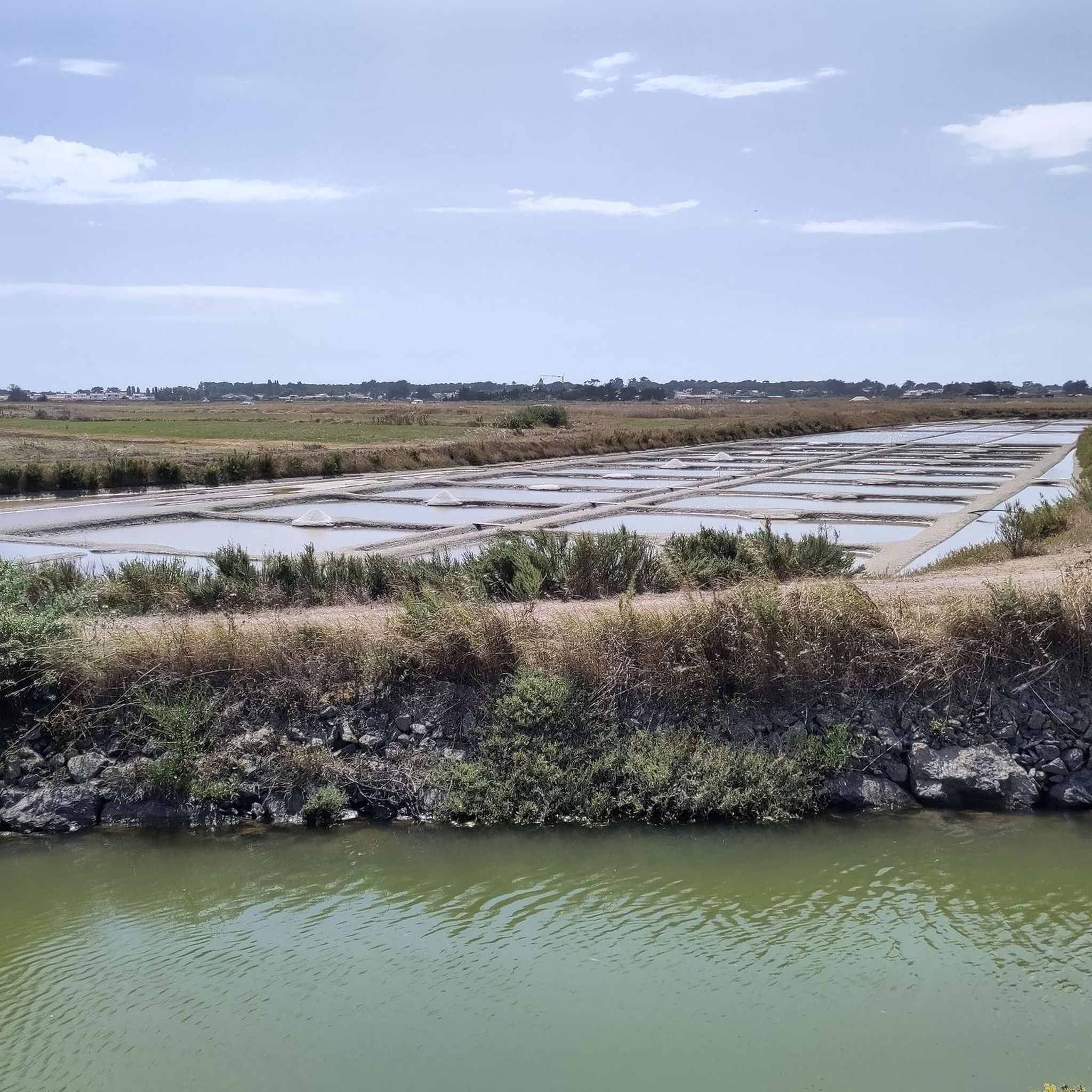
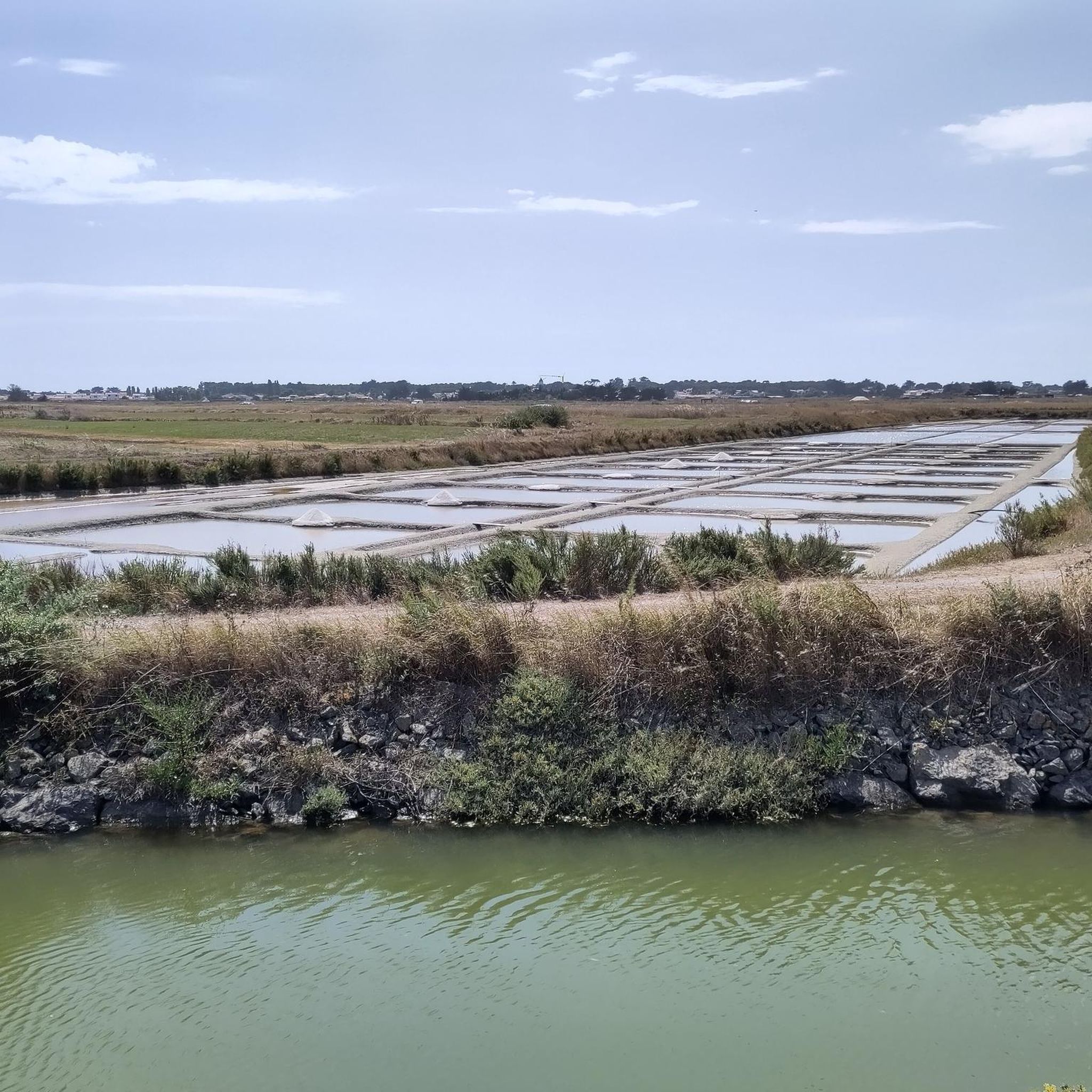
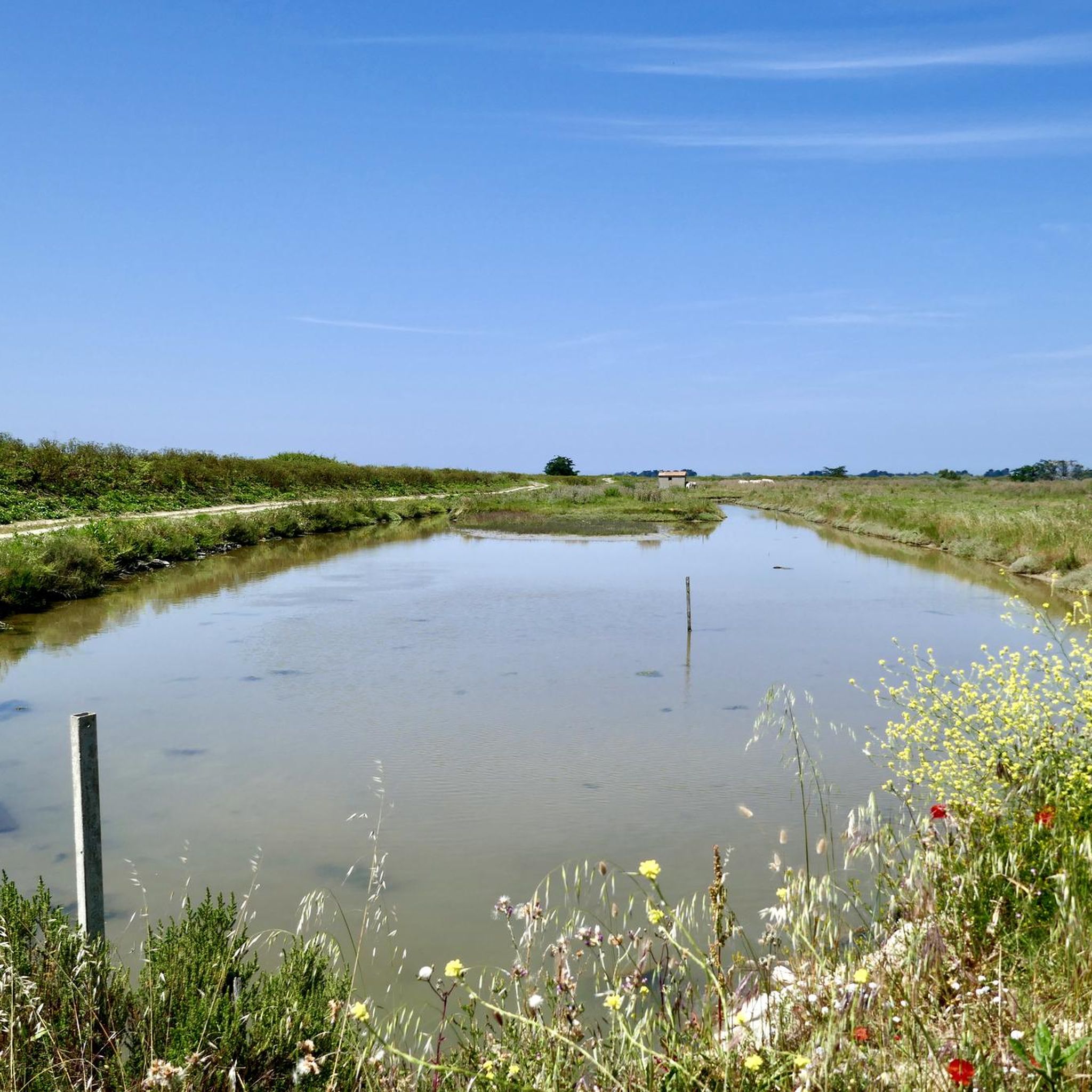
- The most popular attractions is Salines on the Île de Noirmoutier…
Last updated: October 10, 2026
Plage des Dames
Highlight • Beach
Translated by Google •
Tip by

Noirmoutier Castle
Highlight • Castle
Please note: dogs are not allowed inside.
Translated by Google •
Tip by

Sign up now to discover places like this
Get recommendations on the best single tracks, peaks, & plenty of other exciting outdoor places.
Salines on the Île de Noirmoutier
Highlight • Other
Translated by Google •
Tip by

Passage du Gois
Highlight • Structure
Translated by Google •
Tip by

Saint-Philbert Church
Highlight • Religious Site
Translated by Google •
Tip by

Sign up for free to discover even more attractions around L'Épine.
Already have an account?
Start today with a free account
Your next adventure awaits.

Tips from the Community

The Château de Noirmoutier is a castle on the Île de Noirmoutier in the Vendée département of France. It dominates the town of Noirmoutier-en-l'Île with its almost 20-metre-high (66 ft) keep. The castle is very well preserved and a fine example of 12th-century medieval architecture. The first traces of the castle appeared in 830 with the construction of a castrum by the abbot Hilbold, from the monastery of Saint-Philbert. It served to defend the monks and the island's population from the Vikings. The castle was rebuilt in stone in the 12th century by the feudal power who was trying to stabilise the region, notably by preventing Norman pillaging. The island at that time was under the control of the barons of La Garnache. The keep was built by Pierre IV of La Garnache, then an enclosure equipped with towers was built around the lower courtyard. In the 16th century, the castle was held by the La Trémoille family, then viscounts of Thouars. The castle resisted numerous attacks: the English in 1342 and 1360, and again in 1386 under the command of the Earl of Arundel the Spanish in 1524 and 1588 but in 1674, it was taken by the Dutch troops of Admiral Cornelis Tromp. The castle was sold in 1720 to Louis IV Henri de Bourbon-Condé, who resold it in 1767 to Louis XV. During the French Revolution, the castle was used as a military prison. During the 19th century, it was used as a barracks. In 1871, during the Paris Commune, insurgents were imprisoned there. The castle was used to intern German nationals during the First World War. In 1690, a house was built within the castle grounds by the governor of the island and the castle. Today, the keep houses the Noirmoutier Museum. The keep at the centre of the castle is solid and rectangular. Built of rubble, it has three floors, with the lords' residence at the top. The keep has numerous murder holes and defensive turrets at the corners. The rectangular fortification consists of two towers, a single gate and two watch turrets in the four corners. At the beginning of the 18th century, the towers were reconstructed and the keep adapted for artillery. Property of the commune, the Château de Noirmoutier is listed as a monument historique by the French Ministry of Culture. https://en.wikipedia.org/wiki/Ch%C3%A2teau_de_Noirmoutier
0
0

Beautiful beach and good restaurant.
0
0

The Église Saint-Philbert in Noirmoutier was built on the remains of an abbey dating to 674. Most of the building dates from the 11th century and was later expanded. The crypt beneath the choir is the only original surviving piece. An empty sarcophagus stands there, as the relics of Saint Philibert were removed in the 9th century. The Neo-Romanesque tower, built in 1875, replaced a burnt-down predecessor. Inside are Baroque retables, a painting from 1852, and a votive ship model from 1802. The stained-glass windows depict scenes from Philibert's life.
0
0
Open to traffic 1.5 hours before low tide and until 1.5 hours after low tide. https://www.horaire-maree.fr/maree/Passage%20du%20gois/
1
0

When the sea recedes, it reveals a spectacular road here.
0
0

great walk to do in Noirmoutier, beach and forest
0
0

The place not to be missed when visiting the island. An air of the end of the world at high tide, a real experience at low tide. The crossing by bike is nice, despite the algae, the slippery cobblestones and the many cars in summer.
3
0

Beautiful church dating from the end of the 11th century.
0
0
Frequently Asked Questions
What natural attractions can I explore around L'Épine?
L'Épine, located on the Île de Noirmoutier, offers a variety of natural attractions. You can visit the Salines on the Île de Noirmoutier, where traditional salt harvesting takes place. The island also features the Bois des Eloux, a forest with maritime pines perfect for walks, and the Marais de Müllembourg, a natural reserve known for its wildlife. Don't miss the unique Passage du Gois, a submersible causeway linking the island to the mainland, accessible only at low tide.
Are there historical sites to visit in L'Épine?
Yes, L'Épine and its surroundings offer rich historical sites. The most prominent is Noirmoutier Castle, a medieval fortress that has served various roles throughout history, including a military prison, and now houses a museum. You can also visit Saint-Philbert Church, which features a crypt with the tomb of Sts. Philbert.
What activities are suitable for families with children around L'Épine?
L'Épine is very family-friendly. Children will enjoy the shallow waters of Plage de l'Épine and Plage des Dames. Exploring the Salines on the Île de Noirmoutier offers an educational experience about traditional salt production. The Noirmoutier Castle provides an engaging historical tour, and L'Île aux Papillons (Butterfly Island) is France's largest butterfly greenhouse, offering a magical experience for all ages.
Can I go cycling around L'Épine?
Absolutely! The Île de Noirmoutier is excellent for cycling, with many family-friendly paths. You can find various routes, including easy road cycling tours like the 'Ladies' Beach – Plage des Dames loop from L'Épine' (21 km) or mountain biking routes such as the 'Salt marshes – Port de l'Herbaudière loop from Noirmoutier-en-l'Île' (15 km). For more options, check out the Road Cycling Routes around L'Épine and MTB Trails around L'Épine guides.
Are there hiking opportunities near L'Épine?
Yes, L'Épine offers several hiking opportunities, ranging from easy strolls to moderate trails. You can explore the Bois des Eloux, which has beautiful walks through woods and marshes. Popular routes include the 'Chemin de Mer et de Marais — loop around the Île de Noirmoutier' (12.8 km, moderate) or the 'Eloux Wood – La Guérinière Beach loop from L'Épine' (10.1 km, moderate). For a comprehensive list of trails, refer to the Hiking around L'Épine guide.
What kind of beaches can I find near L'Épine?
L'Épine is known for its beautiful coastal areas. Plage des Dames is a popular choice, known for scenic walks and its significance on the island. Plage de l'Épine stretches over 3 km, revealing shellfish-rich sand pits at low tide, and its serene, shallow waters make it ideal for families.
What do visitors particularly enjoy about the attractions in L'Épine?
Visitors frequently praise the natural beauty and unique experiences. The Salines on the Île de Noirmoutier are appreciated for their ancestral salt harvesting methods. Plage des Dames is often described as a 'must' for its beauty. The Passage du Gois is highlighted as an extraordinary experience, especially at low tide, offering an 'air of the end of the world' at high tide.
Are there any unique local experiences related to the region's natural resources?
Yes, the traditional salt production at the Salines on the Île de Noirmoutier is a unique local experience. Here, 100% natural salt is harvested using ancestral methods, showcasing the island's deep connection to its natural environment and traditional craftsmanship.
Where can I see wildlife or enjoy nature walks around L'Épine?
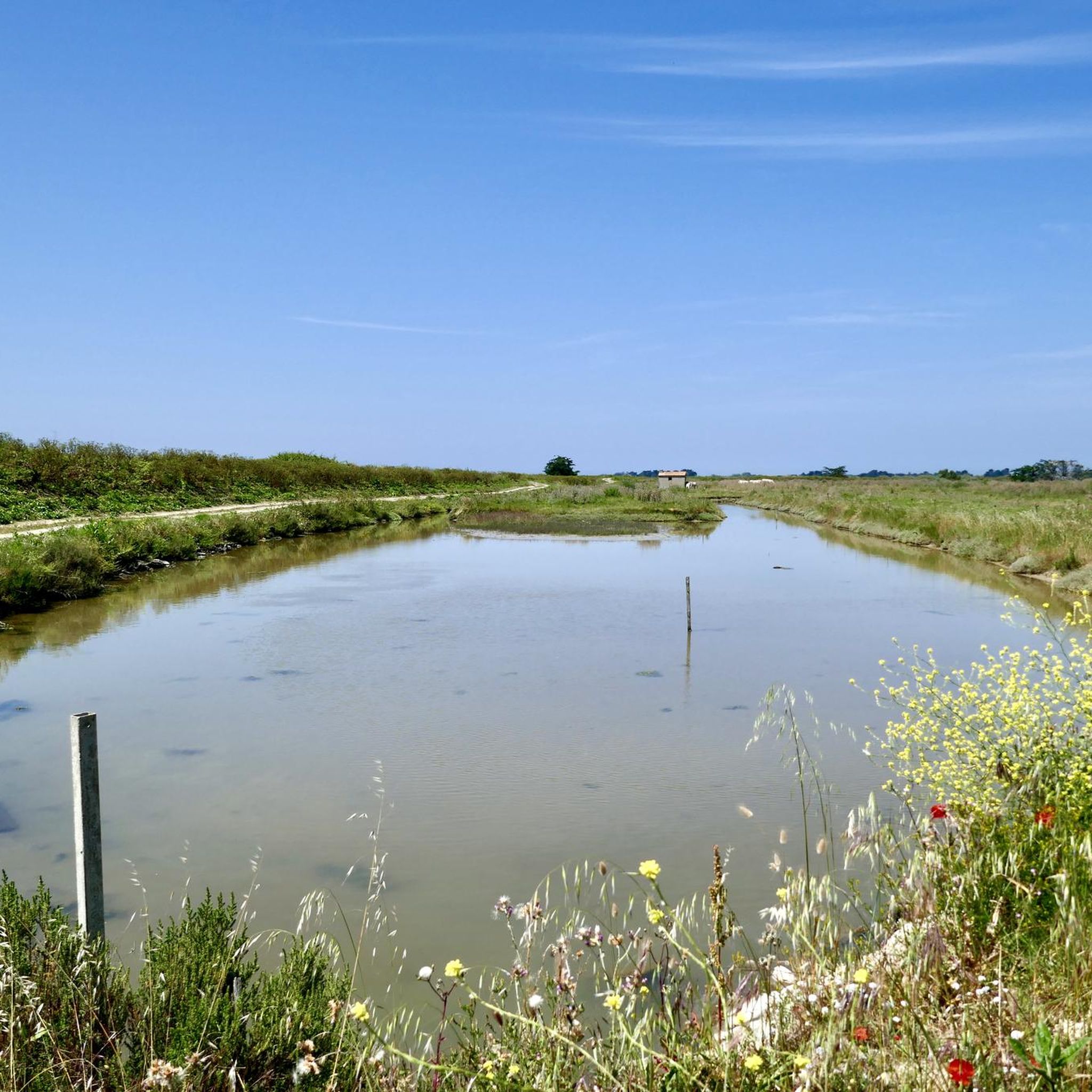
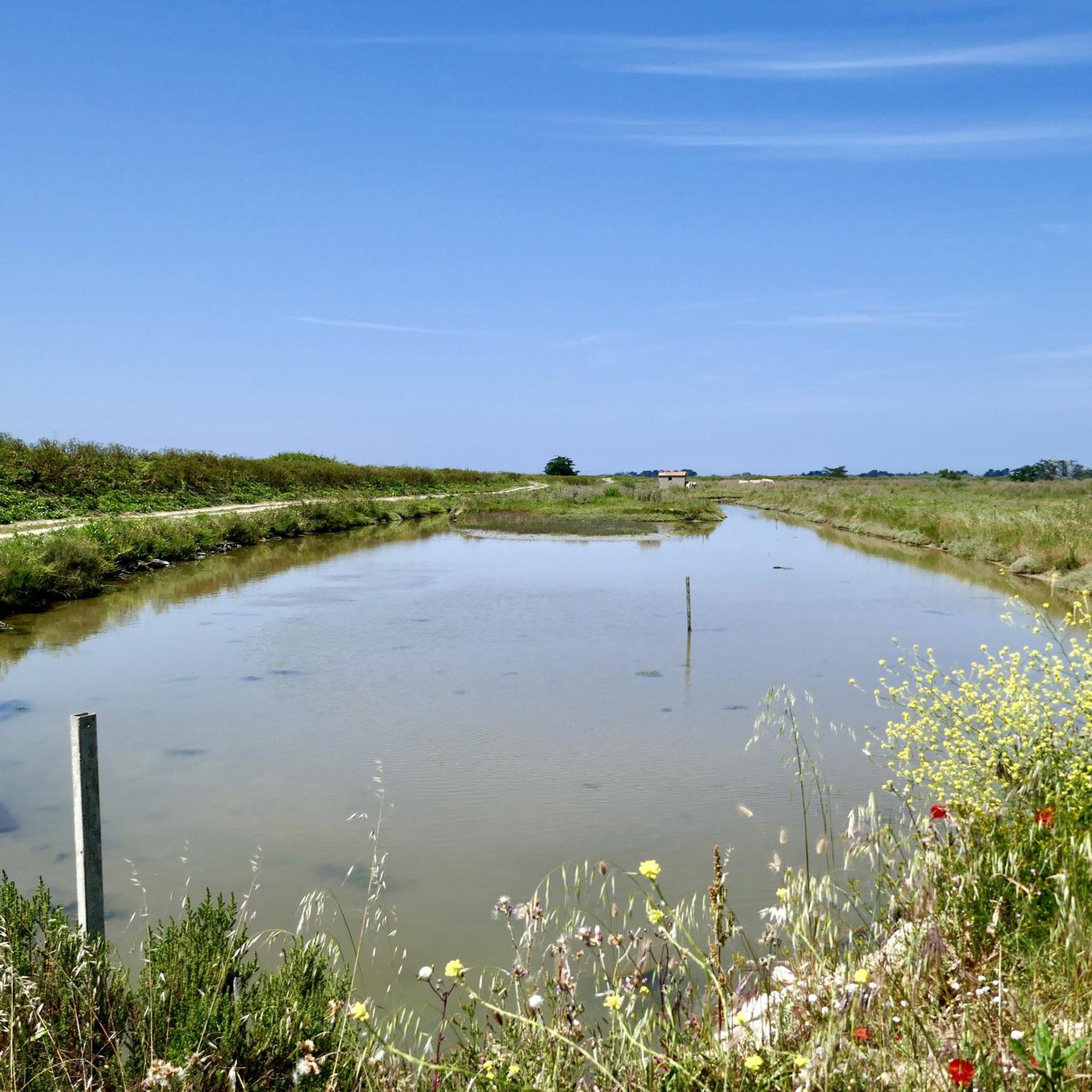
For wildlife viewing and peaceful nature walks, head to the Marais de Müllembourg, a natural reserve offering stunning views and a wide range of wildlife. The Bois des Eloux also provides beautiful walks through maritime pines and marshes, reaching the island's highest point at 23 meters above sea level.
What are some lesser-known spots or 'hidden gems' around L'Épine?
Beyond the main attractions, consider exploring the Morin Port, which offers a scenic spot with fishing boats and yachts at the tip of the bay. The Bois des Eloux provides tranquil forest walks away from the crowds, and the Marais de Müllembourg offers a peaceful natural reserve experience with abundant wildlife.
Is L'Épine suitable for a longer outdoor trip?
Yes, L'Épine and the Île de Noirmoutier are ideal for extended outdoor trips. With diverse options for hiking, road cycling, and mountain biking, along with numerous natural and historical sites, you can easily fill several days with activities. The island's coastal landscapes, salt marshes, and charming villages provide a rich backdrop for exploration.
What is the best time to visit L'Épine for outdoor activities?
The Pays de la Loire region, where L'Épine is located, generally enjoys pleasant weather from spring through early autumn. Summer offers warm temperatures ideal for beach activities and cycling, while spring and autumn provide milder conditions perfect for hiking and exploring the natural reserves without the peak season crowds.
Most popular routes around L'Épine
Most popular attractions around L'Épine

Get inspired with the komoot mobile app


Explore more
Still not found the Highlight you’re looking for? See guides of the top attractions in other regions:
