Attractions and Places To See around Stains - Top 20
Best attractions and places to see around Stains include a blend of historical landmarks, cultural sites, and expansive green spaces in the northern suburbs of Paris, France. The area features planned architectural heritage like the Cité-jardin de Stains and extensive natural areas such as Parc Georges Valbon. It offers opportunities to explore local history and diverse landscapes. Stains provides a variety of experiences for those interested in both urban and natural environments.
Best attractions and places to see around Stains
…Last updated: October 5, 2026
Basilica Sacré Coeur
Highlight • Historical Site
Special features of the basilica:
1. Ceiling mosaic above the altar
2. The …
Translated by Google •
Tip by

Montmartre
Highlight • Other
Tip by

Sign up now to discover places like this
Get recommendations on the best single tracks, peaks, & plenty of other exciting outdoor places.
Concorde Bridge
Highlight • Other
Translated by Google •
Tip by

Place de la Concorde
Highlight • Historical Site
Translated by Google •
Tip by

Canal de L'ourcq
Highlight (Segment) • Trail
Translated by Google •
Tip by

Sign up for free to discover even more attractions around Stains.
Already have an account?
Start today with a free account
Your next adventure awaits.

Tips from the Community

Famous bridge with a breathtaking view.
0
0

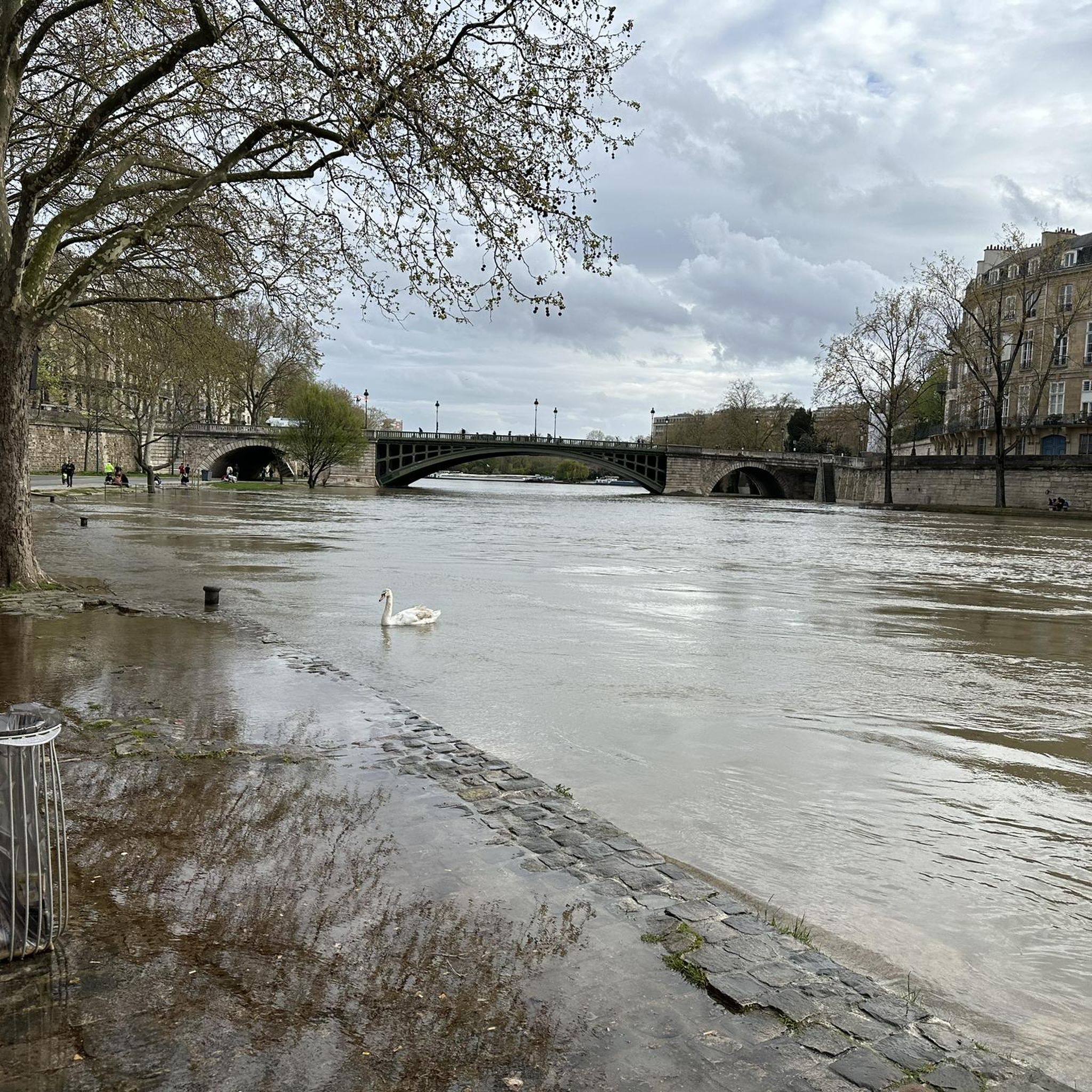
The Pont de la Concorde is a bridge over the Seine in Paris, France. It connects the Place de la Concorde and the Quai des Tuileries with the Quai d’Orsay, running directly towards the Palais Bourbon, the seat of the Assemblée Nationale, the French National Assembly.
6
0

The Pont de la Concorde, located in Paris, is a masterpiece of neoclassical architecture that spans the Seine, connecting the Champs-Élysées district to the Place de la Concorde. Built between 1787 and 1791, it is the work of the architect Jean-Rodolphe Perronet. Architectural Features Dimensions: The bridge is approximately 330 meters long and 22 meters wide. Columns: It is decorated with six 16-meter-high Corinthian columns, divided into three groups on each bank, which add a classical majesty to the whole. Statues: The bridge is decorated with allegorical statues representing the main French cities of the time: Marseille, Lyon, Bordeaux, Nantes, Lille, and Rouen. These sculptures, created by artists such as Jacques-Antoine Granet, are integrated into the bridge's piers. Historical Significance Context of Construction: Its construction was part of a project to modernize Parisian infrastructure during the reign of Louis XVI, aimed at beautifying the city and facilitating transportation. Historical Events: The bridge played an important role during the events of the French Revolution, particularly as a witness to the period of political turbulence. It has also served as a setting for various public demonstrations and celebrations over the years. Functionality Traffic: Today, the Pont de la Concorde remains a nerve center in Paris's transportation network, welcoming significant flows of vehicles and pedestrians. Panoramic View: It offers breathtaking views of several Parisian monuments, including the National Assembly, Les Invalides, and the Louvre, as well as the Seine and its quays. The Pont de la Concorde is not only a key element of Parisian architectural heritage but also a symbol of the grandeur of the French capital, combining aesthetic beauty and practical function.
2
1

Located at the eastern end of the Champs-Élysées, Place de la Concorde is an emblematic site of Paris. In its center there is an obelisk from ancient Egypt placed here in the 19th century. The square is a great place to take a break to enjoy the green spaces and views of the city.
3
2


Between Concorde and the National Assembly, this bridge offers a superb view of the Eiffel Tower.
6
0

The Bridge of Concorde (French: le Pont de la Concorde) is a Parisian bridge located over the River Seine. It unites the VII and VIII Districts of the city. Throughout its history it has used different names: Louis XVI Bridge, Revolution Bridge and definitely Concorde Bridge (since 1830). It was registered as a historical monument in 1975.
17
1

One of the best places to cross during the sunset hour with a great view over the Seine.
5
2
Frequently Asked Questions
What historical landmarks can I explore in Stains?
Stains offers several historical landmarks. You can visit the Église Saint-Pierre-Saint-Paul, a beautiful neo-Gothic church from the 19th century, or the Notre-Dame-de-l'Assomption church, parts of which date back to the 16th century. The Hôtel de Ville is also notable, housed in the former stable block of an 18th-century château. For a glimpse into the past, explore Le Vieux Pays (Old Town).
Are there any notable cultural sites or museums in Stains?
Yes, Stains has several cultural sites. The Musée d'Art et d'Histoire de Stains showcases contemporary art and historical artifacts. You can also experience performances at the Studio Théâtre de Stains, known for its contemporary creations, or visit the Centre Culturel André Malraux for various cultural activities. The Louis-Aragon multimedia library is a hub for literature and visual arts.
Where can I experience nature and green spaces in Stains?
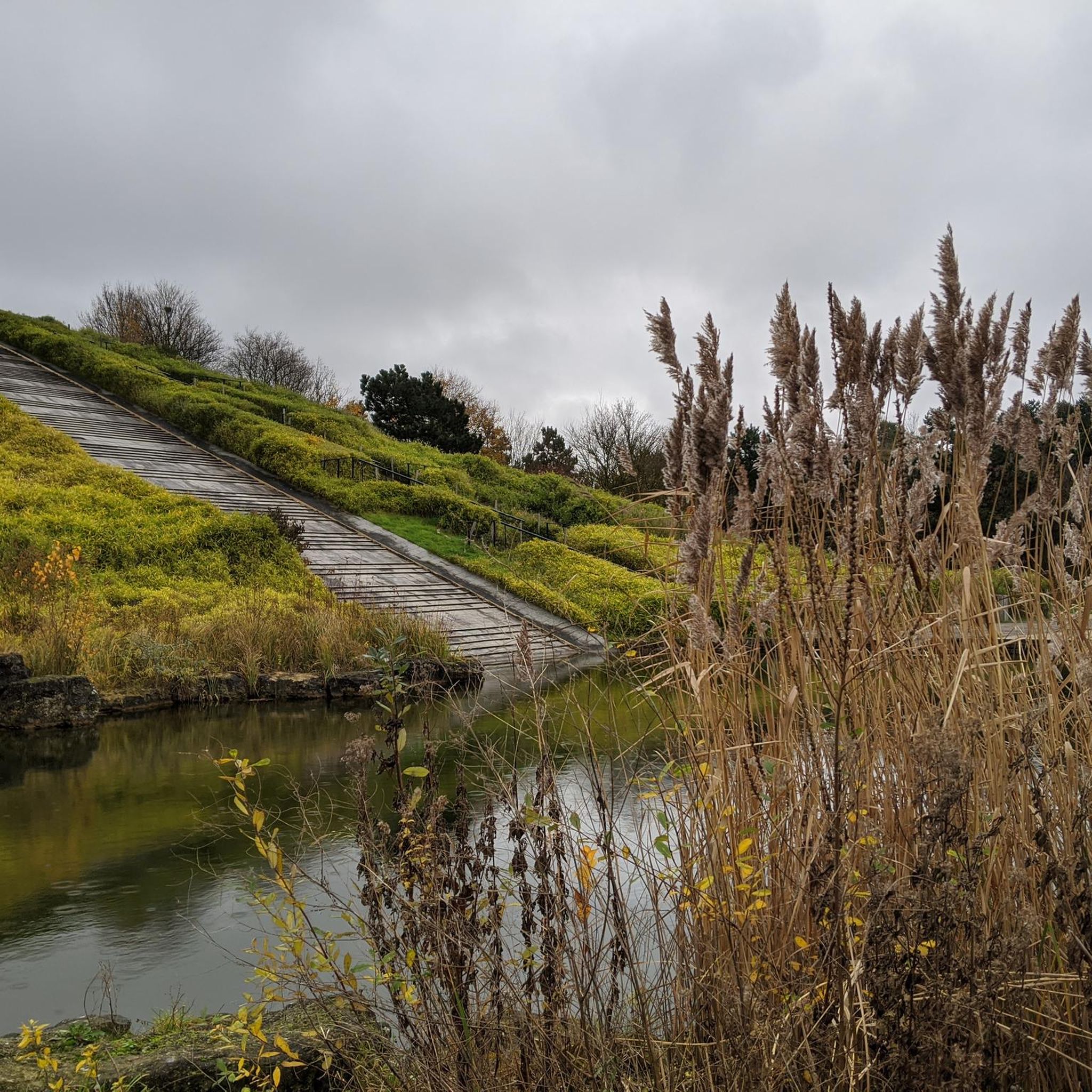
For nature and green spaces, Stains is home to the expansive Parc Georges Valbon, the largest park in Seine-Saint-Denis, offering vast green spaces, walking trails, and a lake. The nearby Parc de la Courneuve also provides extensive recreational opportunities. Additionally, Stains is known for its numerous working gardens throughout the town.
What kind of outdoor activities or trails are available near Stains?
Near Stains, you can enjoy various outdoor activities, especially hiking and cycling. For hiking, consider routes like the 'Parc Georges Valbon – A natural interlude loop' which has easy to moderate options. Cyclists can explore routes such as the 'Church of Juilly – Nantouillet Castle loop' for road cycling or the 'George Valbon - The Cascades loop' for touring. You can find more details on these and other routes on the hiking guide, road cycling guide, and cycling guide for Stains.
Are there family-friendly attractions in Stains?
While the provided highlights are primarily in Paris, Stains itself offers family-friendly green spaces like Parc Georges Valbon and Parc de la Courneuve, which are ideal for leisurely strolls and outdoor activities. The Cité-jardin de Stains, with its unique architecture and planned green spaces, can also be an interesting visit for families.
What is the Cité-jardin de Stains, and can I visit it?
The Cité-jardin de Stains (Garden City of Stains) is a historically significant urban development built in the 1920s and 1930s, renowned for its charming brick homes and carefully planned green spaces. It is considered an architectural reference. Yes, you can visit it; walking tours are available year-round, and the 'Mémoires de Cité-Jardin' offers a permanent exhibition on its heritage.
What are the options for public transport to attractions in Stains?
Stains is well-connected within the northern suburbs of Paris. While specific routes depend on your starting point, the city's public transport network, including buses and RER lines, provides access to its main attractions and green spaces like Parc Georges Valbon. For detailed planning, it's best to consult local transport maps or apps.
Are there any unique local experiences or events in Stains?
To immerse yourself in local culture, visit the vibrant Marché de Stains for fresh produce and local delicacies. You can also discover the diverse street art adorning many buildings. If you visit in early September, you might catch La Fête de l'Huma, a popular annual festival celebrating music, culture, and politics.
What is the best time of year to visit Stains for outdoor activities?
The best time of year for outdoor activities in Stains, particularly for exploring its parks and garden city, is generally during spring (April to June) and early autumn (September to October). During these months, the weather is pleasant, making it ideal for walking tours, hiking, and cycling without the intense heat of summer or the chill of winter.
Are there dog-friendly places or walks in Stains?
Many of Stains' green spaces, such as Parc Georges Valbon and Parc de la Courneuve, are generally dog-friendly, offering ample space for walks. However, it's always advisable to check specific park regulations regarding leash requirements and designated off-leash areas upon arrival.
Can I find cafes or places to eat near Stains' attractions?
Yes, Stains has local cafes and eateries where you can take a break. While specific recommendations depend on the attraction you're visiting, the town center and areas around cultural sites often have options for refreshments and meals. Exploring the local markets can also provide opportunities for fresh produce and local treats.
What are some easy walks near Stains?
For easy walks near Stains, consider exploring the trails within Parc Georges Valbon. There are several routes, including the 'Parc Georges Valbon – A natural interlude loop from Clos-Saint-Lazare,' which is rated as easy and covers about 7.5 km. The planned green spaces of the Cité-jardin de Stains also offer pleasant, easy strolls.
What are some popular attractions located a short distance from Stains?
Beyond Stains, you can easily access significant attractions. The Basilica of Saint-Denis, the burial place of French kings and queens, is a short distance away. For sports enthusiasts, the Stade de France is also nearby. Further into Paris, popular sites include the Basilica Sacré Coeur and the vibrant district of Montmartre.
Most popular attractions around Stains

Get inspired with the komoot mobile app


Explore more
Still not found the Highlight you’re looking for? See guides of the top attractions in other regions:
