Attractions and Places To See around Cheux - Top 18
Best attractions and places to see around Cheux, a former commune in the Calvados department of Normandy, France, offers access to significant historical and natural sites. The area is characterized by its proximity to World War II battlefields and historical cities like Caen and Bayeux. Cheux itself features local landmarks such as the Eglise Saint-Vigor de Cheux and the St. Manvieu War Cemetery. Its location provides a base for exploring Normandy's diverse landscapes and cultural heritage.
Best attractions and places…
Last updated: July 1, 2026
Men's Abbey (Saint Stephen), Caen
Highlight • Religious Site
Translated by Google •
Tip by

Lou by Jaume Plensa
Highlight • Monument
=> “Laurelle” in Bonn (North Rhine-Westphalia, Germany)
Translated by Google •
Tip by

Sign up now to discover places like this
Get recommendations on the best single tracks, peaks, & plenty of other exciting outdoor places.
Sign up for free
Town Hall
Highlight • Historical Site
Tip by

Lantheuil Castle
Highlight • Castle
Translated by Google •
Tip by

Louvigny Hiking
Highlight • Other
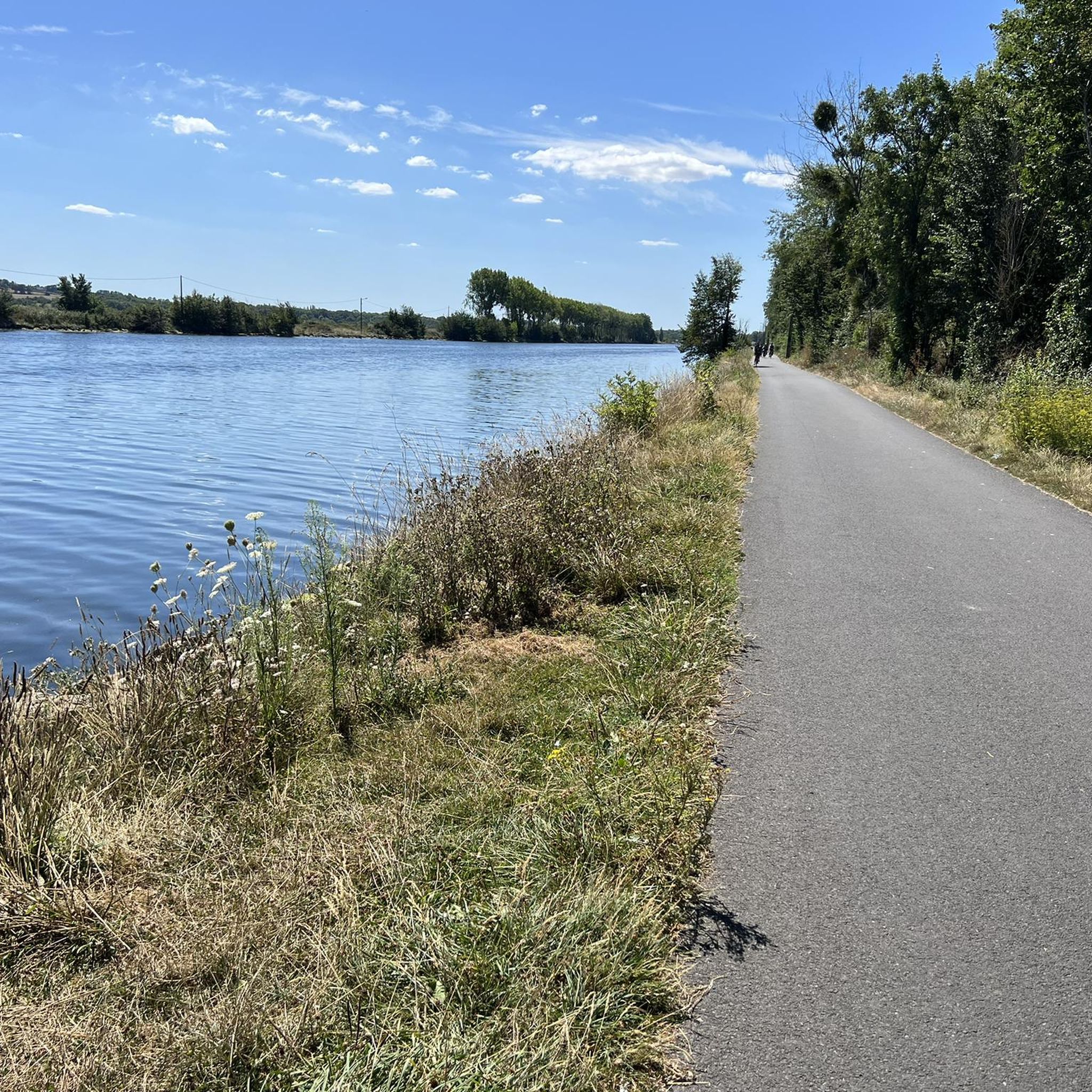
10 KLM route which leads to the edge of Fontaine Etoupefour, passing through Bretteville-sur-Odon departing from Louvigny. Greenway built on …
Translated by Google •
Tip by

Sign up for free to discover even more attractions around Cheux.
Sign up for free
Already have an account?
Start today with a free account
Your next adventure awaits.
Login or Signup



Tips from the Community

Totally impressive. You should stop by.
0
0

Caen, first mentioned in documents in 1027, experienced rapid urban development in the 11th century. It was called a burgus (bourg), was the centre of an extensive ducal domain, lay at the crossroads of important roads and had markets and a port. It first developed as an important city in the Duchy of Normandy under William the Conqueror. He had a strong fortress built in Caen and around 1059 an abbey for women (Abbaye aux dames) and one for men (Abbaye aux hommes), in which he was also buried. Later, during the Huguenot Wars (1562), his grave was destroyed and his bones were lost. William's gravestone can still be seen in the church today. He had the monasteries built to atone for his marriage to his cousin Mathilde, which was disapproved of by the Pope. Both monasteries are among the most important monuments in Normandy and are today – by the monks and nuns during the French Revolution
2
0
Caen is a port city and capital of the Calvados department in Normandy, northern France. At its centre is the Château de Caen, a castle built around 1060 by William the Conqueror. It is located on a hill surrounded by the Romanesque abbey churches of Saint-Étienne and Sainte-Trinité, which date from the same period. The multimedia museum Le Mémorial is dedicated to the Second World War and the invasion of Normandy in 1944.
2
0

Some other impressive testimonies to the artistic work of Jaume PLENSA (born 1955) can be found in the following places and are also documented here in the komoot system as hiking highlights: => “Laurelle” in Bonn (North Rhine-Westphalia, Germany) see https://www.komoot.com/de-de/highlight/6685486 => “Seele?” in Erkrath (Mettmann district, North Rhine-Westphalia, Germany) see https://www.komoot.com/de-de/highlight/4183261 => “Love” in Leeuwarden (Friesland, Netherlands) see https://www.komoot.com/de-de/highlight/3906357 => “Sanna” in Bordeaux (New Aquitaine, France) see https://www.komoot.com/de-de/highlight/5784432 => “Julia” in Madrid (Spain) see https://www.komoot.com/de-de/highlight/6131314 The following two groups of figures by the artist offer a different perspective: => “Air-Earth” in Bamberg (Bavaria, Germany) see https://www.komoot.com/de-de/highlight/2559580 => “Seven Poets” in Andorra la Vella (Andorra) see https://www.komoot.com/de-de/highlight/4741064
1
1

The former Benedictine abbey with the monastery church of Saint-Étienne was founded by William the Conqueror in Caen, built from 1060 onwards, but probably not completed until after 1090. From 1120/25 onwards, six-part cross-ribbed vaults were installed in the originally flat-roofed building, which are among the oldest in France.
5
0

Short hike: Greenway along the Petit Odon from Louvigny (Calvados). 10 KLM route which leads to the edge of Fontaine Etoupefour, passing through Bretteville-sur-Odon departing from Louvigny. Greenway built on the old railway line. This old railway line once went to Caen.
1
0

11th Century Abbey Church where William the Conqueror is buried. Definitely worth seeing.
2
0

Nice route to walk. The last part was a less good road. Lots of vegetation over the road and high nettles.
0
0
Frequently Asked Questions
What historical sites can I explore around Cheux?
Cheux is an excellent base for exploring significant historical sites. You can visit the impressive Men's Abbey (Saint Stephen) in Caen, founded by William the Conqueror. Nearby, the Lantheuil Castle, a 17th-century Louis XIII-style castle, offers a glimpse into aristocratic history. Don't miss the St. Manvieu War Cemetery, a poignant memorial to Commonwealth and German soldiers from WWII, located very close to Cheux. Further afield, the D-Day Landing Beaches, such as Omaha Beach and Arromanches, are within easy reach.
Are there any castles or grand estates to visit near Cheux?
Yes, the region boasts several notable castles. The 17th-century Lantheuil Castle, built in the style of Louis XIII, is a must-see, known for its 800-meter-long avenue of honor lined with ancient beech trees. Additionally, the medieval Chateau de Creully is located about 13 km east of Cheux.
What natural features or gardens can I visit in the Cheux area?
While Cheux itself is a small village, its surroundings offer beautiful natural spots. You can explore the Prairie and Jardin des plantes de Caen, offering green spaces and botanical beauty. The remarkable Jardins du château de Brécy are also nearby. For a more extensive natural experience, the Forêt de Cerisy, a significant forest, is about 27 km away, perfect for nature lovers.
What kind of outdoor activities can I do near Cheux?
The area around Cheux is great for various outdoor activities. You can find numerous running trails, such as the 'Running loop from Cheux' or 'Running loop from Grainville-sur-Odon'. For cyclists, there are road cycling routes like the 'Beuvron-en-Auge – Cabourg Beach loop' and gravel biking options including the 'Thaon Church – Caen loop'. You can find more details and routes in the dedicated guides for Running Trails around Cheux, Road Cycling Routes around Cheux, and Gravel biking around Cheux.
Are there family-friendly attractions around Cheux?
Yes, several attractions cater to families. The Men's Abbey (Saint Stephen) in Caen is considered family-friendly, offering an educational historical experience. The modern art installation Lou by Jaume Plensa is also a unique and impressive sight that can engage children. Additionally, Parc Festyland in Caen provides amusement park fun for all ages.
Where can I find walking or hiking trails directly in or around Cheux village?
While Cheux itself is small, there are local walking paths and trails in the immediate vicinity. The 'Louvigny Hiking' highlight mentions a short 10 km greenway along the Petit Odon from Louvigny, passing through Bretteville-sur-Odon, built on an old railway line. This offers an easy and accessible option for a local stroll. Many of the running loops also serve as excellent walking paths.
What is the best time of year to visit Cheux and the surrounding Normandy region?
The best time to visit Cheux and the wider Normandy region is generally from late spring to early autumn (May to September). During these months, the weather is typically milder and more pleasant for exploring historical sites, D-Day beaches, and enjoying outdoor activities. Summer (July-August) offers the warmest temperatures but also the largest crowds.
Are there any famous museums or cultural institutions nearby?
Absolutely. The city of Bayeux, just 18 km away, is home to the world-renowned Bayeux Tapestry Museum, a must-see for its historical significance. Caen also hosts the Caen Memorial Museum, which is dedicated to the history of the 20th century, focusing on WWII and peace.
What do visitors enjoy most about the attractions around Cheux?
Visitors particularly appreciate the rich historical context and the architectural beauty of the region. The Men's Abbey (Saint Stephen) is frequently praised for its ancestral beauty and historical significance, including William the Conqueror's burial site. The area's blend of ancient abbeys, castles, and poignant WWII memorials offers a diverse and engaging experience, as evidenced by over 230 upvotes and 170 photos shared by the komoot community.
Can I find dog-friendly walking routes near Cheux?
Many of the natural areas and greenways around Cheux are suitable for dog walking. While specific 'dog-friendly' designations aren't always explicit, local trails and paths, such as the greenway mentioned in 'Louvigny Hiking', are generally welcoming to dogs on a leash. Always ensure to follow local regulations regarding pets in public spaces and clean up after your dog.
Where can I find local viewpoints or scenic spots near Cheux?
For scenic views, the Lantheuil Castle offers a picturesque setting with its grand avenue of honor. The wider region, particularly along the coast towards Arromanches or Cabourg, provides beautiful seaside vistas. Exploring the countryside on foot or by bike will also reveal charming landscapes and local viewpoints.
Are there any charming villages or towns worth visiting close to Cheux?
Yes, several charming towns and villages are easily accessible. Bayeux, with its cathedral and tapestry, is a must-visit. Creully offers a medieval chateau. Beuvron, recognized as one of France's 'Most Beautiful Villages' and part of the Normandy Cider Route, is about 35 km east and features many half-timbered houses. Dives-sur-Mer, known as the 'Village of William the Conqueror,' is also worth exploring for its artisan shops.

Get inspired with the komoot mobile app


Explore more
Still not found the Highlight you’re looking for? See guides of the top attractions in other regions:
