Attractions and Places To See around Martres-Tolosane - Top 20
Best attractions and places to see around Martres-Tolosane include a blend of historical landmarks, cultural heritage, and natural features. This charming village in the Haute-Garonne department of France is notable for its distinctive circular layout, characteristic of a bastide town. Visitors can explore remnants of its medieval past, discover its long-standing tradition of earthenware production, and enjoy the natural beauty of the Garonne river valley.
Best attractions and places to see around Martres-Tolosane
- The most popular attractions is Château de…
Last updated: May 9, 2026
Church of Our Lady of the Assumption, Cazères
Highlight • Other
Translated by Google •
Tip by

Château de Palaminy
Highlight • Castle
Translated by Google •
Tip by

Sign up now to discover places like this
Get recommendations on the best single tracks, peaks, & plenty of other exciting outdoor places.
Sign up for free
Abbaye de Bonnefont
Highlight • Historical Site
Translated by Google •
Tip by

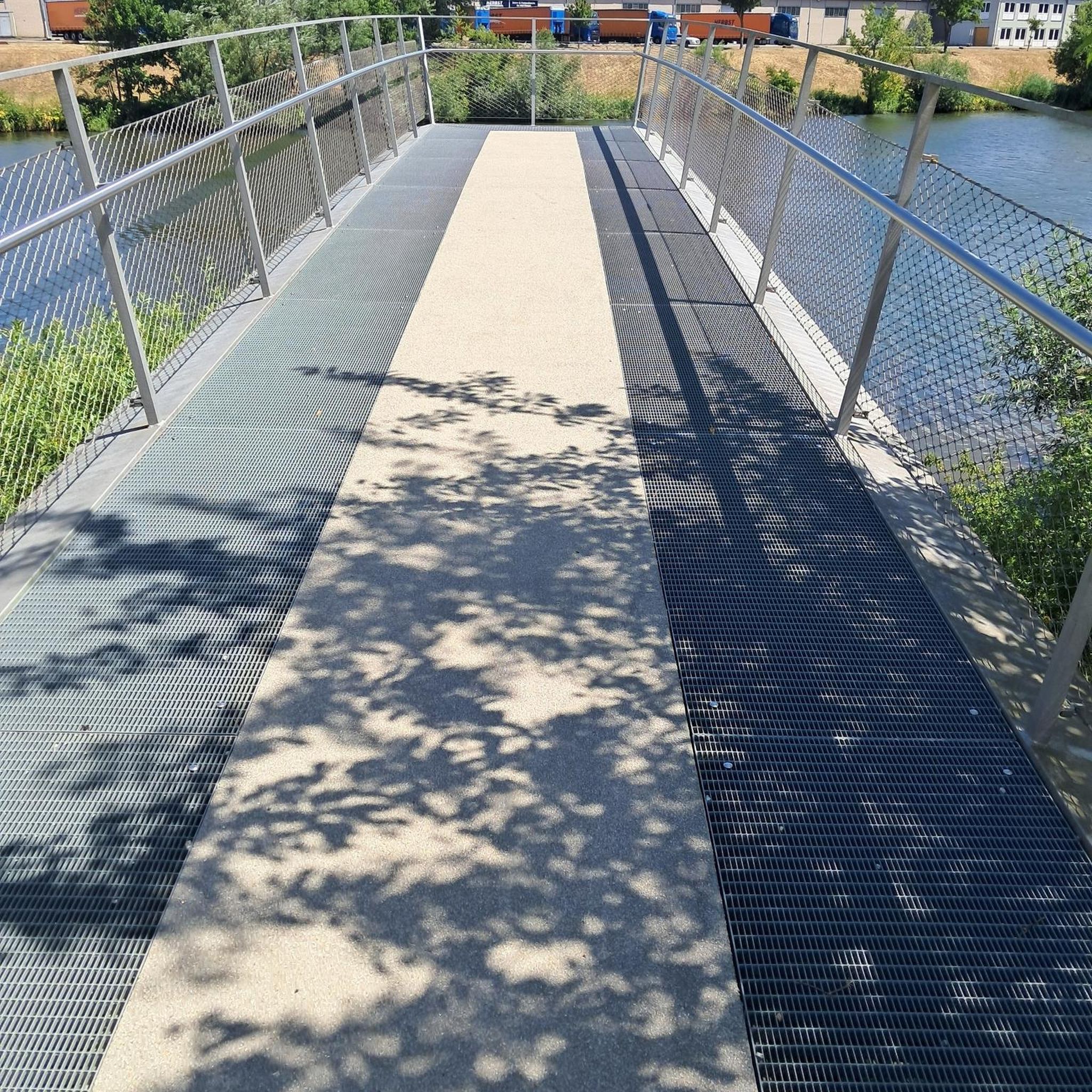
Stone Bridge and City Gates of Saint-Martory
Highlight • Bridge
Translated by Google •
Tip by
Roquefort-sur-Garonne Church
Highlight • Other
Translated by Google •
Tip by
Sign up for free to discover even more attractions around Martres-Tolosane.
Sign up for free
Already have an account?
Start today with a free account
Your next adventure awaits.
Login or Signup

Tips from the Community

A beautiful monument that catches the eye when you pass by! It would be worthwhile to learn more about its history...
0
0

Beautiful old village, worth a visit
0
0
Beautiful church in this village
0
0

Not far from the church there is a pizza distributor. An idea for a picnic ;)
0
0

Originally a small Gallo-Roman town built on the promontory of Montjoie and bordered by the Hurride and the Garonne, Cazères appears in history in the medieval period. A first church was then erected there[2]. Dependent successively on the house of Comminges then on the county of Toulouse, Cazères came under the house of Foix in the 14th century, then headed by Gaston Phœbus. During this period, the city suffered from unrest and wars which ravaged their region. This is how in 1355 the original church was destroyed by the English troops of the Black Prince[2]. At the end of the 14th century, the construction of a new church was launched, which would have the title Notre-Dame and Saint Quitterie as its patroness. In the 18th century, the church had the reputation of being the best decorated in the diocese of Rieux. During the Revolution, it was mutilated and stripped of its spiers and chapels. It was not until 1888 that its facade was restored by the architect H. d'Espouy who designed the two octagonal towers between which stands the Virgin of the Assumption.
0
0
The Château de Palaminy, a private estate, offers you the opportunity to experience an unforgettable vacation, with family or a relaxing stay with friends or work colleagues… Located in the South-West of France, 40 minutes from Toulouse-Blagnac airport, this wing of the castle offers for rental a very beautiful volume of 6 bedrooms, 5 of which have a private bathroom, completed by a large living room and an American-style kitchen.
0
0

Bonnefont-en-Comminges Abbey is a French Cistercian abbey. It is subject to registration and classification as historical monuments. To see not far from the cycle route!
0
0
Beautiful area ! Bonnefont Abbey, founded in 1136, is listed as a historical monument.
0
1
Frequently Asked Questions
What historical sites can I explore in Martres-Tolosane?
Martres-Tolosane is rich in history. You can explore the village's distinctive circular layout with remnants of its ramparts and ancient entrance gates. The medieval Keep, which now houses the Archaeological Museum, displays copies of sculptures from the Gallo-Roman Villa Chiragan. Don't miss the Gothic-style Church of Saint-Vidian, built over an early Christian necropolis. Nearby, you can also visit the restored Abbaye de Bonnefont, a Cistercian abbey founded in 1136 and listed as a historical monument, or the historical Stone Bridge and City Gates of Saint-Martory.
Where can I learn about the local culture and traditions?
Martres-Tolosane is renowned for its earthenware production, a tradition continuing since the 18th century. You can visit several workshops and shops to see hand-produced ceramic works. The Angonia Interpretation Centre, also serving as the Tourist Information Office, showcases the village's heritage and houses the Angonia Museum with collections of ancient faience. The Musée de la Faïence provides further insight into the history of earthenware and the Gallo-Roman villa at Chiragan.
Are there any family-friendly attractions around Martres-Tolosane?
Yes, several attractions are suitable for families. The Château de Palaminy, while a private estate, is located in a beautiful old village worth visiting. The Stone Bridge and City Gates of Saint-Martory offer an interesting historical architectural experience for all ages. Additionally, the Abbaye de Bonnefont is a historical site that can be enjoyed by families.
What natural features can I explore in Martres-Tolosane?
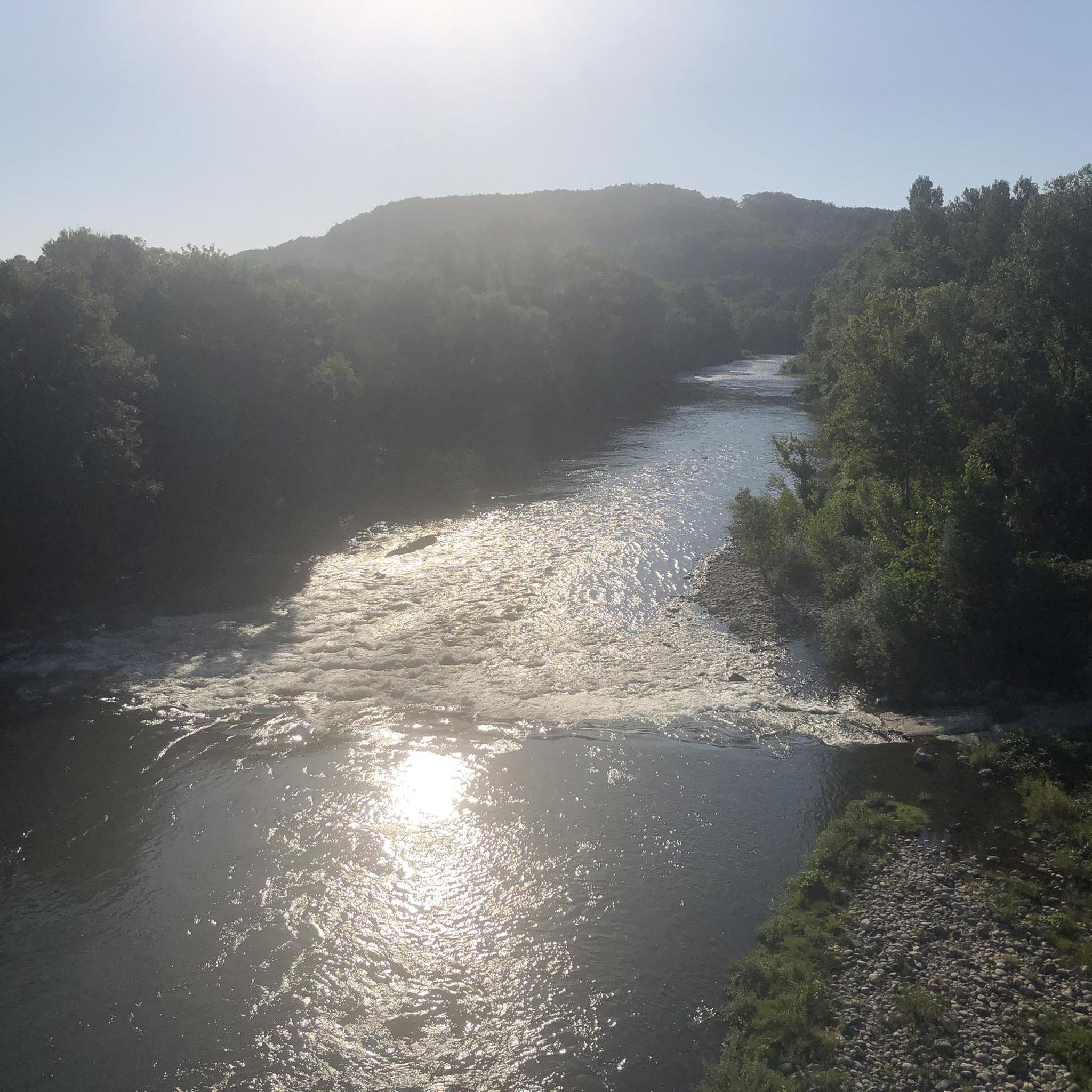
The village is nestled in an area with gentle hills and terraces, and the Garonne river flows nearby. You can visit Saint-Vidian Lake and its dedicated fountain, which are part of the village's natural heritage. The surrounding landscape offers opportunities to appreciate the transformation of the Garonne from a mountain torrent into a beautiful river.
What outdoor activities are available near Martres-Tolosane?
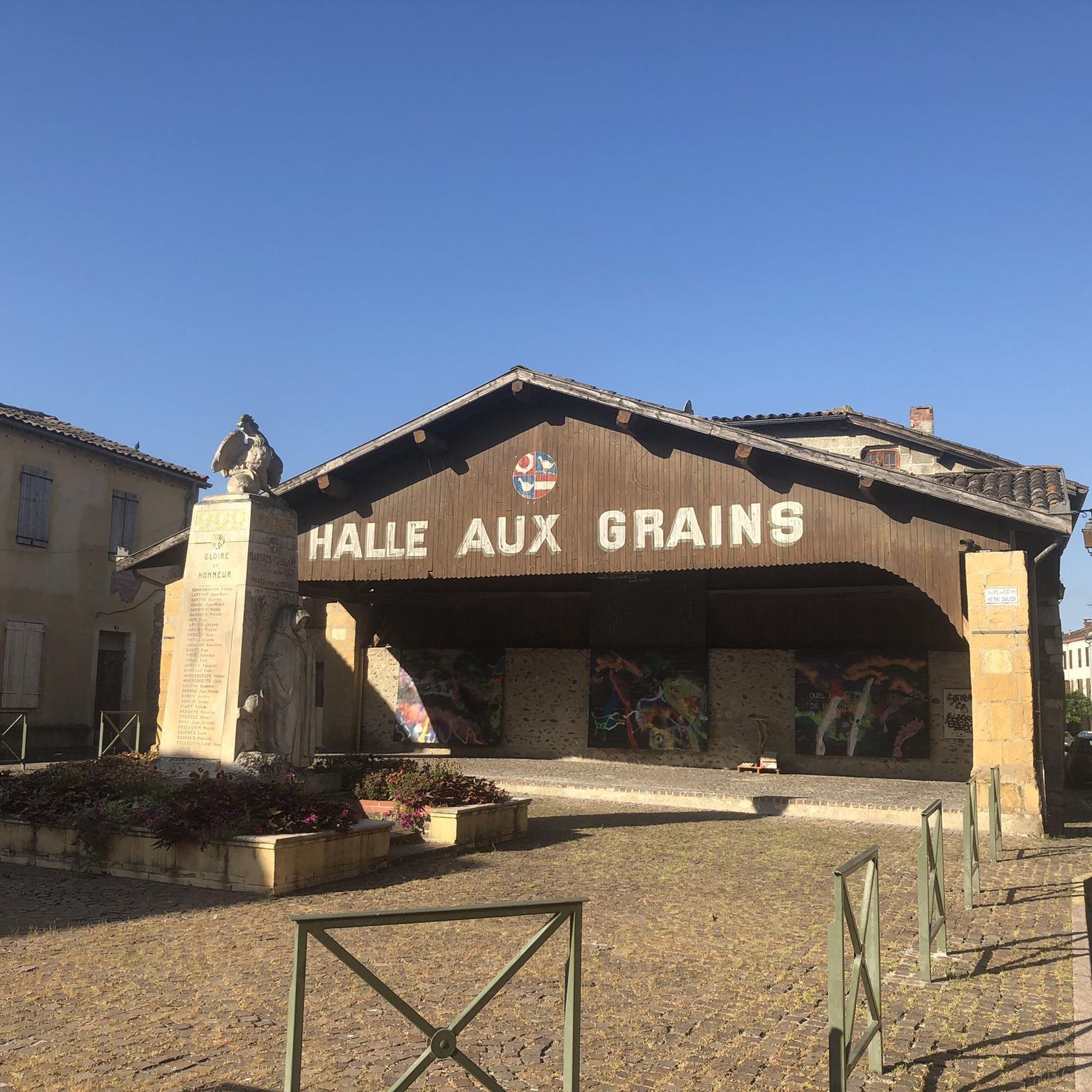
The area around Martres-Tolosane is great for outdoor enthusiasts. You can find various running trails, including an easy 4.4 km loop around Chiragan Villa, or moderate routes like the 10.9 km Château de Thèbe loop. For cycling, there are road cycling routes such as the 35.3 km Château de Palaminy – Cazères Grain Hall loop, and gravel biking options like the challenging 63.3 km Halle aux Grains – Cycle Route Along the Garonne loop. You can find more details on these activities in the Running Trails around Martres-Tolosane, Gravel biking around Martres-Tolosane, and Road Cycling Routes around Martres-Tolosane guides.
Are there any specific events or festivals in Martres-Tolosane?
Yes, Martres-Tolosane hosts a couple of notable annual events. The Salon des Arts et du Feu, typically held around All Saints' Day, allows visitors to meet artisans specializing in fire arts and admire their diverse creations. Additionally, the Fête de St-Vidian is celebrated on the Sunday following Pentecost at La Trinité, featuring a battle re-enactment.
What is the significance of the Gallo-Roman Villa Chiragan?
The Gallo-Roman Villa Chiragan was once one of the Roman Empire's largest and most luxurious villas. While many original Roman busts discovered here are displayed in Toulouse's Saint-Raymond Museum, copies are available for viewing at Martres-Tolosane's Archaeological Museum, located in the medieval Keep. The Musée de la Faïence also provides information on the villa's history.
What can I expect from the architecture of Martres-Tolosane?
Martres-Tolosane is unique for its perfect circular configuration, characteristic of a bastide town, organized around an ancient medieval core. As you explore, you'll find remnants of its ramparts, ancient entrance gates, and a network of small, cobbled medieval streets, offering a distinctive architectural experience.
Where can I find information about the Martres-Tolosane heritage?
The Angonia Interpretation Centre, located in restored medieval buildings in the village center, is dedicated to Martres-Tolosane's heritage and also functions as the Tourist Information Office. It houses the Angonia Museum, which features collections of ancient faience and contemporary pieces.
Are there any art exhibitions in Martres-Tolosane?
Yes, Martres-Tolosane has a vibrant artistic scene. Le Grand Presbytère, an exhibition hall situated in the historic heart of the village, is dedicated to arts and crafts and contemporary art, hosting seasonal exhibitions that contribute to the village's cultural landscape.
What is the Church of Our Lady of the Assumption in Cazères known for?
The Church of Our Lady of the Assumption, Cazères has a rich history, built on a former Gallo-Roman town. The original church was destroyed in 1355, and a new one was built in the late 14th century. It was renowned for its decoration in the 18th century and, after suffering damage during the Revolution, its facade was restored in 1888, featuring two octagonal towers and a Virgin of the Assumption.
Most popular routes around Martres-Tolosane

Get inspired with the komoot mobile app


Explore more
Still not found the Highlight you’re looking for? See guides of the top attractions in other regions:
