Top 5 Castles around Moulins-Engilbert
Best castles around Moulins-Engilbert are situated in a region characterized by its historical significance and varied landscape. The area features a mix of medieval ruins and later architectural styles, often strategically located on rocky plateaus or near natural defenses like the Guignon and Dragne rivers. These historical sites offer insights into centuries of architectural evolution and local heritage.
Best castles around Moulins-Engilbert
- The most popular castles is Vandenesse Castle, a castle located in a region crossed by the river…
Last updated: June 24, 2026
Vandenesse
Highlight • Castle
Translated by Google •
Tip by

Château de Saulières
Highlight • Castle
Translated by Google •
Tip by

Sign up now to discover places like this
Get recommendations on the best single tracks, peaks, & plenty of other exciting outdoor places.
Sign up for free
Château de Besne
Highlight • Castle
Translated by Google •
Tip by
Château de Chandioux
Highlight • Castle
Translated by Google •
Tip by

Start today with a free account
Your next adventure awaits.
Login or Signup

Tips from the Community

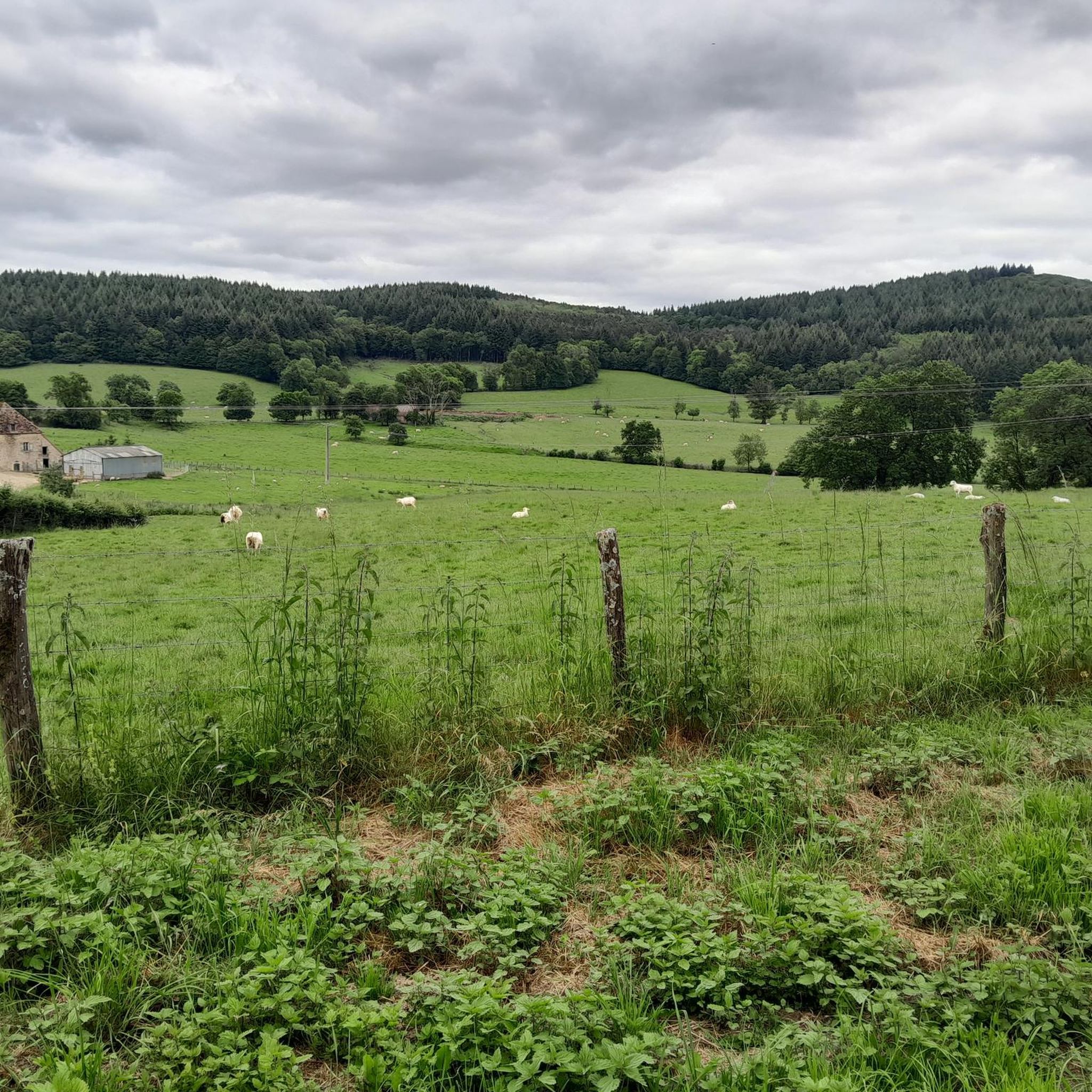
Halfway through the trip you have to cross the yard of a farm, this has been prohibited since this year, there is a prohibition sign with a
0
0

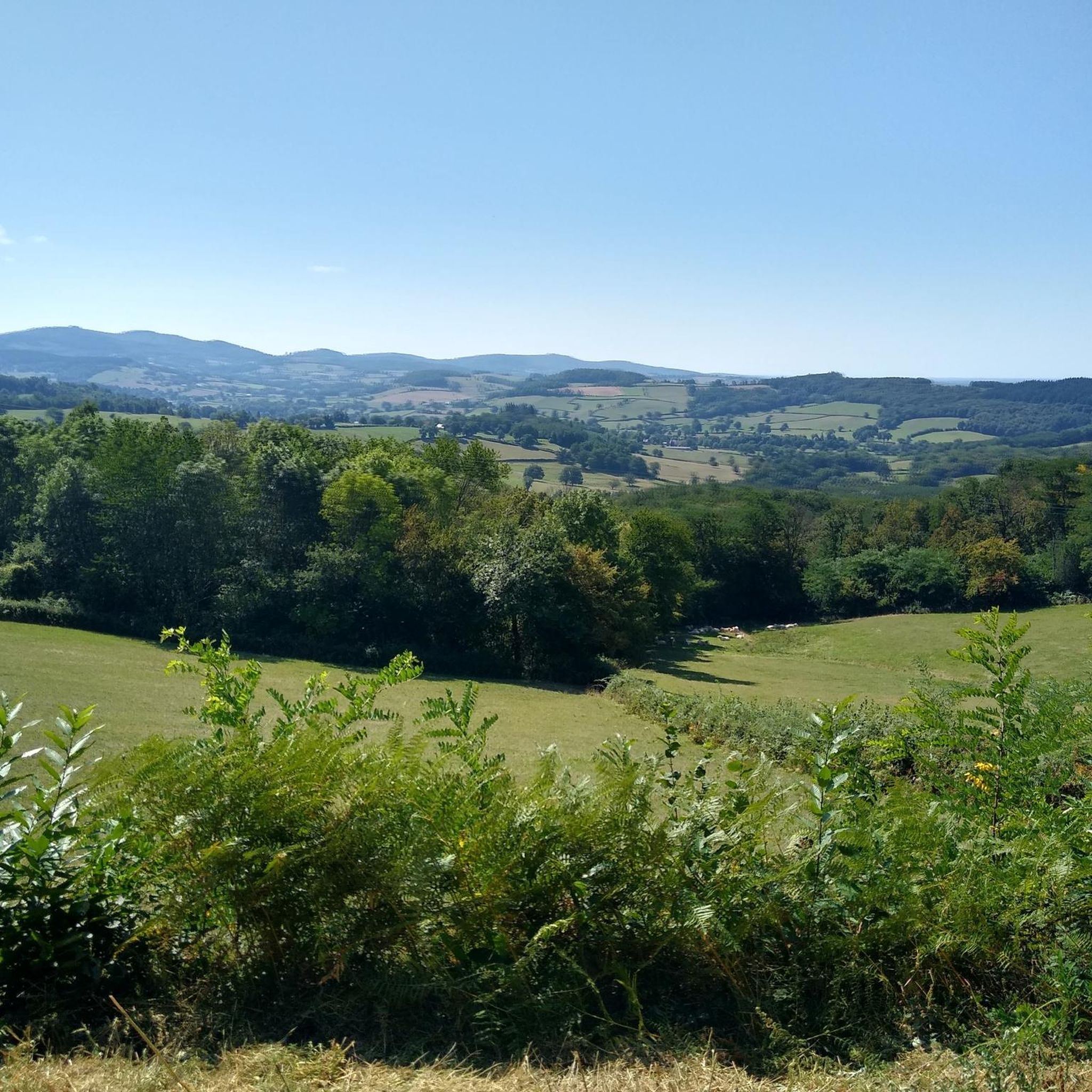
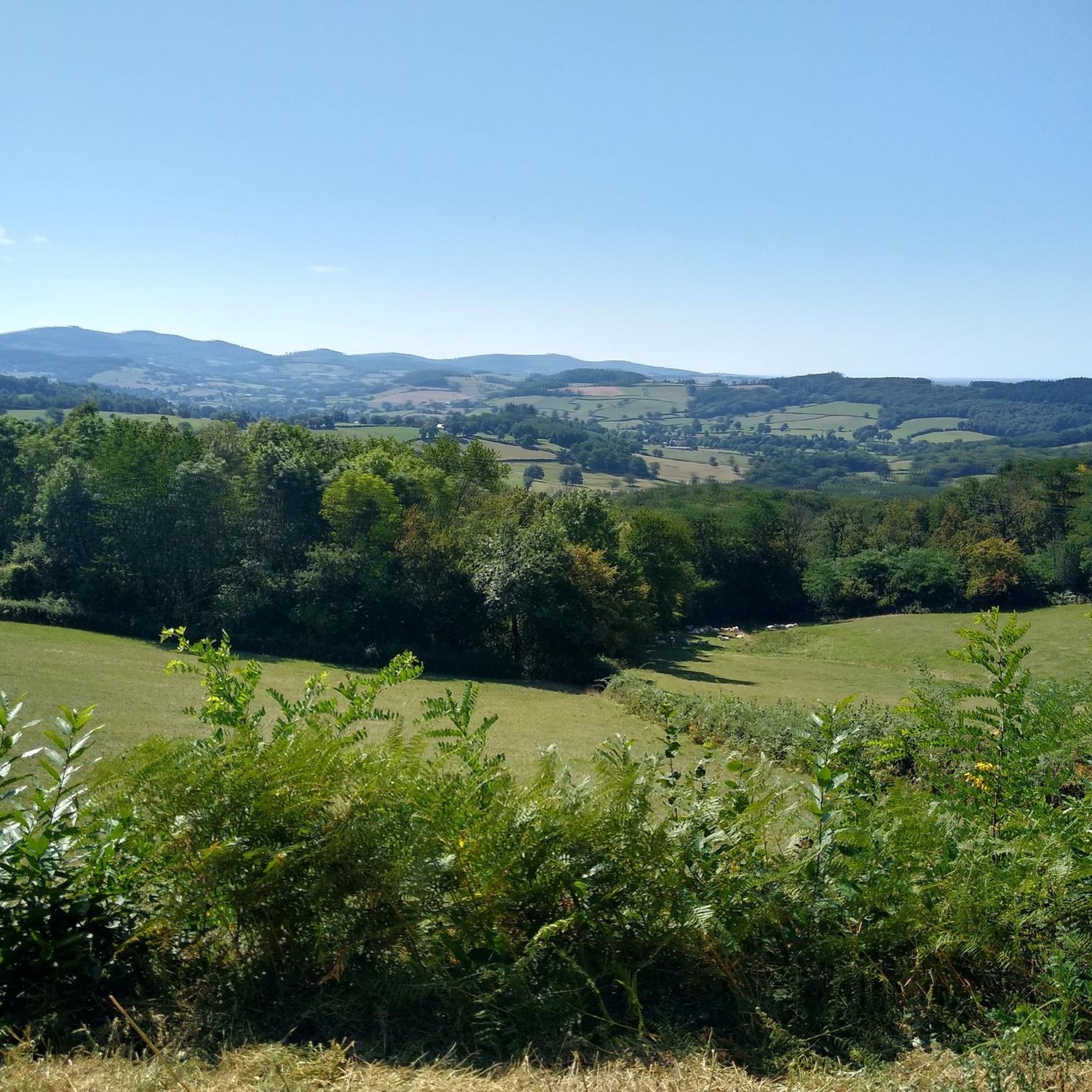
In 1723 there was a glassworks in Vandenesse. In the 18th century the riches of Vandenesse gave rise to quarries, mines, forges, a metallurgical furnace, a fulling mill, an oil mill and mills as well as a nuns' convent which closed around 1970. At the end of the 19th century the village turned to agriculture and livestock. In the 20th century industrial and artisanal activities stopped, during the rural exodus the village became depopulated. Today tourists can admire the pretty village and the Castle.
0
0

The Château de Besne was built in the 15th century after the destruction of the existing castle nearby. The castle we see today was built on an older building whose cellars remain accessible under the new castle.
2
0
The castle itself is old, having been built in 1786. It is in fact a country house which contrasts sharply with the old castle nearby which dates from the 13th century. The chapel is clearly visible in the grounds near the castle and was built later, in 1858.
2
0

A beautiful medieval castle partly collapsed and caught in the vegetation, but we still recognize the keep, the gate, and the ramparts. Private property: do not enter the yard.
0
0
Frequently Asked Questions
What types of castles can I explore around Moulins-Engilbert?
The region offers a diverse range of historical structures, from medieval ruins to later architectural styles. You can find feudal ruins like the Vieux Château, 15th-century keeps such as at Château de Marry, and well-preserved 14th-century manors like the Manoir de la Motte. These sites provide a glimpse into centuries of architectural evolution and local heritage.
Are there any castles that showcase different historical periods?
Yes, the Château de Marry is an excellent example. It features a 15th-century keep alongside later additions from the end of the Middle Ages and further construction from 1768, creating a unique blend of architectural styles. Similarly, the Vieux Château has undergone various transformations since its 10th-century origins, with significant redevelopments in the 13th and 14th centuries.
Which castles offer scenic views or unique natural surroundings?
The Vieux Château de Moulins-Engilbert, situated on a rocky plateau, offers panoramic views of the old medieval town. Its former main dwelling now appears as a 'hanging garden,' adding a unique aesthetic. Additionally, Vandenesse Castle is located in a region crossed by the Dragne river, which served as a natural defense, offering picturesque surroundings.
Can I visit the castles with my family?
While specific family-friendly activities vary by site, many castles offer an engaging historical experience. The ruins of the Vieux Château can be an adventurous exploration for children, and its ongoing preservation efforts highlight community heritage. For practical tips on visiting, it's always good to check local information. For example, you can find more details about the Vieux Château on Bourgogne Tourisme.
Are there hiking opportunities near the castles?
Absolutely! The Moulins-Engilbert area is great for combining castle visits with outdoor activities. You can find several hiking routes, such as the 'Vieux Chateau loop from Moulins-Engilbert' (10.7 km, moderate) or shorter, easier options like the 'Moulins-Engilbert – Vieux Chateau loop' (4.1 km). For more hiking ideas, explore the Hiking around Moulins-Engilbert guide.
What other outdoor activities are available near the castles?
Beyond hiking, the region offers excellent opportunities for cycling and gravel biking. You can find routes like the 'Canal du Nivernais Lock – Fleury House loop' (28.4 km, moderate) for cycling, or more challenging gravel biking tours such as the 'Settons Lake (south) – Lake of Settons loop' (101 km, difficult). Check out the Cycling around Moulins-Engilbert guide and the Gravel biking around Moulins-Engilbert guide for detailed routes.
Which castles are privately owned but still visible?
Several castles in the area are privately owned. For instance, Vandenesse Castle can be admired from the main road, even though it's private property. Similarly, Château de Chandioux, a beautiful medieval castle with a recognizable keep and ramparts, is also privately owned and should be viewed from outside the yard.
Is there a castle that stands out for its unique architectural features from a specific period?
The Manoir de la Motte, also known as 'La Mothe du Plessis,' is a medieval manor dating back to the 14th century. Despite some alterations, it has retained a very ancient architectural appearance, characterized by a long-span roof, distinctive chimneys, and its original layout. Its well-preserved medieval elements offer unique insights into domestic and defensive structures of that era.
What is the best time of year to visit the castles around Moulins-Engilbert?
While castles can be visited year-round, the Vieux Château is particularly striking in the autumn light, when its stones are said to glow with 'shimmering colors.' Spring and summer also offer pleasant weather for exploring the ruins and surrounding natural areas, especially if you plan to combine your visit with hiking or cycling.
Are there any castles that are more like country houses than traditional fortresses?
Yes, Château de Saulières is a notable example. Built in 1786, it functions more as a country house, contrasting with the older, more fortified castles in the vicinity. It also features a visible chapel built in 1858, adding to its unique character.
What historical significance do the castles of Moulins-Engilbert hold?
The castles in Moulins-Engilbert, such as the Vieux Château, have deep historical roots, with origins dating back to the late 10th and early 11th centuries. They were strategically located and played a role in the region's feudal history, undergoing various transformations under figures like the Count of Nevers. These sites offer a tangible connection to centuries of French history and local heritage.
Can I find information about the destruction and rebuilding of local castles?
Yes, for example, the Château de Besne was built in the 15th century after the destruction of an existing castle nearby. The current structure stands on an older foundation, with its cellars still accessible, providing a direct link to its past and the architectural evolution of the site.
Most popular routes around Moulins-Engilbert
Most popular attractions around Moulins-Engilbert

Get inspired with the komoot mobile app


Explore more
Looking for the best castles somewhere else? Discover other guides around Moulins-Engilbert:
