The best road cycling routes around Frotey-Lès-Lure
4.7
(84)
3,923
riders
226
rides
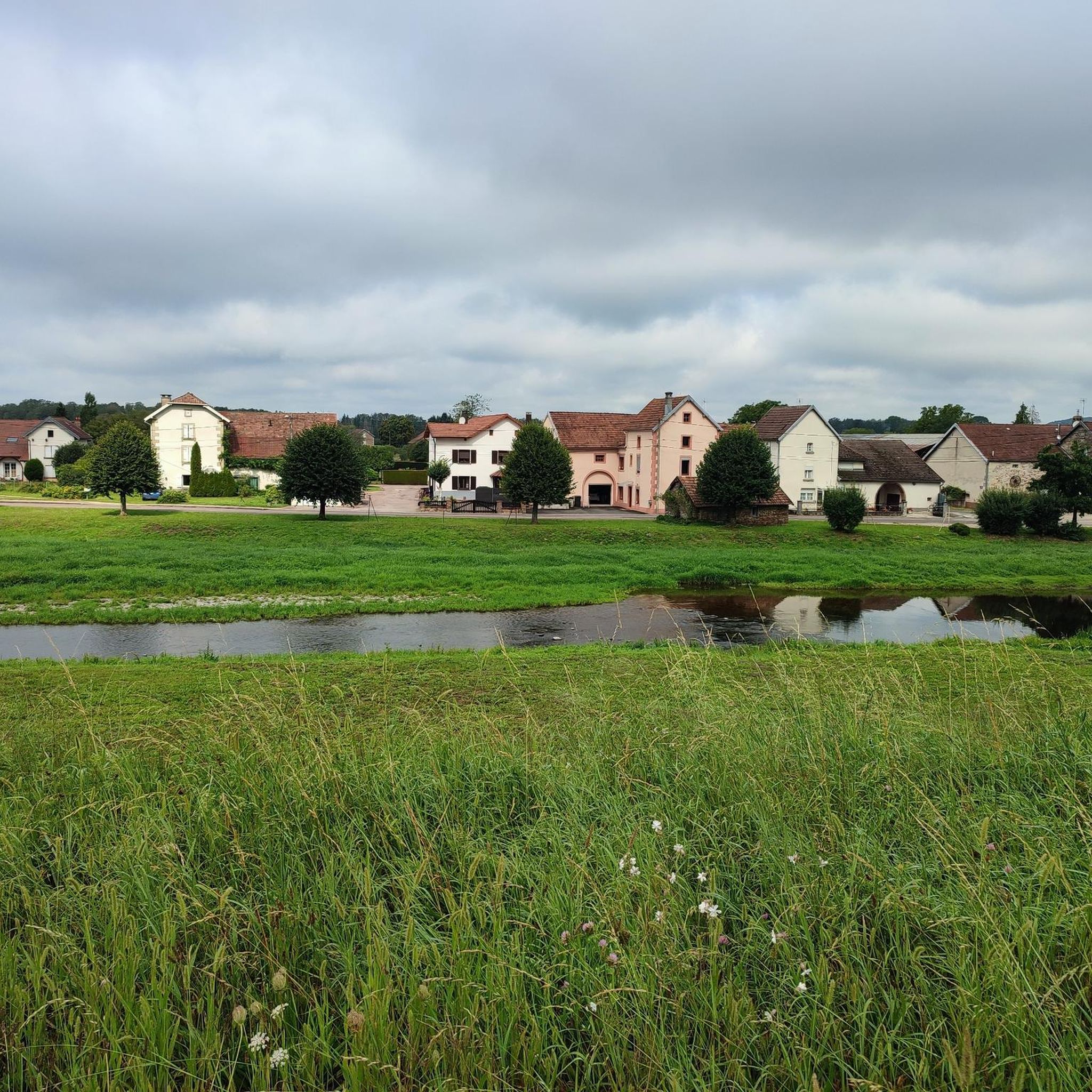
Road cycling around Frotey-Lès-Lure features a landscape characterized by rolling hills, rural roads, and areas like the Plateau des mille étangs. The region offers varied terrain, from relatively flat sections suitable for easy road bike trails to more challenging ascents. Road cyclists can expect routes that traverse agricultural lands and pass through small villages, providing a mix of open views and shaded stretches.
Best road cycling routes around Frotey-Lès-Lure
- The most popular road cycling route is Plateau des mille étangs…
Last updated: October 21, 2026
5.0
(2)
27
riders
46.0km
02:10
580m
580m
Moderate road ride. Good fitness required. Mostly well-paved surfaces and easy to ride.
21
riders
49.1km
02:30
600m
600m
Moderate road ride. Good fitness required. Some segments of this route may be unpaved and difficult to ride.

24
riders
48.3km
02:09
330m
320m
Moderate road ride. Good fitness required. Mostly well-paved surfaces and easy to ride.
28
riders
Moderate road ride. Great for any fitness level. Some segments of this route may be unpaved and difficult to ride.
17
riders
36.1km
01:31
210m
210m
Easy road ride. Great for any fitness level. Mostly well-paved surfaces and easy to ride.
Get access to more routes and recommendations from other explorers.
Already have an account?
Our route recommendations are based on thousands of hikes, rides, and runs completed by other people on komoot.
Start today with a free account
Your next adventure awaits.




Tips from the Community

A quiet natural campsite on the lakes of Champagney, ideal for cyclists exploring the Ballons region. Perfectly located for the great Vosges climbs and known as a starting point for Les 3 Ballons.
7
0

Favorite ❤️: For a nice break (coffee, pie, ice cream, savory) surrounded by beautiful historical objects (for sale), this is the perfect place. And the owner is friendly!
1
0

Quiet and affordable in the off-season..
1
0

This statue of the Virgin Mary, which stands on a tower, dates from 1876
0
0
Worth seeing church
0
0
The Ballastières campsite is a campsite nestled in the heart of nature, suitable for tents and campers alike. Mobile homes, tents, and other accommodations are also available for rent.
2
0

La Vergenne is a former industrial estate linked to pottery, located near Athesans. It still boasts a 19th-century kiln, typical of the region, as well as several buildings related to production.
1
0
Athesans, a former pottery village, is characterized by this artisanal expertise. Kilns, traditional buildings, and remains related to ceramics production can still be found there.
1
0
Frequently Asked Questions
How many road cycling routes are available around Frotey-Lès-Lure?
There are over 200 road cycling routes in the Frotey-Lès-Lure area, offering a wide range of options for different skill levels and preferences.
What kind of terrain can I expect when road cycling in Frotey-Lès-Lure?
The region is characterized by rolling hills, quiet rural roads, and areas like the Plateau des mille étangs. You'll find a mix of relatively flat sections, gradual ascents, and some more challenging climbs, traversing agricultural lands and passing through small villages.
Are there easy road cycling routes suitable for beginners in Frotey-Lès-Lure?
Yes, Frotey-Lès-Lure offers a good selection of routes suitable for beginners. There are over 50 easy road cycling routes, providing gentler gradients and manageable distances for those new to the sport or looking for a relaxed ride.
What are the typical distances for road cycling routes in this area?
Route distances vary significantly. For example, the Infant Jesus of Prague – Restaurant la Saline loop from Vouhenans is around 24.8 miles (40 km), while the Plateau des mille étangs – Ronchamp loop from Andornay extends to about 45.1 miles (72.6 km). You can find routes ranging from shorter, easy rides to longer, more challenging tours.
Are there challenging routes for advanced road cyclists in Frotey-Lès-Lure?
Yes, for experienced riders seeking a challenge, there are 16 difficult road cycling routes available. These typically feature more significant elevation gains and longer distances, providing a demanding experience across the region's varied topography.
What do other road cyclists enjoy most about the routes in Frotey-Lès-Lure?
The area is highly rated by the komoot community, with an average score of 4.8 stars from over 50 reviews. Cyclists often praise the quiet rural roads, scenic views across the Plateau des mille étangs, and the diverse terrain that caters to all skill levels.
Are there any circular road cycling routes in Frotey-Lès-Lure?
Many of the road cycling routes in Frotey-Lès-Lure are designed as loops, allowing you to start and finish at the same point. Examples include the Statue of the Virgin Mary – La Vergenne loop from Moffans-et-Vacheresse and the Ronchamp – Puits Sainte-Marie loop from Moffans-et-Vacheresse.
What interesting sights or landmarks can I see along the road cycling routes?
You can encounter several points of interest. For example, the Puits Sainte-Marie is a notable site, and the iconic Notre-Dame-du-Haut Chapel in Ronchamp is a significant architectural landmark. Some routes also pass through charming towns like Lure and Ronchamp.
Are there places to stop for refreshments or a break during a ride?
Yes, some routes pass through villages or near establishments where you can take a break. For instance, the Saint-Germain washhouse – Superb café-resto brocante loop from Roye specifically mentions a café-resto, indicating opportunities for refreshments along the way.
What is the best time of year for road cycling in Frotey-Lès-Lure?
The spring and autumn months generally offer the most pleasant conditions for road cycling in Frotey-Lès-Lure, with milder temperatures and beautiful scenery. Summer can also be excellent, though it's advisable to start earlier in the day to avoid the midday heat. Winter cycling is possible but requires appropriate gear for colder temperatures and potentially icy conditions.
Are there any scenic viewpoints or natural attractions to look out for?
The region is known for its scenic beauty, particularly the views across the Plateau des mille étangs. Many routes offer open countryside vistas and pass by natural features. While not directly on a route, the Ballastières Beach is a nearby natural attraction that could be explored.
Most popular routes around Frotey-Lès-Lure
Most popular attractions around Frotey-Lès-Lure

Get inspired with the komoot mobile app


Explore more
Browse the best Road cycling routes in other regions.
