Attractions and Places To See around Paréac - Top 20
Best attractions and places to see around Paréac include a mix of cultural sites and natural landscapes. Located in the Hautes-Pyrénées department of south-western France, this rural commune provides access to the Pyrenees mountains and is near the pilgrimage town of Lourdes. The region offers diverse terrain, from mountain peaks to historical religious sites, making it a base for exploration.
Best attractions and places to see around Paréac
- The most popular attractions is Pibeste Peak, a summit that culminates…
Last updated: June 23, 2026
Lourdes sanctuary estate
Highlight • Other
Since the apparitions of the Virgin in the time of Marie-Bernadette Soubirous, the place …
Translated by Google •
Tip by

Sanctuary of Our Lady of Lourdes
Highlight • Religious Site
Translated by Google •
Tip by

Sign up now to discover places like this
Get recommendations on the best single tracks, peaks, & plenty of other exciting outdoor places.
Sign up for free
Pibeste Peak
Highlight • Summit
Translated by Google •
Tip by

Lourdes
Highlight • Religious Site
The city is mainly built around its religious heritage. However, it …
Translated by Google •
Tip by
Basilica of Our Lady of the Rosary
Highlight • Other
Tip by

Sign up for free to discover even more attractions around Paréac.
Sign up for free
Already have an account?
Start today with a free account
Your next adventure awaits.
Login or Signup



Tips from the Community

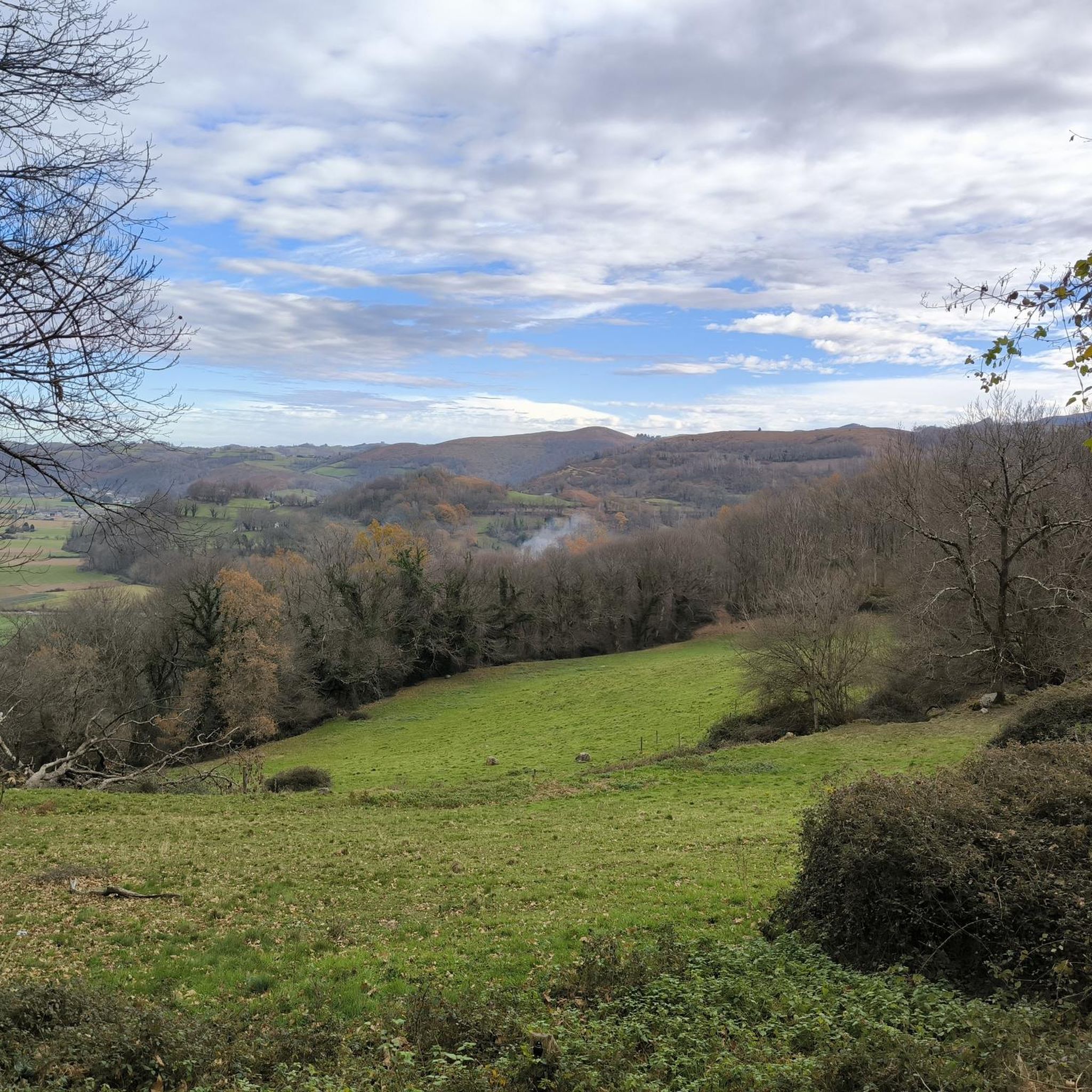
For your information, historically this was the arrival station for the cable car. It operated until the installation of the television and radio relay. After a storm, it's not uncommon for the relay to go into standby mode. TDF has a contract that runs from Monday to Friday. In case of a power outage, the weekend is reserved for reading or playing board games.
0
0


This rock grotto, then still outside the village, was the spot where Our Lady appeared to 14-year-old Bernadette Soubirous in 1858. Bernadette later became a nun and died at the age of just 35. On December 8, 1933 (the Feast of the Immaculate Conception), she was canonized by Pope Pius XI.
1
0
This church in the internationally important Marian pilgrimage site of Lourdes is not simply dedicated to the Mother of God; it often has additional titles dedicating it to a church feast such as her "Immaculate Conception," Nativity, or Assumption. The patronage chosen for this basilica, however, bears a special suffix: the Rosary. This refers to a prayer that was very popular in popular piety in earlier times and is still practiced today in many parishes and private households (at least among the older generation). It is particularly popular on foot pilgrimages, for example, because the repetition of the individual decades by the prayer leader and the response of the worshippers easily creates a meditative atmosphere. According to ancient tradition, there were three versions that were meditated on while praying: + the Joyful Mysteries + the Sorrowful Mysteries + the Glorious Mysteries Pope John Paul II (Karol Wojtyla) added + the Luminous Mysteries.
3
0

In the city—outside the church district—everything that has any connection to the Marian apparition, the "miraculous water," or the basilicas is for sale. While it's somewhat strange on the one hand, it's also quite moving to see what faith can trigger in some people...
2
0
A lavishly decorated basilica with much pomp and circumstance... I remembered a saying from my former religion teacher: For Catholics, the church is the house of God and therefore so lavishly decorated – for Protestants, the church is the house of the community, where God's word is heard...
3
0
A great experience for everyone, when you see the believers pilgrimage to the grotto - fascinating
2
0
Frequently Asked Questions
What are the main attractions within Paréac village itself?
While Paréac is a small rural commune, its primary landmark is the Church of Notre-Dame de l'Assomption. This historic church features a 17th-18th-century bell tower and houses a superb Baroque altarpiece from around 1715, depicting the Assumption and including statues of John the Evangelist and Saint Joseph. Frescoes, including one of an angel, have also been uncovered inside.
What religious and historical sites can I visit near Paréac?
Paréac is strategically located near the world-renowned pilgrimage town of Lourdes, approximately 5 km away. Here you can visit the Lourdes sanctuary estate, which includes the Grotto of Massabielle, the Sanctuary of Our Lady of Lourdes, and the Basilica of Our Lady of the Rosary. Other historical sites include the Musée Pyrénéen de Lourdes and the Maison Paternelle De Sainte Bernadette, the childhood home of Saint Bernadette Soubirous.
What natural attractions are there to explore in the Paréac area?
The region around Paréac offers stunning natural beauty within the Pyrenees mountains. You can visit the Pibeste Peak, which offers panoramic views of the Pyrenees and the valley. Other notable natural features include the famous mountain passes of Col du Tourmalet and Col d'Aubisque, known for their scenic beauty. The Pyrenees National Park, covering 45,000 hectares, is also nearby, featuring forests, peaks, and diverse wildlife.
Are there any caves or underground attractions near Paréac?
Yes, the area boasts impressive geological formations in several caves. You can explore the Grottes de Médous, approximately 14 km away, or the Grottes de Betharram, about 18 km from Paréac. Another significant underground site is the Gouffre d'Esparros, located approximately 27 km away.
What do visitors particularly enjoy about the attractions around Paréac?
Visitors frequently praise the breathtaking views from spots like Pibeste Peak, which offers a magnificent panorama over the plain and the Gaves valley. The spiritual atmosphere of the Lourdes sanctuary estate is also highly valued, with many finding the devotion of pilgrims fascinating and moving. The overall mix of cultural sites and natural landscapes is a major draw.
Are there opportunities for cycling around Paréac?
Absolutely. The region around Paréac is excellent for cycling, with routes catering to various preferences. For touring cyclists, options include the 'Argelès-Gazost and Gaves Greenway Loop' or the 'Bridge over the Gave de Pau – Argelès-Gazost Station loop from Lourdes'. Road cyclists can tackle challenging routes like 'Hautacam – emblematic passes of the Pyrenees' or more moderate ones such as the 'Small loop of Lourdes'. You can find more details on these routes in the Cycling around Paréac and Road Cycling Routes around Paréac guides.
Can I find mountain biking trails near Paréac?
Yes, there are several mountain biking trails available. Options include the 'Miramont Ridge Trail', 'Voie Verte des Gaves and Ségus Loop', and 'Trails Along the Gave de Pau – Bridge over the Gave de Pau loop from Lourdes'. These trails offer a range of difficulties, from moderate to difficult. For more information, refer to the MTB Trails around Paréac guide.
Are there family-friendly activities or attractions near Paréac?
Many attractions in the area are suitable for families. The town of Lourdes and its sanctuaries are considered family-friendly, offering a unique cultural experience. Additionally, natural sites like the Funiculaire du Pic du Jer provide panoramic views that can be enjoyed by all ages. Exploring the easier sections of the Pyrenees National Park or visiting the Grottes de Médous or Betharram can also be engaging for families.
What is the best time of year to visit Paréac and its surrounding attractions?
The best time to visit Paréac and the Hautes-Pyrénées region largely depends on your planned activities. For hiking and enjoying the mountain passes like Col du Tourmalet, late spring to early autumn (May to October) offers the most favorable weather conditions. If you are primarily visiting the religious sites in Lourdes, they are accessible year-round, though the summer months can be very crowded due to peak pilgrimage season. Winter offers opportunities for snow sports in higher altitudes, but some mountain roads and attractions may be less accessible.
How can I get to Lourdes from Paréac using public transport?
Paréac is a small village, but its proximity to Lourdes (approximately 5 km) means public transport options are available. Buses frequently connect Paréac or nearby larger villages to Lourdes. It is advisable to check local bus schedules for the most current routes and timings to plan your journey effectively.
Are there any stunning glacial cirques to visit near Paréac?
Yes, the Pyrenees region near Paréac is home to several spectacular glacial cirques. These include Cirque du Lys (29km), Cirque du Litor (31km), Cirque du Marcadau (37km), Cirque de Troumouse (43km), and Cirque d'Estaubés (44km). These natural amphitheaters offer breathtaking scenery and are popular destinations for nature lovers and hikers.
Most popular attractions around Paréac

Get inspired with the komoot mobile app


Explore more
Still not found the Highlight you’re looking for? See guides of the top attractions in other regions:
