Attractions and Places To See around Bugny - Top 20
Best attractions and places to see around Bugny are located in the Doubs department of eastern France's Bourgogne-Franche-Comté region. This area offers a blend of historical sites and natural beauty, primarily centered around its local church and the Loue River valley. Visitors can explore significant natural features such as impressive river sources and dramatic gorges. The region provides diverse outdoor experiences for those interested in its unique landscape.
Best attractions and places to see around Bugny
- The most popular attractions…
Last updated: June 22, 2026
Source de la Loue
Highlight • Cave
Translated by Google •
Tip by

Source du Pontet
Highlight • Cave
Translated by Google •
Tip by
Sign up now to discover places like this
Get recommendations on the best single tracks, peaks, & plenty of other exciting outdoor places.
Sign up for free
Gorges de Noailles
Highlight (Segment) • Gorge
Translated by Google •
Tip by
Pontarlier
Highlight • Settlement
Translated by Google •
Tip by

Cave of the Counterfeiters
Highlight • Cave
Translated by Google •
Tip by

Sign up for free to discover even more attractions around Bugny.
Sign up for free
Already have an account?
Start today with a free account
Your next adventure awaits.
Login or Signup
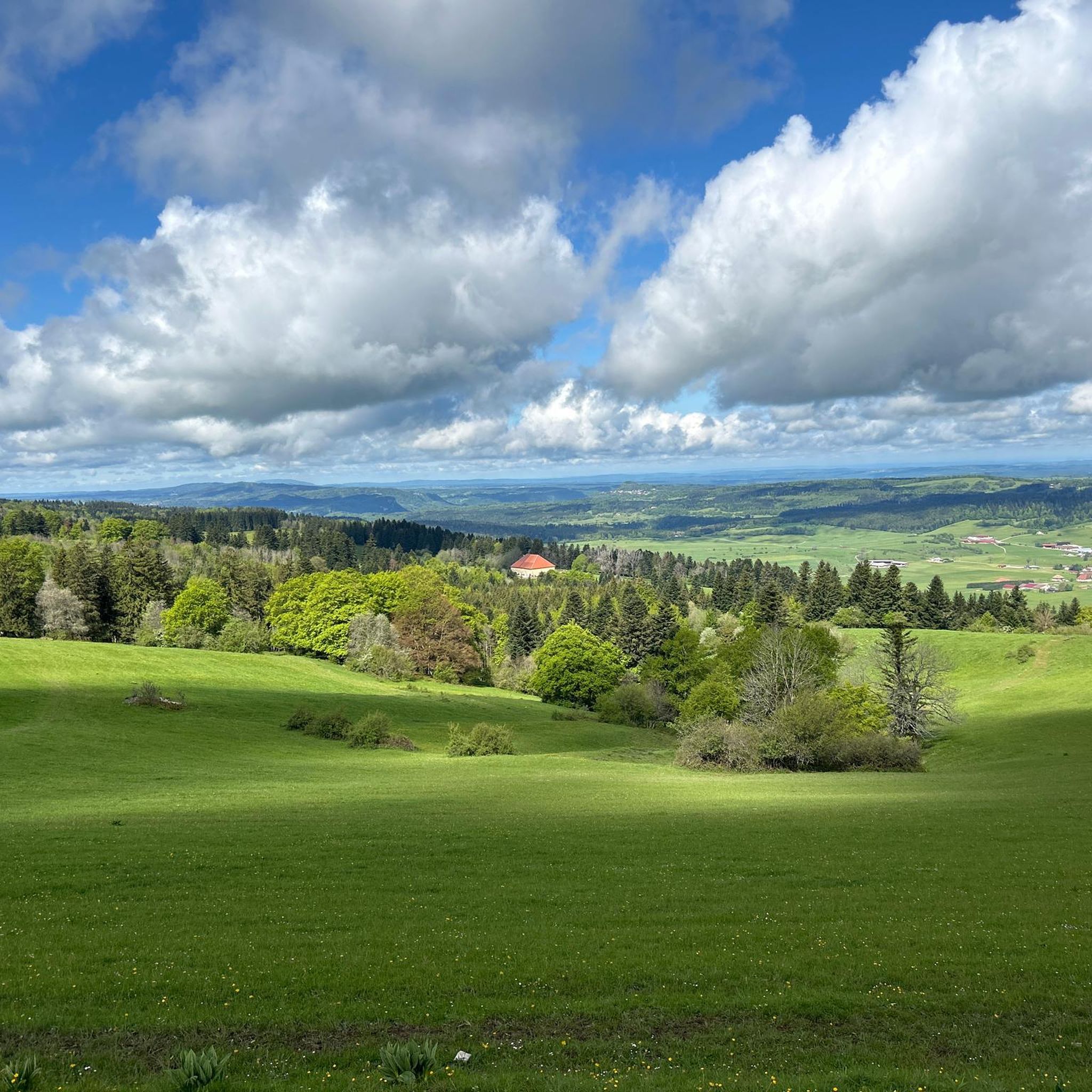
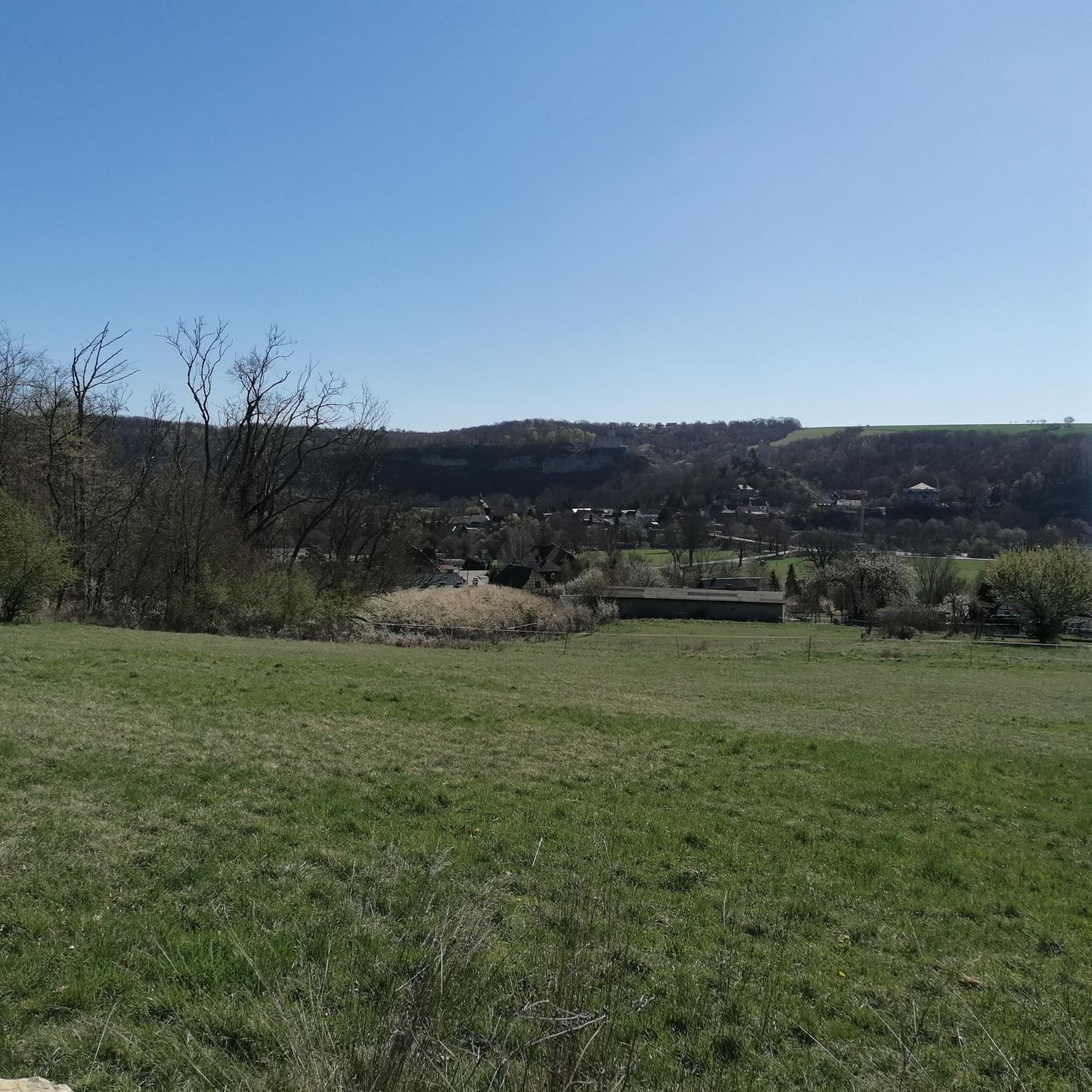
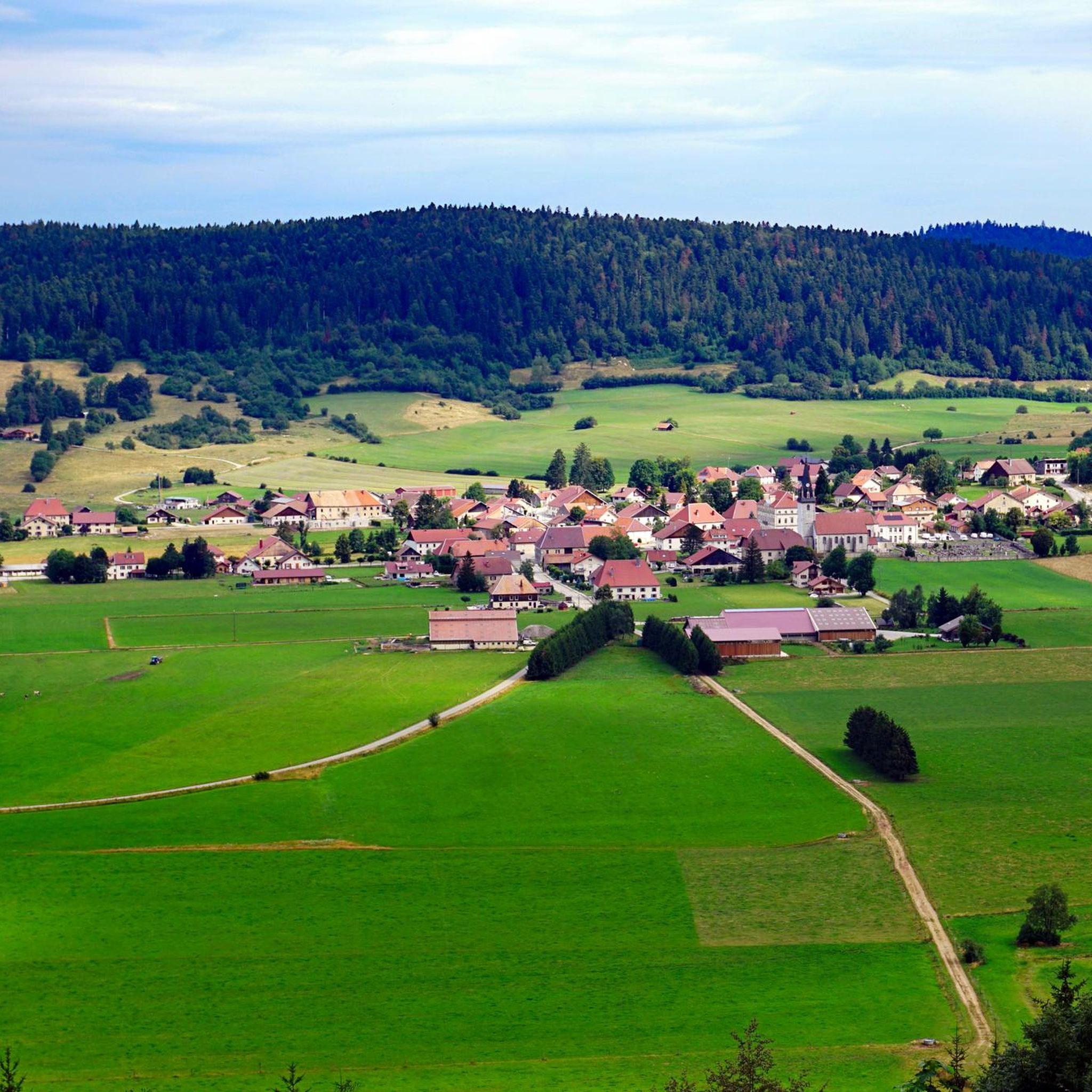
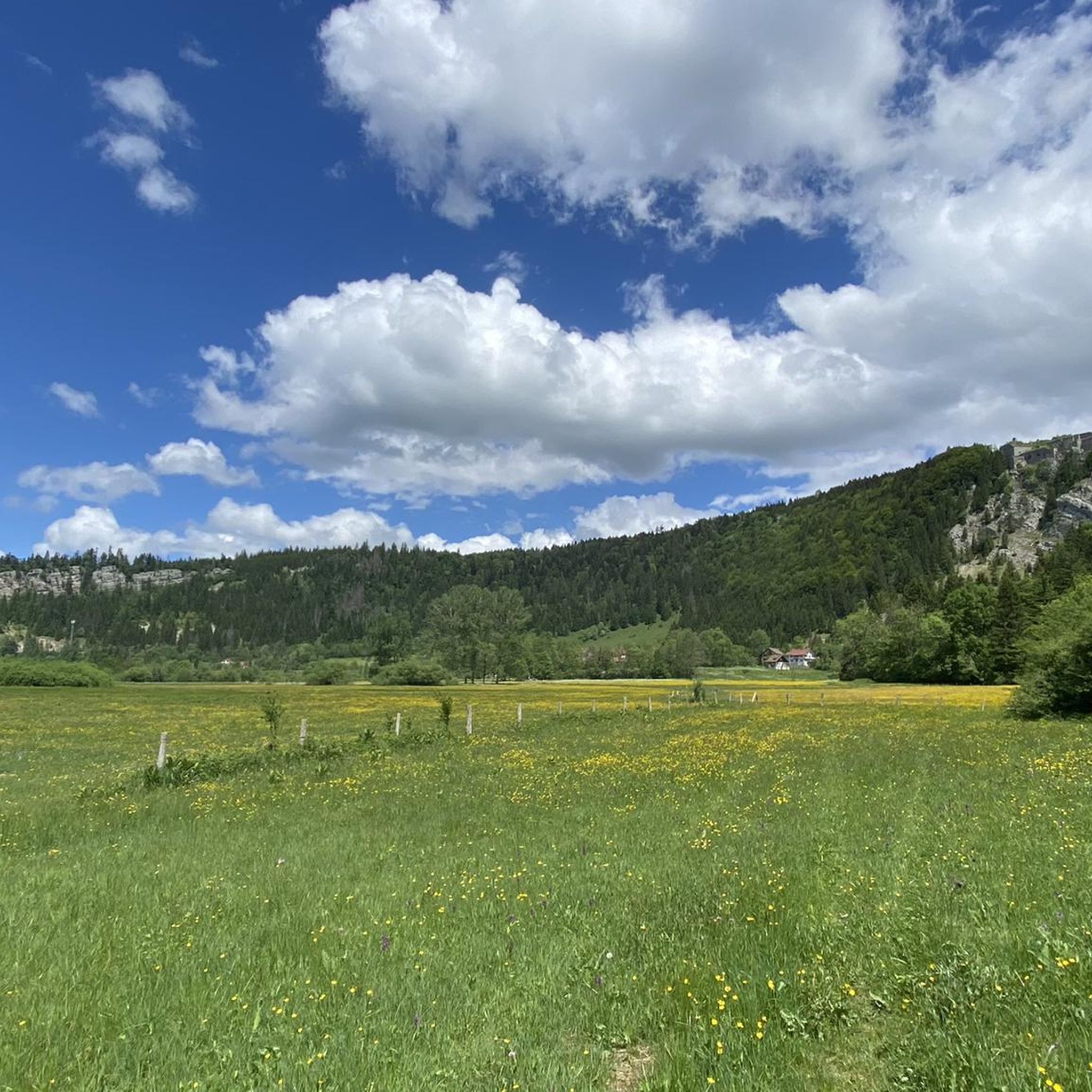
Tips from the Community

Please note that the trail has been closed since 2022. The original plan was to secure the trail until 2023, but it was then extended to 2024, but it was still closed in 2025.
2
0

The source of the Loue River is announced by the rushing water even before you see it. It's impressive and magical to stand beneath the 150-meter-high cliffs and watch the river rush out of its cave.
5
1


Pontarlier is a mountain town located 837 meters above sea level in the heart of the Jura Mountains. As the capital of Haut Doubs, it is located at the entrance to a vast area of protected natural areas, where forests, lakes and green meadows are essential for the production of Mont d'Or and Comté cheese. Pontarlier was once known worldwide for its production of absinthe at the beginning of the last century. Today, the city has revived this tradition, with two distilleries once again producing absinthe.
8
0

This trail is superb. On the banks of the Loue, the turquoise and emerald reflections of the sun on the river pierce the foliage and offer a superb spectacle. Be careful after the rains, the path can be slippery and some bends are thin and require special attention. No problem in dry weather, but tumbling is never far away with mud.
4
0
This cave is superb. It has been unblocked several times and archaeological traces trace the human presence from the Neolithic to the present day. Bring a headlamp to explore this cave and its many rooms in more depth, but first find out about periods of calm and lethargy for the bats (you are in their home there)
2
0
This cavern is impressive, the immense cliff seems to crush this “small” opening in the wall, from which clear waters gush. The lights and the tranquility of the place are remarkable. Consider bringing a headlamp to explore the caves a little more. Climbing enthusiasts will notice some equipped routes with quite an overhang.
2
2

One of the largest springs in the entire Jura region. Very impressive after long periods of rain.
3
0
Frequently Asked Questions
What natural features can I explore near Bugny?
The area around Bugny is rich in natural attractions, primarily centered around the Loue River. You can visit the spectacular Source de la Loue, where the river emerges from a dramatic 150-meter-high rock face. Another intriguing site is the Source du Pontet, featuring a powerful waterfall expelling water from a deep, accessible cave. Don't miss the Gorges de Noailles, which allow you to follow the Loue River upstream through dense woods.
Are there historical or cultural sites to visit in Bugny?
In Bugny itself, the most prominent landmark is the Church of the Immaculate Conception (Église de l'Immaculée-Conception), which houses historical artifacts such as an 18th-century polychrome wooden crucifix and statues of the Madonna and Child and saints. Nearby, the town of Pontarlier offers a rich history, once known as the capital of absinthe production and featuring a pleasant city center.
Are there hiking trails around Bugny?
Yes, the region offers numerous hiking opportunities. You can explore trails leading to natural wonders like the Source de la Loue and the Gorges de Noailles. For a panoramic experience, a notable route leads to Mont Pelé (1045 m), offering 360-degree views of Bugny, the Val des Usiers, and the Jura mountain range. Find more hiking routes in the area on the Hiking around Bugny guide.
Can I go cycling near Bugny?
Absolutely. The area around Bugny provides various cycling routes. You can find options for both touring bicycles and road cycling. For example, there are routes like the 'Greenway of the train path' or scenic loops along the Loue River. Explore detailed cycling routes in the Cycling around Bugny and Road Cycling Routes around Bugny guides.
Are there any caves to visit near Bugny?
Yes, the region is known for its caves. The Source du Pontet is a fascinating cave where a powerful waterfall emerges. Another significant site is the Cave of the Counterfeiters, one of the most visited caves in the French Jura, which has archaeological traces dating back to the Neolithic period. Remember to bring a headlamp if you plan to explore deeper sections of the Cave of the Counterfeiters.
What do visitors enjoy most about the natural attractions near Bugny?
Visitors frequently praise the dramatic scenery and the unique geological formations. The Source de la Loue is admired for its spectacular cirque and powerful karst spring. At the Source du Pontet, geological enthusiasts appreciate the limestone tuff formations. The Gorges de Noailles are loved for their moody paths through beech forests and the emerald reflections of the Loue River.
Are there family-friendly activities or attractions near Bugny?
Many of the natural sites, such as the Source de la Loue, are accessible via marked trails, making them suitable for families. The town of Pontarlier is also considered family-friendly, offering a pleasant environment to explore. Gentle walks along the Loue River are also great for families.
When is the best time to visit Bugny and its attractions?
The best time to visit Bugny and its natural attractions is generally during the spring, summer, and early autumn months (April to October). During these periods, the weather is most favorable for outdoor activities like hiking and cycling, and the natural springs and river gorges are at their most vibrant. Winter can be beautiful for snow activities, but some paths might be less accessible.
Are there any accessible paths or attractions for visitors with limited mobility?
The Source de la Loue is noted as being easily accessible via marked hiking trails, which may offer options for visitors with limited mobility, depending on the specific trail section. It's always advisable to check local conditions and trail difficulty before visiting.
What unique geological features can I observe near Bugny?
The region is rich in karst geology. At the Source du Pontet, you can observe impressive limestone tuff formations, a porous rock common in the area, which make up the walls and vaults of the cave. The powerful karst springs like the Source de la Loue are also prime examples of the region's unique hydrogeology.
What should I know before visiting the Gorges de Noailles?
The Gorges de Noailles offer a beautiful trail along the Loue River. Be aware that after heavy rains, the path can become slippery, and some bends are narrow, requiring careful attention. In dry weather, it's generally a pleasant walk through the dense wood, offering stunning views of the emerald river and passing the 'Grand Saut,' the Loue's largest drop.
Most popular attractions around Bugny

Get inspired with the komoot mobile app


Explore more
Still not found the Highlight you’re looking for? See guides of the top attractions in other regions:
