The best walks and hikes around Le Castellet
4.3
(2292)
16,839
hikers
17
hikes
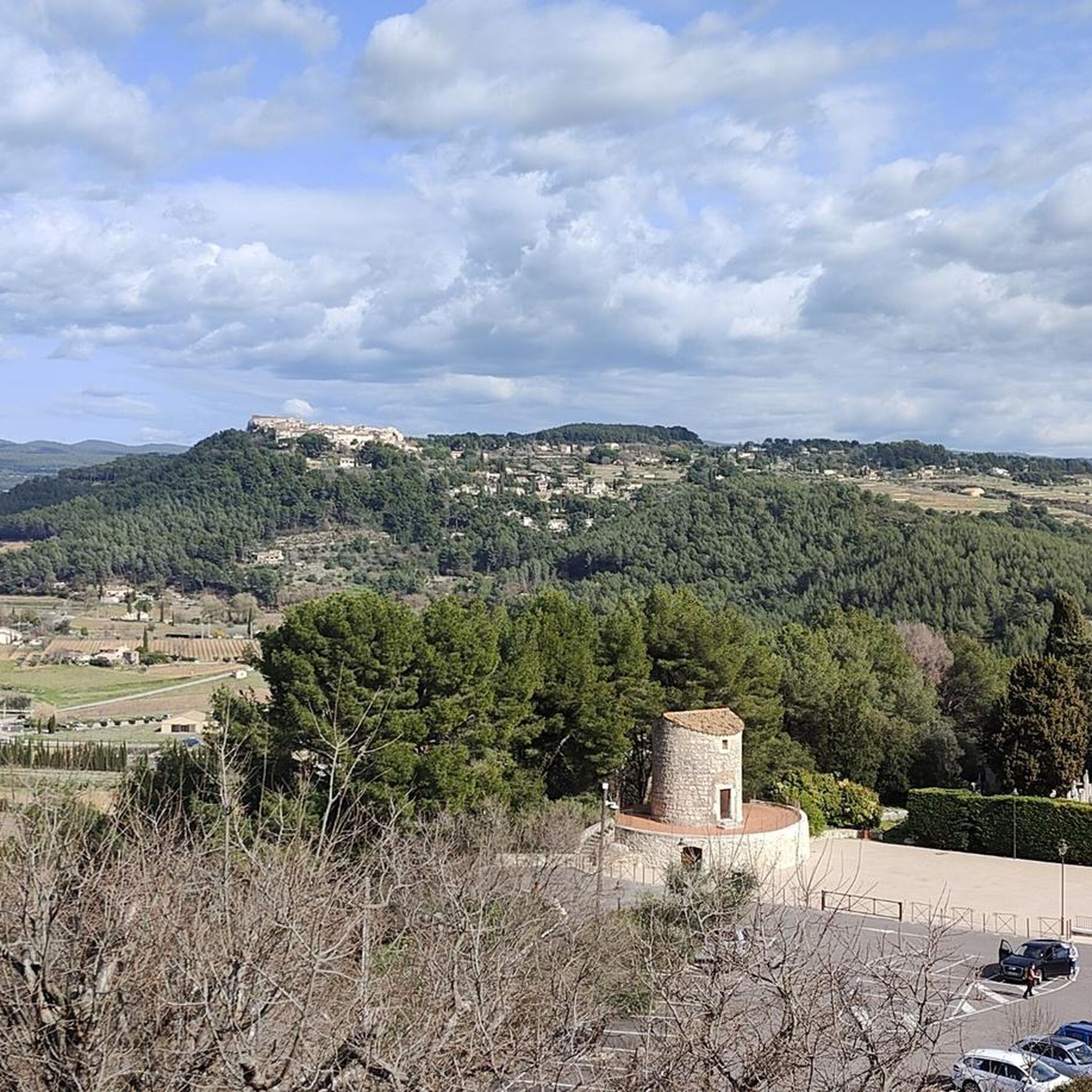
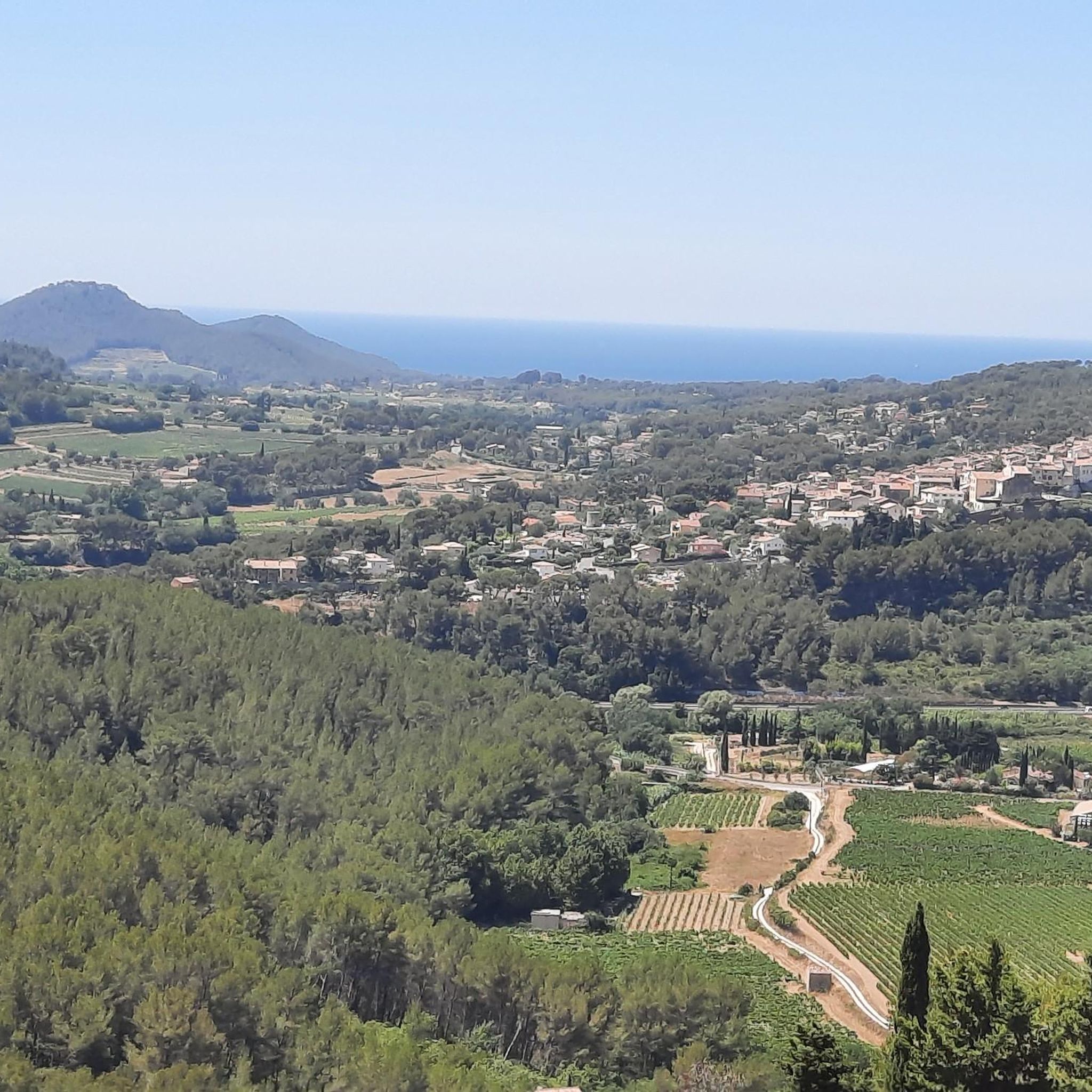
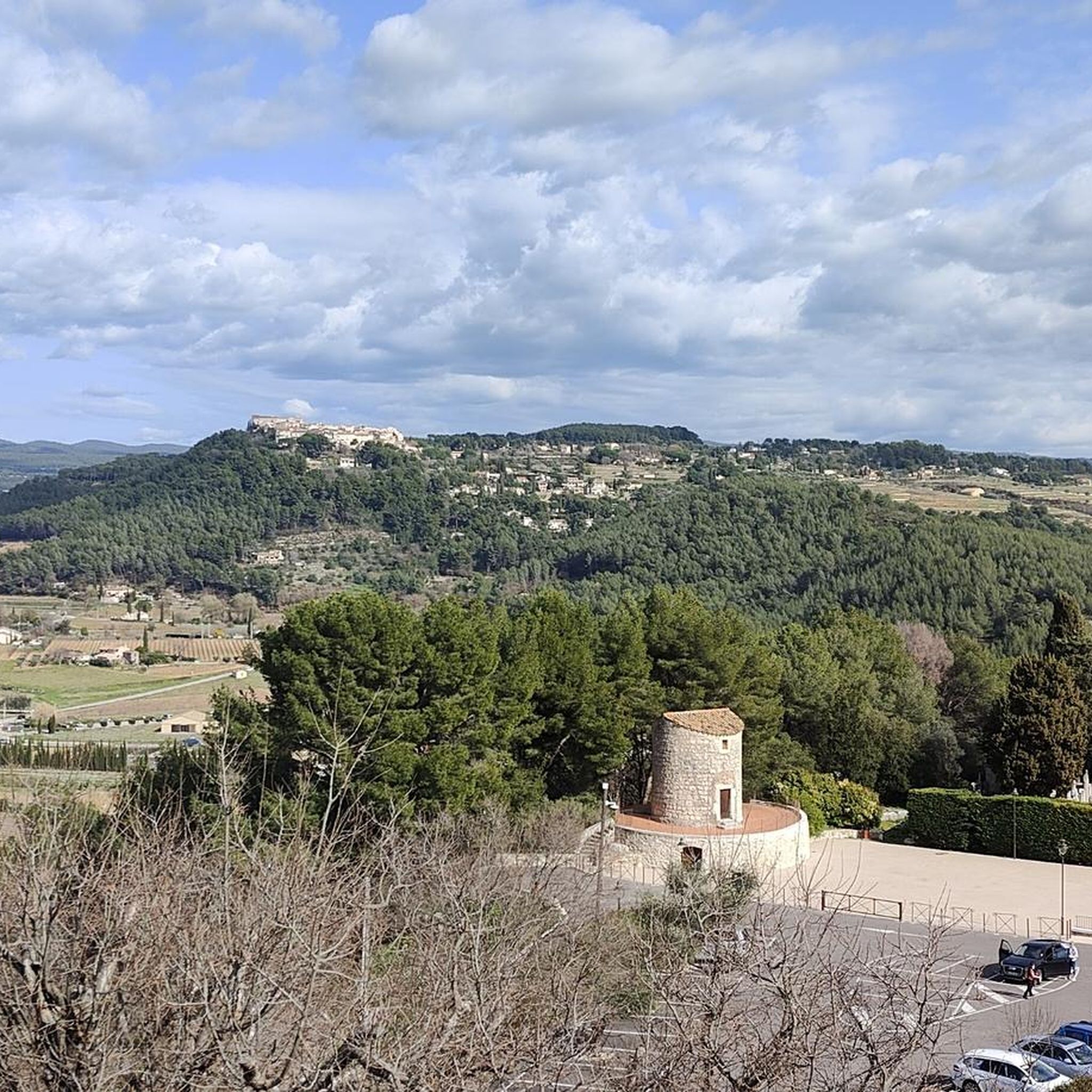
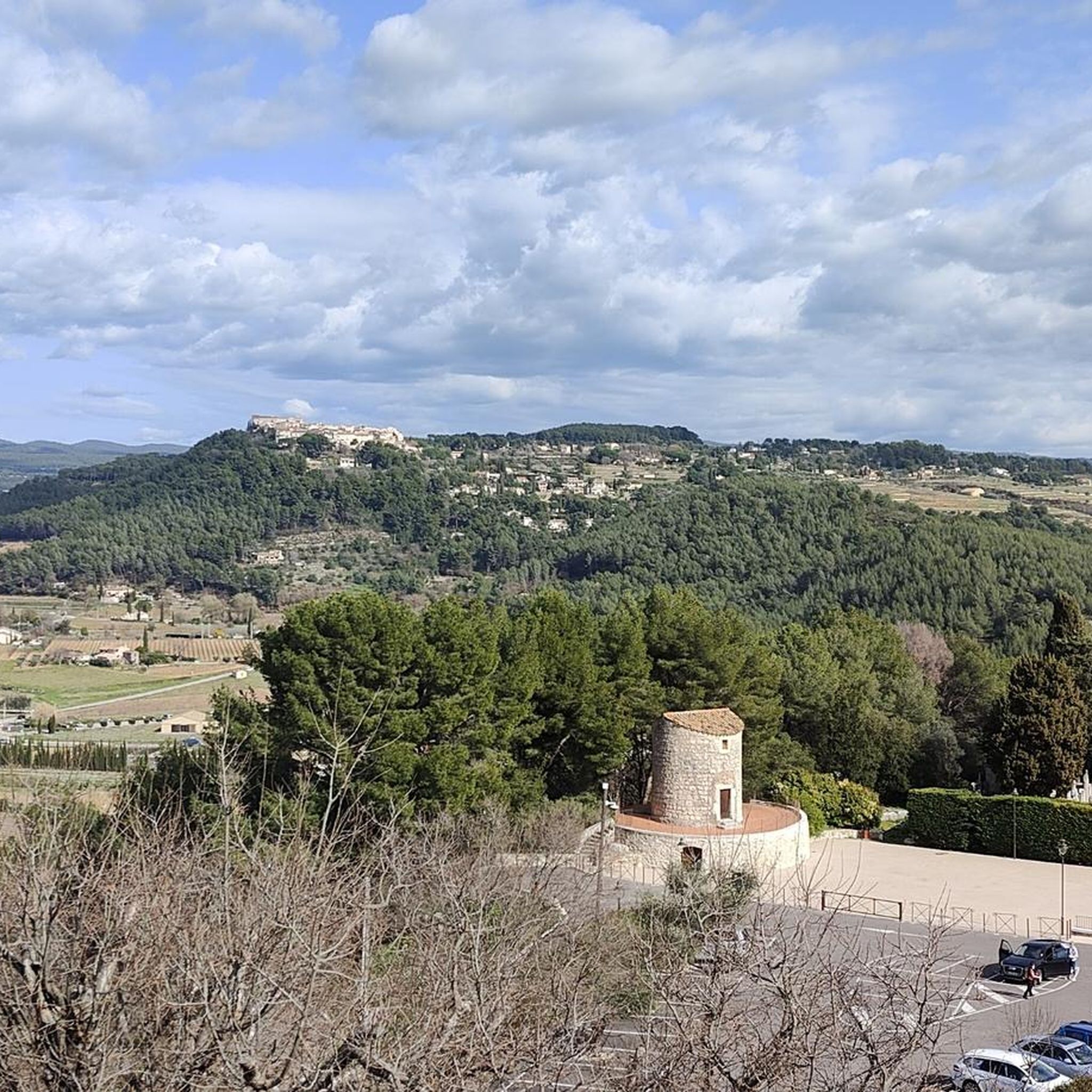
Hiking around Le Castellet offers diverse landscapes, from vineyards and pine forests to panoramic views of the Mediterranean Sea. The region is characterized by rolling hills and valleys, with the imposing Sainte-Baume Massif visible in the distance. Trails often traverse Provençal landscapes, providing glimpses of the Bay of La Ciotat and the charming medieval village itself. This varied terrain provides a range of hiking experiences for different skill levels.
Best hiking trails around Le Castellet
- The most popular hiking route…
Last updated: October 12, 2026
5.0
(4)
38
hikers
1.40km
00:24
30m
30m
Easy hike. Great for any fitness level. Easily-accessible paths. Suitable for all skill levels.
16
hikers
12.7km
04:09
450m
450m
Moderate hike. Good fitness required. Mostly accessible paths. Sure-footedness required.

8
hikers
5.53km
01:36
140m
140m
Easy hike. Great for any fitness level. Easily-accessible paths. Suitable for all skill levels.
4.5
(4)
15
hikers
6.04km
02:03
300m
300m
Moderate hike. Good fitness required. Mostly accessible paths. Sure-footedness required.
4.3
(3)
16
hikers
9.18km
02:42
260m
260m
Moderate hike. Good fitness required. Easily-accessible paths. Suitable for all skill levels.
Get access to more routes and recommendations from other explorers.
Already have an account?
Our route recommendations are based on thousands of hikes, rides, and runs completed by other people on komoot.
Start today with a free account
Your next adventure awaits.

Tips from the Community


Although cervèu means "brain" in French, according to Wikipedia it is a variant of lou cèrvi, which means "the deer" (fr.m.wikipedia.org).
1
0
The highest point of the Gros Cerveau is unfortunately inaccessible due to the extensive construction of Fort Gros Cerveau, built by General Séré De Rivières in 1890. However, from the lookout point located slightly below, you can still enjoy a very beautiful view.
0
0

The same observation applies to the windows of some houses, which still display a former splendor... but a lack of maintenance that could very well prove fatal. But one can only imagine how proud these elegant joinery windows with their small glass panes must have been of those who had them built. Concern for comfort sometimes even extended to equipping these openings with interior shutters. Some windows, although dilapidated in houses now virtually abandoned, must have been nothing short of class and splendor at a time when Le Castellet had nearly 400 inhabitants. Other details, in a completely different way, should attract the visitor's attention. Grooves carved into door jambs or some of the village walls bear witness to the concern for flood protection. In the past, the vagaries of the Rancure torrent and especially the Fouent valley caused considerable damage to the village. To protect themselves from these elements, the residents adopted an (almost) foolproof solution: planks were slid into these grooves in front of each door to prevent water from invading the interiors. Today, some residents still install protective planks on rainy days to prevent water infiltration. Others were installed at each communication opening of the barri (the large wall that protected the entire section of the Fouent valley that entered the town) to prevent flooding of the village's secondary roads. A photo from the 1950s clearly shows the lower stone of this wall, at the level of the Barri square! This stone was removed to facilitate vehicle traffic, but fortunately, it has been preserved as a reminder of this
0
0
The keystones of many homes in the village center reflect a refined aesthetic, demonstrating the gentrification of the wealthiest residents. The notables settled around the church. Indeed, many of them have carved stone door frames, or even carved keystones, unlike the older, more rustic houses built by peasants when they came to settle in the valley floor. This elegance, further emphasized by some doors made of fine wood such as walnut, with moldings or carved decorations, are a clear testament to this prosperity. Unfortunately, too many of these doors have disappeared during successive renovations to the homes. Dating from 1622, the main door of the church is in pure Romanesque style with its semicircular vault. Its side door was salvaged from the older church (with a very slightly pointed arch). The door was rebuilt in the style of the main door. There are still quite a few old doors remaining in the village of Le Castellet, although over the centuries many have been lost due to housing renovations that have shown little regard for heritage.
0
0
The 12th-century church, enlarged in the 18th century, was listed in the supplementary inventory of Historic Monuments in 1939. Our current church was built five centuries later on the remains of a small 7th-century chapel. After 133 years of work, it was completed in 1153 and confirmed by the Pope. An extension consisting of a second nave and a sacristy was completed in 1754. On the left of the main nave, you can still see the window, walled up during the Revolution, which allowed the lords of the manor to attend services. Its triple-arched bell tower is found in several southern religious buildings. The characteristic saint of this church is Saint Clair, patron saint of seamstresses who became patron saint of the blind. A mass in his name is celebrated on the Sunday following New Year's Day, close to Saint Clair's Day, which takes place on January 2nd.
0
0

The Gros Cerveau structure is a military building dating from 1890.
0
0

Beautiful panorama towards the sea and the coastal towns.
1
0
Frequently Asked Questions
How many hiking trails are available around Le Castellet?
There are over 15 hiking routes around Le Castellet, offering a variety of experiences. These include 8 easy trails, 6 moderate options, and 1 more challenging route, catering to different fitness levels.
Are there easy hiking trails suitable for beginners in Le Castellet?
Yes, Le Castellet offers several easy hiking trails perfect for beginners or those seeking a relaxed stroll. A popular choice is the Le Portalet – Le Castellet Gate loop from Le Castellet, which is 5.5 km long and takes about 1 hour 35 minutes, passing through the historic village gates. Another gentle option is the Le Portalet – St Sauveur Church loop from Le Castellet, a short 1.3 km walk through the heart of the village.
What kind of landscapes can I expect to see while hiking near Le Castellet?
Hiking around Le Castellet offers diverse landscapes, including picturesque vineyards, fragrant pine forests, and rolling hills. You'll often encounter panoramic views of the surrounding countryside, the imposing Sainte-Baume Massif, and glimpses of the Mediterranean Sea and the Bay of La Ciotat.
Are there any notable landmarks or viewpoints along the hiking trails?
Yes, the region is rich in natural features and historical sites. The medieval village of Le Castellet itself, with its ancient gates like the Portalet and Grand Portail, is a landmark. Trails often lead to scenic viewpoints offering magnificent vistas, such as the 'Trou de Madame' in the village ramparts. You can also explore nearby natural attractions like the Gorges of Ollioules or the Saint Mary Magdalene Grotto.
Are there any circular hiking routes in Le Castellet?
Many of the trails around Le Castellet are designed as loops, allowing you to start and end in the same location. Examples include the Le Portalet – Le Castellet Gate loop and the Roche de l'Aigue loop from Sainte Anne du Castellet, which is a moderate 9.2 km route.
What do other hikers enjoy most about the trails in Le Castellet?
The hiking trails in Le Castellet are highly rated by the komoot community, with an average score of 4.4 stars from over 1900 reviews. Hikers frequently praise the varied terrain, the stunning views of vineyards and the sea, and the charm of the medieval village itself. The well-maintained paths and diverse options for all skill levels are also often highlighted.
Is Le Castellet a good destination for family-friendly hikes?
Absolutely. Le Castellet offers several easy and moderate routes that are suitable for families. The shorter, less strenuous loops, particularly those around the village, provide a pleasant experience for all ages, combining gentle walking with historical exploration.
Are dogs allowed on the hiking trails around Le Castellet?
Generally, dogs are welcome on many of the hiking trails around Le Castellet, especially in the natural areas. However, it's always advisable to keep them on a leash, especially in areas with wildlife or near vineyards, and to check specific trail regulations if posted. Always carry water for your dog, particularly during warmer months.
When is the best time of year to go hiking in Le Castellet?
The best time to hike in Le Castellet is typically during the spring (April to June) and autumn (September to October) when the weather is mild and pleasant. Summers can be hot, making early morning or late afternoon hikes preferable. Winters are generally mild, but some trails might be muddy after rain.
Are there cafes or amenities near the hiking trails in Le Castellet?
The medieval village of Le Castellet itself is well-equipped with cafes, restaurants, and shops, making it a convenient starting or ending point for many hikes. You'll find options for refreshments and meals within the village after your walk. For more information on local amenities, you can visit the Bandol Tourisme website.
What are some moderate hiking options for those looking for a bit more challenge?
For a moderate challenge, consider the Garou Cave loop from Pointe du Cerveau. This 6 km path features varied terrain and takes approximately 2 hours, offering rewarding views. Another good option is the Roche de l'Aigue loop from Sainte Anne du Castellet, which is 9.2 km long and provides a good workout with scenic vistas.
Is parking available near the trailheads in Le Castellet?
Yes, parking is generally available in and around the village of Le Castellet, which serves as a common starting point for many trails. Specific parking areas may be designated for hikers, especially near popular trailheads. It's advisable to arrive early during peak season to secure a spot.
Most popular attractions around Le Castellet

Get inspired with the komoot mobile app


Explore more
Browse the best Hikes in other regions.
