Attractions and Places To See around Sainte-Radégonde-Des-Noyers - Top 20
Best attractions and places to see around Sainte-Radégonde-Des-Noyers include its location within the Marais Poitevin, a significant wetland characterized by canals and diverse wildlife. This rural commune in South Vendée offers a landscape shaped by marshlands, providing opportunities to explore natural reserves and historical sites. The area features a blend of natural beauty and cultural insights, with characteristic marsh village architecture and essential hydraulic structures.
Best attractions and places to see around Sainte-Radégonde-Des-Noyers
- The most popular attractions is Discovery trail…
Last updated: October 9, 2026
Esnandes
Highlight • Settlement
Translated by Google •
Tip by

Porte des Portes
Highlight • Monument
Translated by Google •
Tip by

Sign up now to discover places like this
Get recommendations on the best single tracks, peaks, & plenty of other exciting outdoor places.
Port of Marans
Highlight • Other
Tip by

Pointe de l'Aiguillon
Highlight • Viewpoint
Translated by Google •
Tip by

Luçon Cathedral
Highlight • Other
Translated by Google •
Tip by
Sign up for free to discover even more attractions around Sainte-Radégonde-Des-Noyers.
Already have an account?
Start today with a free account
Your next adventure awaits.
Popular around Sainte-Radégonde-Des-Noyers


Tips from the Community


The origins of the city of Luçon are linked to port activity dating back to the early Middle Ages, when the city was located on the edge of the Gulf of Pictons before the drying up of the Marais Poitevin. Luzon was then a fortified town, whose ramparts, protected by water moats, can be seen in the layout of the streets surrounding the town centre. Throughout the 19th century, the commercial activity of the port of Luçon with northern Europe in particular, which for a time even made it the third largest grain port in France, contributed to the enrichment of the city. This activity stopped in the 20th century with the silting of the canal which connected the city to the coast. But Luzon is best known for its religious status. From the 7th century, the foundation of a monastery which was destroyed by the Viking invasions made it the spiritual center of Bas-Poitou and the town became the seat of the bishopric in the 14th century. In 1608, a certain Armand Jean du Plessis was appointed Bishop of Luçon. Noting the sad state of the city ravaged during the Wars of Religion, he described the region as "the ugliest bishopric in France, the dirtiest and most disagreeable" (especially in order to justify his request for subsidies from the ecclesiastical authorities). endeavored from then on to reorganize the diocese which he left in 1623 to put himself at the service of the king, after a long ascent to the throne.This bishop of Luçon, with remarkable intellectual qualities, ended up becoming the principal Minister of Louis XIII, and remains known under the name of “Cardinal of Richelieu.” The history of the city remains intrinsically linked to the figure of Richelieu who officiated in this cathedral. Begun in 1091, the cathedral was initially in the Romanesque style. The portal of the north transept remains from this period. But for the most part, the building (the nave, the choir, the cloister) that we see now was rebuilt several times in the Gothic style. During the wars of religion, the church was repeatedly ransacked. The high openwork neo-Gothic spire is a splendid romantic fantasy according to 19th century taste. It peaks at 85 m and gives the cathedral the silhouette we know today. The city center of Luçon also offers other historical and religious monuments.
0
0

Esnandes is a charming seaside village. Here, one does not only find the impressive historic medieval architecture, but also pure nature as the town borders the National Nature Reserve of the Baie de l'Aiguillon and is located in the Regional Natural Park of the Marais poitevin.
1
0

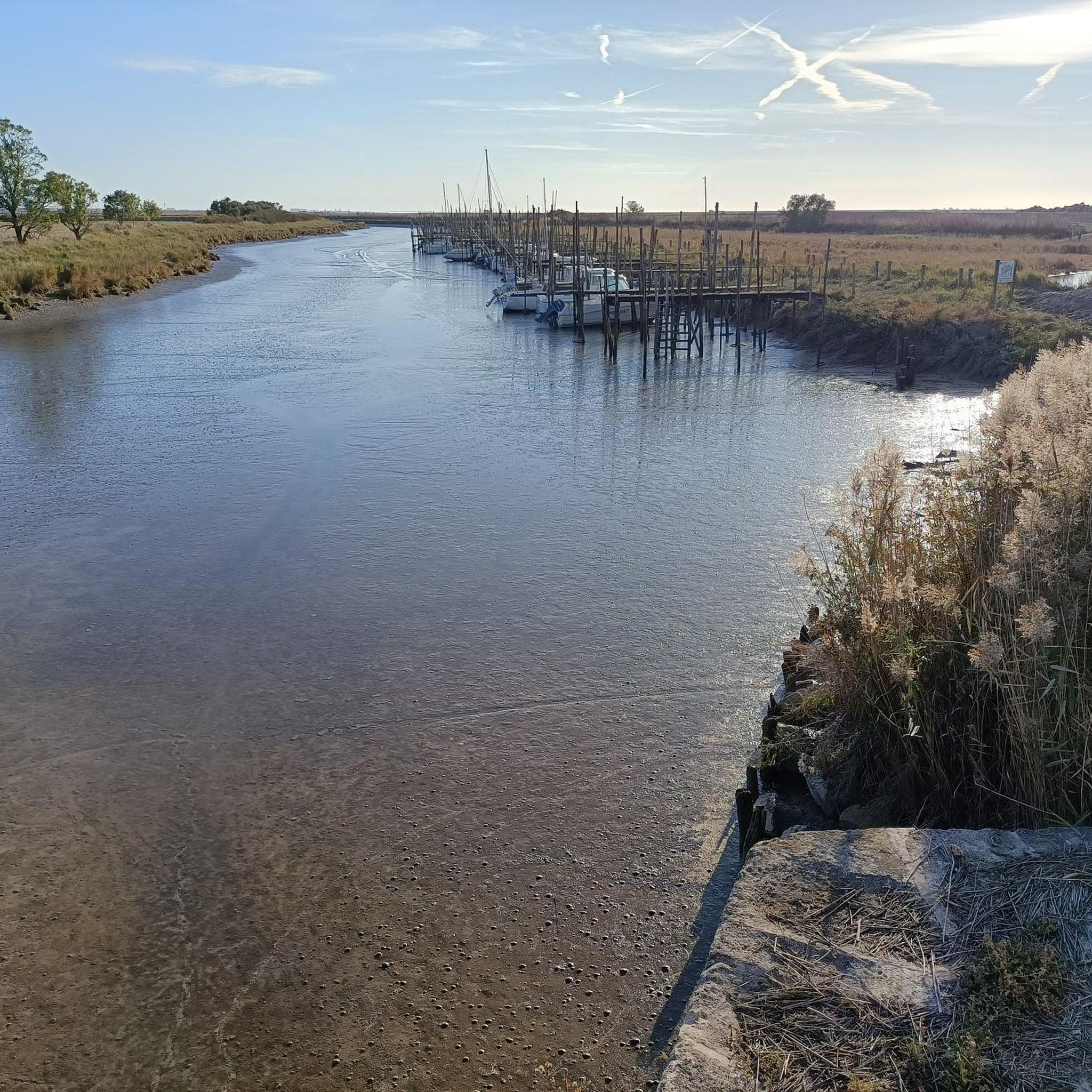
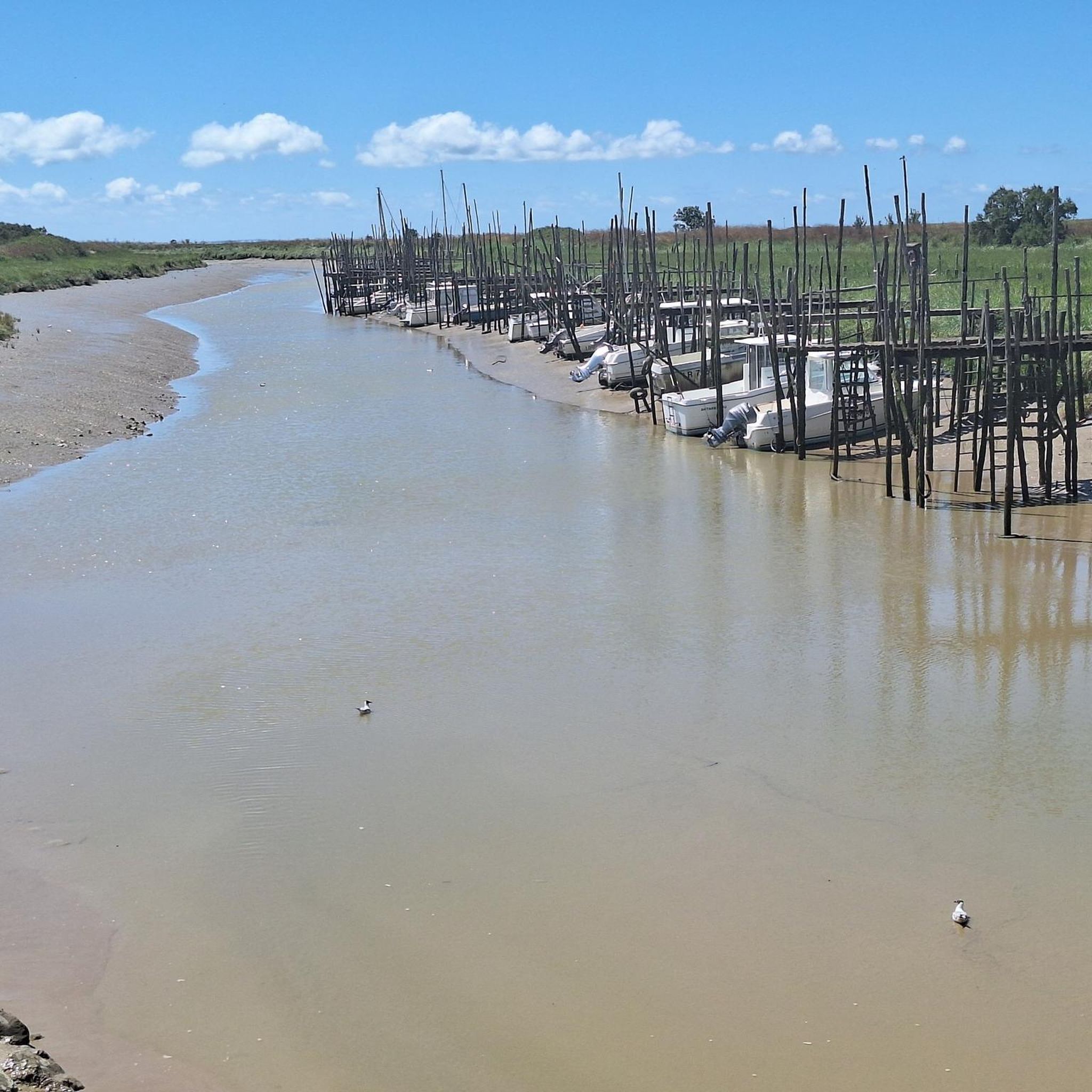
A charming little port where it is good to stop.
0
0

part of the course quite easily practicable. But beware of the wind from the marshes which can surprise you!!!
0
0

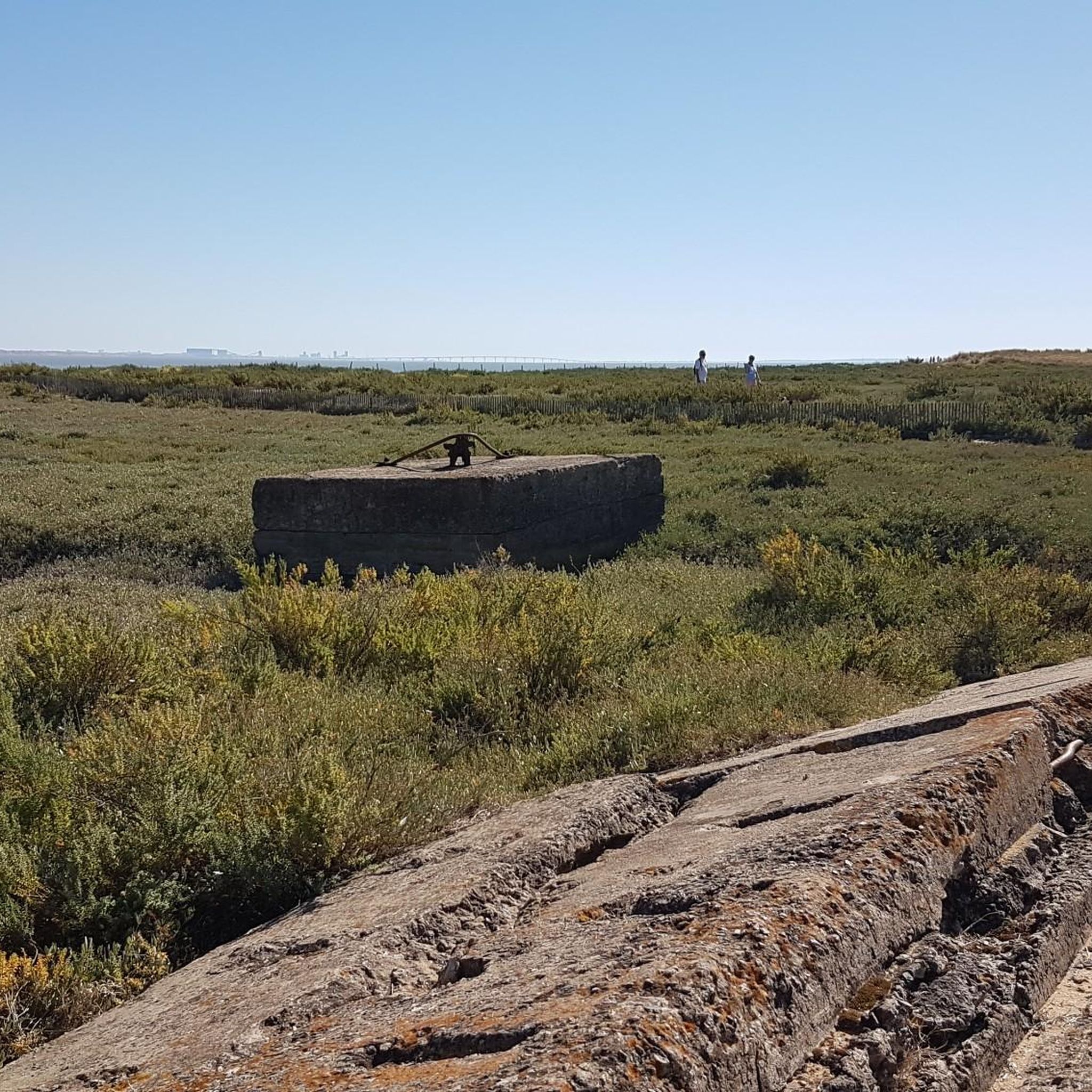
North of Baie de l'Aiguillon, this sandy point was once a protection for ships. A real break between the marsh and the sea, the dunes cohabit with the mudflats and salt meadows. Located in the middle of the migratory axis, the Pointe de l'Aiguillon allows you to observe more than 400,000 migratory birds each year. From April to August, be vigilant: the Kentish Plover breeds on the beach. To preserve the eggs and the broods, please walk DOWN the beach.
0
0
Frequently Asked Questions
What natural features can I explore around Sainte-Radégonde-Des-Noyers?
Sainte-Radégonde-Des-Noyers is nestled within the Marais Poitevin, often called the "Green Venice," an expansive wetland rich in biodiversity. You can explore its network of canals, natural prairies, and hydraulic structures. Key natural attractions include the Pointe de l'Aiguillon, a significant ornithological nature reserve, and the Réserve Naturelle Régionale du Marais de la Vacherie, both vital for migratory birds.
Where can I go for wildlife spotting, especially birds?
The region is a prime location for birdwatching. The Pointe de l'Aiguillon and the Réserve Naturelle Nationale de la Baie de l'Aiguillon are crucial stopovers for tens of thousands of migratory birds, particularly in spring and from mid-August. The Réserve Naturelle Régionale du Marais de la Vacherie also offers excellent opportunities to observe diverse wildlife within the Marais Poitevin.
What historical or cultural sites are there to visit?
The most notable historical site is the Église Sainte-Radégonde, believed to date partly from the 12th century, with a Gothic-era bell tower and stained-glass windows depicting the life of Sainte Radegonde. The village itself retains characteristic marsh village architecture from the 17th and 18th centuries, with narrow alleys. You can also see significant hydraulic structures like the Porte des Portes, which control water levels in the marsh.
Are there family-friendly activities or attractions?
Yes, several attractions are suitable for families. The Discovery trail between Esnandes and Pointe Saint-Clément is a quiet cycle path through woods and fields, leading to the coast, perfect for a family bike ride. The Pointe de l'Aiguillon offers a natural setting for walks and birdwatching, but be mindful of nesting Kentish Plovers from April to August by staying on designated paths.
What outdoor activities can I do near these attractions?
The area is ideal for outdoor activities, especially cycling and hiking. You can find numerous marked bike paths extending towards the Aiguillon, winding alongside the canals of the Marais Poitevin. There are also various hiking trails to explore the unique landscape where plains meet marshlands. For specific routes, explore the hiking, road cycling, and MTB routes guides around Sainte-Radégonde-Des-Noyers.
Are there easy walking trails suitable for all abilities?
Yes, the flat terrain of the Marais Poitevin offers many easy walking opportunities along canals and through polders. While specific difficulty ratings vary, many paths are suitable for leisurely strolls. For detailed options, refer to the hiking guide for Sainte-Radégonde-Des-Noyers, which includes routes like the easy 7.3 km "Port of Marans – Canal from Marans to La Rochelle loop from Marans".
What is the best time to visit Sainte-Radégonde-Des-Noyers for general tourism?
The spring and late summer/early autumn months are generally ideal. Spring offers lush greenery and active migratory bird populations. From mid-August, the Baie de l'Aiguillon becomes a vital stopover for tens of thousands of birds. The weather is typically pleasant for outdoor activities like cycling and walking during these periods.
Are there any notable ports or waterways to visit?
Yes, the Port of Marans is a significant location. Once a hub for commercial activity, it now serves as a pleasure port surrounded by restaurants, making it a pleasant spot to visit. The entire region is crisscrossed by canals, including the Canal du Clain, which are integral to the Marais Poitevin landscape.
Can I find places to eat or stay in Sainte-Radégonde-Des-Noyers or nearby?
While specific establishments within Sainte-Radégonde-Des-Noyers are not detailed, the nearby Port of Marans is known for having many restaurants. The village of Esnandes also offers two restaurants by the sea, along with local shops and amenities, making it a good option for dining and services.
What are the unique hydraulic structures in the area?
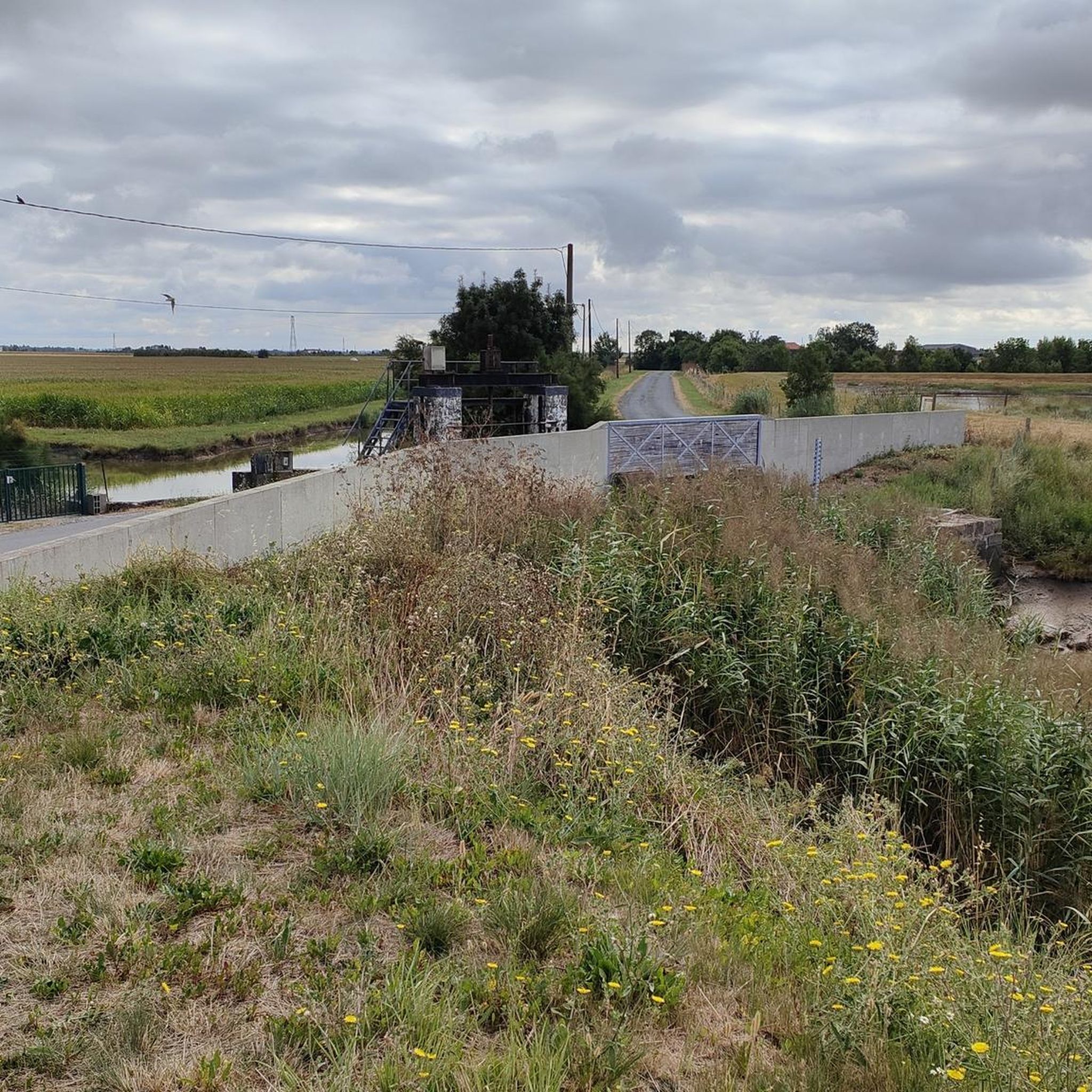
The region features various hydraulic structures essential for managing the marshland. The Porte des Portes is a prime example, functioning as locks on dikes to control water levels and prevent fluctuations from tides. Other structures like the "bonde du côteau" and the "porte des grands greniers" lock on the Canal du Clain also play a crucial role in the drainage and agriculture of the marsh.
Is the area suitable for cycling?
Absolutely. The area around Sainte-Radégonde-Des-Noyers is very popular for cycling, with marked bike paths extending towards the Aiguillon and through the polders of the Bay of Aiguillon. The Discovery trail between Esnandes and Pointe Saint-Clément is a great example of a quiet cycle path. You can find more options in the Road Cycling Routes guide for the region.
What is special about the village architecture?
The village of Sainte-Radégonde-Des-Noyers retains characteristic "urban" arrangements typical of marsh villages from the 17th and 18th centuries. You'll find narrow alleys bordered by dry stone walls, just wide enough for a wheelbarrow, offering a glimpse into the historical layout and lifestyle of the area.
Most popular routes around Sainte-Radégonde-Des-Noyers
Most popular attractions around Sainte-Radégonde-Des-Noyers

Get inspired with the komoot mobile app


Explore more
Still not found the Highlight you’re looking for? See guides of the top attractions in other regions:
