The best road cycling routes around La Caunette
4.7
(42)
784
riders
58
rides
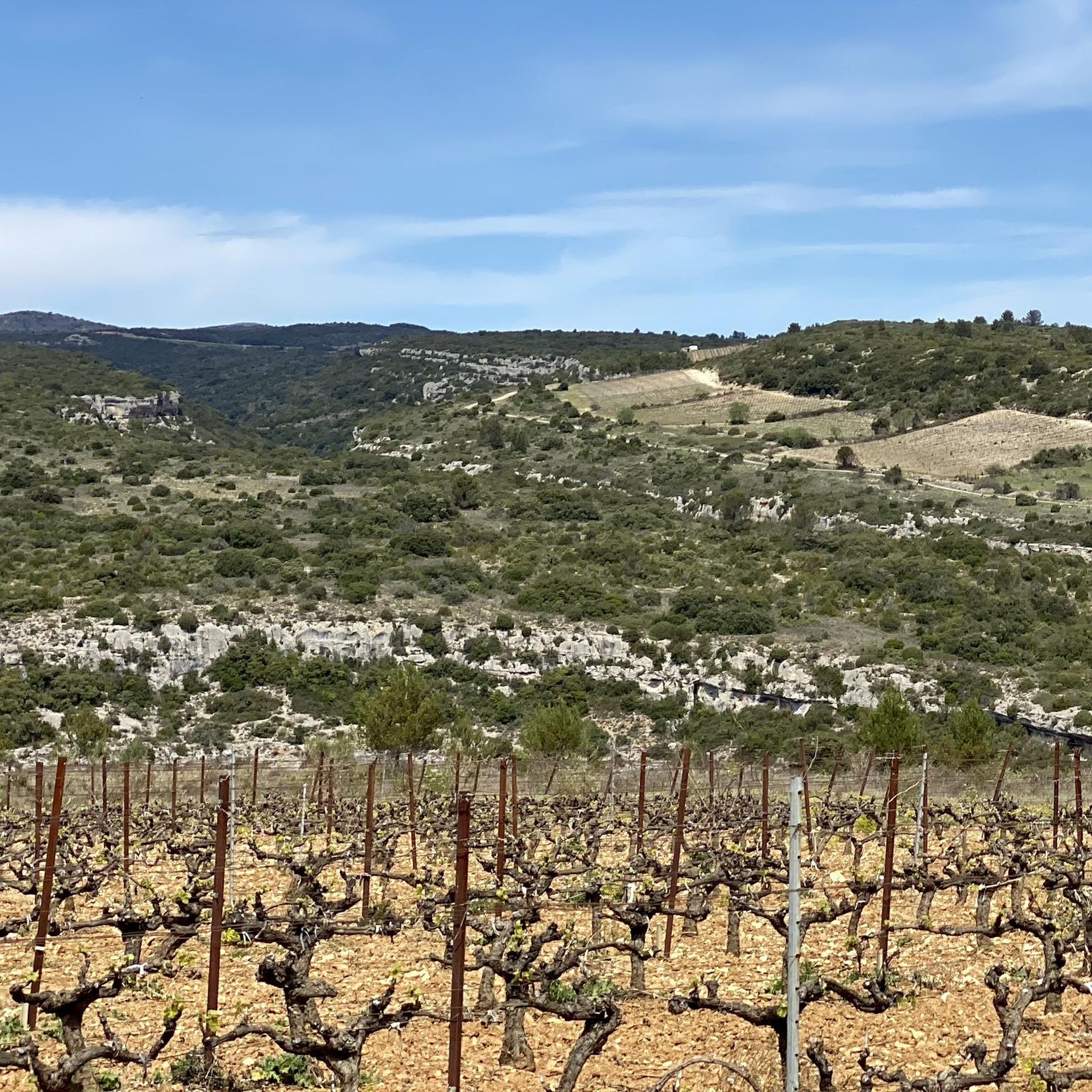
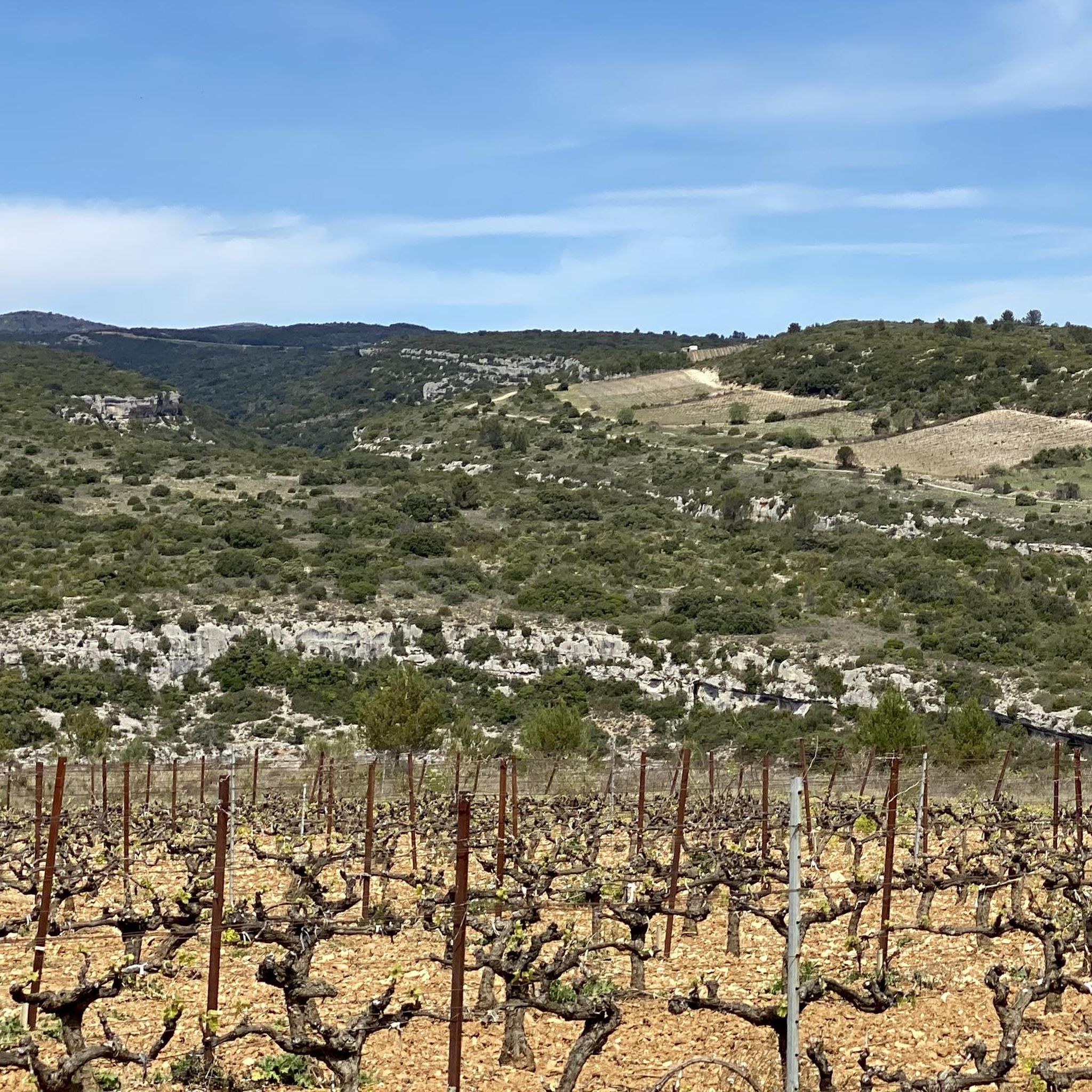
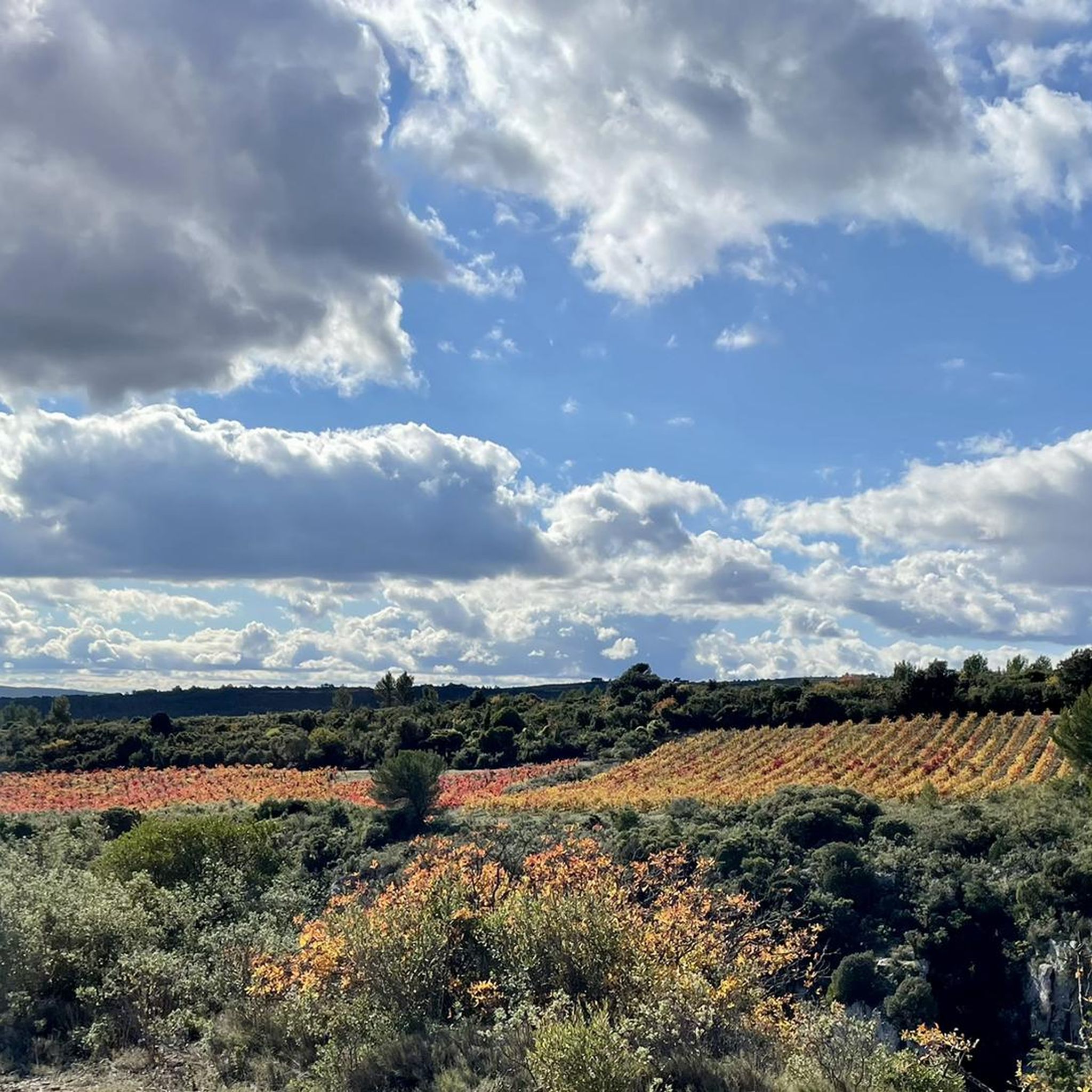
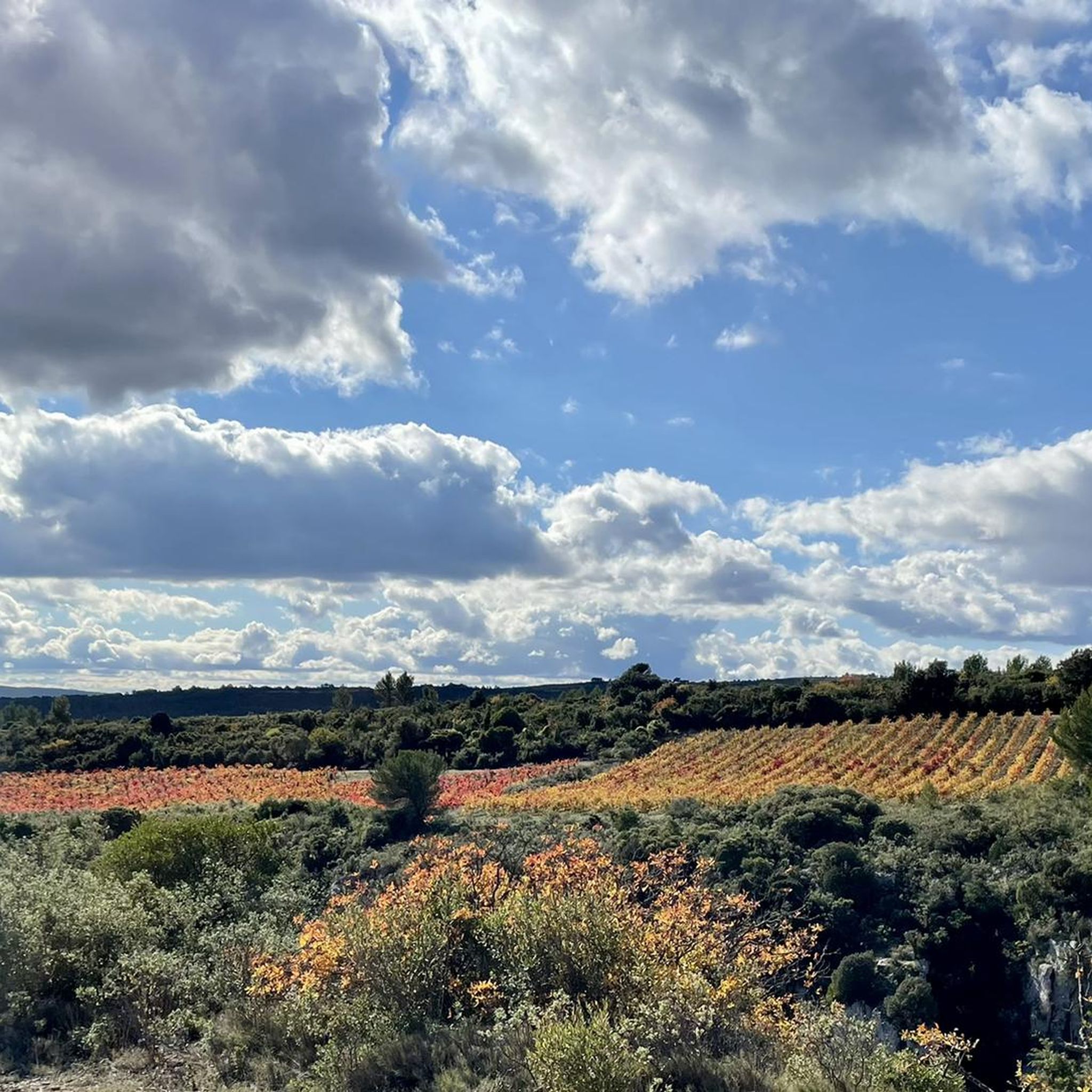
Road cycling around La Caunette offers diverse landscapes within the Minervois region of southern France. The area is characterized by impressive limestone formations, Mediterranean vegetation, and rivers carving deep canyons and gorges. Cyclists can navigate routes through picturesque villages and extensive vineyards, with options ranging from moderate to difficult, featuring significant elevation gains. The terrain includes mostly well-paved surfaces, providing varied road cycling experiences.
Best road cycling routes around La Caunette
- The most popular road cycling route is Grotte Pont…
Last updated: October 11, 2026
28
riders
45.2km
02:18
600m
600m
Moderate road ride. Good fitness required. Mostly well-paved surfaces and easy to ride.
5.0
(3)
27
riders
43.9km
02:22
450m
450m
Moderate road ride. Good fitness required. Some segments of this route may be unpaved and difficult to ride.

5.0
(2)
16
riders
34.7km
02:17
680m
680m
Moderate road ride. Good fitness required. Some segments of this route may be unpaved and difficult to ride.
4.3
(3)
19
riders
48.9km
03:16
1,020m
1,020m
Hard road ride. Very good fitness required. Some segments of this route may be unpaved and difficult to ride.
10
riders
28.9km
01:12
180m
180m
Easy road ride. Great for any fitness level. Mostly well-paved surfaces and easy to ride.
Get access to more routes and recommendations from other explorers.
Already have an account?
Our route recommendations are based on thousands of hikes, rides, and runs completed by other people on komoot.
Start today with a free account
Your next adventure awaits.

Tips from the Community

The Saint-Michel de Boisset church is a religious monument located in the commune of Boisset, in the Occitanie region. Although its existence is attested, the available sources do not specify its construction period or its detailed history. Current internal data does not allow us to trace its architectural evolution or its precise role in the local community. In the general context of Occitanie, rural churches like the one in Boisset traditionally served as places of worship, community gatherings, and spiritual landmarks for the inhabitants. These buildings, often built or remodeled between the Middle Ages and the modern era, reflected the religious practices and social dynamics of the surrounding villages. Their presence also marked the territorial organization around parishes, playing a central role in daily life and local festivals.
0
0
Boisset is a discreet village, nestled at the confluence of the Faillières and Maussac streams and surrounded by mountains at an altitude of 400m. Away from the village, on the main path leading to Rieussec, stands the Saint-Michel chapel, built in the 17th century. This peaceful place is worth the time for a restorative break in the heart of a welcoming nature.
0
0

Remarkable site, the village of Argens-Minervois, is built in an amphitheater on a promontory overlooking the Canal du Midi and the Aude river. Besides its old fortress (13th century), taken during the Albigensian Crusade by Simon de Montfort, visitors can consider various walks along the canal (locks), around the lake of Aiguilles, at Pech Laurier or at Mourrel Ferrat, an elysian (pre-Roman) site.
0
0
Remarkable site, the village of Argens-Minervois, is built in an amphitheater on a promontory overlooking the Canal du Midi and the Aude river. Besides its old fortress (13th century) taken during the crusade against the Albigensians by Simon de Montfort, visitors can consider various walks along the canal (locks), around the Aiguilles lake, at Pech Laurier or at Mourrel Ferrat, an Elysian (pre-Roman) site.
0
0

This industrial vestige recalls an activity that has since disappeared: the exploitation of lignite at the place called "La Mine", which marked local history until the mid-20th century. Lignite is a so-called "young" coal, formed by the accumulation and slow transformation of vegetation buried under sediments for several million years. Less rich in carbon than hard coal, it has a lower calorific value but could nevertheless be used as fuel. In La Caunette, it was mainly used to provide energy for local uses, particularly for artisanal and industrial activities requiring heat.
2
0
From the bridge over the Cesse, a magnificent perspective opens up onto La Caunette, a village nestled at the foot of the limestone reliefs of the Minervois. The houses clinging to the rock and the bell tower of the Notre-Dame de l’Assomption church create a landscape where the architecture seems to naturally extend the stone of the causse. Originating from the Occitan cauneta, meaning "small cavity", this term evokes the numerous cavities dug into the limestone that characterize this area.
2
0
Viewpoint over Azillanet ! A nice stop to enjoy a superb perspective over Azillanet, a village whose history dates back to at least the 9th century, when it was mentioned under the name of Azelanum.
2
0
In the heart of Cesseras, the Saint-Geniès church surprises with its elegance and medieval character. Built in the 15th century in the southern Gothic style, it retains a single nave, a polygonal choir, and beautiful stone vaults whose sculpted keystones bear witness to the know-how of the builders of the Minervois. Classified as a Historic Monument since 1933, it succeeded a first place of worship mentioned as early as 844. By lingering for a few moments before its stones, one discovers that the history of Cesseras dates back much further than the Middle Ages: the territory has been occupied since prehistoric times, while the village developed around an old feudal castle. Another interesting detail: the name Saint-Geniès recalls Saint Genès of Rome, a Christian martyr from the 3rd century.
2
0
Frequently Asked Questions
How many road cycling routes are available around La Caunette?
There are over 60 road cycling routes around La Caunette, catering to various skill levels. You'll find 5 easy routes, 45 moderate routes, and 19 difficult routes to explore the Minervois region.
What kind of terrain can I expect on road cycling routes in La Caunette?
The terrain around La Caunette is diverse, featuring impressive limestone formations, Mediterranean vegetation, and extensive vineyards. Routes often include significant elevation gains, with rivers carving deep canyons and gorges. Surfaces are mostly well-paved, offering a varied road cycling experience.
Are there any challenging climbs for experienced road cyclists in the La Caunette area?
Yes, the region offers several challenging routes with significant elevation gains. For instance, the View to olonzac – Minerve loop from Aigne is a difficult 63.1 km path with over 1,180 meters of ascent, providing panoramic views and a demanding ride.
What are some scenic viewpoints or landmarks to look out for while cycling?
Many routes offer stunning views. The medieval village of Minerve, perched dramatically at the confluence of the Brian and Cesse rivers, is a major highlight. You can also encounter natural features like the Grotte Pont Petite and the Brian Gorges, which add to the scenic beauty.
Are there any circular road cycling routes starting directly from La Caunette?
Yes, you can find circular routes starting from La Caunette. A notable option is the Minerve – Giant Bicycle Sculpture loop from La Caunette, a moderate 26.7 km route that includes a unique 'Giant Bicycle Sculpture' landmark.
What do other road cyclists say about the routes in La Caunette?
The road cycling routes in La Caunette are highly rated by the komoot community, with an average score of 4.7 stars from over 40 reviews. Cyclists often praise the diverse landscapes, well-paved surfaces, and the charming villages encountered along the way.
Are there any routes that pass through historical sites or villages?
Absolutely. The region is rich in history. Many routes will take you through picturesque villages like Minerve, known for its medieval architecture and dramatic setting. La Caunette itself has an 11th-century church and historical references to Roman roads.
Can I find routes that are suitable for a moderate fitness level?
Yes, the majority of road cycling routes around La Caunette are classified as moderate, with 45 such options available. An example is the Grotte Pont Petite – Minerve loop from Aigne, a 51 km route with over 700 meters of elevation gain, offering a rewarding ride without being overly strenuous.
What natural features can I expect to see while road cycling in this region?
The area is characterized by impressive limestone formations and Mediterranean vegetation. You'll frequently encounter deep canyons and gorges carved by rivers like the Cesse and Brian, including the Brian Gorges and the Grotte Pont Petite, which features walkable cave tunnels.
Are there any routes that offer views of vineyards?
Yes, the hillsides around Minerve are renowned for their vineyards, producing excellent wines. Many road cycling routes will take you through these scenic wine-growing landscapes, adding to the picturesque charm of your ride.
What is the best time of year to go road cycling in La Caunette?
While specific seasonal conditions are not detailed, the region benefits from a pleasant Mediterranean environment. Generally, spring and autumn offer ideal temperatures for cycling, avoiding the peak heat of summer while still enjoying good weather.
Are there any routes that are relatively flat for a more relaxed ride?
While many routes feature elevation gains, some stretches, particularly roads leading to villages like Quarante, Assignan, and Rieux-Minervois, offer relatively flat asphalt surfaces. These can provide enjoyable rides through charming villages for those seeking less strenuous options.
Most popular routes around La Caunette
Most popular attractions around La Caunette

Get inspired with the komoot mobile app


Explore more
Browse the best Road cycling routes in other regions.
