Attractions and Places To See around Cravant - Top 20
Best attractions and places to see around Cravant, a commune in the Yonne department, are characterized by its strategic location at the confluence of the Cure and Yonne rivers. The area features historical landmarks, cultural sites, and natural landscapes, including vineyards and the Canal du Nivernais. Cravant holds historical significance, notably its role in the Hundred Years' War. The region offers a blend of historical insights and natural beauty.
Best attractions and places to see around Cravant
- The most popular…
Last updated: October 9, 2026
Royal Basilica of Our Lady of Cléry
Highlight • Historical Site
Translated by Google •
Tip by

Meung-sur-Loire
Highlight • Settlement
Translated by Google •
Tip by

Sign up now to discover places like this
Get recommendations on the best single tracks, peaks, & plenty of other exciting outdoor places.
Château de Beaugency
Highlight • Castle
Translated by Google •
Tip by

Historic washing area - Lavoir
Highlight • Other
This is how it typically worked:
Translated by Google •
Tip by

Path along the Loire
Highlight (Segment) • Trail
Translated by Google •
Tip by

Sign up for free to discover even more attractions around Cravant.
Already have an account?
Start today with a free account
Your next adventure awaits.
Tips from the Community

It's also a lovely place to rest in the shade and cool your feet. But be careful! Due to the algae deposits, the ground is very slippery, so it's best to step in very carefully.
1
0
Historical washing place – in French, this is called a lavoir. In the past, before washing machines existed, villagers used these covered basins to wash their laundry. This is how it typically worked: Water source: The basin was usually directly connected to a spring or stream, so fresh water constantly flowed in and dirty water drained away. Working method: The women (often "women's work") knelt or stood at the edge of the basin and scrubbed clothes on washboards or directly on inclined stone slabs. Soap & Ash: Homemade soap or a solution made from wood ash was used. Rinsing & Wringing: The laundry was rinsed in clear water, wrung out vigorously, and then hung up to dry. Social meeting place: In addition to work, the lavoir was also a place for chatting, exchanging news, and sometimes even gossiping – essentially the village's "social network." Your photo also shows well how there are several pools
1
0


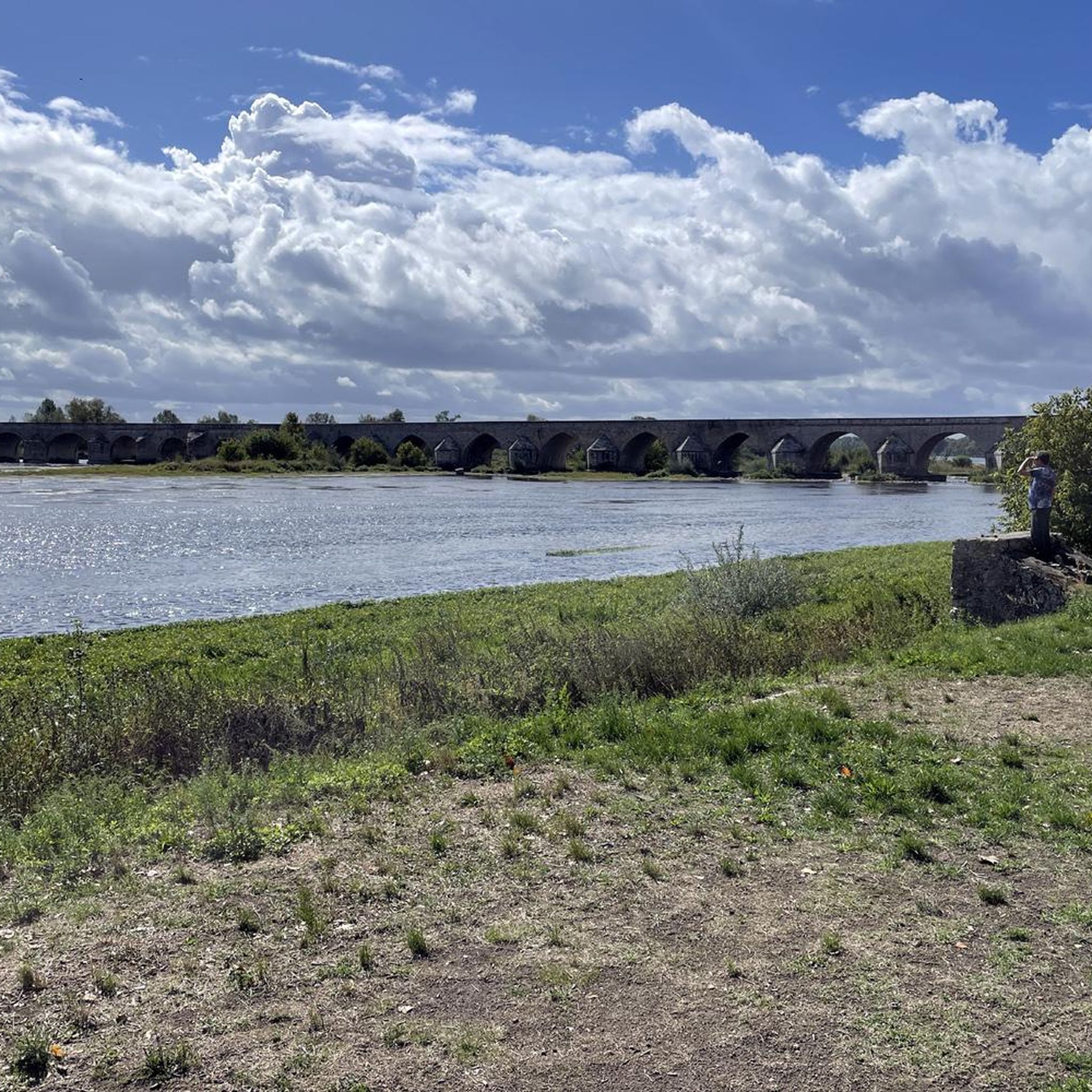
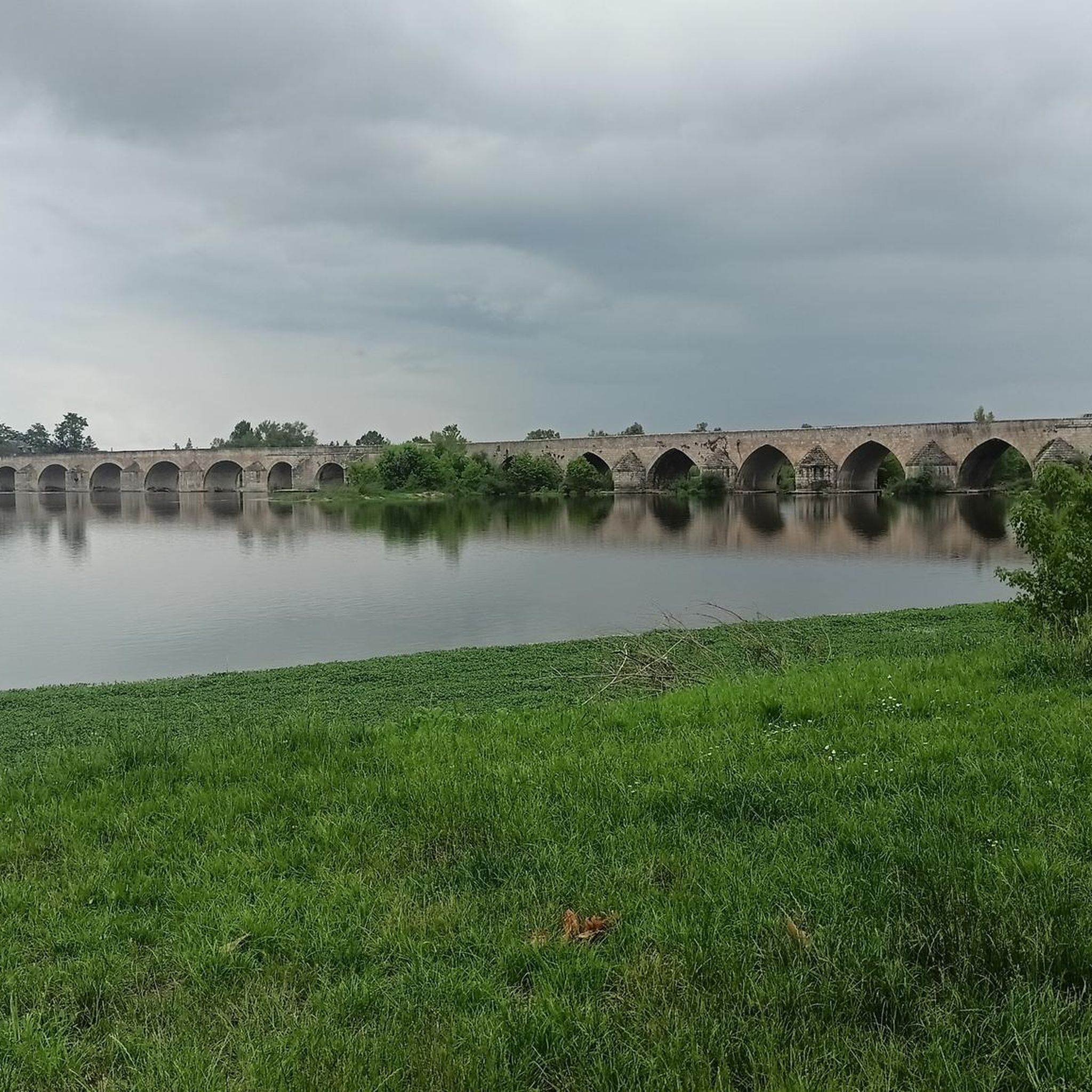
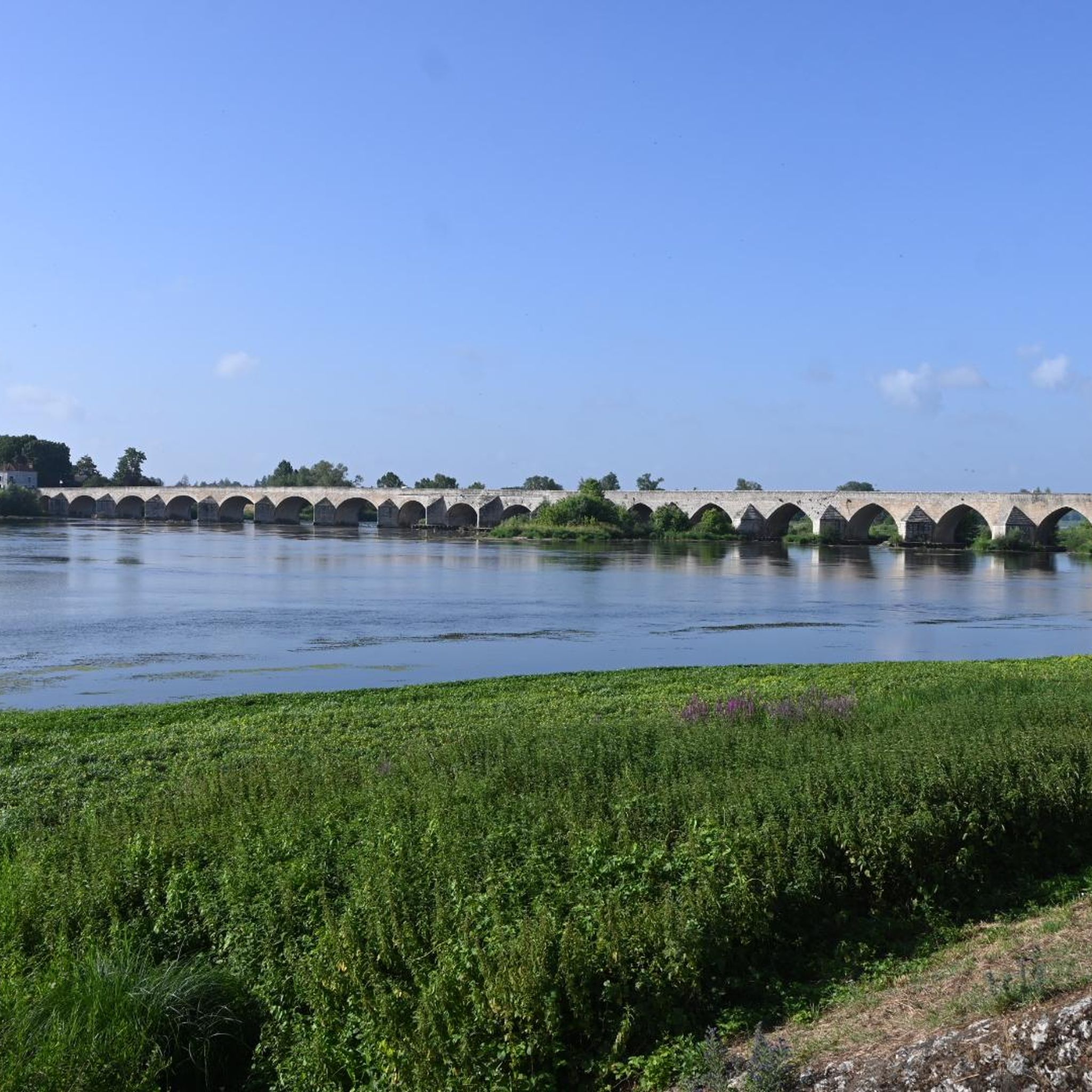
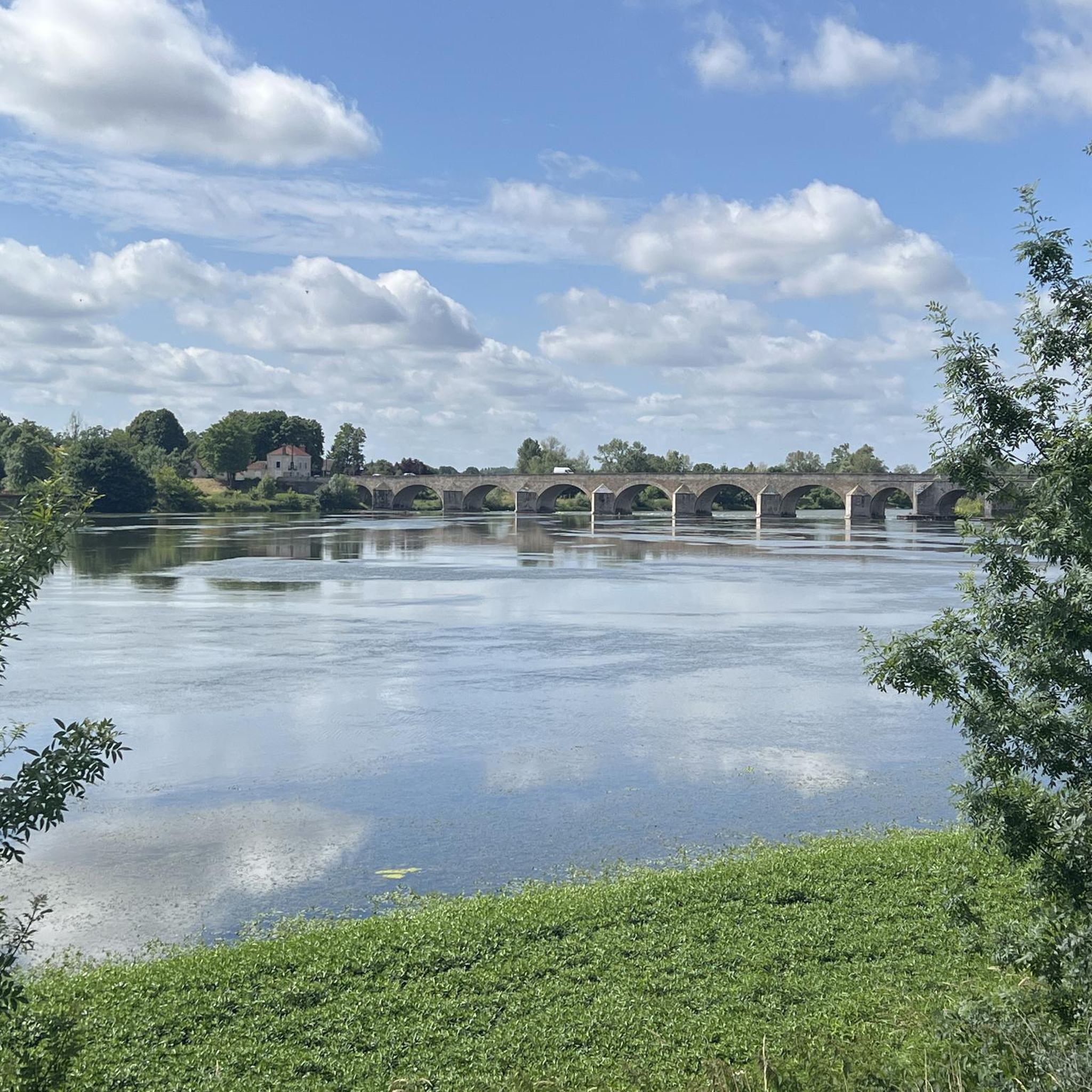
According to legend, the Devil took refuge in the castle after having built the magnificent Pont de Beaugency in one night.
1
0

A beautiful little town with wine, market and tradition
1
0

A beautiful castle to visit with its many activities.
1
0
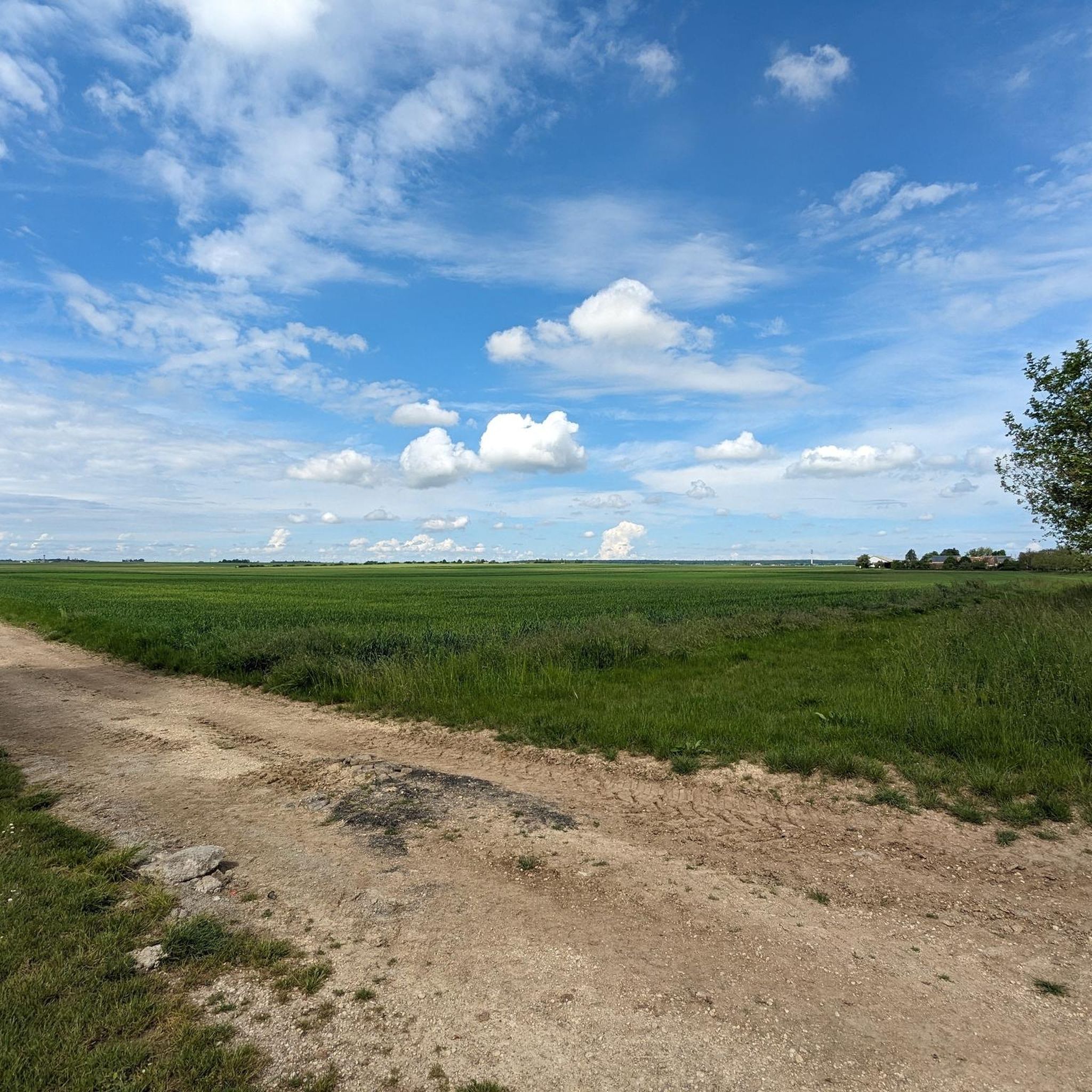
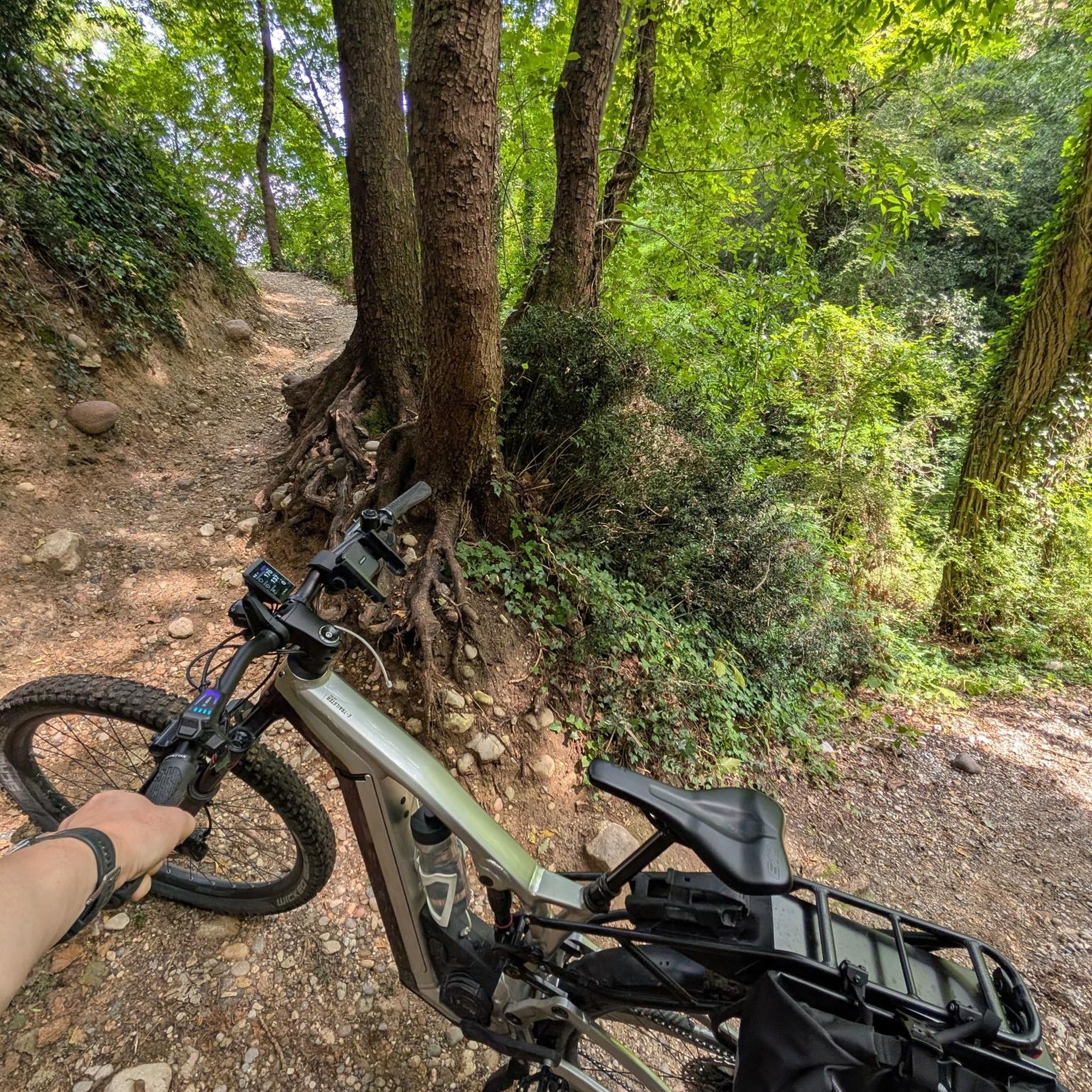
Very gravel, a beautiful track
0
0
Frequently Asked Questions
What historical landmarks can I explore in Cravant?
Cravant boasts several significant historical landmarks. You can visit the Church of Saints Peter and Paul, known for its unique architectural style and historical prominence. Other notable sites include the 14th-century Cravant Keep, the 22-meter tall Tour de l'Horloge (Belfry) which was part of the town's ramparts, and the charming Château du Chastenay with its sculpted frieze and Jacquaire shell.
What natural features are prominent around Cravant?
The region around Cravant is defined by its natural beauty, particularly the confluence of the Cure and Yonne rivers, which was historically vital for trade. The Canal du Nivernais also borders Cravant, offering scenic towpaths. You'll find picturesque vineyards overlooking the Yonne valley and numerous marked trails along the rivers for pleasant walks.
Are there any museums or cultural sites in Cravant?
Yes, Cravant is home to the Pierre Merlier Museum, which showcases the diverse works of the artist Pierre Merlier, including sculptures and paintings. Additionally, the 15th-century market halls, known as Halles du XVe siècle, have been transformed into the municipal library, offering a glimpse into the town's past.
What is the historical significance of Cravant?
Cravant holds significant historical importance, particularly its role in the Hundred Years' War. It was the site of the pivotal Battle of Cravant on July 31, 1423, where Anglo-Burgundian forces defeated a Franco-Scottish army. A monument near the Cravant Keep commemorates the soldiers who fell during this battle.
What family-friendly attractions can we visit near Cravant?
Several attractions near Cravant are suitable for families. You can explore Meung-sur-Loire, a medieval town with a castle-park. The Royal Basilica of Our Lady of Cléry is also considered family-friendly. For outdoor enjoyment, the towpath along the Canal du Nivernais is great for walking or cycling, and the Jardin de Roquelin offers a beautiful garden experience with farm animals.
Where can I find cycling routes around Cravant?
Cravant is an excellent base for cycling. You can find various routes, including MTB, touring bicycle, and gravel biking options. For example, there are routes like 'The Harbour Master's Office – César Tower loop from Beaugency' for MTB or 'Meung-sur-Loire – Pont de Muides-sur-Loire loop from Baule' for touring bicycles. Explore more options on the dedicated cycling guides: Cycling around Cravant, MTB Trails around Cravant, and Gravel biking around Cravant.
Are there easy walking trails near Cravant?
Yes, Cravant offers several pleasant walking opportunities. You can enjoy numerous marked trails along the Cure and Yonne rivers. The towpath alongside the Canal du Nivernais also provides a scenic and relatively flat route for walking, allowing you to enjoy the surrounding nature and picturesque landscapes.
What is special about the <a href="https://www.komoot.com/highlight/1780542" target="_blank" rel="noopener">Royal Basilica of Our Lady of Cléry</a>?
The Royal Basilica of Our Lady of Cléry is a historical site renowned for its flamboyant Gothic architecture. It is particularly significant as it houses the tomb and skull of King Louis XI. The basilica has been a place of pilgrimage since the discovery of a statue of the Virgin in 1280 and has held the title of Basilica since 1894.
What can I expect when visiting <a href="https://www.komoot.com/highlight/5880108" target="_blank" rel="noopener">Meung-sur-Loire</a>?
Meung-sur-Loire is a charming settlement on the Loire River, known for its medieval town with winding streets and historical monuments. Visitors can enjoy a stroll back in time and explore the Meung-sur-Loire castle-park, which is considered a must-see monument in the Loire Valley.
Can I visit other heritage sites from Cravant?
Cravant serves as a convenient base for exploring other significant heritage sites in the Yonne department. You can easily reach the Vézelay basilica St Madeleine, a monument on French pilgrim routes located about 24km away, or visit Auxerre, which is 16km away and features a cathedral and a historic city center.
What is the <a href="https://www.komoot.com/highlight/910835" target="_blank" rel="noopener">Jardin de Roquelin</a>?
The Jardin de Roquelin is a remarkable garden located in Meung-sur-Loire, perfect for rose lovers. It features over 500 varieties of old roses, along with other plants and shrubs. Visitors can stroll along grassy paths, admire the colors and fragrances, observe farm animals, and purchase roses or homemade jams. It's open from April to October, except Tuesdays.
What is the <a href="https://www.komoot.com/highlight/294534" target="_blank" rel="noopener">Château de Beaugency</a>?
The Château de Beaugency is an 11th-century castle located in the heart of the medieval town of Beaugency. Once owned by the lords of Beaugency and later the French crown, it now houses a Digital Art Center, making it one of France's leading cultural centers dedicated to digital art. The exhibition has been newly renovated and showcases medieval objects.
Most popular routes around Cravant
Most popular attractions around Cravant

Get inspired with the komoot mobile app


Explore more
Still not found the Highlight you’re looking for? See guides of the top attractions in other regions:
