The best cycling routes around Ercé-En-Lamée
4.4
(48)
423
riders
91
rides
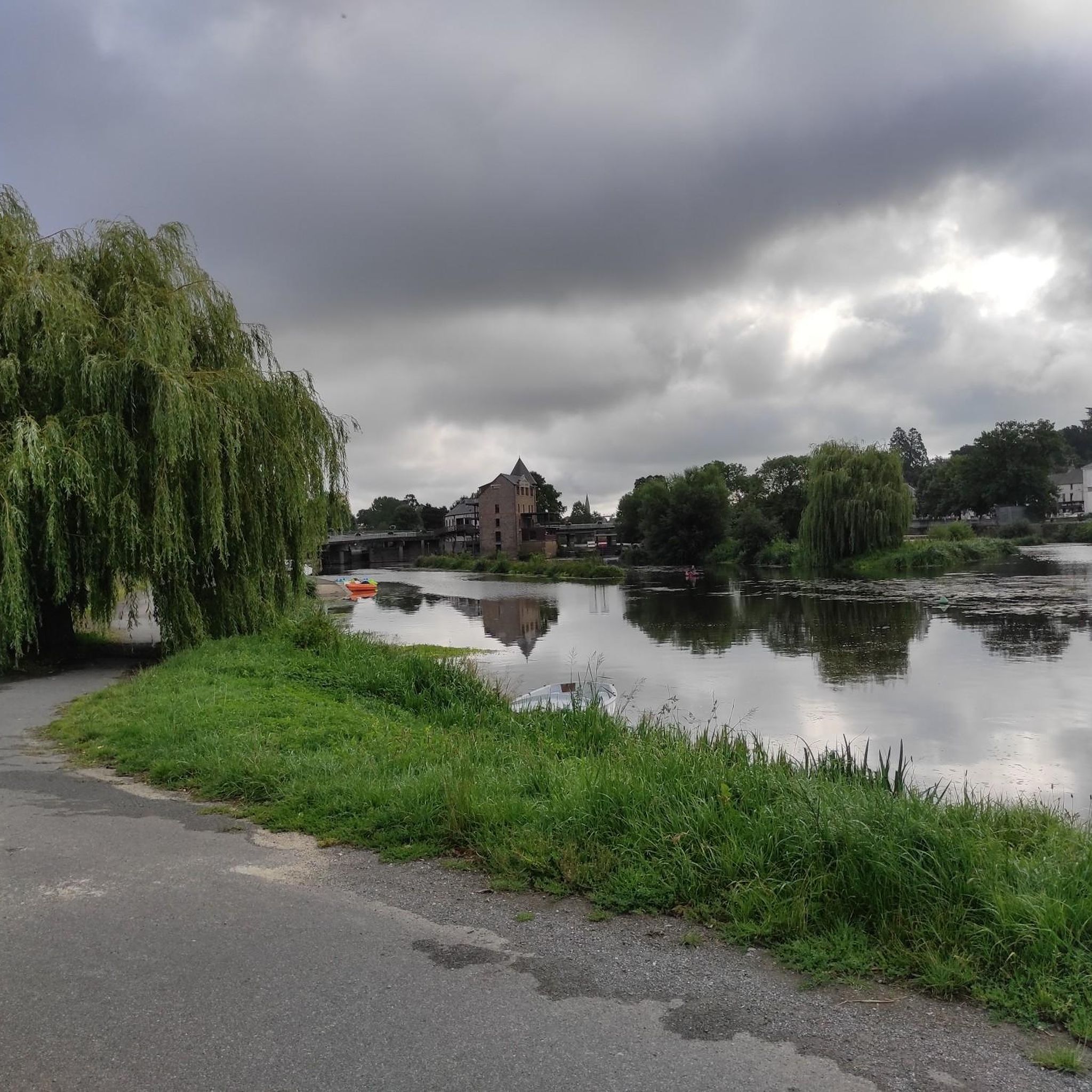
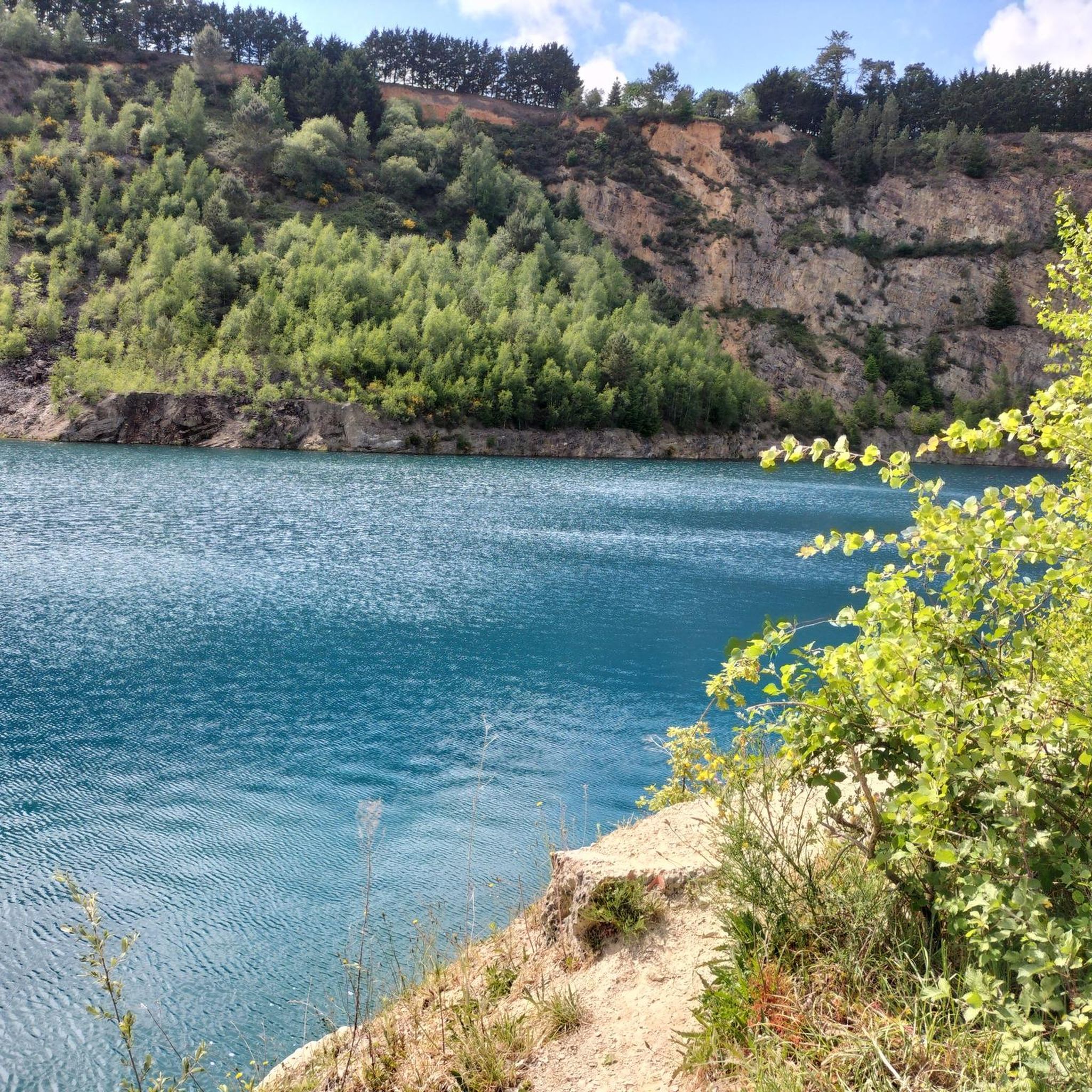
Touring cycling routes around Ercé-En-Lamée traverse a landscape characterized by the Semnon River and its historical mills, alongside extensive forests like Bois de La Chenais and Bois de la Guerinais. The area features a mix of countryside and moderately hilly terrain, providing diverse backdrops for cycling. Greenways, including a section of the former Ploërmel-Châteaubriant railway line, offer accessible paths through varied natural settings and past several lakes.
Best touring cycling routes around Ercé-En-Lamée
- The most popular touring cycling route is…
Last updated: July 4, 2026
3.7
(3)
36
riders
32.6km
02:43
220m
220m
Moderate bike ride. Good fitness required. Mostly paved surfaces. Suitable for all skill levels.
3.0
(4)
38
riders
Moderate bike ride. Good fitness required. Mostly paved surfaces. Suitable for all skill levels.

Sign up for free
2.7
(3)
18
riders
Hard bike ride. Very good fitness required. Mostly paved surfaces. Suitable for all skill levels.
4.0
(2)
14
riders
42.5km
03:10
490m
490m
Hard bike ride. Very good fitness required. You may need to push your bike for some segments of this route.
10
riders
22.7km
01:46
230m
230m
Moderate bike ride. Good fitness required. Mostly paved surfaces. Suitable for all skill levels.
Get access to more routes and recommendations from other explorers.
Sign up for free
Already have an account?
Our route recommendations are based on thousands of hikes, rides, and runs completed by other people on komoot.
Start today with a free account
Your next adventure awaits.
Login or Signup


Tips from the Community

Hello, your Point of Interest • 10 km cycle path from Rougé to Châteaubriant (48°16'19.6"N 1°39'50.1"W) is not located correctly on the map. Here are the correct coordinates: 47°46'48.7"N 1°27'11.3"W. Sincerely
0
0

nighttime. A medieval fortress and Renaissance building, Châteaubriant Castle recounts ten centuries of history. In the Middle Ages, Châteaubriant Castle was at the heart of the Marches of Brittany. It served as a stronghold defending the duchy against the Kingdom of France. The keep, ramparts, seigneurial chapel, and the medieval courtyard lodgings still bear witness to the power of this fortress. In the 16th century, the bailey became a residence opening onto the gardens. The castle gardens are open to the public from February to December. Visit maps are available at the reception-shop for a better understanding of the site. A 3D space allows you to discover, with free access, the architectural evolution of the castle, from the 11th century to the present day. From February to December, heritage mediators will accompany you on an in-depth tour of the castle, its keep, and its gardens. During school holidays, family workshops allow parents and children to develop their creativity or spark their curiosity! Opening days: Gardens are open to the public, Wednesday to Sunday: 9am-6pm (February-March and October-December) or 9am-7:30pm (April-September). Prices: - Free entry for those over €0.00 (Free access to the château gardens) - Individual adult rate from €3.00 to €6.00 (Guided tours, free for those on minimum income and special cards) - Individual child rate from €0.00 (Guided tours free for those under 26) - Individual child rate from €0.00 (Guided tours free for those under 26) Child from €4.00 to €8.00 (Family activity) - Adult group rate from €5.00 (From 15 people) Payment methods: Credit cards - Bank and postal checks - Cash Tours Self-guided tours (individual): Yes Guided tours (individual): Yes Average visit duration (individual): 1 hour Self-guided tours (groups): Yes Guided tours on request (groups): Yes Guided tours (groups): Yes Average visit duration (groups): 1 hour Languages: Tour: French, English - Signs: French, English Services: Interactive kiosk - Shop - WiFi Additional information: Groups of 15 people or more are welcome - Pets allowed (Dogs on leashes are allowed in the park.) - Points of interest visible without a tour Access Location: SNCF train station: 0.5 km
0
0

The castle is a self-guided tour. A little tip: there are bike racks inside the castle, just beyond the entrance.
1
0

Private mill, accessible to the public (passed in May 2025)
0
0

A medieval fortress and Renaissance building, Chateaubriant Castle tells the story of ten centuries of history. In the Middle Ages, the castle was at the heart of the Marches of Brittany. It served as a stronghold that defended the duchy against the Kingdom of France. The keep, ramparts, seigneurial chapel, and medieval courtyard lodgings still bear witness to the power of this fortress. In the 16th century, the bailey became a residence opening onto the gardens.
1
0

A medieval fortress built around 1050 and a Renaissance building, Châteaubriant castle tells ten centuries of history. Guided tours are possible.
0
0

This greenway was built on the old railway line which linked Châteaubriant to Ploërmel. In its heyday at the start of the last century, trains were essentially freight trains that transported iron mined in the region.
0
0

Châteaubriant Castle is a medieval castle transformed into a Renaissance palace. There you can discover the impressive fortifications, the elegant dwellings and the mysterious legend of Françoise de Foix, who died in the castle under mysterious circumstances. You can also admire the exhibition “In the Ink of Dreams”, which presents the works of contemporary artists inspired by the castle and its history. The castle is open every day from 9:00 a.m. to 6:00 p.m.
3
0
Frequently Asked Questions
How many touring cycling routes are available around Ercé-En-Lamée?
There are over 70 touring cycling routes in the Ercé-En-Lamée area, offering a wide range of options for different preferences and skill levels. These routes traverse diverse landscapes, including river valleys, forests, and greenways.
What types of cycling routes can I expect in Ercé-En-Lamée?
The region is well-known for its "voies vertes" (greenways) which are flat, car-free paths often built on former railway lines or canal towpaths. You'll also find routes through varied countryside, along the Semnon River, and through ancient woodlands like Bois de La Chenais and Bois de la Guerinais. The routes range from easy to difficult, with some featuring moderate elevation gains.
Are there any family-friendly cycling routes in the area?
Yes, the "voies vertes" are particularly suitable for families due to their flat, traffic-free nature. A notable option is a section of the former Ploërmel-Châteaubriant railway line, which offers a historical and accessible immersion into nature for all ages. Routes like the Railway station – Voie Verte Gravel Path loop from Teillay are generally well-suited for a family outing.
What are the main attractions or points of interest along the cycling routes?
Cyclists can discover several interesting spots. You might encounter the Greenway from Châteaubriant to Rougé, or historical sites like the Musée des Mines de la Brutz. The region also features charming villages and natural beauty spots, including the Semnon River and various lakes. Don't miss Le Parc Marcel Boisnard in Ercé-en-Lamée, known for its rhododendrons.
Are there any circular touring cycling routes in Ercé-En-Lamée?
Yes, many routes are designed as loops, allowing you to start and finish in the same location. For example, the Voie Verte Gravel Path – Bain-Châteaubriant greenway loop from Bain-de-Bretagne offers a circular experience exploring greenways and varied countryside. Another option is the Bike loop from Pancé, which takes you through the local countryside.
What is the best time of year for touring cycling in Ercé-En-Lamée?
Brittany generally offers pleasant cycling conditions from spring through autumn. Spring (April-May) is beautiful with blooming rhododendrons in places like Le Parc Marcel Boisnard, while summer (June-August) provides warm weather. Autumn (September-October) offers cooler temperatures and vibrant foliage. Always check local weather forecasts before heading out.
What are the options for public transport to Ercé-En-Lamée for cyclists?
The Ille-et-Vilaine department, where Ercé-En-Lamée is located, is part of the BreizhGo regional transport network. Some BreizhGo bus lines may offer bike carriage, but it's essential to check the specific line and service details in advance, as policies can vary. For detailed information on routes and bike transport, consult the official BreizhGo website or local transport authorities.
Where can I find parking for my bike tour in Ercé-En-Lamée?
Parking is generally available in and around Ercé-En-Lamée, especially near access points to the "voies vertes" and in village centers. For specific routes, it's advisable to check the starting point of your chosen tour on komoot for parking suggestions. Many routes, like those starting from Teillay or Bain-de-Bretagne, will have designated parking areas.
Are there accommodations or services for cyclists in Ercé-En-Lamée?
Yes, the region is cyclist-friendly. Some accommodations, such as Domaine de la Tarais, hold the "Accueil Vélo" label, indicating they offer services tailored for cyclists. These typically include secure bike storage, washing stations, repair kits, and maps. You'll also find cafes and restaurants in the villages along the routes to refuel.
What do other touring cyclists enjoy most about cycling in Ercé-En-Lamée?
The area is highly rated by the komoot community, with an average score of 4.3 stars from over 50 reviews. Reviewers often praise the quiet woodlands, the well-maintained greenways, and the diverse scenery that combines river valleys with moderately hilly terrain. The accessibility of the "voies vertes" is also a frequently highlighted positive aspect.
Can I bring my dog on the cycling routes in Ercé-En-Lamée?
Many greenways and public paths in France, including those in Brittany, are generally dog-friendly, provided dogs are kept on a leash. However, it's always best to check specific regulations for individual routes or natural areas you plan to visit. Ensure your dog is comfortable with cycling and that you carry water for them.
Most popular routes around Ercé-En-Lamée
Most popular attractions around Ercé-En-Lamée

Get inspired with the komoot mobile app


Explore more
Browse the best Cycling routes in other regions.
