Attractions and Places To See around Les Lucs-Sur-Boulogne - Top 20
Best attractions and places to see around Les Lucs-Sur-Boulogne include a mix of historical sites, cultural landmarks, and natural areas. The region is characterized by its connection to the Vendée Wars and the green setting of the Boulogne Valley. Visitors can explore sites commemorating historical events, along with various walking trails and natural parks. The area offers a blend of historical reflection and outdoor exploration.
Best attractions and places to see around Les Lucs-Sur-Boulogne
- The most popular attractions is The…
Last updated: October 19, 2026
The Old Bridge of Rocheservière
Highlight • Bridge
Translated by Google •
Tip by

Stone of the Farfadets
Highlight • Other
Translated by Google •
Tip by

Sign up now to discover places like this
Get recommendations on the best single tracks, peaks, & plenty of other exciting outdoor places.
Château de la Touche
Highlight • Other
Translated by Google •
Tip by
Grasla Refuge
Highlight • Mountain Hut
Translated by Google •
Tip by

Ruins of Château de Palluau
Highlight • Castle
Translated by Google •
Tip by
Sign up for free to discover even more attractions around Les Lucs-Sur-Boulogne.
Already have an account?
Start today with a free account
Your next adventure awaits.


Tips from the Community

The association that managed the Refuge de Grasla has, alas, gone out of business and the site is closed. A real shame...
0
0

The Château would date from the mid-13th century; at the time it was a true fortress, flanked by six towers and surrounded by wide moats. From the 12th to the 14th century, this fortified castle served as a lock between Brittany and Poitou, in this border region where numerous strongholds stood: Pornic, Machecoul, Clisson, Tiffauges, Champtocé in the Marches of Brittany facing Commequiers, La Garnache, Palluau, Montaigu, Pouzauges, in lower Poitou. In the 17th century, Philippe de Clérembault, who inherited the family estate, was promoted to Marshal of France by the young King Louis XIV, and then undertook to rebuild his Château de Palluau to transform the old fortress into a modern castle, retaining the six large medieval towers and including between them a building covered with a Mansart roof, topped by a dome. The Marshal's castle was a unique building in all of Poitou: "the most regular and the most accomplished that exists in the region", according to Claude Masse, famous engineer-geographer to Louis XIV. Abandoned by its owners during the Revolution, the large empty residence served as a stronghold for the royalists in 1793 and its underground passages, as dungeons for republican prisoners. On February 8, 1794, a Republican Column set fire to the Château and the Church of Palluau. The site has never been rebuilt, nor even consolidated since. It remains in a state of ruin abandoned to vegetation. The Château de Palluau must have been a magnificent residence, judging by the imposing ruins that remain and by the plans and watercolor drawings by Claude Masse, which are preserved at the Museum of Engineering in Vincennes.
0
0

I couldn't get as close as guigui during his hike because a barrier blocked the path. You can see it well despite everything.
0
0
It was here, in wooden huts, that the civilian population fled General Turreau's infernal columns. From the road, you can't see much, but the visit seems interesting. A pretty pond is nearby with picnic tables and a small bar serving drinks and ice cream.
0
0


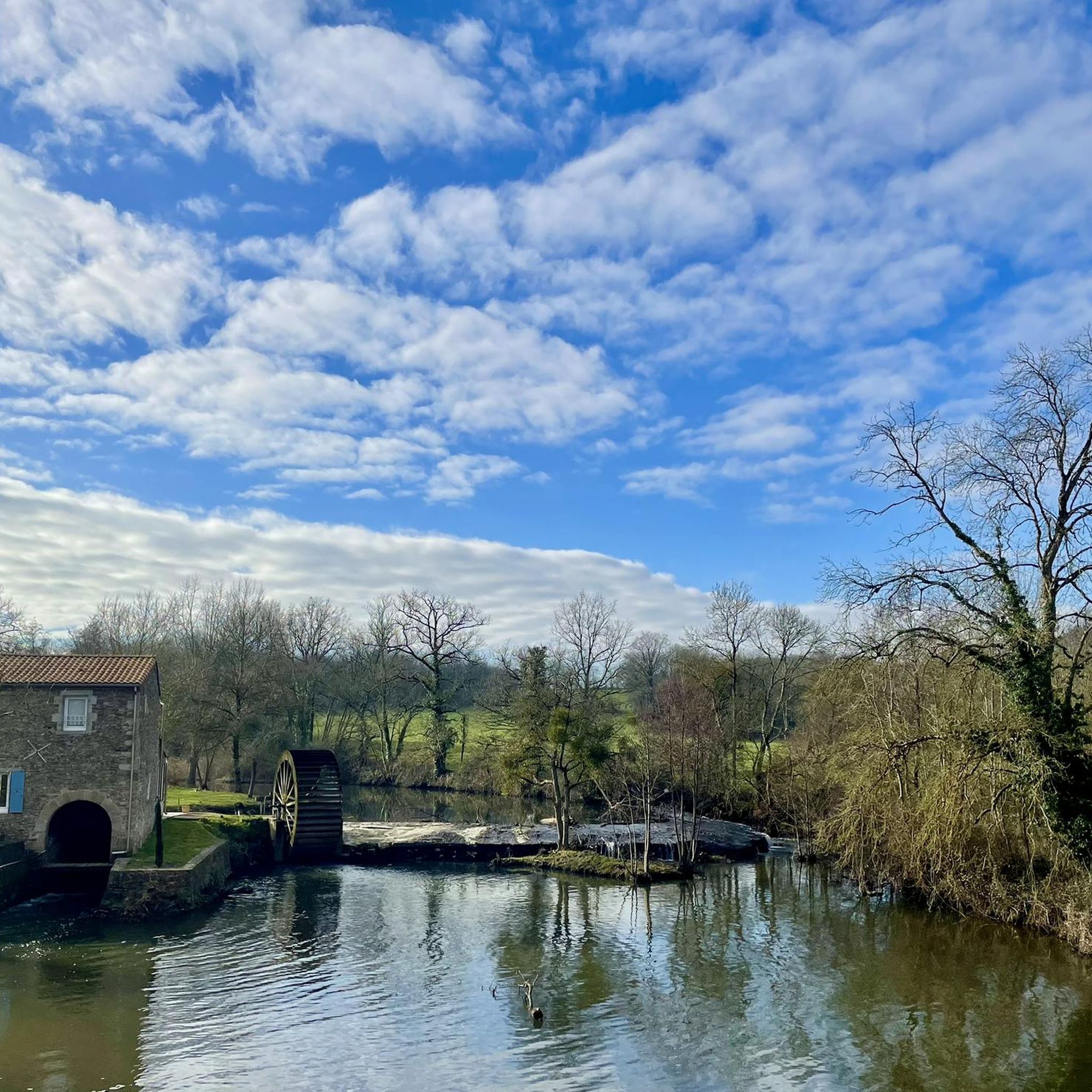
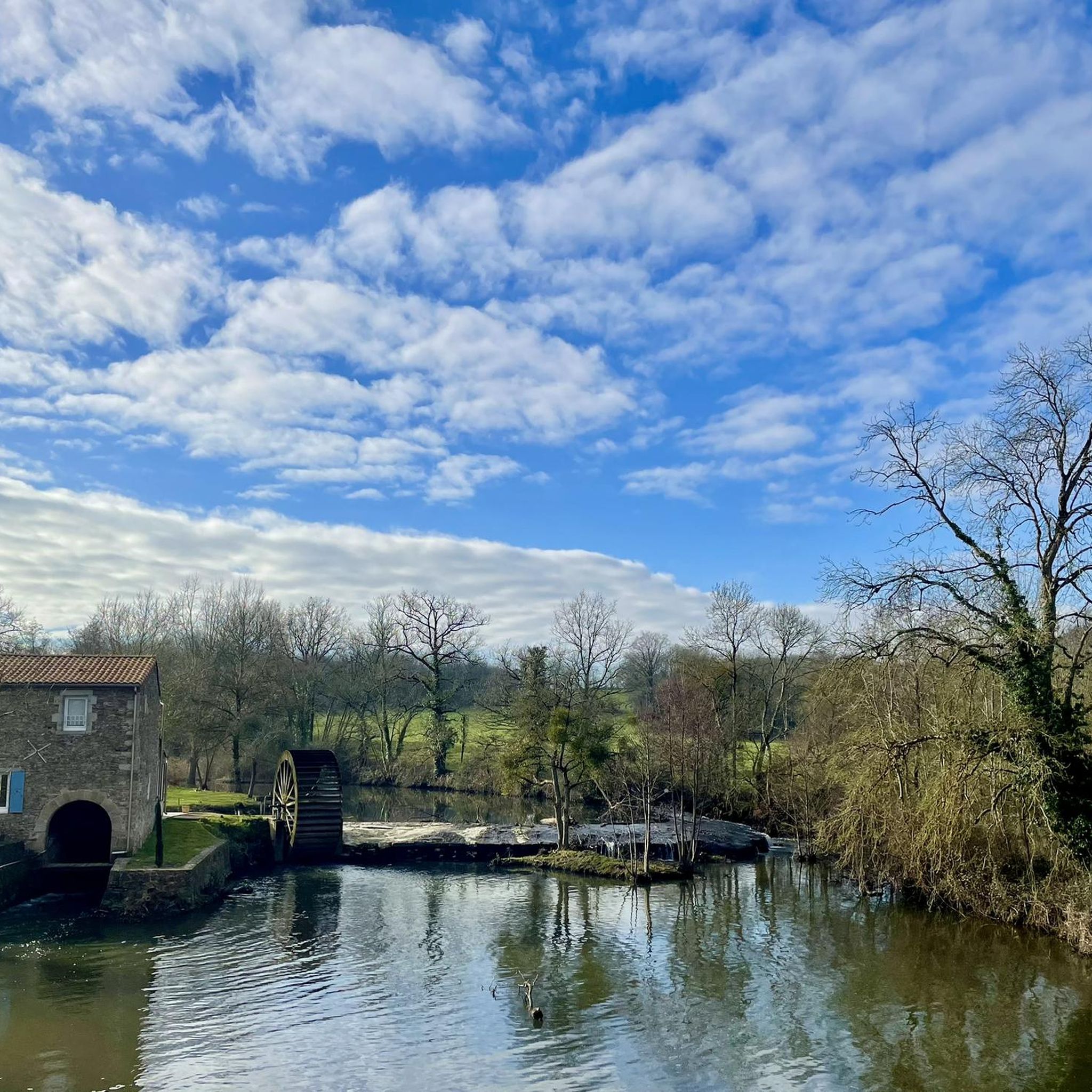
Nice bridge, kayak base underneath.
0
0
Very beautiful castle on the road.
0
0
A very beautiful 19th-century castle, particularly impressive for its two medieval-style towers. Sadly destroyed by a deadly fire in 2019, but very well restored.
1
0
Frequently Asked Questions
What historical sites can I visit in Les Lucs-sur-Boulogne?
Les Lucs-sur-Boulogne is rich in history, particularly related to the Vendée Wars. You can explore the Historial de la Vendée, a museum covering 7,000 years of history, and the Mémorial de la Vendée, which honors victims of the 'infernal columns'. The Chapelle du Petit-Luc lists the names of 564 massacre victims, and the Église of Les Lucs features stained-glass windows depicting war events. Don't miss the Logis de la Chabotterie, a significant site marking the end of the Vendée general Charette's epic.
Are there any natural attractions or parks to explore?
Yes, the area is known for its green setting. The Vallée de la Boulogne offers pleasant walking and hiking trails along the Boulogne River. You can also visit Parc de la Boulogne, a natural area with a body of water, walking paths, picnic tables, and a children's play area. The Jardin de la Chapelle, located around the Chapel of Petit-Luc, provides a tranquil space for contemplation.
What kind of outdoor activities can I do near Les Lucs-sur-Boulogne?
The region offers various outdoor activities. You can find numerous walking circuits like the Sentier du Plessis (7.5 km), Sentier du Puy (8 km), and Sentier des Chapelles (17 km). There's also a Permanent Orienteering Course and La Ceinture Verte, a green corridor with a fitness trail. For more structured routes, explore MTB Trails, Running Trails, and Cycling routes around Les Lucs-sur-Boulogne.
Are there family-friendly attractions in the area?
Absolutely. The Historial de la Vendée includes a dedicated children's museum, making history engaging for younger visitors. Parc de la Boulogne features a children's play area with zip lines, swings, and multi-activity structures. The Grasla Refuge, a hut in a pleasant forest, is also considered easy and enjoyable with children, offering a glimpse into history in a natural setting.
Where can I learn about the Vendée Wars in more detail?
The Historial de la Vendée is the primary place to delve into the Vendée Wars, offering extensive exhibits and audiovisual terminals. The Mémorial de la Vendée and the Chapelle du Petit-Luc provide poignant insights into the human cost of the conflict. Additionally, the Logis de la Chabotterie is a key historical site where the final moments of General Charette's epic unfolded.
What is the best time of year to visit Les Lucs-sur-Boulogne?
While specific data isn't provided, the region's emphasis on outdoor activities, walking trails, and parks suggests that spring, summer, and early autumn would be ideal. These seasons offer pleasant weather for exploring historical sites, enjoying the natural landscapes, and participating in cycling, running, or hiking.
Are there any unique or mysterious landmarks?
Yes, you can visit the Stone of the Farfadets, a mysterious megalith featuring 362 enigmatic engravings. Its origins and meaning are unknown, with local legends attributing the marks to leprechauns or ancient games. It's considered one of France's greatest historical mysteries.
Can I find any castles or impressive architectural sites?
Beyond the historical sites, you can see the Château de la Touche, a beautiful 19th-century castle with medieval-inspired towers. Although it suffered a fire in 2019, it has been well restored and offers an impressive facade overlooking the Boulogne River and the town of Rocheservière.
What is the significance of the Old Bridge of Rocheservière?
The Old Bridge of Rocheservière is a beautifully renovated historic structure, possibly dating back to the 10th century. It played a significant role in the final Vendée insurrection in 1815. Napoleon himself noted that the troops occupied here might have changed the outcome of the Battle of Waterloo, making it a site of considerable historical importance.
Are there any specific walking trails or circuits I should know about?
Yes, Les Lucs-sur-Boulogne offers several walking circuits. The Sentier du Plessis (7.5 km), Sentier du Puy (8 km), and the longer Sentier des Chapelles (17 km) allow you to explore the verdant surroundings and riverside. The La Ceinture Verte also provides a pleasant walking path with a fitness trail in a wooded environment.
What do visitors enjoy most about the attractions in Les Lucs-sur-Boulogne?
Visitors particularly appreciate the blend of rich history and beautiful natural settings. The historical sites offer deep insights into the Vendée Wars, while the natural parks and trails provide opportunities for relaxation and outdoor activities. The Grasla Refuge is noted for its pleasant forest and warm welcome, and the Old Bridge of Rocheservière is admired for its beauty and historical significance.
Is there a place to eat or dine near the attractions?
The Logis de la Chabotterie, a significant historical site, also houses a gourmet restaurant, offering a unique dining experience within a historic setting. Additionally, the Parc de la Boulogne has picnic tables, and a small bar near the pond at Grasla Refuge serves drinks and ice cream.
Most popular routes around Les Lucs-Sur-Boulogne

Get inspired with the komoot mobile app


Explore more
Still not found the Highlight you’re looking for? See guides of the top attractions in other regions:
