Attractions and Places To See around Faye-La-Vineuse - Top 9
Best attractions and places to see around Faye-La-Vineuse include historical sites and natural landscapes. Faye-La-Vineuse is a village situated on a 114-meter-high hill in the Indre-et-Loire department, within the Centre-Loire Valley region. It serves as a gateway to the Touraine and Poitou areas, including the Loire-Anjou-Touraine Natural Park. The region offers a mix of cultural heritage and outdoor exploration opportunities.
Best attractions and places to see around Faye-La-Vineuse
- The most popular attractions is Richelieu, a settlement that showcases 17th-century…
Last updated: July 8, 2026
Richelieu
Highlight • Settlement
Translated by Google •
Tip by

Notre-Dame Church
Highlight • Other
Translated by Google •
Tip by

Sign up now to discover places like this
Get recommendations on the best single tracks, peaks, & plenty of other exciting outdoor places.
Sign up for free
Chinon–Richelieu Greenway
Highlight (Segment) • Cycleway
Translated by Google •
Tip by

The Greenway (Loudunais Sector)
Highlight • Cycleway
Translated by Google •
Tip by

Richelieu, a new town in the 17th century
Highlight • Other
Translated by Google •
Tip by

Sign up for free to discover even more attractions around Faye-La-Vineuse.
Sign up for free
Already have an account?
Start today with a free account
Your next adventure awaits.
Login or Signup


Tips from the Community

In 1631, to thank his minister, Cardinal Richelieu, for his eminent services, King Louis XIII did him the favor of erecting "a town enclosed by walls and moats and building a market hall" and establishing four annual fairs and two markets per week. Thus emerged from nothing, an "ideal city" according to the precepts of the time which would bear the name of the Cardinal. Richelieu entrusted Jacques Lemercier, architect of the king, author of the Sorbonne and the Palais-Royal, with the task of building, on the site of the family property, a vast castle, a reflection of his grandeur and a new city, nearby. Nearly 2000 workers would work on the site. Inside the walls, the Cardinal gave the land to whoever agreed to build a pavilion within two years according to the plans filed with the city registry. The inhabitants will be exempt from tax and gabelle until there are 100 houses built. 4/5 of the project will be completed between 1632 and 1642, the year of the Cardinal's death. Contrary to the words of Jean de la Fontaine (who also ironically described the town as "the most beautiful village in the universe"), far from being deserted, the town had 4,000 inhabitants in 1690, compared to less than 2,000 today. This innovative project, which linked the construction of a castle and a town in the same program, foreshadowed the Versailles construction site that would open 30 years after the completion of the city walls of Richelieu. Adjacent to the walls, Richelieu Park, with an area of 475 ha, housed the vast estate of the castle of the du Plessis family (original surname of Cardinal Richelieu), of which only a few vestiges remain today. Richelieu is now a somewhat unusual town in the French landscape, with its three access gates and its two large symmetrical squares. Organized in quadrilaterals and perpendicular streets in the manner of American cities, it offers a unique testimony to urban planning of the Grand Siècle.
0
0

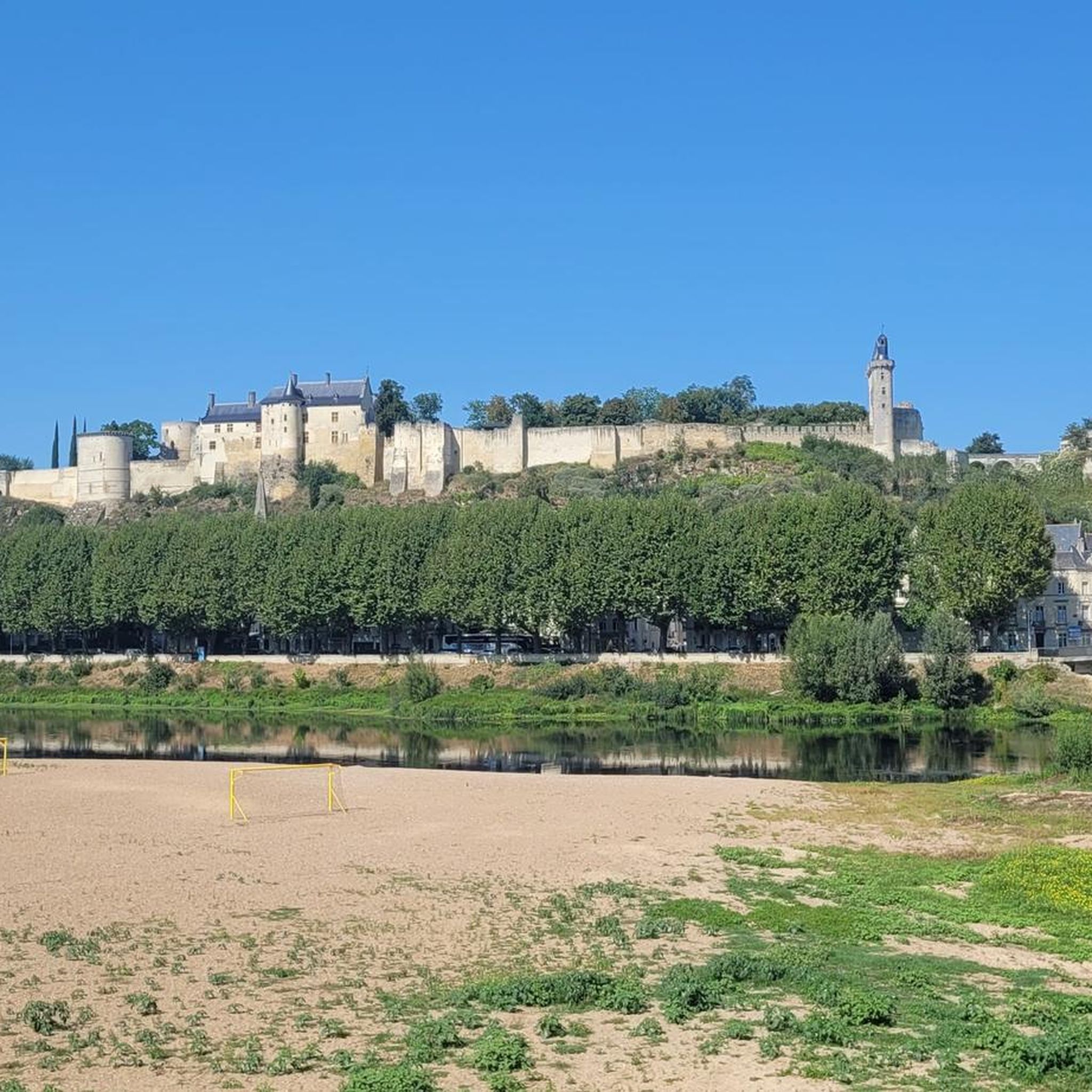
superb greenway from Chinon to Richelieu. old railway line transformed into a magnificent greenway
0
0

The Notre Dame church was built in 1635 by Pierre Le Mercier.
0
0


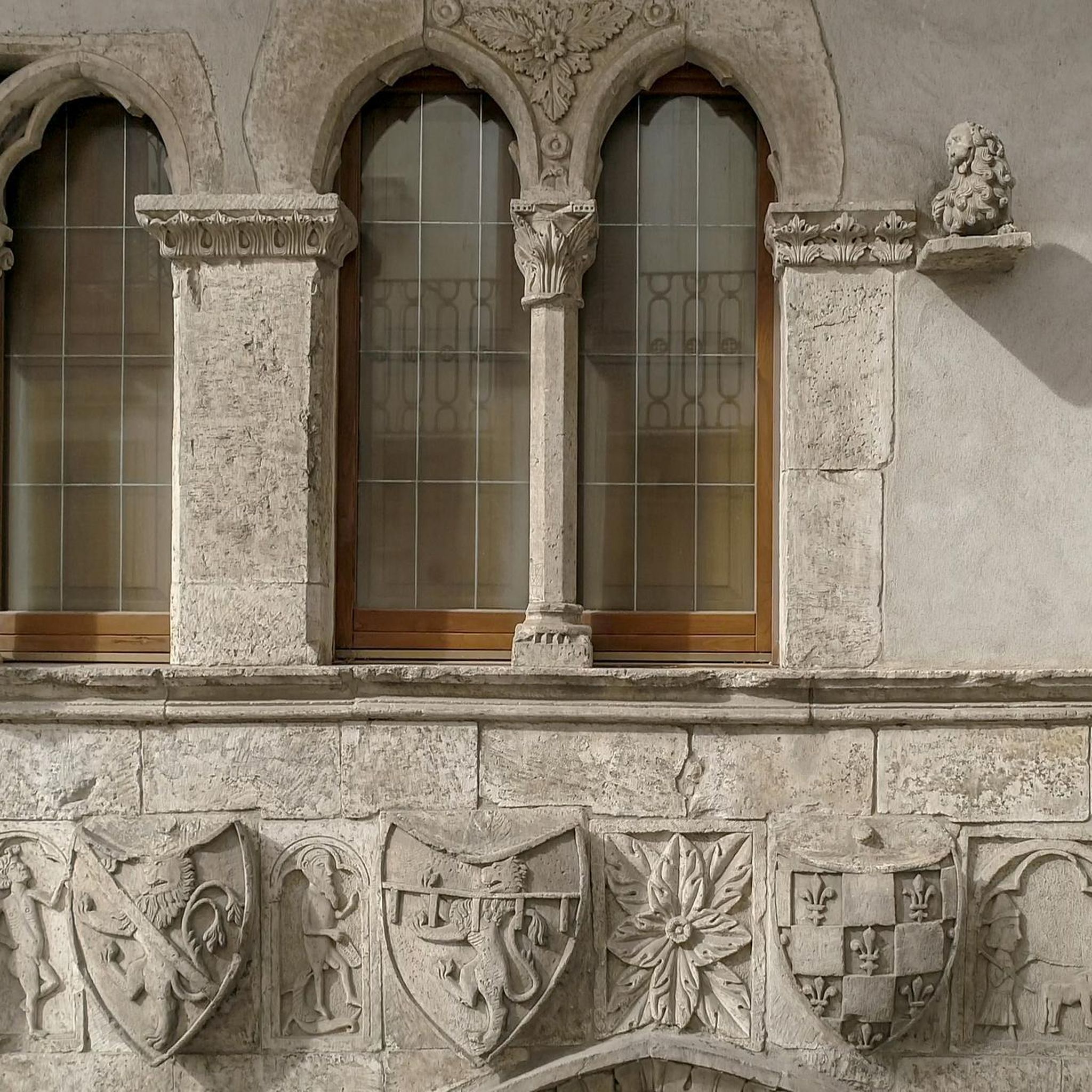
Built in the classical style between 1633 and 1639 under a plan directed by Cardinal Richelieu from 1631. Built in the Italian style, it was adapted to French taste by architects and builders Pierre and Jacques Lemercier.
2
1


Richelieu is a special town: Commissioned by Cardinal Richelieu, it is a remarkable testimony to 17th century town planning. It is based on a checkerboard plan on the model of Roman towns or medieval bastides, and is surrounded by ramparts and monumental gates. It also has pleasant gardens (the Parc de Richelieu) as well as a magnificent market hall.
2
0

Superb greenway, sometimes a little muddy, but nice!
1
0
Frequently Asked Questions
What are some notable historical sites within Faye-la-Vineuse itself?
Within Faye-la-Vineuse, you can explore the medieval fortified church, Collégiale Saint-Georges, which dates back to the 11th century and features an impressive crypt. The village also has the Château de la Grillière, recognized as a historic monument, and mentions of an intriguing underground church, adding to its unique cultural landscape. For more information on the Château de la Grillière, you can visit its Wikipedia page.
What historical towns and châteaux can I visit near Faye-la-Vineuse?
The region around Faye-la-Vineuse is rich in history. You can visit the planned 17th-century town of Richelieu, known for its checkerboard layout and the Parc de Richelieu. Other nearby historical sites include the Château du Rivau with its remarkable gardens, the medieval Château de Chinon, and the significant national monument of Fontevraud Abbey. The picturesque village of Crissay-sur-Manse, recognized as one of France's 'Most Beautiful Villages,' is also within reach.
What natural features and parks are there to explore around Faye-la-Vineuse?
Faye-la-Vineuse is situated within the expansive Loire-Anjou-Touraine Natural Park. This park is dedicated to preserving the heritage of the Loire Valley, including its distinctive river landscapes and ecosystems, and is a UNESCO World Heritage site. You can find more details about the park on Wikipedia. Additionally, the Richelieu Park offers a beautifully landscaped green space with ponds and tree-lined walkways for recreation.
Are there cycling routes available near Faye-la-Vineuse attractions?
Yes, there are several cycling options. A popular choice is the Chinon–Richelieu Greenway, an old railway line transformed into a magnificent greenway connecting Chinon to Richelieu. For more extensive cycling, you can explore various routes, including those that loop via the Loire-Anjou-Touraine regional natural park. Find more details on available routes in the Cycling around Faye-La-Vineuse guide.
Can I find running trails in the vicinity of Faye-la-Vineuse?
Absolutely. There are several running trails available, catering to different distances and difficulties. You can find routes like the 'In the Footsteps of Cardinal Richelieu Trail' or loops connecting Notre-Dame Church and Richelieu. For a comprehensive list and details, refer to the Running Trails around Faye-La-Vineuse guide.
Are there family-friendly attractions or activities near Faye-la-Vineuse?
The area offers several family-friendly options. The town of Richelieu and its park are considered family-friendly, offering open spaces and historical exploration. The Chinon–Richelieu Greenway is also suitable for families to enjoy a leisurely cycle. Further afield, the Aquarium de Loudun provides an engaging experience, and Futuroscope theme park is a popular attraction in the broader region.
When is the best time to visit Faye-la-Vineuse and the surrounding region?
The Loire Valley, including the area around Faye-la-Vineuse, is generally pleasant to visit from spring through early autumn (April to October). During these months, the weather is typically mild, making it ideal for exploring châteaux, gardens, and enjoying outdoor activities like cycling and hiking. Summer (July-August) can be warm and busy, while spring and autumn offer comfortable temperatures and fewer crowds.
What do visitors particularly enjoy about Richelieu, a prominent attraction near Faye-la-Vineuse?
Visitors appreciate Richelieu for its unique 17th-century town planning, featuring a distinctive checkerboard layout, ramparts, and monumental gates. The Parc de Richelieu is also highly praised as a beautiful green space with ponds, tree-lined walkways, and topiary, perfect for relaxation and recreation. The town offers a remarkable testimony to urban planning of the Grand Siècle.
Are there any unique or lesser-known historical sites to discover near Faye-la-Vineuse?
Beyond the major châteaux, you might find interest in the village of Tavant, located about 19 km away, which is known for its historic murals. The Eglise Abbatial de Saint Jouin (Saint-Jouin-de-Marnes) and the Collegiale Church (Candes-Saint-Martin) are also significant religious monuments in the vicinity that offer a glimpse into the region's rich past.
What kind of urban planning and historical significance does Richelieu hold?
Richelieu is a remarkable example of 17th-century urban planning, commissioned by Cardinal Richelieu himself. It was designed as an 'ideal city' with a checkerboard plan, surrounded by walls and monumental gates. This innovative project, which linked the construction of a castle and a town, foreshadowed the Versailles construction site. Today, it stands as a unique testimony to the urban planning of the Grand Siècle, with its symmetrical squares and perpendicular streets.
Are there road cycling opportunities around Faye-la-Vineuse?
Yes, the area around Faye-la-Vineuse offers several road cycling routes. You can find moderate routes like 'Le Cardinal – Cardinal Richelieu loop from Richelieu' or longer options such as 'Richelieu – Crissay-sur-Manse Village loop'. These routes allow you to explore the scenic countryside and charming villages. For detailed information on distances and difficulty, consult the Road Cycling Routes around Faye-La-Vineuse guide.
Most popular routes around Faye-La-Vineuse

Get inspired with the komoot mobile app


Explore more
Still not found the Highlight you’re looking for? See guides of the top attractions in other regions:
