Top 13 Mountain Passes around Saint-Martin-D'Arrossa
Mountain passes around Saint-Martin-D'Arrossa are situated in the French Basque Country, a region known for its Pyrenean foothills and historic crossing points. The area serves as a gateway to the Pyrenees, with Saint-Jean-Pied-de-Port nearby, indicating its historical importance as a passage. This location offers access to a network of mountain passes and peaks that provide views of the surrounding valleys and mountains. The landscape features diverse terrain, from forested paths to challenging ascents.
Best mountain passes around Saint-Martin-D'Arrossa
- The most…
Last updated: June 26, 2026
Ispéguy Pass
Highlight • Mountain Pass
Tip by

TPR No2 // Control Point (CP) 1: Col d'Ispeguy
Highlight • Mountain Pass
Tip by

Sign up now to discover places like this
Get recommendations on the best single tracks, peaks, & plenty of other exciting outdoor places.
Sign up for free
Col de Légarré
Highlight • Mountain Pass
Translated by Google •
Tip by

Col de Gastangarte
Highlight (Segment) • Mountain Pass
Tip by

Aharza Pass
Highlight • Mountain Pass
Translated by Google •
Tip by

Sign up for free to discover even more mountain passes around Saint-Martin-D'Arrossa.
Sign up for free
Already have an account?
Start today with a free account
Your next adventure awaits.
Login or Signup
Popular around Saint-Martin-D'Arrossa
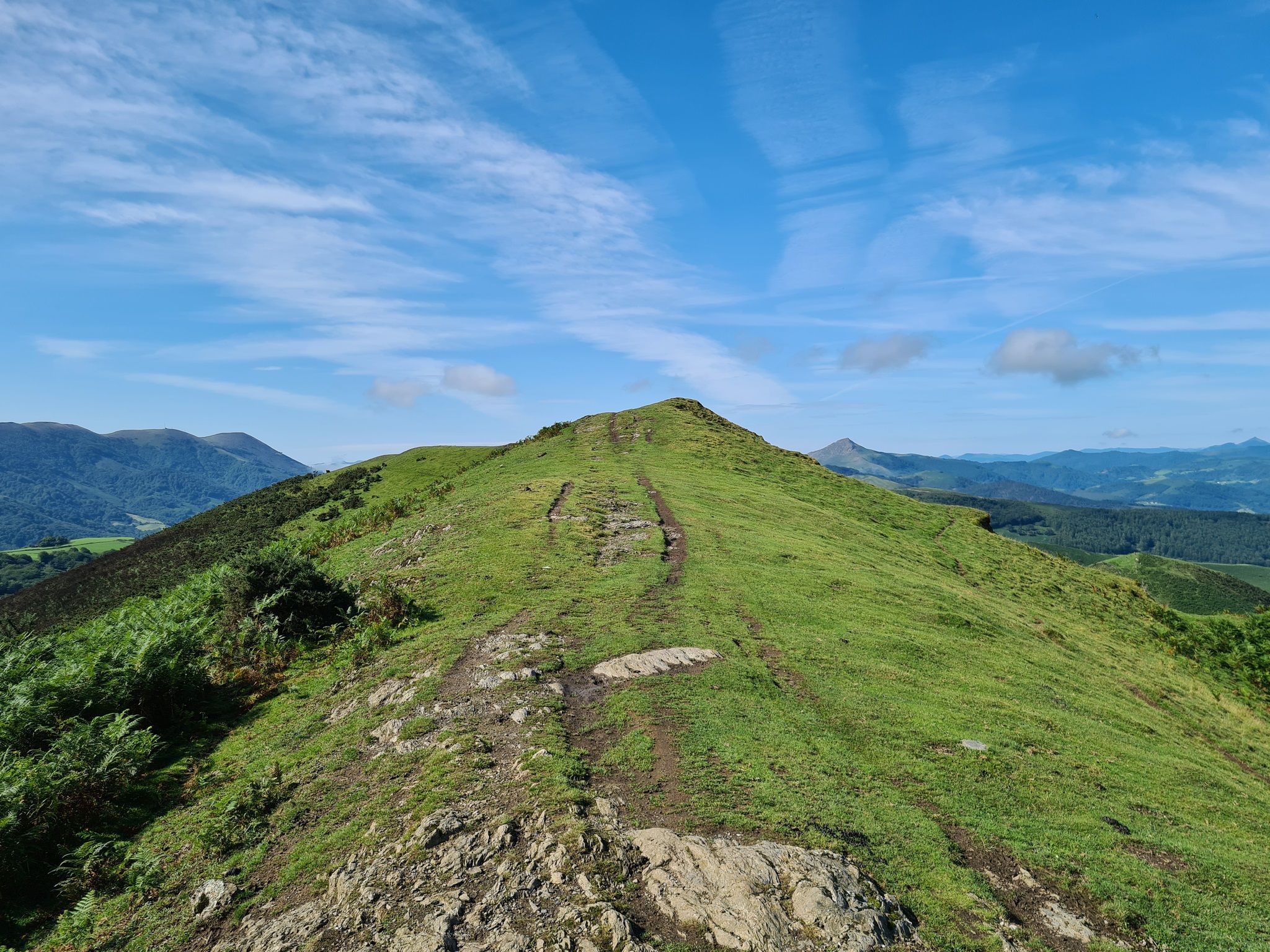
The Pyrenees to Biscay — La Grande Traversée MTB du Pays Basque
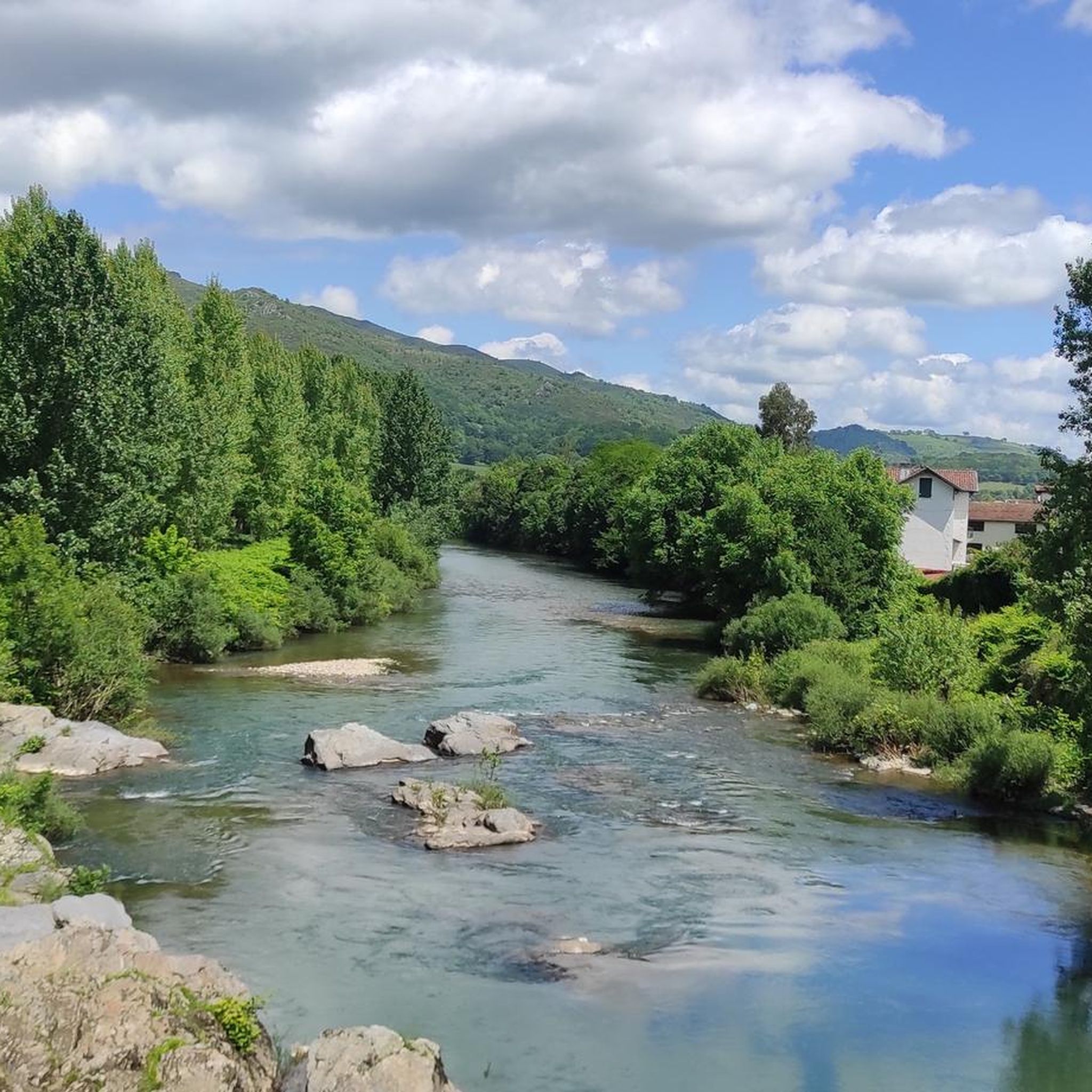
Hiking around Saint-Martin-D'Arrossa
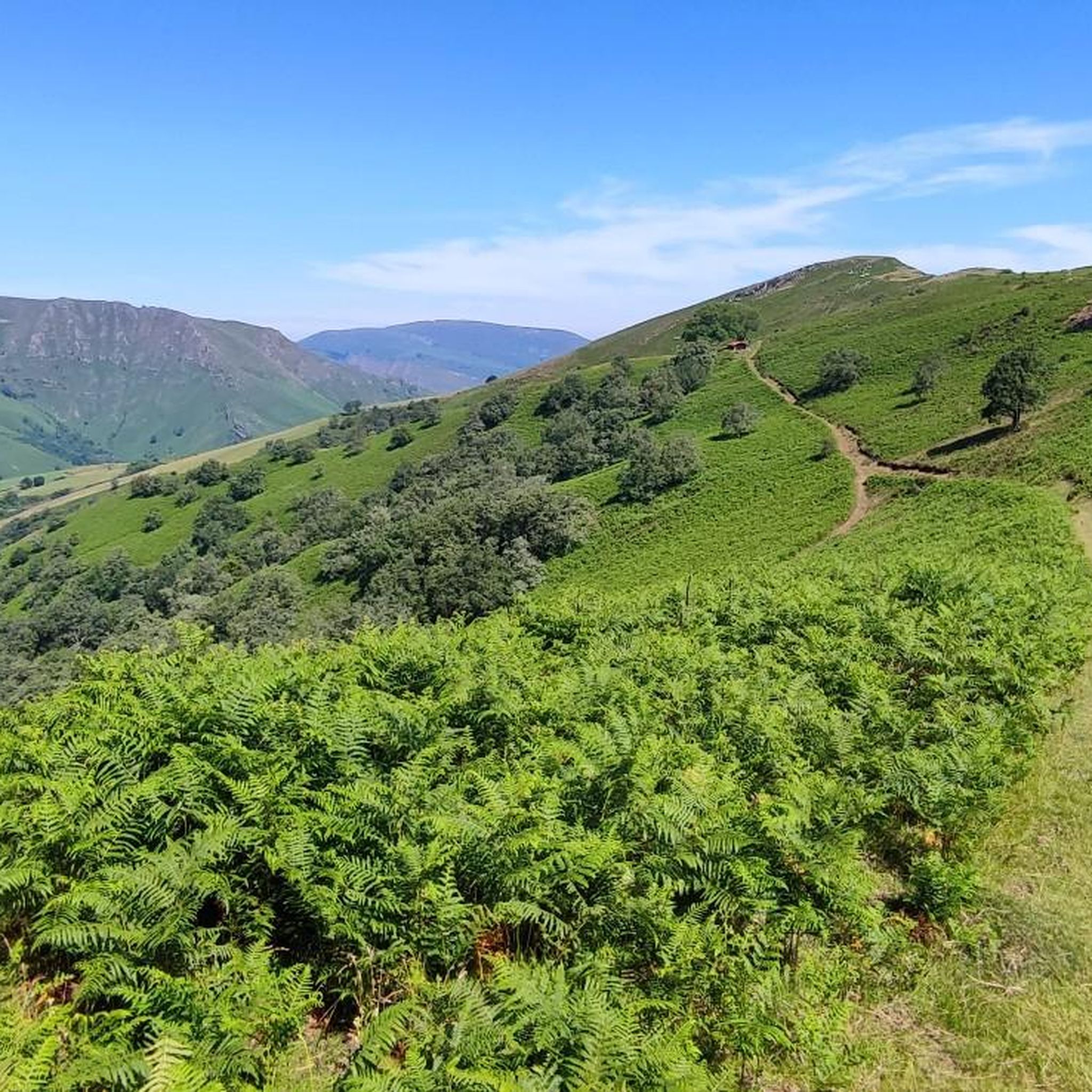
Road Cycling Routes around Saint-Martin-D'Arrossa
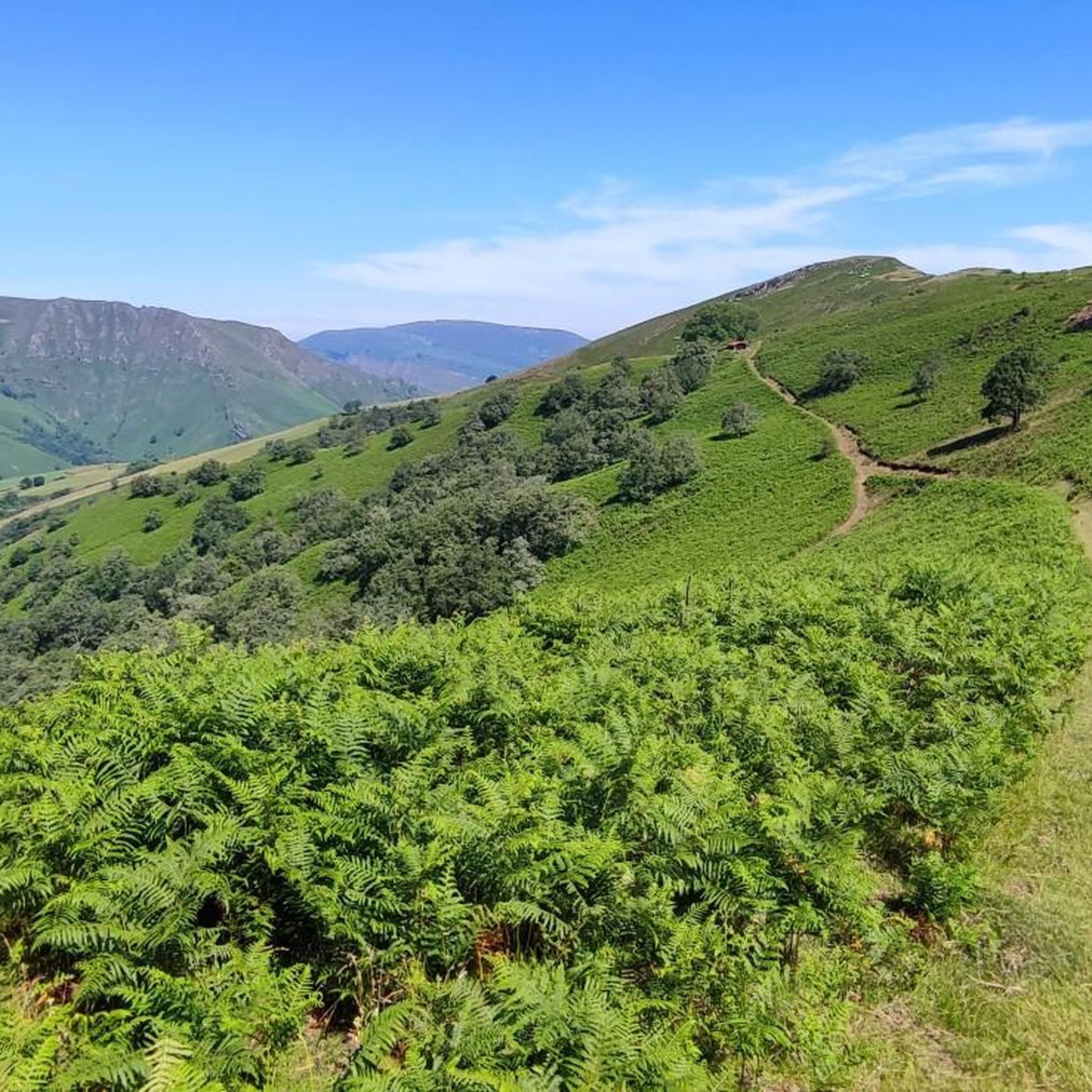
Cycling around Saint-Martin-D'Arrossa
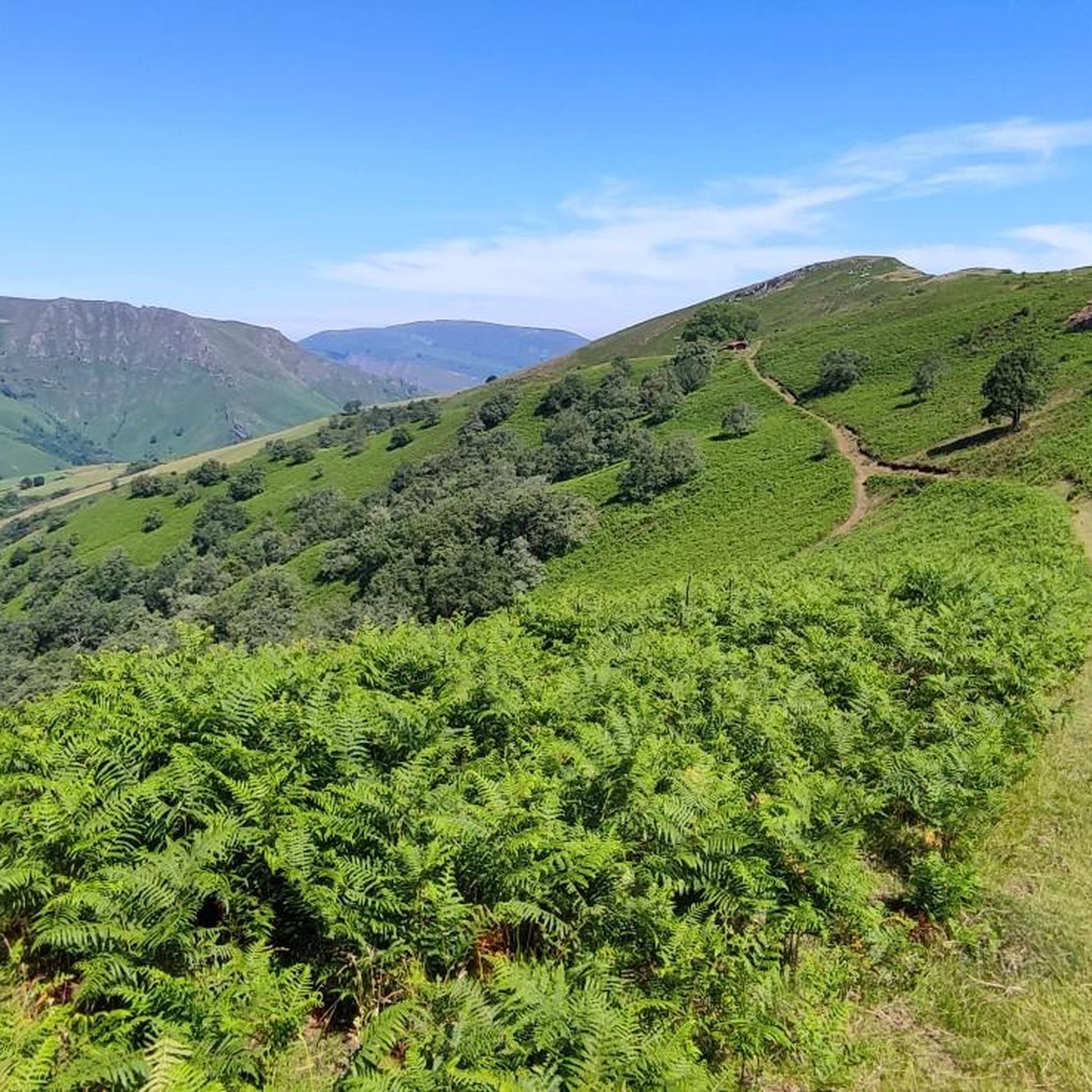
MTB Trails around Saint-Martin-D'Arrossa
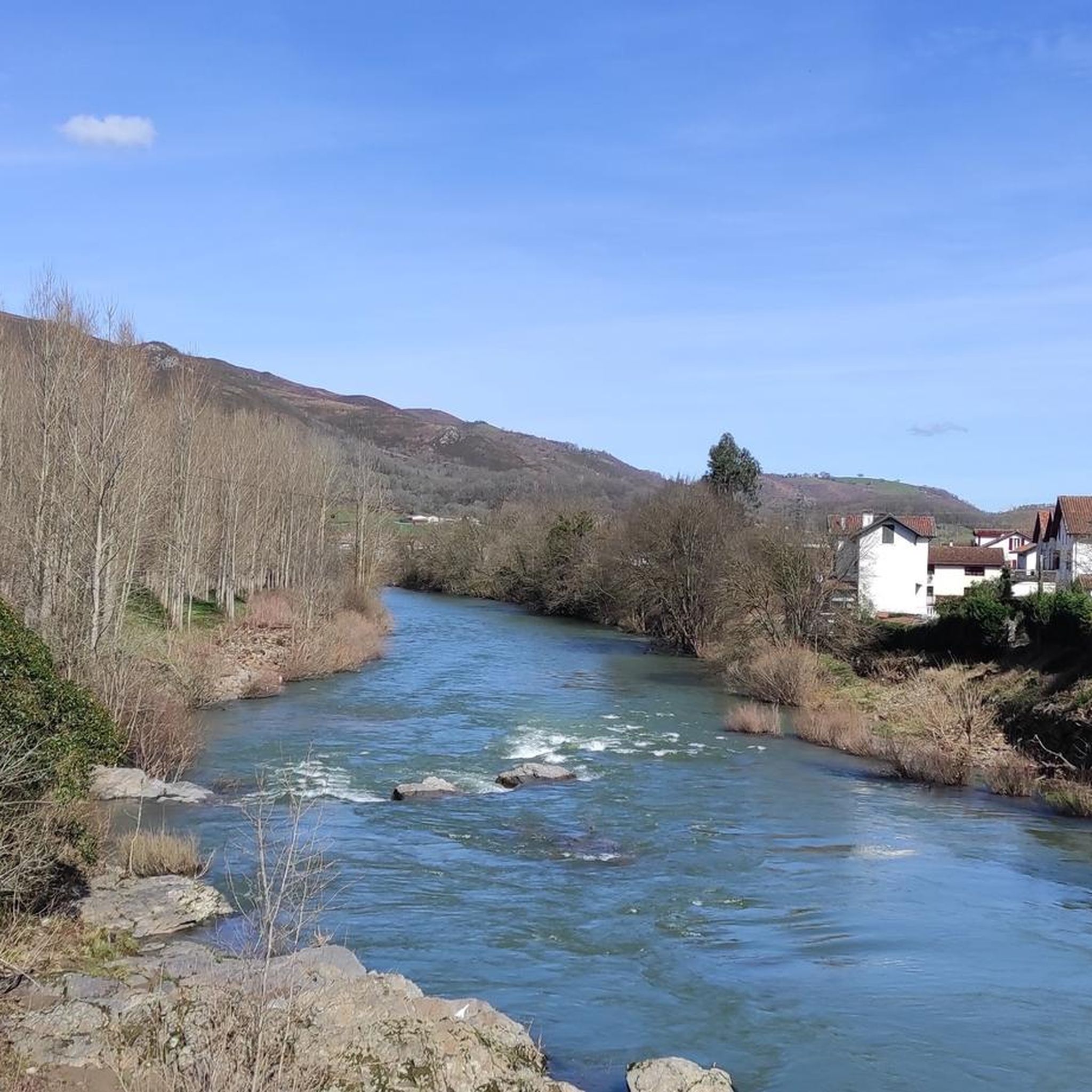
Running Trails around Saint-Martin-D'Arrossa

Gravel biking around Saint-Martin-D'Arrossa

Mountain Hikes around Saint-Martin-D'Arrossa
Other adventures around Saint-Martin-D'Arrossa

Tips from the Community

Short pass but high percentage both uphill and downhill.
1
0

There is a restaurant upstairs (actually several, but only one was open in July)
0
0

Walk from the Ispeguy pass, narrow path, best worn in hiking shoes, some scree slopes, magnificent view!
2
0

Magnificent view of the Iparla ridges
0
0

Before starting the climb: check the weather forecast and make sure you have the appropriate clothing. The climb can be done in the clouds (fog) towards the end. A fluorescent vest is not an exaggerated luxury. The road is sometimes narrow, the cars drive fast. For the descent, it is best to take a windbreaker and an undershirt with long sleeves. Light gloves prevent your hands from getting numb, which makes braking more difficult. At the top near the inn at the border crossing, horses walk freely on the road. During the descent along the Basque side you can meet a real pig (180+ kg) in the middle of the road.
0
0

The Col de Légaré is a small pass in the Basque Country as charming as it is formidable. From Espelette the climb is 4.4 kilometers long with an average of 6.2%. However, it includes portions that reach 20%.
4
0

The Col d'Ispéguy is a mountain pass located in the Basque Country, on the border between France and Spain. It has an elevation of 672 meters (2,205 feet) and connects the French village of Saint-Étienne-de-Baïgorry with the Spanish village of Valcarlos. The road to the pass is steep and winding, and offers breathtaking views of the surrounding landscape, including the Pyrenees mountain range. The Col d'Ispéguy is a popular destination for hikers and cyclists, and is often featured in the Tour de France cycling race. At the top of the pass, there is a small chapel dedicated to Our Lady of the Wind, which is said to protect travelers from the strong winds that often blow in the area.
1
0
Frequently Asked Questions
What are some of the most popular mountain passes near Saint-Martin-D'Arrossa?
The region around Saint-Martin-D'Arrossa offers several well-regarded mountain passes. Among the most popular are Ispéguy Pass, which sits on the French-Spanish border at 672 meters above sea level, connecting Saint-Étienne-de-Baïgorry and Errazu. Another favorite is Col d'Iramalda, culminating at 397 meters at the foot of Mount Ursuia, offering views of the Baïgura. Visitors also appreciate Col de Légarré, known for its challenging sections with gradients up to 20%.
Are there any historically significant mountain passes in the region?
Yes, the area is rich in history. The Roncevaux Pass (Col de Roncevaux / Ibañeta Pass), located near Saint-Jean-Pied-de-Port, is famously the traditional starting point for the Camino Francés pilgrimage route and the site of the legendary Battle of Roncevaux. Additionally, the Ports of Cize, a collection of ancient routes near Saint-Jean-Pied-de-Port, have served as crucial pathways across the Pyrenees since protohistory, with remnants of multi-millennial human activity still visible.
What kind of views can I expect from the mountain passes around Saint-Martin-D'Arrossa?
The mountain passes and peaks in this region offer diverse and stunning views. From Ispéguy Pass, you can enjoy magnificent panoramic views of the Pyrenees. The Munhoa Summit (1,023m), while not a pass, provides expansive vistas of the Luzaide and Baïgorry valleys. Similarly, Pic d'Oilarandoi (933m), accessible via the Aharza Pass, offers rewarding 360-degree views of the surrounding Basque terrain, including other prominent peaks and valleys.
Are there challenging mountain passes for experienced cyclists or hikers?
Absolutely. For cyclists, Col de Légarré is known for its formidable sections, including portions that reach a 20% gradient. Hikers seeking a demanding experience can explore the "Sentier des Contrebandiers" (Smugglers' Path) from Col d'Ehorrieta, a 20km route with a significant positive elevation gain of +871m. The ascent to Pic d'Oilarandoi from the Aharza Pass also presents challenging gradients.
What outdoor activities can I do near the mountain passes around Saint-Martin-D'Arrossa?
The region is ideal for various outdoor activities. You can find numerous routes for cycling, gravel biking, and hiking. For instance, there are challenging gravel biking loops like the "Roland Gorge – Route du Pas de Roland loop from Itxassou" and cycling routes such as the "Ispéguy Pass – Saint-Étienne-de-Baïgorry loop." Hiking options include the "Pic de Larla – The iron mine loop" and the demanding "Lexudoko Ridge – Jara loop."
Are there specific hiking trails associated with these mountain passes?
Yes, many passes are integral to hiking trails. The Roncevaux Pass is the starting point of the Camino Francés pilgrimage. The Aharza Pass is located on the GR 10 trail and serves as an access point to peaks like Oilarandoi. The Col d'Ehorrieta is part of the "Sentier des Contrebandiers" (Smugglers' Path), an equestrian trail that can also be hiked, offering a rugged experience through the Basque Country.
What is the best time to visit the mountain passes around Saint-Martin-D'Arrossa?
The best time to visit generally depends on your activity. Spring and autumn offer pleasant temperatures for hiking and cycling, with vibrant landscapes. Summer is also popular, though some routes might be busier. For higher passes like Roncevaux, it's always wise to check weather forecasts, as conditions can be clear but windy, and fog can occur, especially during climbs.
Are there family-friendly mountain passes or trails in the area?
While many routes in the Pyrenees can be challenging, some areas offer more accessible options. For specific family-friendly trails, it's recommended to look for shorter, less steep sections or designated family routes. The general appeal of the region's natural beauty and historical sites can be enjoyed by families, but always check the difficulty and elevation profiles of specific routes before embarking with children.
Can I find amenities like restaurants or shops near the mountain passes?
Yes, some passes offer amenities. For example, near Ispéguy Pass, you'll find the Gaineko Benta where you can refuel. There are also restaurants and small shops at the border crossing near the top of Col d'Ispeguy. In nearby towns like Saint-Étienne-de-Baïgorry, you can find fresh water and other provisions.
What do visitors enjoy most about the mountain passes around Saint-Martin-D'Arrossa?
Visitors frequently praise the stunning natural beauty and the sense of accomplishment from challenging climbs. The historical significance of passes like Roncevaux and the Ports of Cize also deeply resonates with many. The opportunity to immerse oneself in the unique culture and landscapes of the French Basque Country, whether through hiking, cycling, or simply enjoying the views, is a major draw. The komoot community has shown its appreciation with over 260 upvotes and more than 120 photos shared for the mountain passes in the area.
Are there any passes suitable for dog walking?
Many trails and passes in the region are dog-friendly, allowing you to explore with your canine companion. However, it's always advisable to keep dogs on a leash, especially in areas with livestock or wildlife, and to check local regulations for specific trails or protected areas. Ensure your dog is fit for the chosen route's difficulty and bring enough water for both of you.
Where can I find drinking water along the trails or near passes?
Some passes and trails offer water sources. For instance, there's fresh water available at the Saint-Étienne-de-Baïgorry church near Ispéguy Pass. Additionally, a few meters before the Aharza Pass, there is a tap with drinking water specifically for hikers. Always carry sufficient water, especially on longer or more challenging routes, as natural sources may not always be reliable.
What are the 'Ports of Cize' and why are they significant?
The Ports of Cize are not a single pass but a collection of ancient routes near Saint-Jean-Pied-de-Port that have served as crucial crossing points in the Pyrenees since protohistory. They are significant because they offer a glimpse into millennia of human activity and passage through the mountains, blending natural beauty with profound historical intrigue. Exploring these routes provides insights into the region's past as a vital corridor.
Most popular routes around Saint-Martin-D'Arrossa
Most popular attractions around Saint-Martin-D'Arrossa

Get inspired with the komoot mobile app


Explore more
See even more epic mountain passes by checking out these guides around Saint-Martin-D'Arrossa:
