Attractions and Places To See around Rauville-La-Place - Top 20
Best attractions and places to see around Rauville-La-Place include a blend of historical landmarks, cultural sites, and natural beauty. Situated within the Parc naturel régional des Marais du Cotentin et du Bessin, the commune is bordered by the River Douve and Joffré stream. The area features a rich history with distinctive architecture and picturesque landscapes. This region offers diverse points of interest for visitors.
Best attractions and places to see around Rauville-La-Place
- The most popular attractions is Ruins of Saint-Thomas…
Last updated: July 6, 2026
La Haye-du-Puits Castle
Highlight • Other
Translated by Google •
Tip by

Saint-Sauveur-le-Vicomte
Highlight • Castle
Translated by Google •
Tip by

Sign up now to discover places like this
Get recommendations on the best single tracks, peaks, & plenty of other exciting outdoor places.
Sign up for free
Ruins of Saint-Thomas Church
Highlight • Historical Site
Translated by Google •
Tip by
Voie Verte: Briquebec to Saint-Sauveur-le-Vicomte
Highlight • Other
You usually find them …
Tip by

Saint-Martin Church
Highlight • Other
Translated by Google •
Tip by

Sign up for free to discover even more attractions around Rauville-La-Place.
Sign up for free
Already have an account?
Start today with a free account
Your next adventure awaits.
Login or Signup

Tips from the Community


At the ruins of St. Thomas Church, you’ll immerse yourself in the tranquil beauty of this historic site, surrounded by the rolling hills of the Normandy countryside. The church dates back to the 12th century. During your visit, be sure to observe the detailed carvings and remains of the church’s Gothic architecture. The tranquil setting, combined with an air of medieval history, makes these ruins a peaceful and reflective visit as you hike.
2
0

Norman castle dating from the 11th century. It remains private property, but you can stop and admire its exterior.
0
0

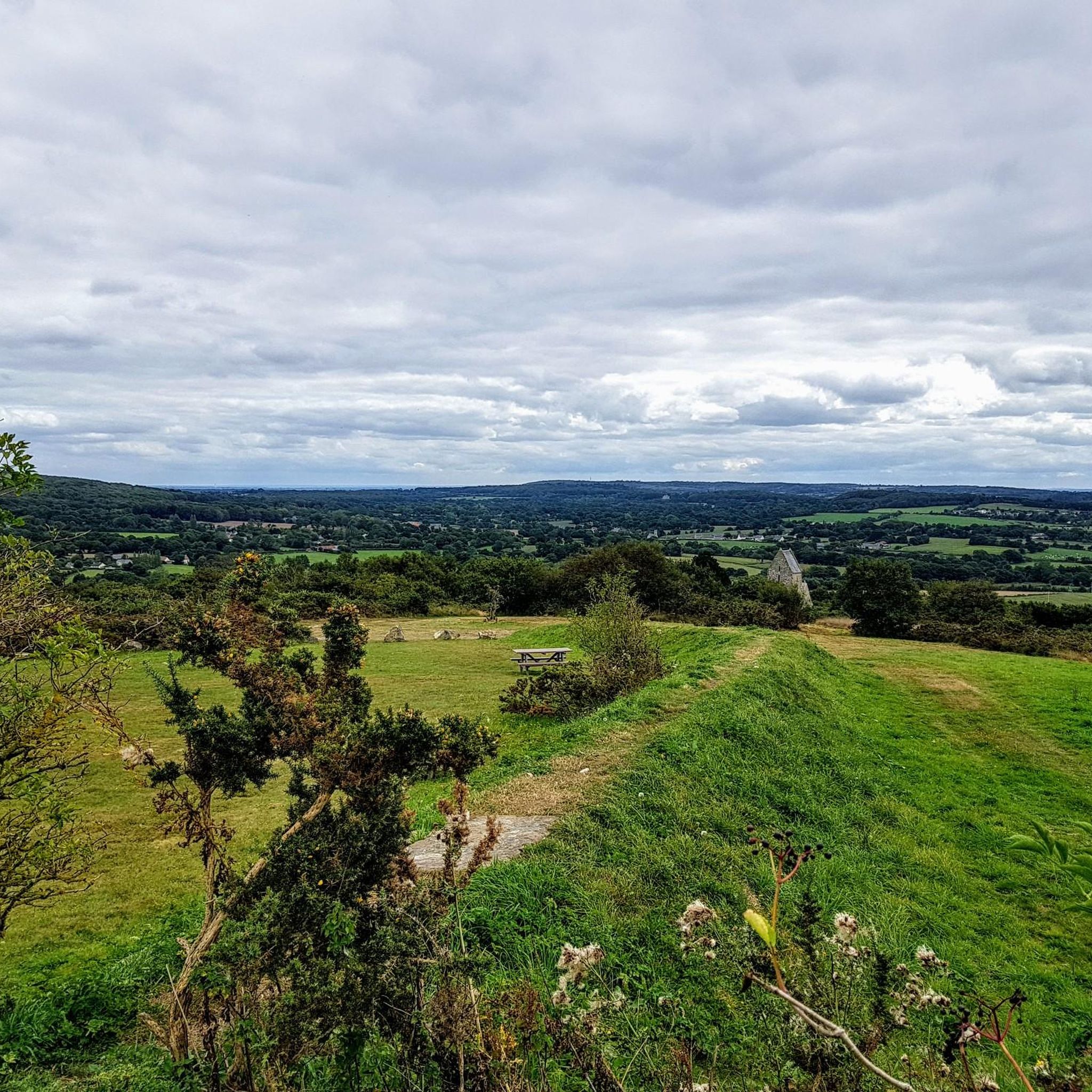
The Château de La Haye-du-Puits is located in the commune of La Haye, in the Manche department, 20 km southeast of Barneville-Carteret. Built in the 11th century by the local lord Tristin, on a mound, it passed to a seneschal of the King of England at the end of the same century. During the Hundred Years' War, on the other hand, the seat of the Barony of The Hague passed to a loyalist of the King of France who was, however, soon stripped of the property... Of this primitive fortress, all that remains is a square keep (5 m on each side), 20 high, housing a staircase and on which we can still see the elements which made it possible to operate the drawbridge, as well as some beginnings of the curtain walls which adjoined it. A more residential manor, from the 16th and 17th centuries, with turrets and vaulted cellars, succeeded the original castle: it is visible on the other side of the street. The interiors of the old keep, listed since 1840, are closed to the public for security reasons but its surroundings are accessible. Information panels have been installed. The nearby manor house with a Renaissance-style door has remained privately owned. Its exterior elements can be observed from the street.
1
0

Saint-Martin Chapel : This building corresponds to the chancel of the old parish church. Since the 19th century, it has been transformed into a chapel dedicated to Notre-Dame de Bon-Secours. This chapel is inseparable from its yew tree, the peculiarity of which is that the inside of the trunk has been burned. This secluded place is steeped in legends and tales of witchcraft.
2
0
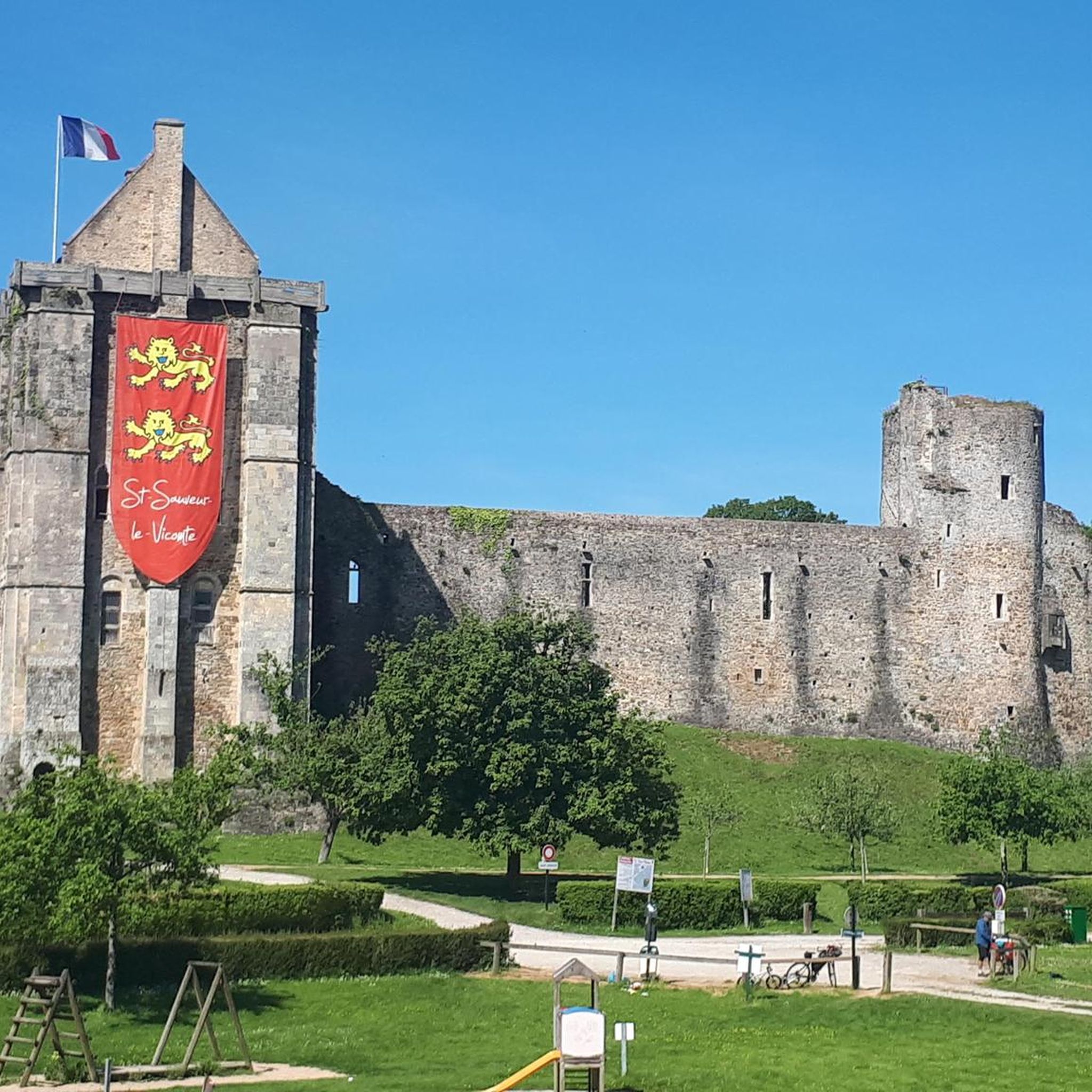
The Château de Saint-Sauveur-le-Vicomte is a castle dating from the 11th century. Sacked twice during the Hundred Years War, it is now in ruins. Although not as impressive as some castles that are still intact, this castle is open to the public and very accessible. It is a wonderful place to visit.
3
0

Located in the center of Cotentin, Saint-Sauveur-Le-Vicomte has vast expanses of marshes, a pretty forest massif and several hilly sites, culminating at Mont de Taillepied.
0
0

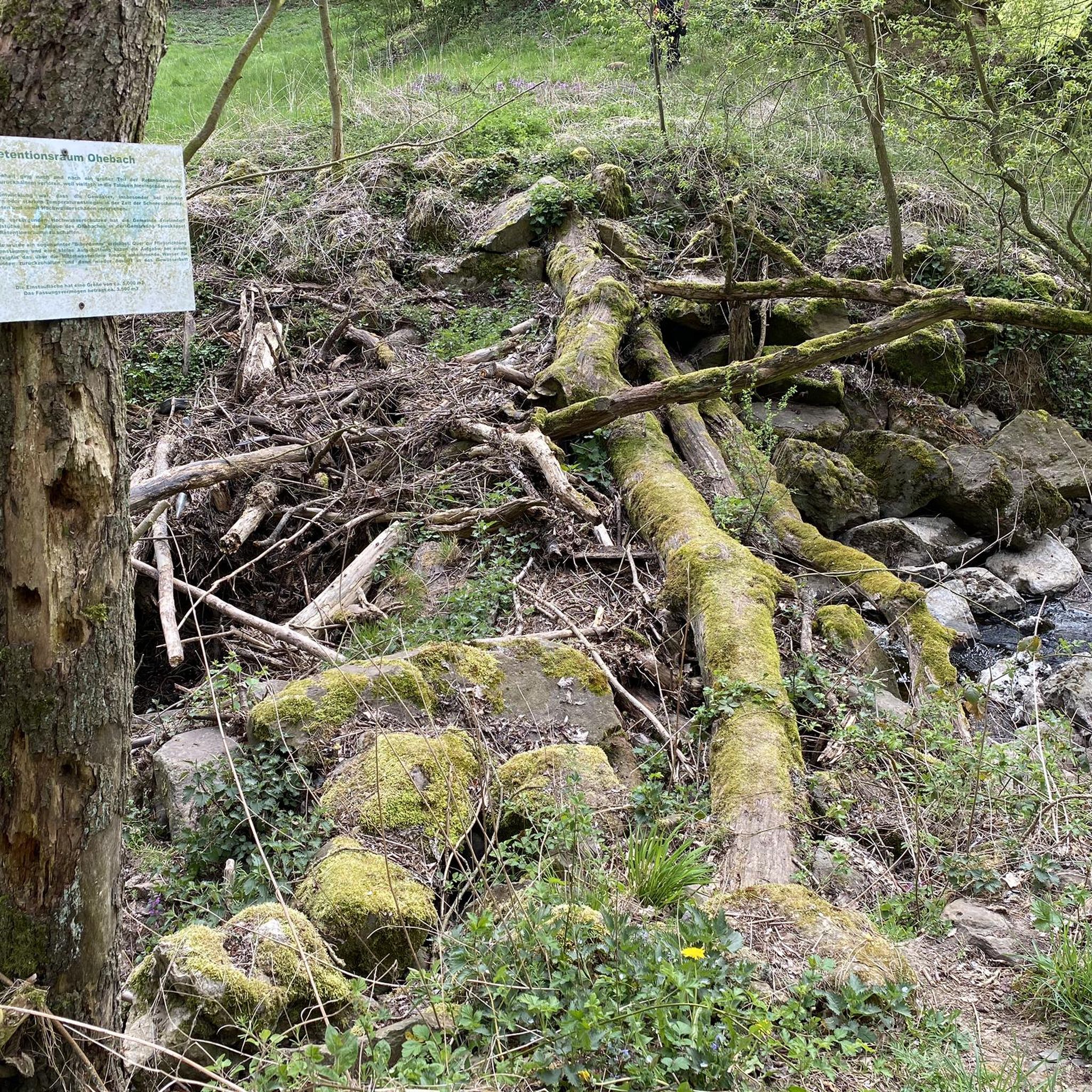
A 'Voie Verte' can be translated to green way, and are French signposted paths open for non-motor traffic, including walkers and runners, cyclists, and roller skaters. You usually find them along river or canal towpaths or disused railway lines, which means that they're typically pretty flat too! The combination of easy riding and no traffic make these a great choice for touring cyclists of all ages.
4
0
Frequently Asked Questions
What historical sites can I visit in Rauville-La-Place and its surroundings?
The area is rich in history. You can explore the 15th-17th century Manoir de Garnetot, known for its defensive appearance and historical significance. The Château de Saint-Sauveur-le-Vicomte, an 11th-century castle, though in ruins, offers a historical experience. Don't miss the Ruins of Saint-Thomas Church, a 12th-century site with detailed Gothic architecture, or the Saint-Martin Church, a chapel steeped in local legends.
Are there any natural attractions or viewpoints near Rauville-La-Place?
Yes, Rauville-La-Place is situated within the Parc naturel régional des Marais du Cotentin et du Bessin, offering natural landscapes. The commune is bordered by the River Douve and the Joffré stream. For panoramic views, visit the Mont de Besneville Windmills and Orientation Table, where you can enjoy a great view and explore old mills.
What kind of outdoor activities can I do around Rauville-La-Place?
The region offers various outdoor activities. You can find numerous routes for cycling, mountain biking, and running. For gravel biking, explore routes like the Saint-Sauveur-le-Vicomte – Bricquebec Castle loop. Mountain biking enthusiasts can try the La Haye-du-Puits Memorial loop. There are also running trails, such as the Running loop from Saint-Sauveur-le-Vicomte. You can find more details on these activities in the Gravel biking, MTB Trails, and Running Trails guides for the area.
Are there family-friendly attractions in the Rauville-La-Place area?
While specific family-focused attractions within Rauville-La-Place itself are limited, the nearby Château de Saint-Sauveur-le-Vicomte, though in ruins, is open to the public and can be an engaging historical experience for families. Additionally, the broader Cotentin Peninsula offers attractions like Forest Adventure, an adventure park located just 2.2 km away in Saint-Sauveur-le-Vicomte, which is suitable for families.
What is the best time to visit Rauville-La-Place for outdoor activities?
The Parc naturel régional des Marais du Cotentin et du Bessin, where Rauville-La-Place is located, is beautiful throughout the warmer months. Spring and summer generally offer pleasant weather for exploring historical sites, enjoying viewpoints, and engaging in outdoor activities like cycling, hiking, and running. Autumn can also be a good time for scenic walks.
Where can I see medieval architecture in the region?
You can observe medieval architecture at several sites. The Ruins of Saint-Thomas Church, dating back to the 12th century, showcases detailed Gothic architecture. The Château de Saint-Sauveur-le-Vicomte, an 11th-century castle, provides insight into medieval fortifications, even in its ruined state. The Manoir de Garnetot also features elements from the 15th to 17th centuries, retaining a defensive appearance with its towers.
Are there any unique religious buildings or chapels to visit?
Yes, the Saint-Martin Church, a chapel dedicated to Notre-Dame de Bon-Secours, is notable for its ancient yew tree with a burned trunk and is associated with local legends. The Église Saint-Laurent de Rauville-la-Place, historically dependent on the Montebourg abbey, features a Romanesque nave and a Gothic choir, housing remarkable medieval statuary.
What are some lesser-known historical points of interest in the area?
Beyond the main attractions, you might be interested in the Château du Mont-de-la-Place (also known as Château des Carreaux), a late 19th-century castle overlooking the Ouve valley, believed by some to have been a priory of the Knights Templar. Also, a stèle commemorates English pilot Arthur Beane, who was killed in 1943, offering a more recent historical reflection.
Can I find any historical military sites or memorials nearby?
The broader Cotentin Peninsula, within a reasonable distance, is significant for its WWII history. You can visit the Airborne Museum in Sainte-Mère-Église (approx. 13.9 km away), the D-Day Experience (approx. 18.3 km away), and the Utah Beach Landing Museum (approx. 24 km away). There's also the Memorial Parachutiste - Iron Mike Memorial (approx. 10.3 km away) in Lower Normandy.
What do visitors enjoy most about the attractions around Rauville-La-Place?
Visitors appreciate the tranquil beauty and historical depth of sites like the Ruins of Saint-Thomas Church, where they can immerse themselves in medieval history amidst the Normandy countryside. The accessibility of places like the Château de Saint-Sauveur-le-Vicomte, even in its ruined state, is also highly valued for its historical experience. The great views from the Mont de Besneville Windmills are also a highlight for many.
Are there any museums or cultural sites beyond historical buildings?
Yes, in the wider region, you can find the Musée Hangar à Dirigeables, located approximately 11.2 km away, which offers a different historical perspective. For those interested in the D-Day landings, the Airborne Museum and Utah Beach Landing Museum provide significant cultural and historical insights into this pivotal event.
Most popular routes around Rauville-La-Place

Get inspired with the komoot mobile app


Explore more
Still not found the Highlight you’re looking for? See guides of the top attractions in other regions:
