The best road cycling routes around Wingles
4.3
(261)
6,092
riders
456
rides
Road cycling around Wingles, located in the Pas-de-Calais department of France, features a landscape shaped by its industrial past, including former mining basins and re-naturalized slag heaps known as "terrils." The region also offers extensive canal networks, such as the Deûle Canal, providing relatively flat and often traffic-free paths. Green spaces and parks are integrated into routes, offering varied terrain for cyclists. This area provides access to diverse regional terrain, from canal-side paths to routes with gentle climbs.
Best road cycling routes around Wingles
- The most popular road cycling route is Fampoux - Canalized Scarpe – Zivy Crater - Thelus loop from Meurchin, a 53.4 miles (85.9 km) trail that takes 3 hours 30 minutes to complete. This route features sections along the Canalized Scarpe and passes historical sites.
- Another top favourite among local road cyclists is Brasserie Deplus – Climb of Mons-en-Pévèle loop from Meurchin, an easy 28.5 miles (45.8 km) path. This route includes a climb towards Mons-en-Pévèle, offering varied terrain.
- Local road cyclists also love the New bike path – Brasserie Deplus loop from Meurchin, a 23.2 miles (37.3 km) trail leading through areas with new cycling infrastructure, often completed in about 1 hour 27 minutes.
- Road cycling around Wingles is defined by former mining landscapes with "terrils," peaceful canal networks, and accessible green spaces. The network offers options for different ability levels, from easy canal-side rides to routes with moderate elevation gain.
- The routes in Wingles are highly rated by the komoot community with an average score of 4.3 stars from over 260 reviews. More than 5,700 road cyclists have used komoot to explore Wingles's varied terrain.
Last updated: July 1, 2026
51
riders
86.3km
03:31
410m
410m
Moderate road ride. Good fitness required. Mostly well-paved surfaces and easy to ride.
26
riders
70.3km
02:49
220m
220m
Moderate road ride. Good fitness required. Mostly well-paved surfaces and easy to ride.

Sign up for free
3.8
(4)
15
riders
36.9km
01:25
70m
70m
Easy road ride. Great for any fitness level. Mostly well-paved surfaces and easy to ride.
4.3
(4)
13
riders
Easy road ride. Great for any fitness level. Mostly well-paved surfaces and easy to ride.
16
riders
59.4km
02:22
160m
160m
Moderate road ride. Good fitness required. Mostly well-paved surfaces and easy to ride.
Get access to more routes and recommendations from other explorers.
Sign up for free
Already have an account?
Our route recommendations are based on thousands of hikes, rides, and runs completed by other people on komoot.
Start today with a free account
Your next adventure awaits.
Login or Signup

Tips from the Community

The battle of Fromelles on 19 July 1916 was a bloody initiation for Australian soldiers to warfare on the Western Front. Soldiers of the newly arrived 5th Australian Division, together with the British 61st Division, were ordered to attack strongly fortified German front line positions near the Aubers Ridge in French Flanders. The attack was intended as a feint to hold German reserves from moving south to the Somme where a large Allied offensive had begun on 1 July. The feint was a disastrous failure. Australian and British soldiers assaulted over open ground in broad daylight and under direct observation and heavy fire from the German lines. Over 5,500 Australians became casualties. Almost 2,000 of them were killed in action or died of wounds and some 400 were captured. This is believed to be the greatest loss by a single division in 24 hours during the entire First World War. Some consider Fromelles the most tragic event in Australia’s history. https://www.awm.gov.au/articles/encyclopedia/fromelles
0
0

This British cemetery and memorial were built in memory of the Australian soldiers who died during the Battle of Fromelles on 19-20 July 1916. There are 410 Australian soldiers buried here, none of whom have been identified. Although the graves are individual, they are not marked with individual headstones, but the names of some 1,200 missing are recorded on the Memorial, a memorial wall at the rear of the cemetery. Two large concrete crosses have been placed on the grassed area. In front of the memorial wall is the Cross of Sacrifice.
7
0

Near the front line in 1916, a fierce battle was fought between the British (Australians) and the Germans. To commemorate 'la bataille' and the wounded who were brought back from the battlefield, a monument/statue was erected here.
1
0
The Musée de la Bataille de Fromelles is dedicated to the Battle of Fromelles of 19–20 July 1916, which pitted British and Australian troops against a Bavarian division. The museum offers a comprehensive exhibition on the battle, the 2009 archaeological excavations that unearthed the bodies of 250 soldiers, and the identification campaign that followed.
7
0
Anecdote: During the battle, Sergeant Simon Fraser heard a wounded soldier cry out, "Don't forget me, cobber!" Despite the danger, Fraser returned to the battlefield to save the man, an act of bravery that was later immortalized in the statue. This event emphasizes the sacrifice and strong bond between soldiers during the horrors of war.
7
0
The Cobbers Australian Memorial is located in the Australian Memorial Park near Fromelles. This memorial commemorates the Australian soldiers who died during the Battle of Fromelles on 19-20 July 1916. The statue, designed by Peter Corlett, shows Sergeant Simon Fraser carrying a wounded comrade out of no man's land. The name "Cobbers" comes from a letter Fraser wrote, describing the bravery and camaraderie of the soldiers.
7
0
Le Trou Aid Post Cemetery was established in October 1914 by British soldiers of the 19th Infantry Brigade during the First Battle of Ypres. The cemetery initially contained 123 graves, but was expanded after the war. It now contains over 350 graves, of which over 200 are unknown. The cemetery commemorates soldiers who died in a number of battles, including Le Maisnil (October 1914), Aubers Ridge (May 1915), Loos (September–October 1915), and Fromelles (July 1916). A special feature of the cemetery is its rural setting, surrounded by a narrow moat and sheltered by a grove of weeping willows. Visitors reach the cemetery via a footbridge and enter through a delicate cottage-style gate.
7
0

The Vimy Memorial is the most prestigious Canadian monument in Europe. It is located on the very site of the 1917 fighting near Vimy in the Pas-de-Calais region of France. Erected on the highest point of the hill, Hill 145, the objective of the operations that began on April 9, 1917, it overlooks the Douai Plain. In 1921, architect and sculptor Walter S. Allward (1875-1955) won the competition from the Canadian Battlefield Memorials Commission. The significance of the battles at the site and the favorable location at the top of the hill allowed Vimy to receive the most prestigious work.
1
0
Frequently Asked Questions
How many road cycling routes are available around Wingles?
There are over 460 road cycling routes around Wingles, offering a wide variety of options for different skill levels and preferences. You can find routes ranging from easy canal-side paths to more challenging rides with moderate elevation gains.
What kind of terrain can I expect on road cycling routes near Wingles?
Road cycling around Wingles offers a unique blend of landscapes. You'll find routes traversing former mining basins with distinctive 'terrils' (slag heaps) that provide elevated points and panoramic views. Many paths follow peaceful canal networks, such as the Deûle Canal, which are generally flat and traffic-free. The area also integrates green spaces and parks, offering varied terrain and a refreshing contrast to the industrial heritage.
Are there road cycling routes suitable for beginners in Wingles?
Yes, Wingles offers a good selection of routes for beginners. Over 110 easy road cycling routes are available, many of which follow the flat, paved surfaces along the canal networks. These routes are perfect for those looking for a relaxed ride without significant climbs.
What are the more challenging road cycling options around Wingles?
For cyclists seeking a greater challenge, there are over 20 difficult road cycling routes around Wingles. These routes often incorporate more significant elevation changes, such as the climb towards Mons-en-Pévèle found on the Brasserie Deplus – Climb of Mons-en-Pévèle loop from Meurchin, providing varied terrain and a sporting challenge.
What do other cyclists say about road cycling in Wingles?
The road cycling routes in Wingles are highly rated by the komoot community, with an average score of 4.3 stars from over 260 reviews. More than 5,700 road cyclists have explored the area, often praising the unique blend of industrial heritage, peaceful canal paths, and accessible green spaces.
Are there any interesting landmarks or natural features to see along the road cycling routes?
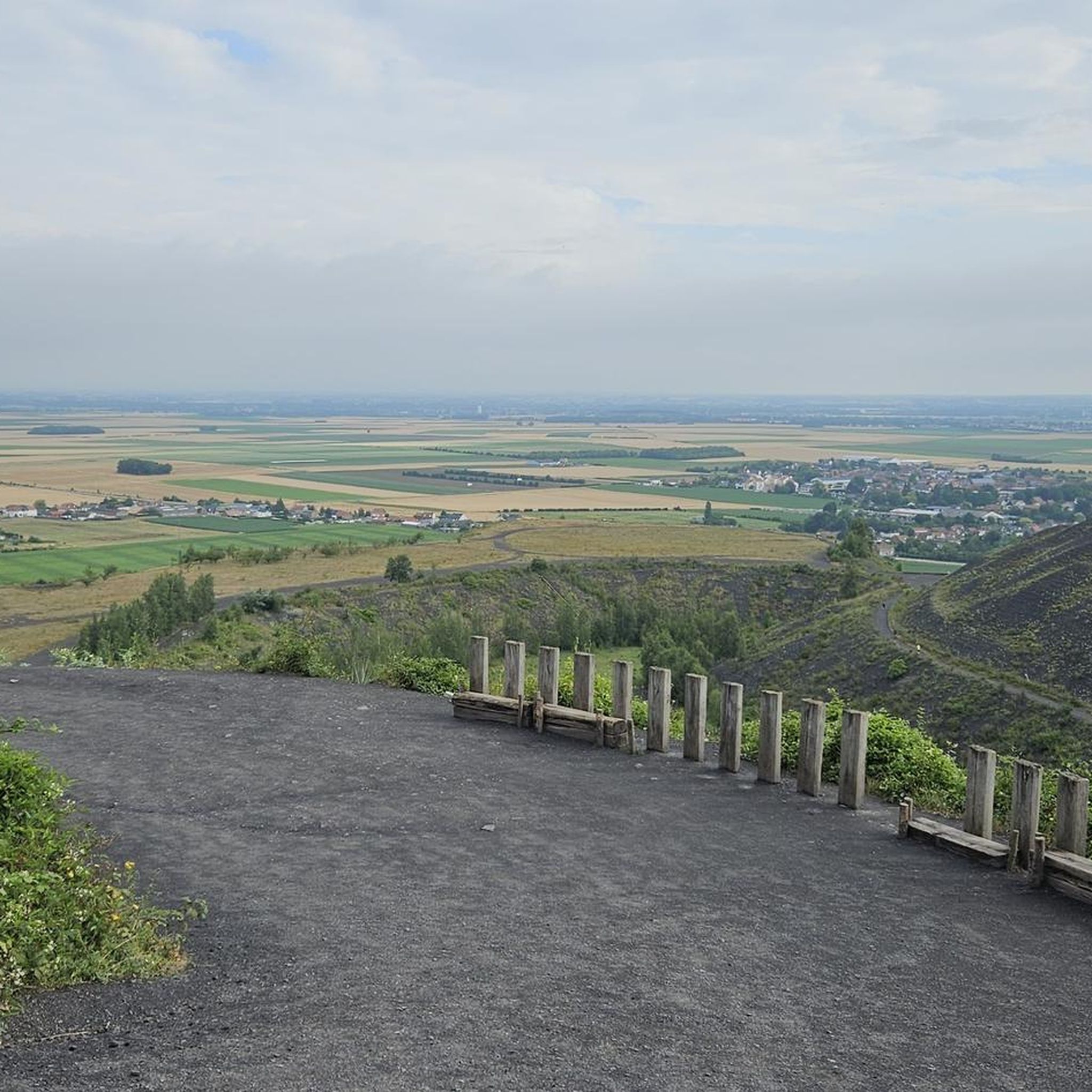
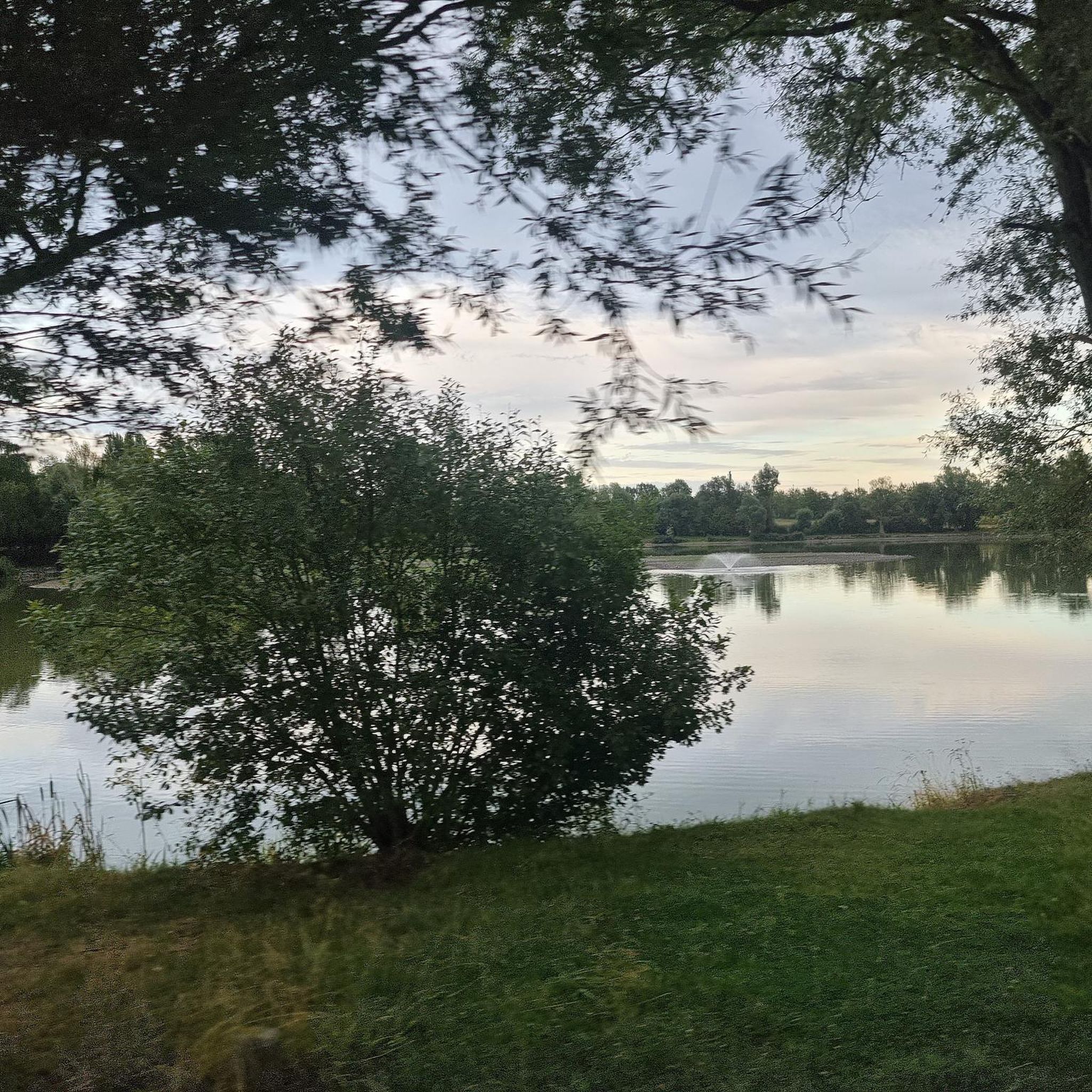
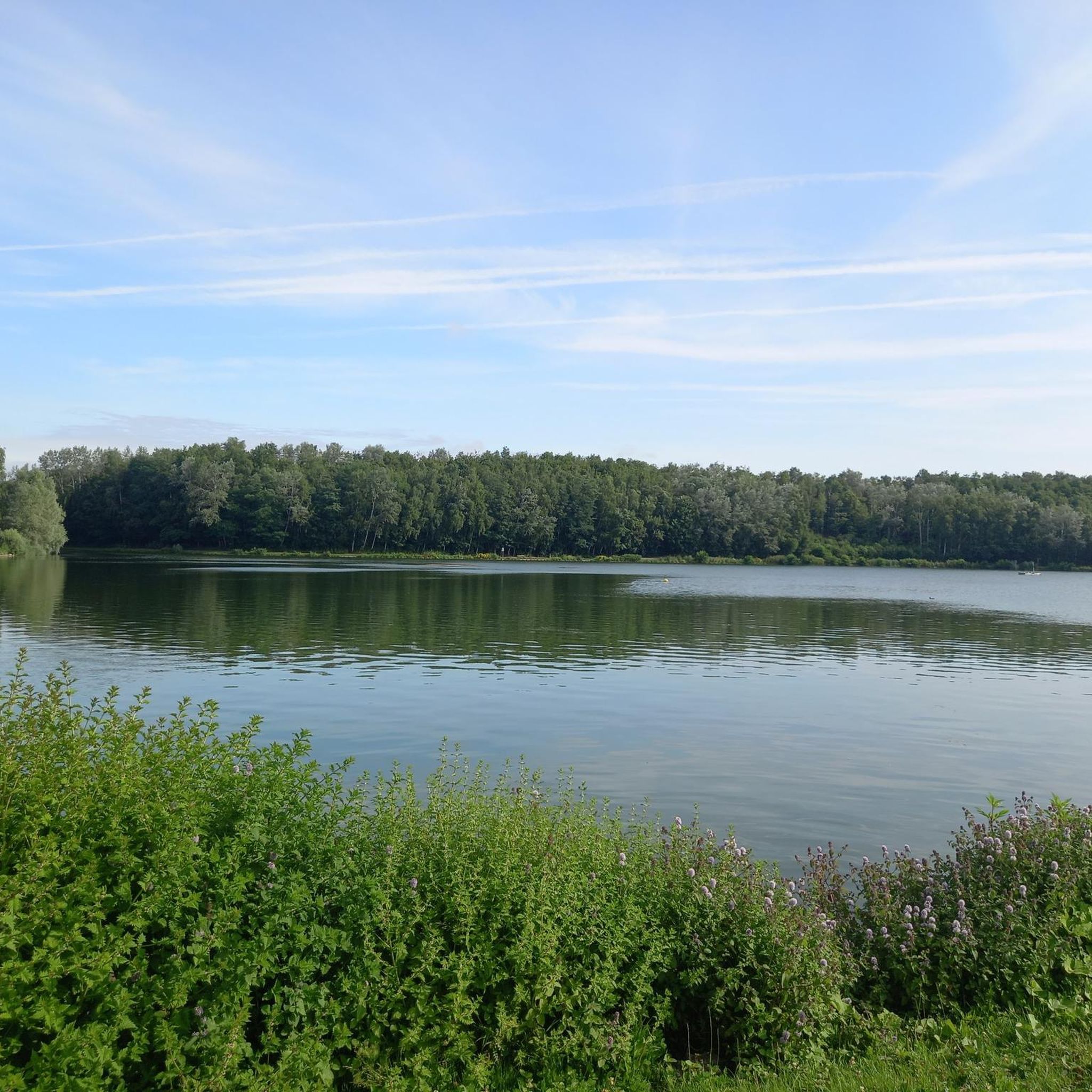
Absolutely! Road cycling routes in Wingles often pass through areas rich in history and natural beauty. You can explore the distinctive 'terrils' (slag heaps) like the Loos-en-Gohelle slag heap, which are now re-naturalized and offer panoramic views. Routes also follow tranquil canal networks and pass by various lakes and ponds such as Marsh Pond and Marcel Park Pond, providing scenic stops.
Can I find routes that highlight the region's industrial heritage?
Yes, many routes in Wingles are shaped by the region's industrial past. You can cycle through areas featuring former mining basins and 'terrils,' which are now UNESCO World Heritage sites. Routes like the Fampoux - Canalized Scarpe – Zivy Crater - Thelus loop from Meurchin pass historical sites, offering a unique cultural immersion into the mining history of the Nord-Pas-de-Calais.
Are there any long-distance cycling networks accessible from Wingles?
Wingles' location provides excellent connectivity to wider regional and international cycling networks. The Vélomaritime (EuroVelo 4) and EuroVelo 5 pass through or near the area, allowing cyclists to undertake longer journeys and explore the broader Hauts-de-France region and beyond. These routes are generally well-signposted and cater to touring cyclists.
What is the best time of year for road cycling in Wingles?
While specific weather conditions can vary, the spring and autumn months generally offer pleasant temperatures for road cycling in Wingles. Summer can also be enjoyable, especially along the shaded canal paths. It's always advisable to check the local weather forecast before heading out.
Are there circular road cycling routes available around Wingles?
Yes, many of the road cycling routes around Wingles are designed as loops, allowing you to start and finish at the same point. Examples include the popular Fampoux - Canalized Scarpe – Zivy Crater - Thelus loop from Meurchin and the New bike path – Brasserie Deplus loop from Meurchin, making planning your ride convenient.
Is public transport available to access road cycling routes near Wingles?
Wingles and its surrounding towns are generally well-connected within the Pas-de-Calais department. While specific public transport options for accessing trailheads can vary, local bus services often connect to key areas. Cyclists can also utilize regional train services to reach towns near Wingles, though it's recommended to check bicycle carriage policies in advance.
Are there any family-friendly road cycling paths in Wingles?
Yes, the region offers several family-friendly road cycling paths, particularly along the canal networks. These routes are often flat, traffic-free, and paved, making them suitable for cyclists of all ages and abilities. Green spaces and parks integrated into routes also provide pleasant and safe environments for family rides.
Where can I find parking for road cycling in Wingles?
Parking is generally available in and around Wingles, particularly in town centers or near popular starting points for cycling routes. Many routes begin from accessible locations, and you can often find designated parking areas in proximity to green spaces, parks, or canal access points.
Most popular attractions around Wingles

Get inspired with the komoot mobile app


Explore more
Browse the best Road cycling routes in other regions.
